Designing the Ultimate Lower Arm Half Sleeve Tattoo in 2026: Styles, Placement, and Technical Execution
A lower arm half sleeve tattoo covers the forearm from just below the elbow down to the wrist, serving as one of the most prominent, versatile, and visually impactful canvases on the human body. As the body modification industry advanc...
A lower arm half sleeve tattoo covers the forearm from just below the elbow down to the wrist, serving as one of the most prominent, versatile, and visually impactful canvases on the human body. As the body modification industry advances into 2026, tattoo artists and enthusiasts increasingly focus on anatomical flow, long-term ink preservation, and sophisticated design composition tailored specifically to the unique muscular and skeletal structure of the forearm. Navigating this prominent piece requires a deep understanding of tattoo styles, healing processes, pain management, and professional execution standards to ensure a lifetime of vibrant body art.
Contents
Anatomical Considerations and Flow for Lower Arm Half Sleeves
The lower arm presents a dynamic canvas characterized by shifting muscle groups, prominent tendons, and bony landmarks. Designing a successful half sleeve in this region demands a mastery of wrapping techniques so that the artwork distorts minimally when the arm twists, flexes, or extends.
- The Ulna and Radius Alignment: The bones of the forearm dictate how straight lines and geometric patterns will read from a distance. Aligning focal points away from sharp bone ridges prevents visual warping.
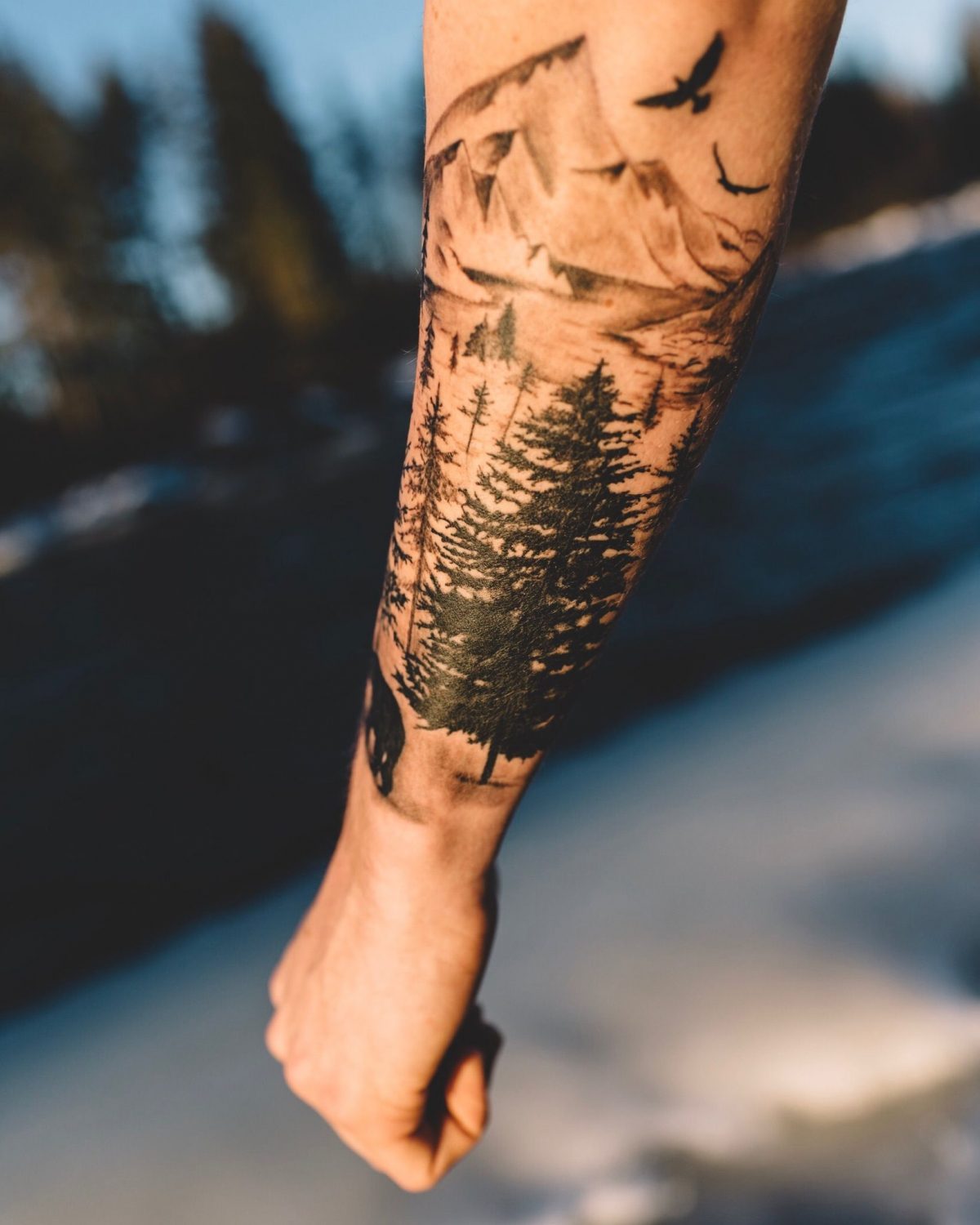
- The Inner Forearm (Flexor Compartment): This area features softer skin and higher nerve density, making it sensitive, yet it offers a flat, expansive space ideal for portraits, intricate florals, or expansive Japanese panels.
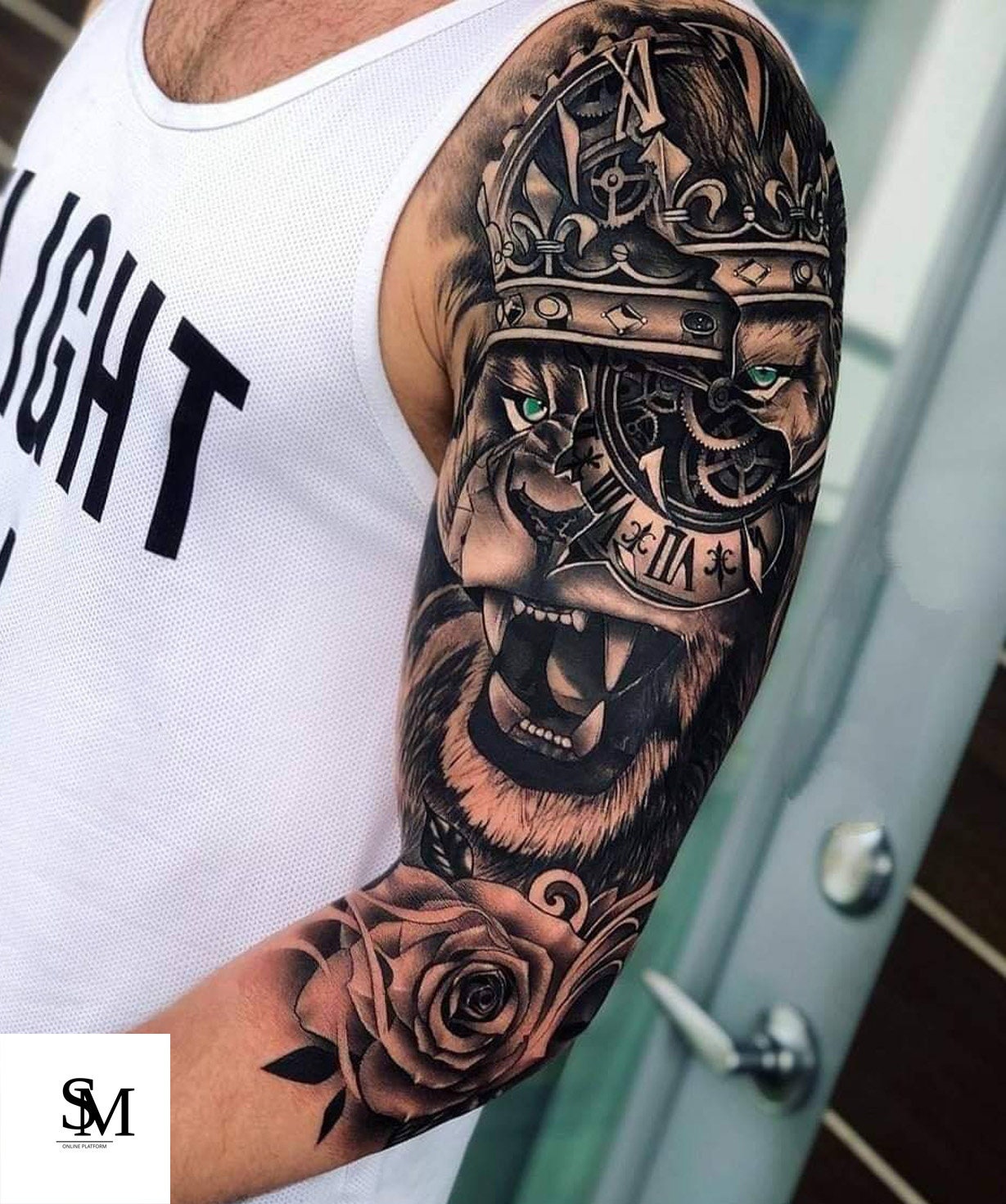
- The Outer Forearm (Extensor Compartment): Naturally muscular and exposed to less friction, this zone suits bold traditional pieces, biomechanical designs, or high-contrast black and grey realism.
- The Wrist and Elbow Transitions: Seamlessly terminating a half sleeve near the wrist crease or the inner elbow pit requires careful tapering to avoid an abrupt, unfinished look.
Professional Planning Tip: Always consult your artist regarding how your natural arm rotation (supination and pronation) affects the overall composition. A design that looks centered when your palm faces forward may twist dramatically when your hands rest flat on a table.
Dominant Tattoo Styles for Lower Arm Placements in 2026
Choosing the right aesthetic style depends on personal preference, skin tone, and the desired level of maintenance. The contemporary tattoo landscape features several standout genres that thrive on the lower arm.
| Tattoo Style | Visual Characteristics | Aging & Maintenance Profile | Best Suited For |
|---|---|---|---|
| Black and Grey Realism | Smooth tonal gradients, high contrast, photographic depth | Requires touch-ups every 7-10 years to maintain soft shadow separation | Portraits, wildlife, architectural compositions |
| Neo-Traditional | Bold outlines, vibrant color palettes, illustrative depth | Excellent longevity due to heavy linework acting as a structural anchor | Animals with floral adornments, stylized figures |
| Japanese Traditional (Irezumi) | Flowing wind bars, cherry blossoms, traditional motifs, heavy background | Exceptional aging because of thick black outlines and saturated primaries | Seamless sleeve integration, historical storytelling |
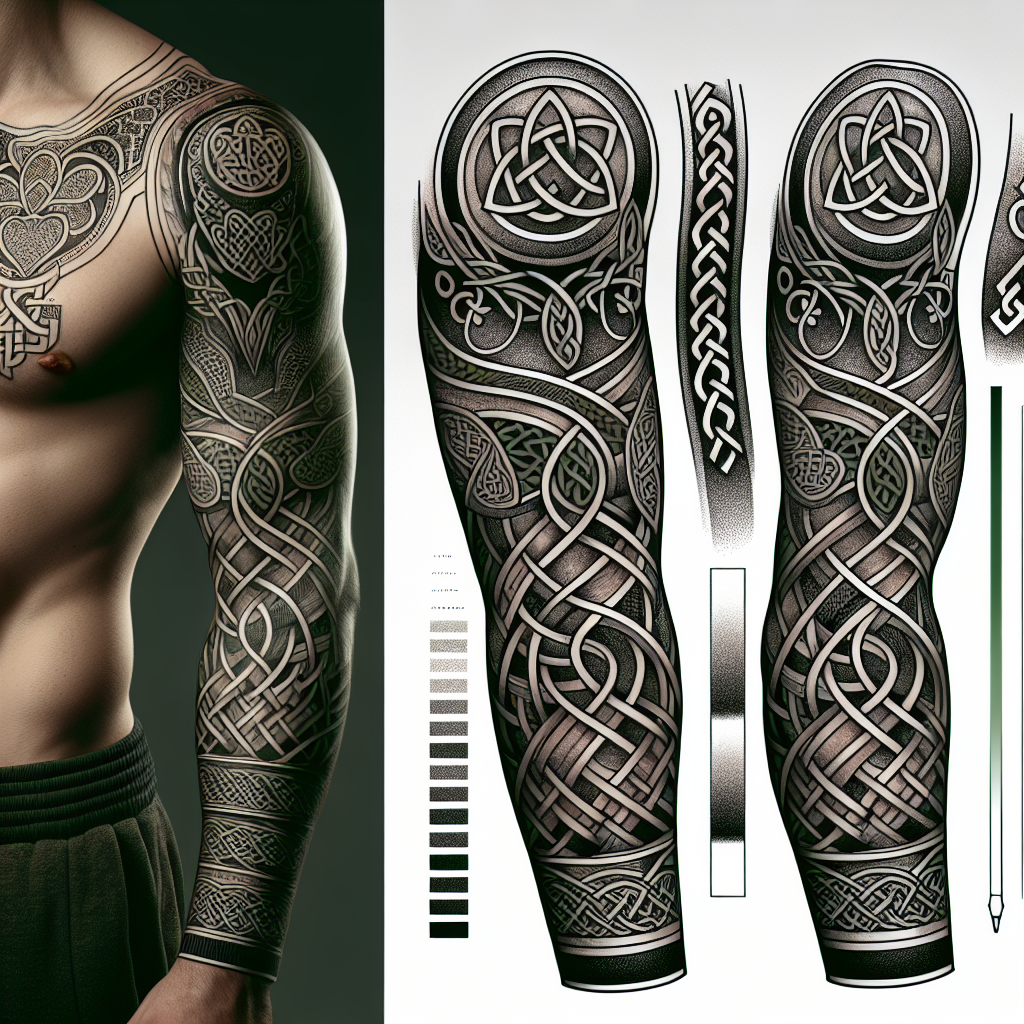
| Geometric / Dotwork | Mathematical precision, sacred geometry, stippled shading | Requires meticulous initial application to prevent dot migration over decades | Abstract expression, spiritual symbols, minimalist expansion |
Step-by-Step Guide to Planning and Executing Your Lower Arm Half Sleeve
Executing a major piece like a lower arm half sleeve is a collaborative journey between client and artist. Following a structured roadmap ensures optimal artistic results and a smooth healing process.
- Initial Consultation and Artist Matching: Research artists specializing in your chosen style. Discuss your vision, arm dimensions, and skin texture during an in-person or virtual consultation to align expectations.
- Custom Stencil Fitting and Freehanding: On the day of the appointment, the artist will apply a thermal stencil or use freehand markers to map out the composition directly onto your forearm, adjusting the flow to match your muscle contours.
- Outlining and Structural Framework: The session begins with lining. This establishes the permanent boundaries and foundational skeleton of the half sleeve, which holds the design together over time.
- Shading and Color Packing: Depending on the complexity, shading or color saturation takes place across one or multiple sessions. Larger pieces may require splitting the work into an outline session and subsequent shading appointments.
- Aftercare Initiation: Immediate medical-grade bandage application or traditional wrapping marks the transition from the studio chair to the critical home-healing phase.
Managing the Healing Process and Long-Term Preservation
The forearm is an active zone prone to accidental bumps, sun exposure, and friction from clothing. Proper aftercare is non-negotiable for preserving crisp lines and rich color saturation.
- Cleaning Protocols: Wash the fresh tattoo 2 to 3 times daily with lukewarm water and a fragrance-free, antibacterial liquid soap using clean hands. Pat dry gently with a disposable paper towel.
- Mohydration Balance: Apply a thin layer of specialized professional tattoo aftercare ointment or unscented lotion only when the skin feels tight or dry. Over-moisturization starves the skin of oxygen and can cause ink to push out.
- Sun Protection Standards: UV rays are the primary catalyst for ink degradation and fading. Once fully healed, applying a broad-spectrum SPF 50 sunscreen daily prevents premature breakdown of black and colored pigments.
Comparing Lower Arm vs. Upper Arm Placements
| Evaluation Metric | Lower Arm Half Sleeve | Upper Arm (Bicep/Tricep) Sleeve |
|---|---|---|
| Visibility | High visibility; difficult to conceal in professional environments without long sleeves. | Easily concealed under standard short-sleeve shirts. |
| Pain Level | Moderate to high, especially near the wrist, inner elbow, and bony ulna. | Generally lower, with higher fat and muscle padding cushioning the needle. |
| Healing Convenience | High mobility makes it prone to accidental contact and friction against desks and clothing. | Relatively protected under standard daily apparel, minimizing accidental irritation. |
| Aging Resistance | Moderate; subject to higher frequency of sun exposure if not actively protected. | High; protected from ultraviolet exposure by everyday clothing layers. |
Frequently Asked Questions About Lower Arm Half Sleeves
How painful is a lower arm half sleeve compared to other body parts?
The lower arm generates moderate pain levels, with the inner wrist, inner elbow, and areas directly over the bone registering higher discomfort due to thin skin and proximity to nerve endings. The fleshy outer forearm is generally much more manageable for longer sessions.
How long does it take to complete a lower arm half sleeve?
A complete lower arm half sleeve typically requires anywhere from 15 to 30 hours of total tattooing time, spread across 3 to 6 separate sessions depending on the intricacy, style, and density of the artwork.
Will a lower arm tattoo stretch or distort if I gain muscle or weight?
Moderate weight fluctuation or muscle growth on the forearm causes minimal distortion because this area experiences less dramatic volumetric expansion compared to the abdomen, thighs, or upper arms.
Can a lower arm half sleeve be easily covered for professional settings?
Yes, covering a lower arm half sleeve requires wearing long-sleeve shirts, button-downs, or professional blazers, which is standard practice in many corporate or conservative work environments.
What is the best way to prevent fading on a forearm tattoo?
Daily application of high-SPF sunscreen when exposed to sunlight, regular hydration, and avoiding abrasive physical friction are the most effective methods for maintaining vibrant contrast and sharp lines over decades.
How should I prepare physically for my tattoo sessions?
Arrive well-rested, properly hydrated, and having eaten a substantial meal rich in complex carbohydrates to maintain stable blood sugar levels throughout extended multi-hour appointments.
Begin Your Custom Tattoo Journey Today
Transforming your forearm into a cohesive, breathtaking work of art starts with finding the right creative partner. Schedule a consultation with an experienced professional specializing in custom half sleeves to discuss your conceptual goals, review portfolio pieces, and map out a customized design tailored to your unique anatomical frame.
Image Gallery