How to Get Auto Insurance Help When You Are Unemployed
If you are currently out of work, you can get auto insurance help by reclassifying your vehicle for "pleasure use," increasing your deductibles, or enrolling in state-sponsored low-income programs in regions like California or New Jers...
If you are currently out of work, you can get auto insurance help by reclassifying your vehicle for "pleasure use," increasing your deductibles, or enrolling in state-sponsored low-income programs in regions like California or New Jersey. Many carriers also offer hardship deferrals or usage-based plans that lower costs based on your reduced mileage.
Contents
Losing a source of income creates immediate financial pressure, and fixed costs like car insurance often feel like an insurmountable burden. However, maintaining coverage is legally required in almost every state and is financially critical to protect yourself from catastrophic liability. In 2026, the insurance market has become more sophisticated with telematics and specialized hardship programs, providing several avenues for the unemployed to secure relief without letting their policies lapse.
Immediate Policy Adjustments for the Unemployed
The first step in seeking help is to audit your existing policy. Insurance premiums are calculated based on risk factors, and being out of work fundamentally changes your risk profile in ways that can work in your favor.
Reclassifying Your Vehicle Use
Most people drive to and from a place of employment, which insurance companies categorize as "commuting." This adds significant mileage and risk to your profile. When you are out of work, you are no longer commuting. You should contact your agent to reclassify your vehicle's primary use to pleasure use. This adjustment acknowledges that you are on the road less frequently and during off-peak hours, which often results in a premium reduction of 5% to 15%.
Adjusting Mileage Estimates
When you applied for your policy, you likely estimated an annual mileage (e.g., 12,000 miles). If you are no longer driving to an office five days a week, your actual mileage may drop to 5,000 or 6,000 miles per year. Since 2026 premiums are heavily influenced by data-driven risk models, providing an updated, lower mileage estimate can trigger an immediate downward adjustment in your monthly costs.
Modifying Coverage Levels on Older Vehicles
If your vehicle is more than ten years old or its market value is low, you may be over-insuring it. While Liability Insurance is mandatory, Collision and Comprehensive coverage are optional unless you have an active car loan. If the annual cost of these optional coverages exceeds 10% of the car's total value, it may be financially prudent to drop them temporarily to save money. However, you must be prepared to pay for repairs or a replacement out of pocket if an accident occurs.
State-Sponsored Low-Income Insurance Programs
While most auto insurance is private, some states recognize that low-income individuals—including those who are unemployed—need help maintaining legal coverage. As of 2026, a few specific programs stand out as benchmarks for public assistance.
California Low Cost Automobile Insurance (CLCA)
The California Low Cost Auto Program is designed for drivers who meet specific income eligibility requirements. To qualify, your household income must be within 250% of the federal poverty level. For an unemployed individual, this program provides liability limits that satisfy the state’s financial responsibility laws at a significantly lower rate than private market policies.
New Jersey Special Automobile Insurance Policy (SAIP)
Often referred to as the "Dollar-a-Day" policy, the NJ SAIP is available specifically to individuals who are eligible for Federal Medicaid with hospitalization. While it only covers emergency treatment and a $10,000 death benefit (it does not include liability coverage for damage you cause to others), it allows the most financially vulnerable to avoid the legal penalties of being uninsured while they seek employment.
Hawaii’s Financial Assistance Provisions
Hawaii provides free no-fault auto insurance to individuals receiving certain types of public financial assistance. If you are unemployed and receiving assistance through the Department of Human Services, you may be eligible for a policy that covers the state-mandated basics at no cost to you.
Transitioning to Usage-Based Insurance (UBI)
The rise of telematics in 2026 has made usage-based insurance (UBI) one of the most effective ways for the unemployed to get help with their premiums. Traditional insurance charges you a flat rate regardless of how much you drive. UBI, or "pay-per-mile" insurance, flips this model.
How Pay-Per-Mile Works
Companies like Metromile (Lemonade) or specialized programs from major carriers like Allstate (Milewise) charge a low monthly base rate plus a few cents per mile driven. If you are out of work and your car is sitting in the driveway most of the week, your total monthly bill could drop by 40% or more. This is particularly useful for job seekers who conduct most of their interviews and networking online and only drive for essential errands.
Telematics and Safe Driving
Beyond mileage, programs like Progressive’s Snapshot or State Farm’s Drive Safe & Save use a mobile app or a device plugged into your car to monitor braking, acceleration, and the time of day you drive. If your unemployment has resulted in more cautious, daytime-only driving, these programs can offer "earned" discounts that are applied at your next renewal.
Negotiating with Your Current Carrier
Many drivers are hesitant to tell their insurance company they are unemployed, fearing a rate hike. In reality, unemployment itself is not usually a rating factor that increases premiums; however, failing to pay your bill definitely is.
Requesting a Hardship Deferral
Since the economic shifts of the early 2020s, most major insurers have established financial hardship protocols. If you cannot make your premium payment due to job loss, call the billing department before the due date. They may offer a "grace period," a one-time deferral, or a restructured payment plan that breaks your six-month premium into smaller, more manageable monthly installments.
Pausing Coverage (With Caution)
If you do not plan to drive at all while out of work, you might consider "comprehensive-only" coverage, sometimes called storage insurance. This suspends liability and collision coverage but protects the vehicle against theft, fire, or falling objects.
- Warning: You cannot legally drive a vehicle with storage-only insurance.
- Warning: Check with your lienholder if you have a car loan, as they usually require full coverage at all times.
Strategies for Reducing Costs by Category
The following table compares different methods for reducing auto insurance costs during a period of unemployment.
| Strategy | Potential Savings | Best For | Requirement |
|---|---|---|---|
| Reclassification | 5% – 15% | Drivers no longer commuting | Contacting agent to set "Pleasure Use" |
| Pay-Per-Mile | 30% – 50% | Drivers doing < 500 miles/month | Installing a tracking device or app |
| Raising Deductibles | 15% – 30% | Those with some emergency savings | Increasing deductible to $1,000+ |
| State Programs | Varies by State | Low-income/Medicaid recipients | Income verification (CA, NJ, HI) |
| Dropping Add-ons | 5% – 10% | People with older cars | Removing roadside assistance/rental car |
Avoiding the "Lapse" Trap
The most critical mistake an unemployed person can make is letting their insurance policy cancel for non-payment. In the eyes of the insurance industry, a "lapse in coverage" makes you a high-risk driver, regardless of your driving record.
When you eventually find a new job and try to reinstate your insurance, you will likely find that your premiums have doubled because of that lapse. Furthermore, most states have automated systems that notify the DMV when a policy cancels. This can lead to:
- Suspension of your vehicle registration.
- Fines and reinstatement fees.
- The requirement to file an SR-22 (a high-risk certificate).
If you absolutely must sell your car because you cannot afford it, consider a Non-Owner Auto Insurance Policy. This provides liability coverage when you drive someone else’s car and, more importantly, it maintains your "continuous insurance" status, ensuring you get lower rates once you are employed and buy a vehicle again.
Frequently Asked Questions
Does being unemployed automatically raise my car insurance rates?
No. Insurance companies generally do not use employment status as a direct rating factor. However, they do use credit scores in many states (except California, Hawaii, and Massachusetts). If your unemployment leads to missed credit card payments or high debt utilization, your credit-based insurance score could drop, which might lead to higher rates at your next renewal. The National Association of Insurance Commissioners (NAIC) provides resources on how these scores affect your premiums.
Can I get a discount for being a member of a professional organization even if I’m out of work?
Yes. If you belong to an alumni association, a professional union, or an organization like AAA or AARP, you are often eligible for group discounts. These memberships do not typically require active employment in a specific job to remain valid, so check your affiliations to see if any offer insurance partnerships.
Should I increase my deductible to save money?
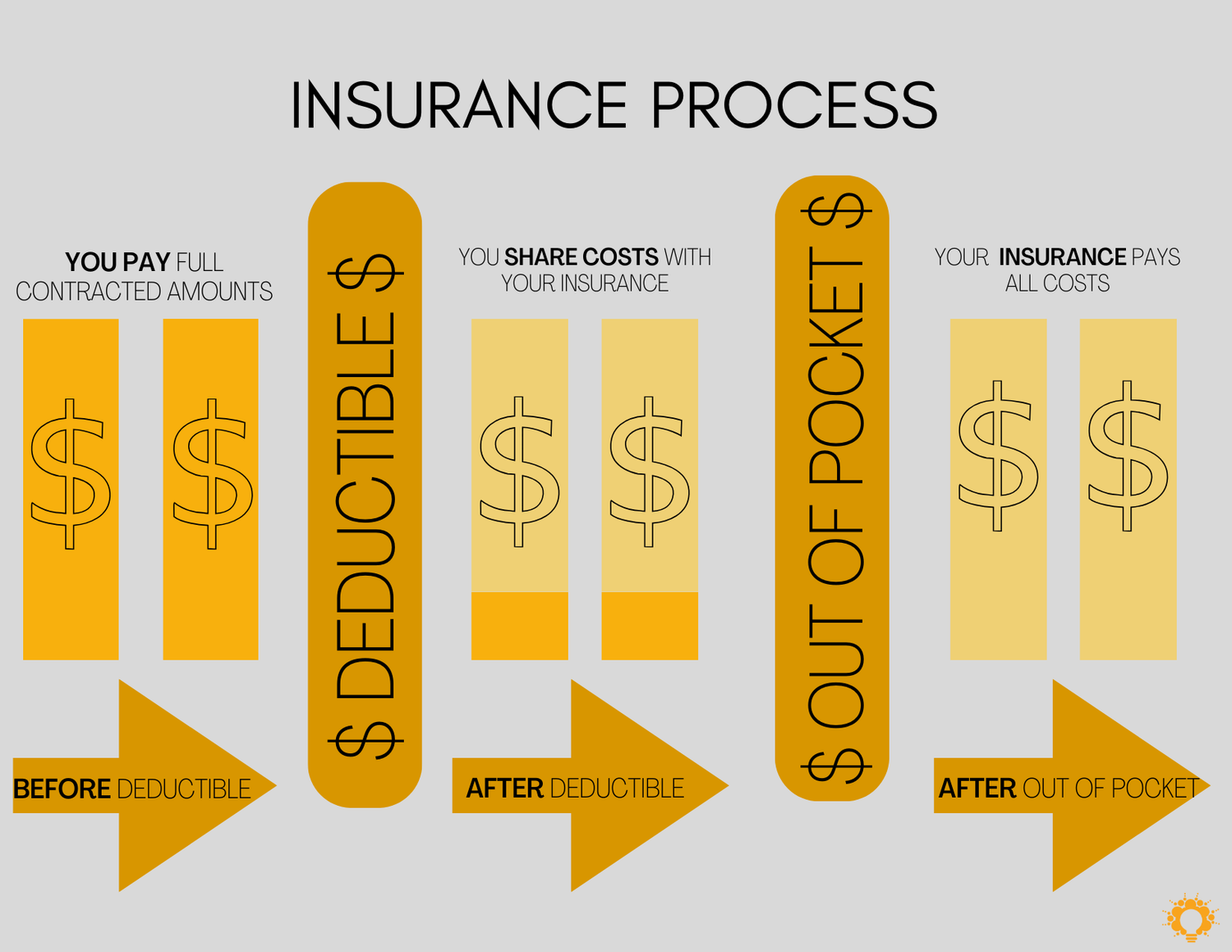
Increasing your deductible from $500 to $1,000 can significantly lower your premium. However, this is only a good strategy if you have access to $1,000 in the event of an accident. If you have zero savings, a lower premium might not be worth the risk of being unable to repair your car after a claim, which could prevent you from getting to future job interviews.
Are there any charities that help pay for car insurance?
Direct charitable assistance for car insurance is rare. However, local organizations like United Way (by calling 2-1-1) or St. Vincent de Paul may provide emergency financial assistance for "transportation-related expenses" to help individuals maintain employment or search for work. These are usually one-time grants rather than ongoing premium support.
What happens if I drive without insurance while looking for a job?
Driving without insurance is a gamble that rarely pays off. If you are caught, you face heavy fines and potential license suspension. If you are in an accident, you could be held personally liable for thousands of dollars in medical bills and property damage, which can lead to wage garnishment once you are back in the workforce.
Practical Next Steps
If you are struggling with auto insurance costs while out of work, your immediate action plan should be as follows:
- Call your agent today: Inform them you are no longer commuting and ask for a "pleasure use" reclassification.
- Shop for telematics: Use a comparison tool to see if a pay-per-mile provider would be cheaper based on your current reduced driving habits.
- Check state eligibility: If you live in California, New Jersey, or Hawaii, visit the state insurance commissioner’s website to see if you qualify for low-income assistance programs.
- Prioritize the premium: If you must choose between expenses, try to keep the insurance active—even at the lowest legal limit—to avoid the massive costs of a coverage lapse in the future.
Image Gallery