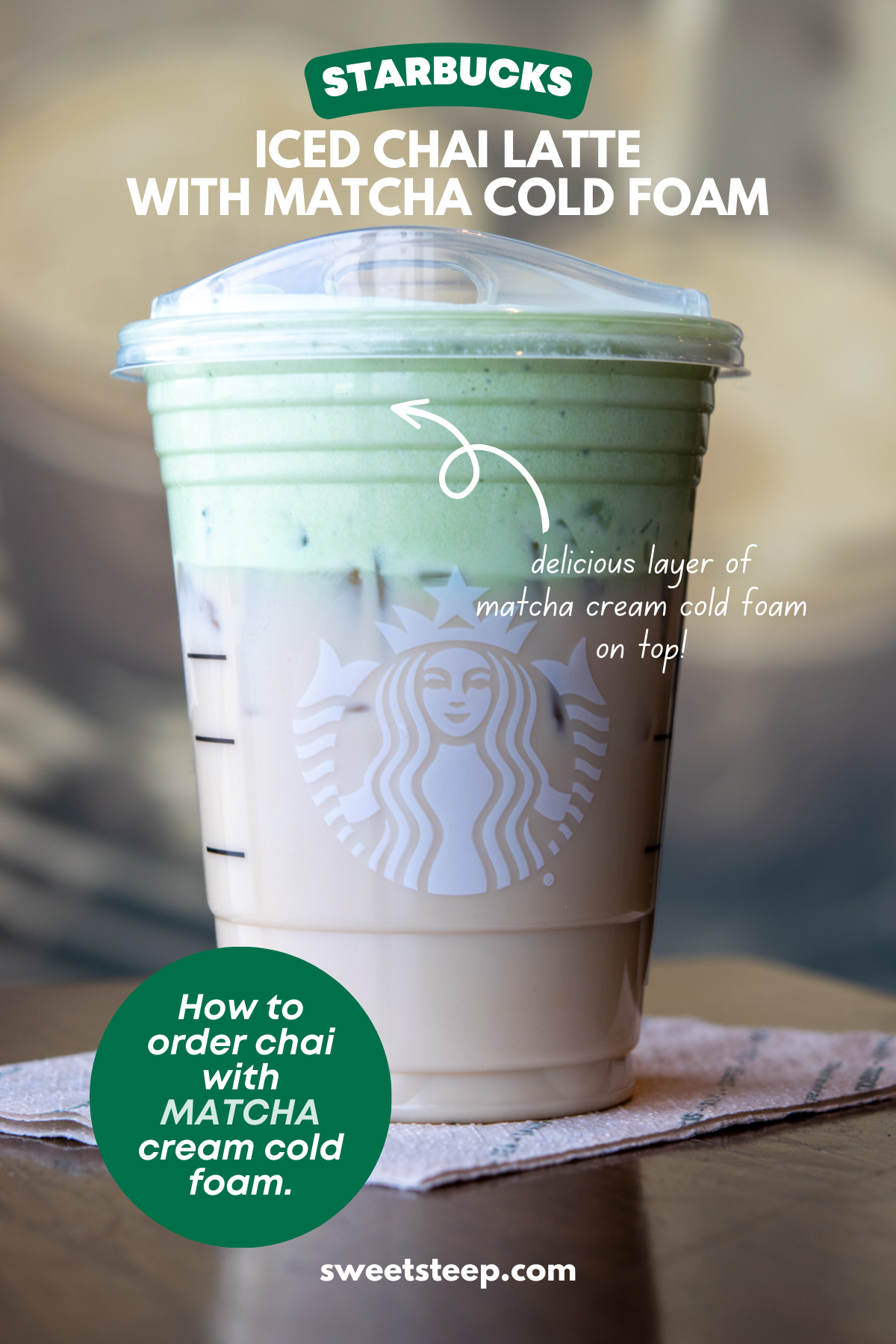
Iced Mango Cream Matcha Starbucks: The Complete Ordering and Recipe Guide
The Iced Mango Cream Matcha is a vibrant fusion beverage that combines the earthy, umami notes of premium green tea with the bright, tropical sweetness of mango. This drink typically consists of a standard iced matcha latte topped with...
The Iced Mango Cream Matcha is a vibrant fusion beverage that combines the earthy, umami notes of premium green tea with the bright, tropical sweetness of mango. This drink typically consists of a standard iced matcha latte topped with a specially prepared mango cream cold foam, providing a multi-textured experience that balances caffeine with a refreshing fruit finish.
Contents
What is the Iced Mango Cream Matcha?
As of 2026, the Iced Mango Cream Matcha has solidified its place as a top-tier customization and a recurring seasonal favorite in various global markets. While Starbucks has experimented with various tea and fruit combinations over the decades, the pairing of matcha and mango represents a sophisticated evolution of the traditional tea latte.
The beverage is built on a foundation of Starbucks Matcha Green Tea Powder, which is a blend of finely ground Japanese green tea and sugar. When shaken with milk and ice, this creates a creamy, vegetal base. The "Mango Cream" element is the defining feature: it is a Cold Foam—a non-heated, aerated milk topping—infused with mango syrup or a concentrated mango puree. This layer sits atop the green tea, slowly bleeding into the matcha to create a visual marble effect and a flavor profile that transitions from sweet cream to savory tea.
Flavor Profile and Texture
The appeal of this drink lies in its contrast. Matcha naturally possesses a slightly bitter, grassy undertone. Mango, conversely, offers a high-sugar, acidic, and floral sweetness. When the mango cream hits the palate first, it prepares the taste buds for the dense, creamy body of the matcha latte. The texture is similarly layered, moving from the light, cloud-like foam to the cold, refreshing liquid below.
How to Order the Iced Mango Cream Matcha at Starbucks
While this drink occasionally appears on the official seasonal menu under names like the "Mango Matcha Latte," it is most frequently ordered as a customized beverage. Navigating the Starbucks POS (Point of Sale) or mobile app requires knowing the specific components to ensure the barista recreates the intended flavor profile.
Ordering via the Starbucks App
The mobile app is the most efficient way to ensure your customization is accurate. Follow these steps:
- Select a Base: Go to the "Iced Teas" or "Iced Lattes" section and select an Iced Matcha Tea Latte.
- Choose Your Milk: While 2% milk is the standard, Coconut Milk is highly recommended for this specific drink, as it complements the tropical mango notes better than dairy.
- Add the Topping: Navigate to the "Toppings" or "Cold Foam" section. Look for Mango Cream Cold Foam. If a dedicated mango foam is not listed as a single button, select "Vanilla Sweet Cream Cold Foam" and add "2 pumps of Mango Syrup" (if available in your region) to the customizations.
- Adjust Sweetness: Since the matcha powder and the mango foam both contain sugar, you may want to select "No Liquid Cane Sugar" to maintain a balanced flavor.
Ordering In-Person (The "Secret Menu" Method)
If the drink is not a featured item, you should order by components rather than by name. You can say: "May I have a Grande Iced Matcha Tea Latte, made with coconut milk, topped with Mango Cream Cold Foam?"
If the barista is unsure how to make the mango foam, you can specify: "Could you blend two pumps of mango syrup into the vanilla sweet cream cold foam?"
Note on Availability: Mango syrup availability varies by season and region. In 2026, many locations carry mango as part of their Refreshers base, which can sometimes be used to flavor the foam if the dedicated syrup is out of stock.
Nutritional Breakdown and Ingredients
Understanding the nutritional impact of the Iced Mango Cream Matcha is essential for those monitoring their intake of sugar or caffeine. Because Starbucks matcha is pre-sweetened, this drink is significantly higher in carbohydrates than a traditional whisked ceremonial matcha.
Key Ingredients
- Matcha Blend: Sugar, ground green tea.
- Milk: Dairy (standard) or plant-based alternatives (almond, oat, soy, coconut).
- Mango Cream Cold Foam: Heavy cream, milk, sugar, mango concentrate, and natural flavors.
- Ice: Filtered water.
Estimated Nutritional Values (Grande 16 oz)
| Component | Estimated Value |
|---|---|
| Calories | 320 - 380 kcal |
| Total Fat | 12g - 15g |
| Total Carbohydrates | 45g - 55g |
| Sugars | 40g - 50g |
| Protein | 6g - 9g |
| Caffeine | 80mg |
Values fluctuate based on milk choice and the specific volume of cold foam applied.
Customization Tips: Making it Your Own
The beauty of the Iced Mango Cream Matcha is its versatility. Depending on your dietary needs or flavor preferences, you can adjust the drink significantly.
Milk Alternatives and Their Impact
- Coconut Milk: This is the gold standard for mango pairings. The natural fats in coconut milk enhance the tropical aroma and provide a thinner, more refreshing body than dairy.
- Oat Milk: Choose oat milk if you prefer a "toasted" flavor. Its natural sweetness pairs well with matcha but can sometimes overshadow the delicate mango notes.
- Soy Milk: Provides the highest protein content and a creamy finish, though it may add a vanilla-like undertone that competes with the mango.
Managing Sweetness and Intensity
- Extra Matcha: If you prefer a stronger tea flavor and a deeper green color, ask for "2 extra scoops of matcha." This will also slightly increase the caffeine content.
- Light Ice: To prevent the drink from becoming watered down—especially important since the cold foam is dense—ordering "light ice" allows for more of the latte base.
- Add inclusions: For a texture contrast, some customers add a scoop of freeze-dried dragonfruit or pineapple, which adds acidity and a pop of color to the green and orange-yellow palette.
How to Make an Iced Mango Cream Matcha at Home
With the price of specialty Starbucks drinks reaching $6.50 to $8.00 in 2026, many tea enthusiasts prefer the DIY route. Recreating the "Mango Cream" at home requires a handheld milk frother.
Ingredients Needed:
- 1 tsp high-quality ceremonial or culinary matcha powder.
- 2 oz warm water (not boiling).
- 8 oz milk of choice (Coconut or Oat recommended).
- 1 tbsp Mango syrup or 2 tbsp mango puree.
- 3 tbsp Heavy whipping cream (for the foam).
- 1 tbsp Milk (to thin the foam).
- Ice.
Step-by-Step Instructions:
- Prepare the Matcha: Sift the matcha powder into a bowl to remove clumps. Add the warm water (approx. 175°F / 80°C) and whisk vigorously in a "W" motion until a frothy layer forms.
- Sweeten (Optional): If using unsweetened matcha, add a teaspoon of honey or agave to the warm tea.
- Create the Mango Foam: In a separate small glass, combine the heavy whipping cream, 1 tbsp of milk, and the mango syrup/puree. Use a handheld frother for 30–45 seconds until it reaches a thick, pourable consistency (similar to melted ice cream).
- Assemble: Fill a tall glass with ice. Pour in your 8 oz of milk, followed by the whisked matcha.
- Top it Off: Gently pour the mango cream cold foam over the top. The foam should float on the surface before slowly cascading down.
Technical Comparison: Iced Mango Cream Matcha vs. Standard Options
| Feature | Standard Iced Matcha Latte | Iced Mango Cream Matcha | Mango Dragonfruit Refresher |
|---|---|---|---|
| Primary Base | Milk + Matcha | Milk + Matcha | Water/Juice + Green Coffee |
| Topping | None | Mango Cream Cold Foam | Dried Fruit |
| Caffeine Source | Green Tea | Green Tea | Green Coffee Extract |
| Texture | Smooth/Liquid | Layered/Creamy | Light/Crisp |
| Dominant Flavor | Earthy/Sweet | Earthy/Tropical/Creamy | Sweet/Tart/Fruity |
Frequently Asked Questions
Does the Iced Mango Cream Matcha contain caffeine?
Yes, it contains caffeine derived from the matcha green tea powder. A standard Grande (16 oz) contains approximately 80mg of caffeine. While this is lower than a Grande brewed coffee (approx. 310mg), it provides a more sustained energy release due to the presence of L-theanine in the tea.
Is the mango flavor from real fruit?
At Starbucks, the mango flavor typically comes from a concentrated syrup or a fruit base used in their "Refreshers" line. While these contain fruit juice concentrates, they also include natural flavors and citric acid for shelf stability and consistency. For a "real fruit" version, a DIY recipe using fresh mango puree is recommended.
Can I make this drink vegan?
Yes, but you must modify the "Cream" portion. Starbucks' standard Cold Foam is made with dairy (heavy cream and nonfat milk). To make it vegan, you can ask for a topping of Oatmilk Cold Foam or Soymilk Cold Foam flavored with mango syrup, though these plant-based foams are typically less dense than the dairy-based version.
Why does my matcha sometimes taste gritty?
Grittiness occurs when the matcha powder is not properly incorporated into the liquid. In the Iced Mango Cream Matcha, Starbucks baristas "shake" the matcha with milk and ice to emulsify the powder. If you are making it at home, sifting the powder and using a bamboo whisk (chasen) or an electric frother is vital to prevent clumping.
Is this drink available year-round?
Availability depends on your local Starbucks' inventory of mango-flavored components. While Matcha is a permanent menu item, mango syrup is occasionally a seasonal offering. However, in 2026, the high demand for tropical tea variants has led many flagship stores to carry mango components as a year-round staple for customization.
Practical Recommendation
For the best experience, order the Iced Mango Cream Matcha with Coconut Milk. The fat content in the coconut milk acts as a bridge between the earthy matcha and the bright mango foam, preventing the flavors from feeling "separated." If you are looking to reduce sugar, skip the liquid cane sugar in the base, as the mango foam provides ample sweetness for the entire 16 oz beverage.
Image Gallery