Term vs. Lifetime Insurance: Which Life Insurance Policy Fits Your 2026 Financial Plan?
Choosing between term and lifetime insurance depends on whether you need a temporary safety net or a permanent financial asset. Term insurance offers high coverage for a specific period at a low cost, while lifetime (permanent) insuran...
Choosing between term and lifetime insurance depends on whether you need a temporary safety net or a permanent financial asset. Term insurance offers high coverage for a specific period at a low cost, while lifetime (permanent) insurance provides lifelong protection and a cash-value component that grows over time for estate planning.
Contents
Deciding on life insurance in 2026 requires a nuanced understanding of how these two distinct vehicles function within a modern portfolio. As inflation and market volatility continue to influence long-term financial stability, the choice between the simplicity of a term policy and the complexity of lifetime coverage—often referred to as permanent life insurance—has never been more significant. This guide analyzes the mechanics, costs, and strategic applications of both to help you secure the right protection for your dependents and your legacy.
Understanding the Mechanics of Term Life Insurance
Term life insurance is the most straightforward form of life insurance. It is designed to provide coverage for a specific "term" or period, typically ranging from 10 to 30 years. In 2026, many providers have introduced flexible terms, such as 15- or 25-year options, to better align with modern mortgage lengths and child-rearing timelines.
The primary function of term insurance is pure protection. You pay a set premium, and in exchange, the insurance company promises to pay a specific death benefit to your beneficiaries if you pass away during the term. If you outlive the policy, the coverage simply ends, and there is no residual value or payout.
Why Term Insurance Remains Popular
The dominance of term insurance in the consumer market is largely due to its affordability. Because the insurance company is only taking the risk that you might die within a specific window—and because many people outlive their terms—the premiums are significantly lower than permanent options. This allows individuals to purchase substantial death benefits (e.g., $1 million or more) for a relatively small monthly fee, ensuring that major debts like mortgages or future college tuitions are covered during the years when the family is most financially vulnerable.
Conversion Riders and Portability
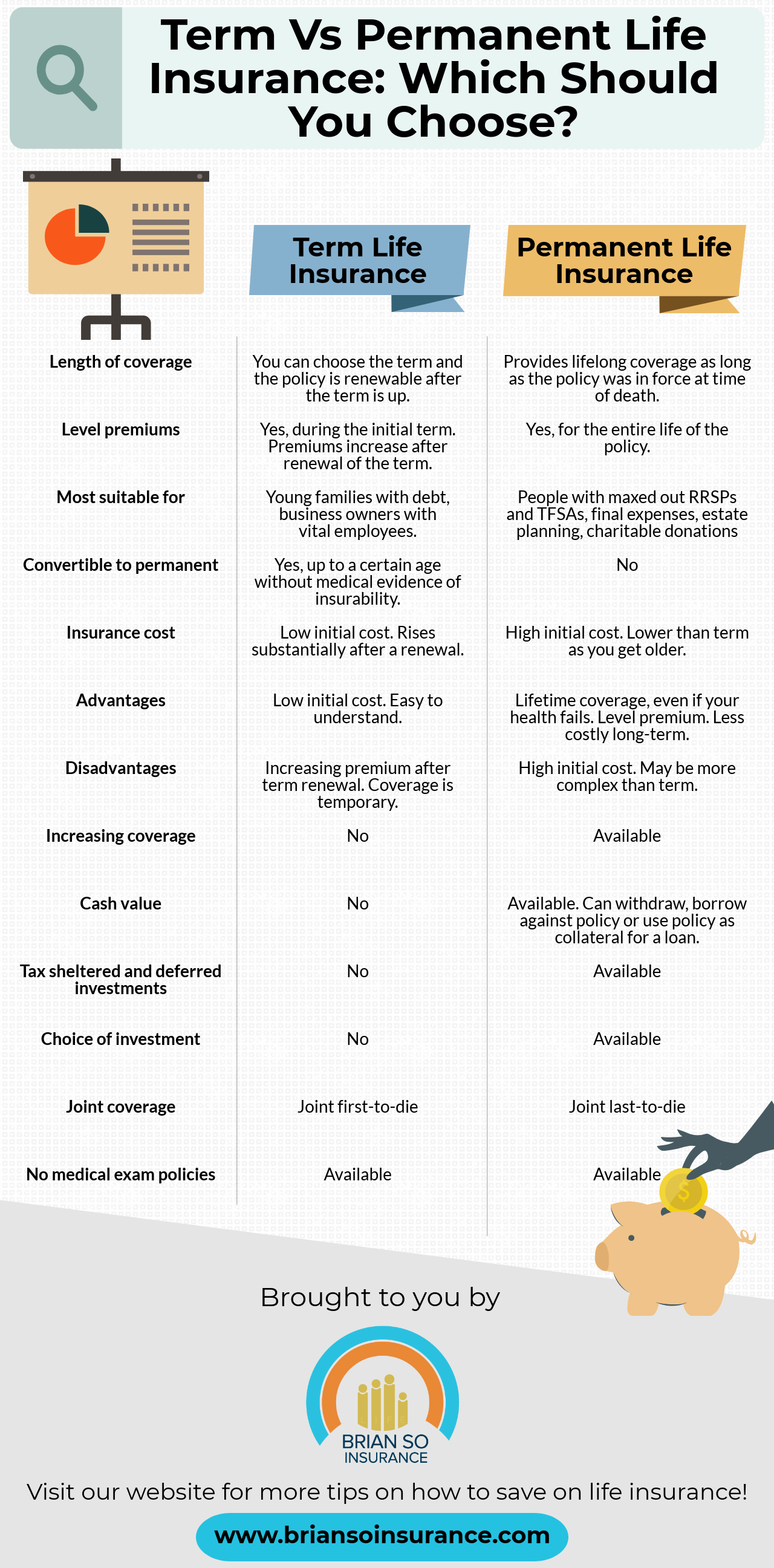
A critical feature to look for in 2026 is the convertibility rider. Most modern term policies allow the policyholder to convert their term coverage into a permanent lifetime policy without undergoing a new medical exam. This is a vital safeguard if your health declines during the term, as it guarantees you can maintain coverage for the rest of your life even if you would otherwise be uninsurable.
The Architecture of Lifetime (Permanent) Insurance
Lifetime insurance, commonly known as permanent life insurance, is an umbrella term that includes Whole Life, Universal Life, and Variable Universal Life. Unlike term insurance, these policies are designed to remain in force for the duration of the insured’s life, provided the premiums are paid.
The Two-Fold Value Proposition
Lifetime insurance consists of two main components: the death benefit and the cash value.
- The Death Benefit: This is the amount paid to beneficiaries. Because it is a "permanent" policy, the payout is a certainty rather than a possibility (unless the policy lapses), which is why premiums are higher.
- The Cash Value: A portion of your premium is diverted into an internal account that grows on a tax-deferred basis. In 2026, interest-crediting rates on these accounts have remained competitive with other low-risk fixed-income assets, making them an attractive "safe money" bucket for diversified portfolios.
Accessing the Cash Value
One of the most touted benefits of lifetime insurance is the ability to access the accumulated cash value. Policyholders can take out loans against the death benefit or make direct withdrawals. These funds can be used for any purpose, such as supplementing retirement income or funding a business venture. However, it is important to note that unpaid loans will reduce the final death benefit paid to heirs.
Key Differences: A Comparative Analysis
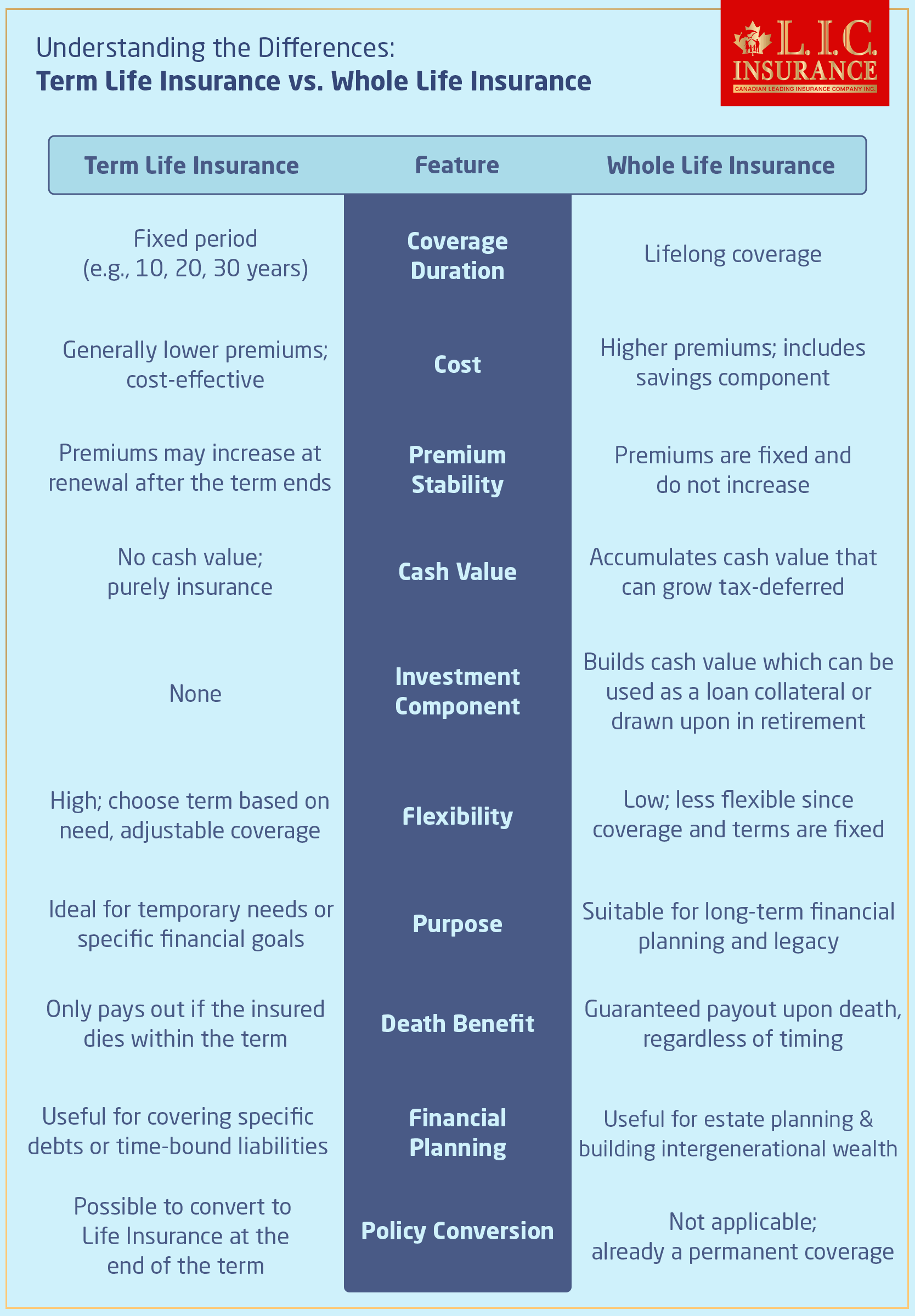
To choose effectively, you must compare the operational differences between these two products. Below is a detailed breakdown of how they stack up across various financial metrics.
| Feature | Term Life Insurance | Lifetime (Permanent) Insurance |
|---|---|---|
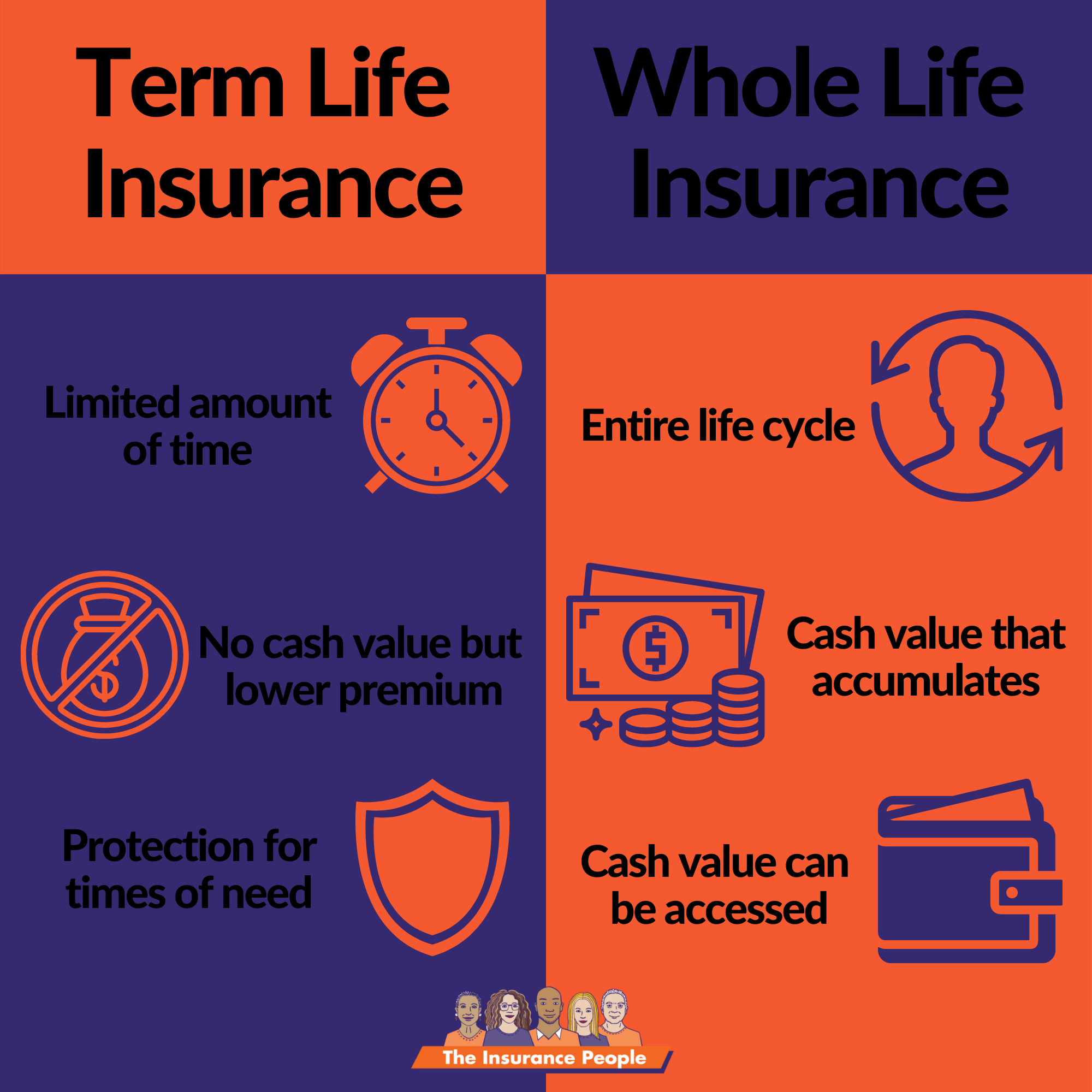
| Coverage Duration | Fixed period (10–30 years) | Entire life |
| Premium Cost | Initially low; increases if renewed | Higher; usually level for life |
| Cash Value Growth | None | Yes; tax-deferred growth |
| Complexity | Low; easy to understand | High; requires active management |
| Main Purpose | Income replacement / Debt coverage | Estate planning / Wealth transfer |
| Tax Benefits | Tax-free death benefit | Tax-free death benefit + Tax-deferred growth |
| Flexibility | Limited to term length | High (loans, withdrawals, adjustable premiums) |
Assessing the Cost-to-Value Ratio
In 2026, the cost of insurance is influenced by sophisticated digital underwriting. Term insurance remains the most cost-effective way to manage high-impact risks. For example, a healthy 35-year-old might pay $30–$50 per month for a 20-year term policy with a $500,000 benefit.
Conversely, a lifetime policy with the same death benefit could cost ten times as much. The "value" in that higher premium is the certainty of the payout and the creation of an asset. When evaluating the cost, you must ask: "Am I buying insurance to cover a temporary risk, or am I using it as a financial tool?"
The "Buy Term and Invest the Difference" Strategy
A common financial philosophy is to purchase inexpensive term insurance and invest the money saved (the difference between the term premium and the lifetime premium) into the stock market or retirement accounts like a 401(k) or IRA. Historically, this often yields a higher total return. However, lifetime insurance provides a "forced savings" mechanism and a level of asset protection that traditional brokerage accounts may not offer, depending on your jurisdiction.
Strategic Use Cases for Each Policy Type
When to Choose Term Insurance
- Young Families: If you have young children and a mortgage, your primary goal is to ensure they are provided for until the kids are independent and the house is paid off.
- Business Owners: Term insurance is often used for "Key Person" insurance or to collateralize business loans that have a set payoff date.
- Strict Budgeters: If you need maximum coverage but have limited monthly cash flow, term is the only viable option to ensure your family isn't under-insured.
When to Choose Lifetime Insurance
- Estate Liquidity: If you have a large estate that will be subject to taxes, a permanent policy provides the liquidity needed to pay those taxes without forcing the sale of other assets like real estate or a family business.
- Lifelong Dependents: If you have a child with special needs who will require financial support long after you are gone, a permanent policy ensures funds are available whenever the inevitable occurs.
- High Net Worth Individuals: For those who have already maximized their contributions to traditional tax-advantaged accounts, the cash value of a permanent policy offers another avenue for tax-deferred growth.
Common Pitfalls to Avoid in 2026
The landscape of insurance is filled with nuances that can lead to costly mistakes.
- Underestimating Coverage Needs: Many people only consider their mortgage, forgetting that inflation (even at 2026 levels) erodes the purchasing power of a death benefit. It is often recommended to aim for 10–15 times your annual income.
- Treating Life Insurance as Your Only Investment: While lifetime insurance has an investment component, its primary purpose is still protection. It should complement, not replace, a diversified portfolio of equities and bonds.
- Lapsing on Permanent Policies: If you buy a lifetime policy but find the premiums too high to maintain, you might lapse the policy in its early years. This can result in significant losses due to surrender charges and the fact that most early-year premiums go toward commissions and administrative costs rather than cash value.
- Ignoring the "Fine Print" on Dividends: If you choose a "participating" whole life policy, dividends are not guaranteed. In 2026, with shifting interest rates, it is crucial to review the "illustrated" vs. "guaranteed" values of the policy before signing.
The Role of Digital Underwriting and AI in 2026
As of 2026, the process of applying for both term and lifetime insurance has been revolutionized by AI-driven underwriting. Many applicants can now receive "instant issue" term policies without a fluid-based medical exam, provided their digital health records and wearable device data (if shared) indicate low risk.
For lifetime insurance, which involves higher stakes for the carrier, the underwriting is still more rigorous but significantly faster than in previous decades. This technological shift has made it easier to compare quotes in real-time, but it also means that your lifestyle choices—as reflected in your digital footprint—carry more weight in determining your premium.
Next Steps: How to Decide
To determine which path is right for you, start by calculating your "Duration of Need." If your financial obligations have an expiration date (like a 20-year mortgage), Term Insurance is likely the most efficient tool. If your needs are open-ended or you are looking for a tax-advantaged way to pass on wealth, Lifetime Insurance deserves a place in your discussion with a financial advisor.
Before committing, request a "Policy Illustration" for any permanent policy you are considering. This document will show you exactly how the cash value is projected to grow and what the guaranteed minimums are. For term insurance, focus on the "A.M. Best" or "S&P" rating of the carrier to ensure they have the long-term financial strength to pay out a claim decades from now.
Financial security is not a "set it and forget it" task. Review your coverage every three years or after major life events—such as the birth of a child, a marriage, or a significant increase in income—to ensure your choice of term or lifetime insurance still aligns with your 2026 goals.
Image Gallery