The Real Batmobile Horsepower Revealed: Engineering Truths Behind the Caped Crusader’s Garage
When exploring the real Batmobile horsepower revealed across various cinematic eras, automotive enthusiasts find that reality often rivals Hollywood fiction. Depending on the specific iteration—from the custom turbine-powered machines...
When exploring the real Batmobile horsepower revealed across various cinematic eras, automotive enthusiasts find that reality often rivals Hollywood fiction. Depending on the specific iteration—from the custom turbine-powered machines of the late 20th century to the heavy-duty, military-grade Tumbler and the muscle-bound 1970s Corvette-inspired cruiser in recent films—certified horsepower ranges anywhere from 500 to well over 1,500 horsepower, heavily dependent on whether the vehicle relies on custom jet engines, heavy-duty American V8 blocks, or specialized electric drivetrains.
Contents
Understanding the Myth Versus Reality of On-Screen Muscle
For decades, the Caped Crusader's primary ride has captured the imagination of moviegoers, sparking intense debates about what powers these fictional icons. In the cinematic universe, lore often suggests infinite power sources, nuclear reactors, or military-classified propulsion systems. However, looking at the actual build sheets, chassis modifications, and engine blocks used by movie prop fabricators, stunt drivers, and specialty custom car builders reveals a fascinating blend of high-performance automotive engineering and cinematic illusion.
To understand the real numbers, one must separate the theatrical marketing figures from the mechanical reality of what sits beneath the fiberglass, carbon fiber, and steel plate armor. While a movie script might claim a vehicle runs on jet fuel and produces infinite thrust, the mechanics turning the wrenches are usually dealing with heavily tuned GM V8 engines, custom tube-frame chassis, and specialized suspension components designed to withstand the brutal demands of jump ramps and high-speed pursuit sequences.
The Evolution of Batmobile Powerplants Across Eras
The Classic Custom Era (1966 George Barris Tumbler and Precursors)
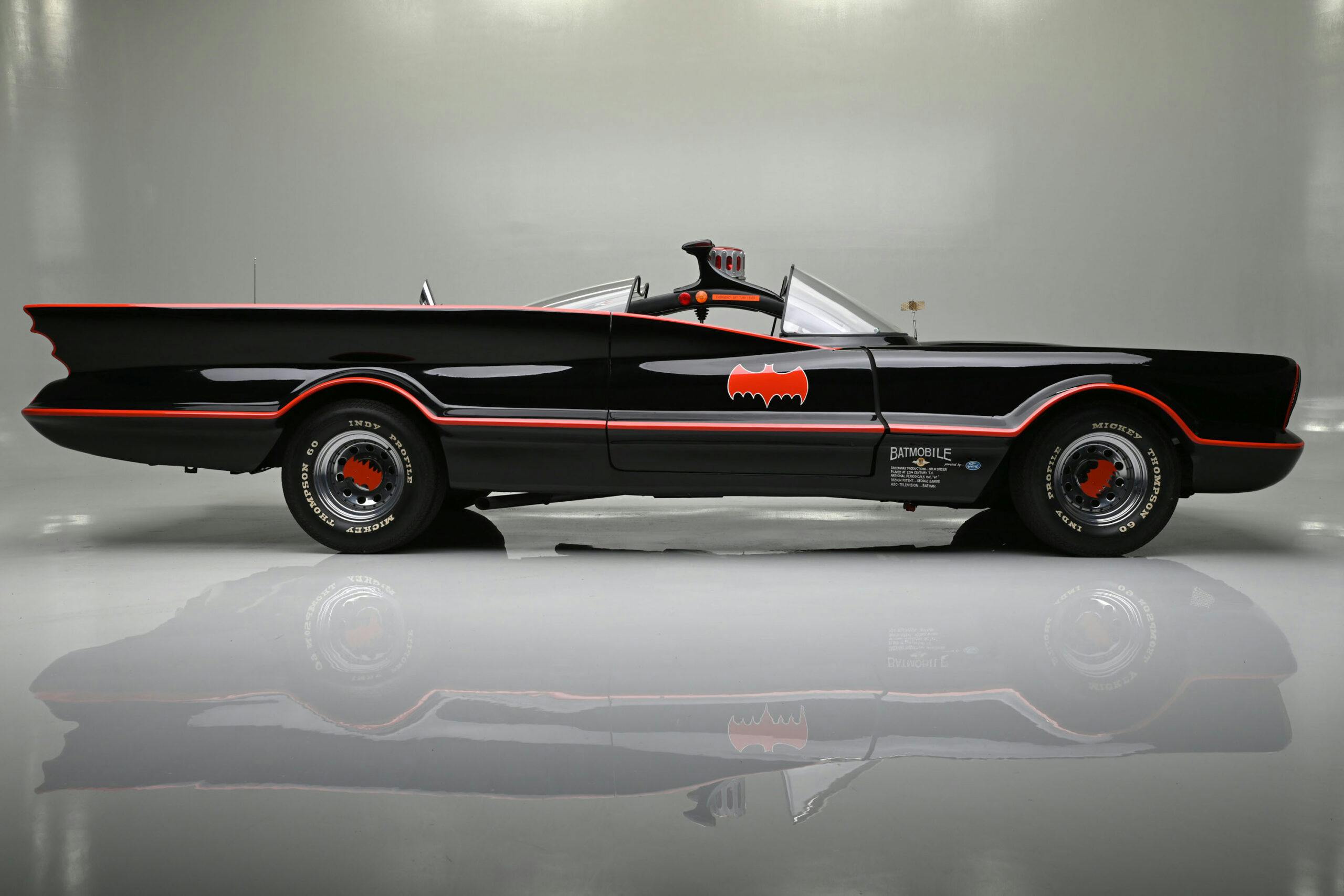
The iconic 1966 television Batmobile, custom-built by George Barris on the chassis of a rare 1955 Lincoln Futura concept car, relied on a relatively modest powerplant by modern standards. Underneath its futuristic, double-bubble canopy sat a 390-cubic-inch Ford FE V8 engine paired with a B&M Hydro-Automatic transmission.
- Engine Type: 390 cu in (6.4 L) Ford V8
- Original Output: Approximately 300 horsepower
- Real-World Performance: While period tests suggested respectable acceleration for a heavy custom show car, its primary function was visual impact rather than high-speed track performance. Later restorations upgraded the internal components, but the historical footprint remains rooted in classic mid-1960s Detroit muscle.
The Tim Burton Gothic Era (1989–1992)
Director Tim Burton’s dark, Gothic vision introduced a sleek, elongated machine that looked like a cross between a fighter jet and a classic land speed record car. Designed by Anton Furst, this iteration utilized a modified Chevrolet Impala chassis.
- Prop Engine Reality: Early promotional material and behind-the-scenes engineering documentaries revealed that the production models utilized a Chevrolet V8 engine, though some versions were fitted with fake turbine intakes.
- Estimated Output: Approximately 350 to 450 horsepower, depending on the specific stunt or hero car configuration used during filming. The weight of the fiberglass body panels and heavy chassis required substantial low-end torque rather than top-end speed.
The Military-Grade Tumbler (2005–2012)
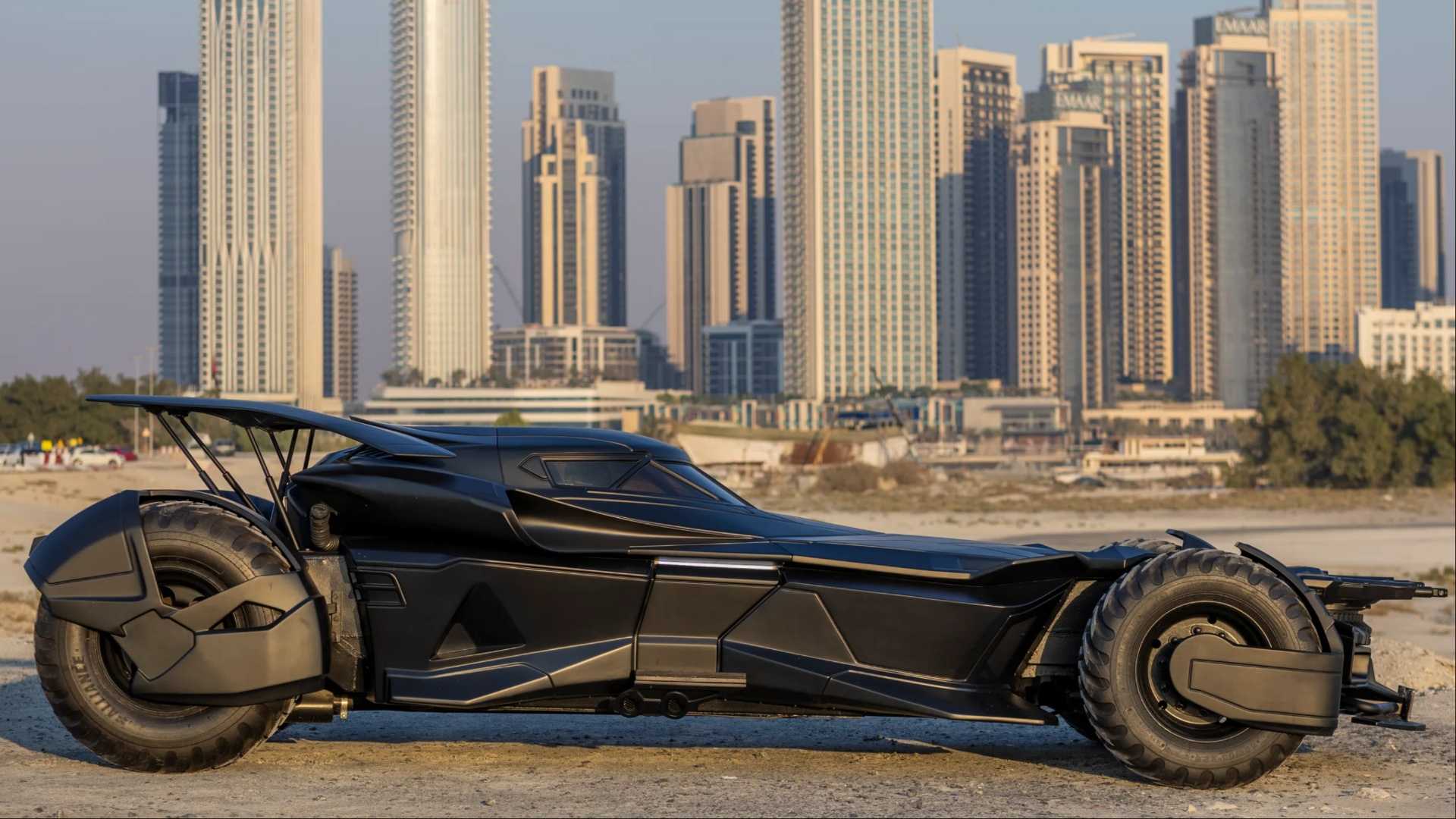
Christopher Nolan’s The Dark Knight trilogy completely redefined the vehicle, abandoning sleek styling for a brutalist, urban-assault tank known as the Tumbler. This machine was not a fiberglass shell on a car frame; it was a fully functional, custom-built tubular steel off-road vehicle.
- The Engine: A massive 5.7-liter (350 cubic inch) Chevrolet small-block V8 engine.
- Horsepower Rating: Officially reported by stunt coordinators and vehicle fabricators to produce roughly 500 horsepower.
- Torque and Capability: Delivering massive torque to oversized 44-inch Super Swamper tires, the Tumbler could accelerate from 0 to 60 mph in approximately 5.9 seconds—an astonishing feat for a vehicle weighing over 2.5 tons and built to withstand real 30-foot jumps without collapsing its suspension.
The Fabricated Muscle of the Modern Era (2022–Present)
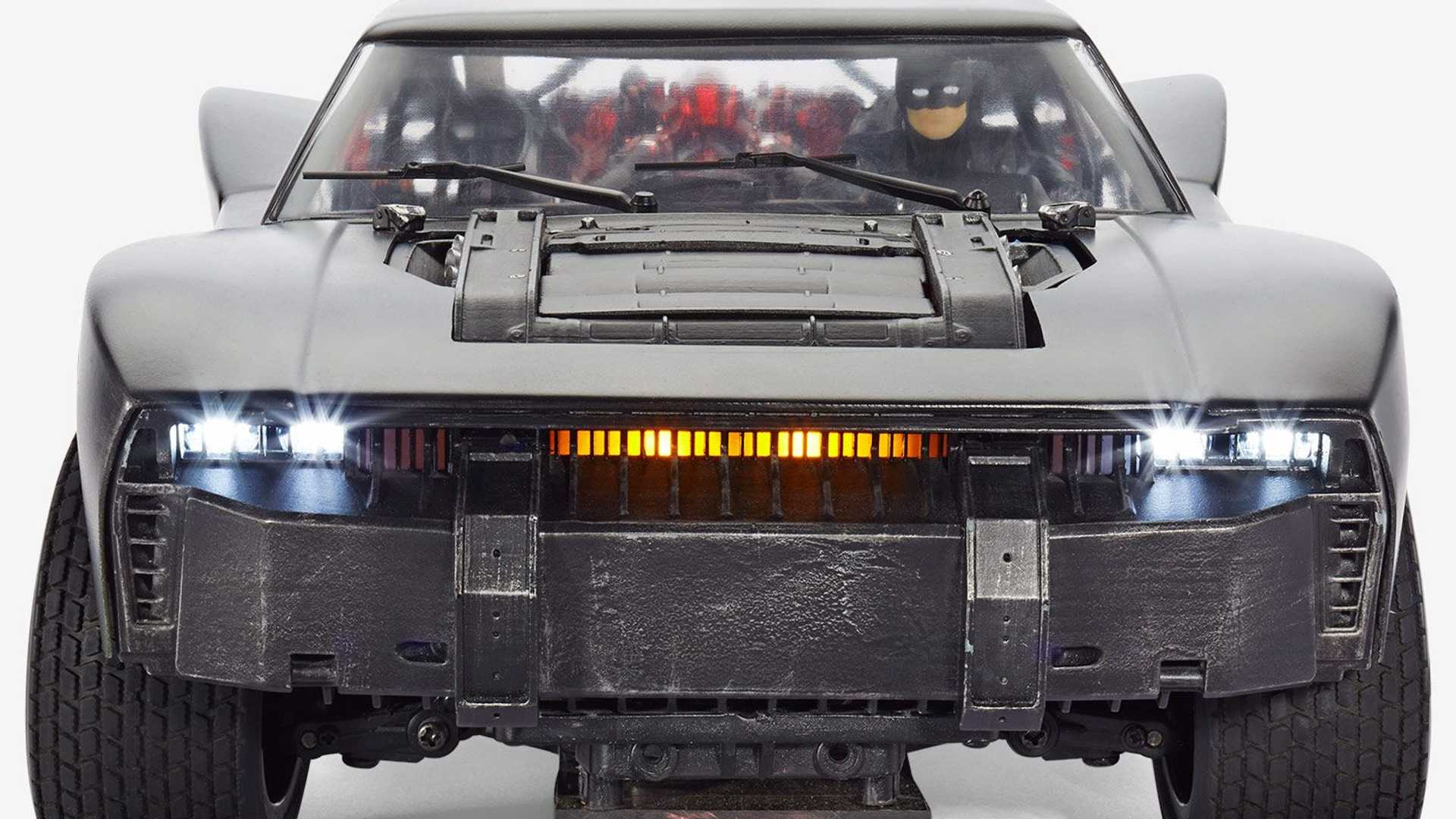
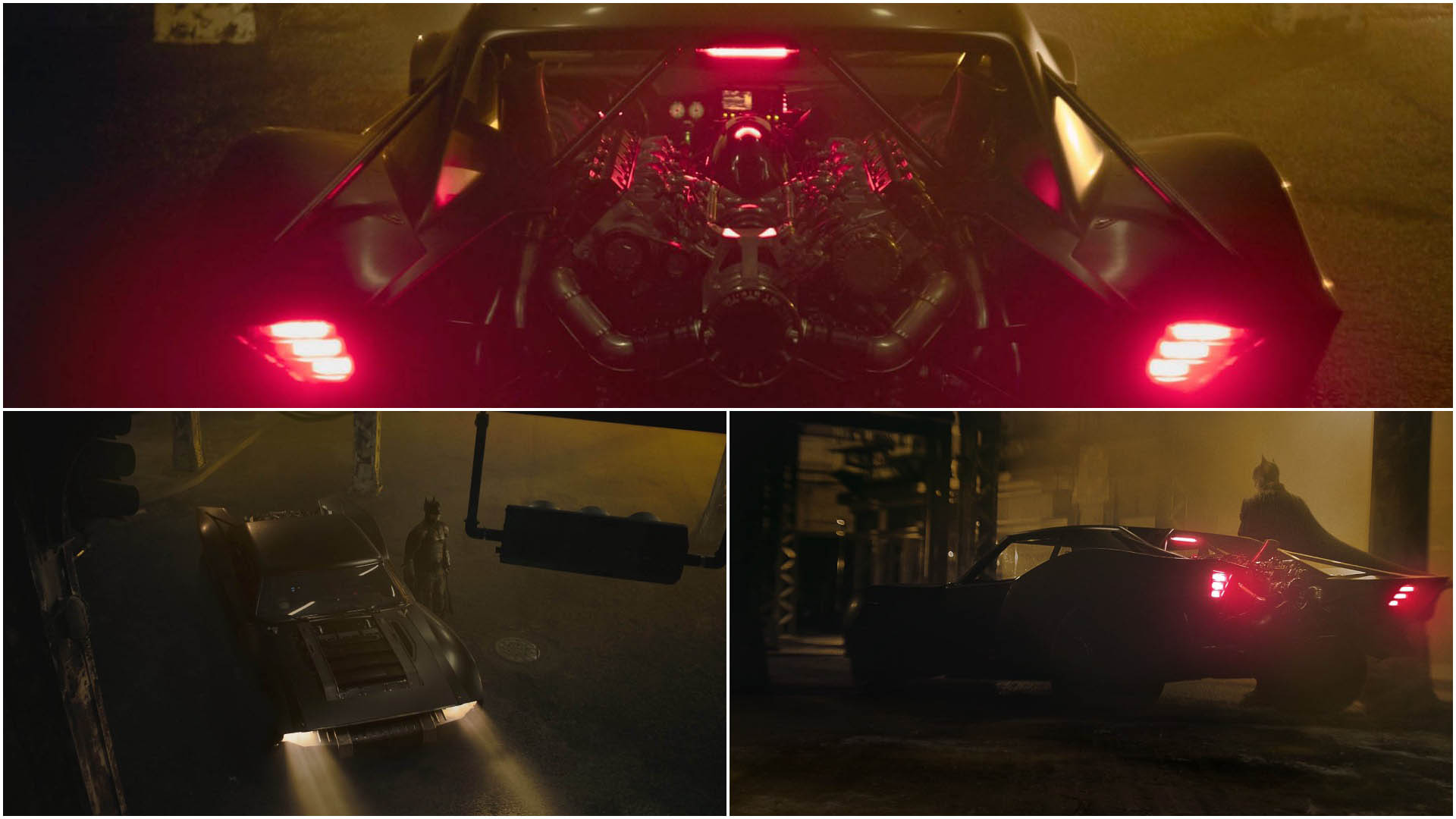
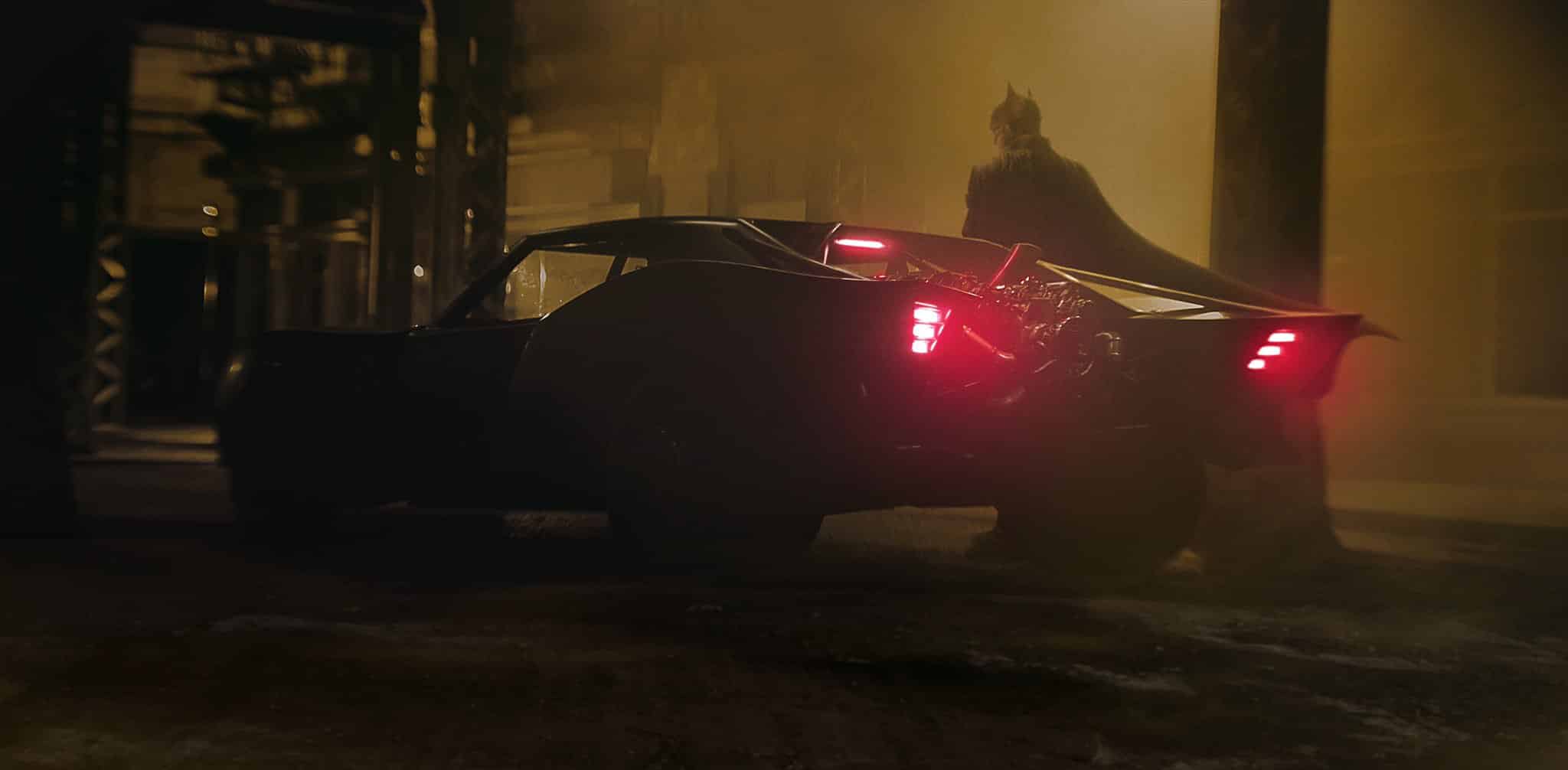
Recent cinematic iterations shifted the aesthetic back toward a modified, heavily armored muscle car built on a custom tubular frame designed to look like a mid-engine custom creation reminiscent of a 1970s Dodge Challenger or Plymouth Barracuda.
- The Powerplant: A massive American V8, frequently utilizing a supercharged configuration to pump out thick plumes of tire smoke on cue.
- Estimated Output: Reports from automotive builders indicate power outputs ranging between 600 and 700 horsepower, optimized for heavy throttle sliding and controlled drifting on wet, slick Gotham-style set designs.
| Era / Vehicle Model | Base Chassis / Foundation | Engine Type | Verified / Estimated Horsepower | Primary Performance Focus |
|---|---|---|---|---|
| 1966 TV Series | 1955 Lincoln Futura | Ford 390 FE V8 | ~300 HP | Show styling & moderate cruiser performance |
| 1989 Burton Era | Chevrolet Impala | Chevrolet V8 | ~350–450 HP | Cinematic presence & straight-line acceleration |
| 2005 The Tumbler | Custom Tubular Steel Frame | GM 5.7L Small-Block V8 | ~500 HP | Off-road durability, heavy jumping & brute force |
| Modern Era (2022) | Custom Mid-Engine Frame | Supercharged American V8 | ~600–700 HP | High-torque drifting & aggressive pursuit handling |
Engineering Challenges in Building a Real Functional Super-Car
Transforming a comic book concept into a drivable machine presents extraordinary engineering hurdles that go far beyond simply dropping a powerful engine under a custom hood. Vehicle dynamics engineers face unique constraints when balancing weight distribution, driver visibility, and structural integrity.
Weight Distribution and Aero Loads
Most cinematic hero cars suffer from severe weight imbalances. Because the front ends often feature massive aerodynamic cowlings, faux weaponry, or heavy jet-turbine assemblies, the center of gravity shifts dangerously forward. Builders must install heavy-duty adjustable coil-over shock absorbers, reinforced anti-sway bars, and custom ballast in the rear to ensure the vehicle does not understeer violently during high-speed cornering.
Cooling Systems and Thermal Management
Confining a high-output V8 engine inside a tightly sealed fiberglass or armored body creates severe heat retention issues. Without proper airflow, engines quickly overheat during prolonged stunt filming. Real-world builders combat this by installing multi-core aluminum racing radiators, high-flow electric auxiliary fans, and custom-routed ductwork hidden within the body panels to channel ambient air directly across the engine block and transmission coolers.
Frequently Asked Questions
Do any real Batmobiles actually use jet engines?
While cinematic lore frequently attributes jet propulsion or rocket boosters to the vehicle, actual operational stunt cars rarely use true jet turbines due to extreme fuel consumption, uncontrollable low-speed throttle response, and safety hazards on closed sets. When jet sounds are heard on screen, they are almost universally added during post-production sound design, while the physical vehicle relies on highly tuned, loud internal combustion V8 engines.
How fast can a real movie-prop vehicle actually go?
Top speeds vary wildly depending on the build. While high-speed chase scenes are often filmed using specialized camera cars or edited together from multiple takes, vehicles like the Tumbler were engineered to safely exceed 100 mph (160 km/h) on specialized test tracks, despite their heavy armor and oversized off-road tires.
Are these vehicles street legal?
Most on-screen hero cars are not street legal out of the box because they lack standard safety equipment such as proper bumper heights, emissions controls, and clear driver sightlines. However, dedicated collectors and specialty custom shops occasionally build street-legal replicas that comply with local Department of Motor Vehicles regulations by modifying ride heights, adding functional turn signals, and securing custom registration titles.
Why do most versions rely on Chevrolet V8 engines?
Custom car builders overwhelmingly choose small-block and big-block Chevrolet V8 engines because they offer an unmatched combination of raw reliability, massive aftermarket support, affordable replacement parts, and straightforward tuning potential. If a stunt driver blows an engine during a demanding jump sequence, mechanics can repair or replace a standard GM block much faster than a rare exotic motor.
Summary and Practical Next Actions
Uncovering the real horsepower behind cinematic history proves that while Hollywood enhances the myth with sound effects and fictional fuel sources, the underlying machines are triumphs of custom automotive fabrication. Whether examining the 500-horsepower heavy-duty frame of the Tumbler or the classic V8 roar of the 1966 original, these vehicles rely on real-world engineering to deliver legendary performances. For automotive enthusiasts looking to study these builds further, exploring documentaries from specialty fabricators like Warner Bros. Studio Tour workshops or custom car builder portfolios offers a transparent look into how these mechanical icons come to life.
Image Gallery