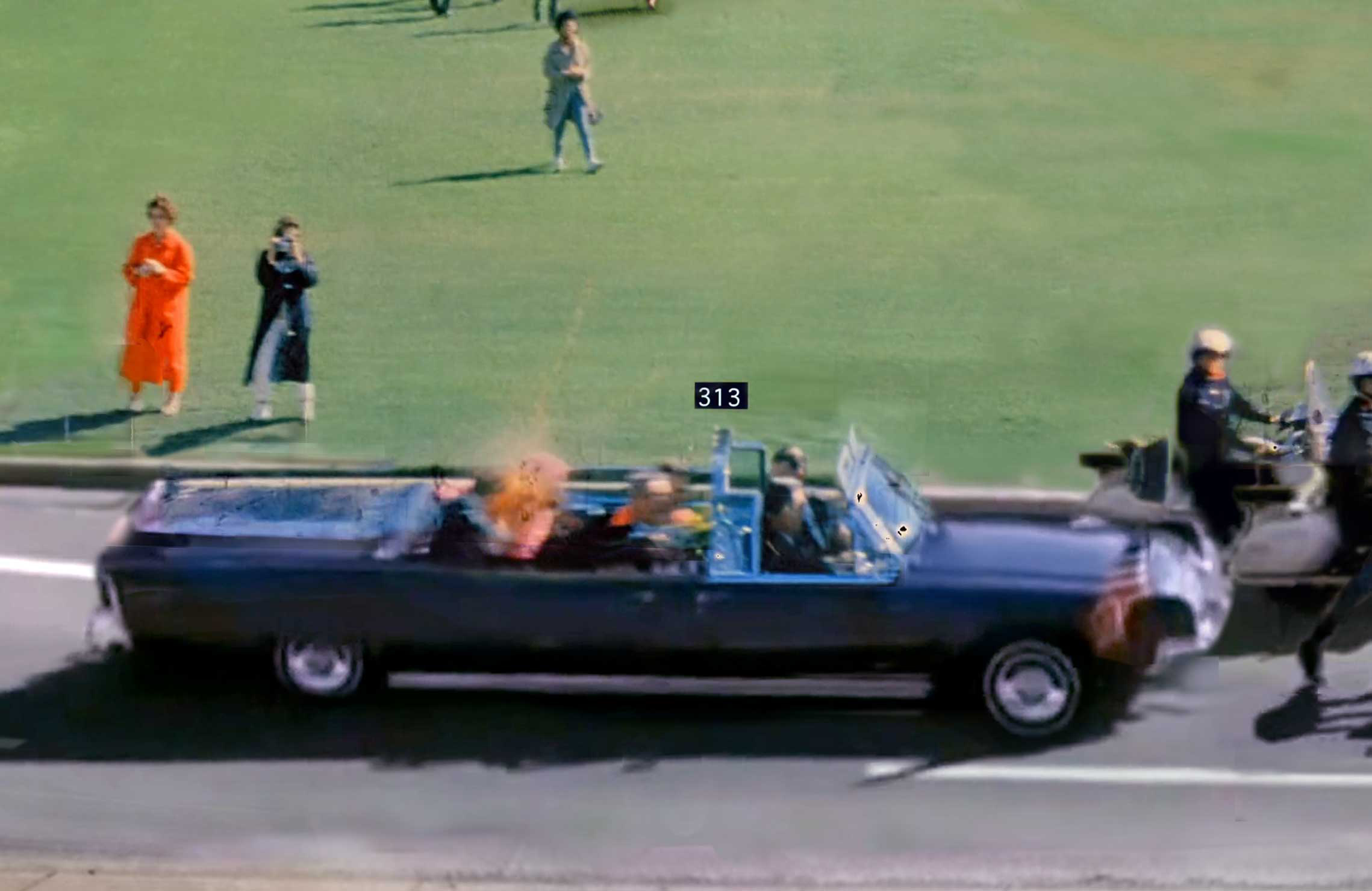
The Far-Reaching Consequences of the Assassination of President John F. Kennedy
The assassination of President John F. Kennedy on November 22, 1963, fundamentally altered the trajectory of American governance, domestic policy, and foreign relations. Beyond the immediate shock to the national psyche, the event cata...
The assassination of President John F. Kennedy on November 22, 1963, fundamentally altered the trajectory of American governance, domestic policy, and foreign relations. Beyond the immediate shock to the national psyche, the event catalyzed a shift in executive power, forced the legislative passage of the stalled Civil Rights Act, and intensified the Cold War dynamics that would define the remainder of the 20th century.
Contents
Transition of Power and the Rise of the "Johnson Treatment"
The immediate consequence of the assassination was the swearing-in of Vice President Lyndon B. Johnson aboard Air Force One. This transition initiated an era of aggressive legislative maneuvering. Johnson, a master of congressional procedure, leveraged the mourning of the nation to push through President Kennedy’s stagnant "New Frontier" agenda.
Johnson framed the passage of Kennedy’s legislative priorities as a moral imperative to honor the fallen leader. This strategic framing was instrumental in breaking the logjam in Congress, particularly regarding the Civil Rights Act of 1964. By invoking Kennedy’s legacy, Johnson successfully pressured Southern Democrats to abandon their filibuster efforts, fundamentally changing the legal landscape of American social rights.
The Legislative Legacy: Civil Rights and the Great Society
The death of Kennedy created a political vacuum that Johnson filled with the "Great Society" programs. These initiatives aimed to eliminate poverty and racial injustice, building upon the foundations laid during the Kennedy administration.
The Civil Rights Act of 1964
Perhaps the most enduring legislative outcome of the post-Kennedy atmosphere was the landmark Civil Rights Act. The bill, which had faced immense opposition, was propelled by the national momentum generated in the wake of the assassination. It effectively ended segregation in public places and banned employment discrimination based on race, color, religion, sex, or national origin.
The War on Poverty
Johnson’s "War on Poverty" expanded the federal government's role in social welfare. Programs like Medicare and Medicaid, established shortly after the transition, transformed the relationship between the state and its citizens. These social safety nets were marketed as the fulfillment of the domestic policy goals that Kennedy had identified but had not yet secured the political capital to enact.
Foreign Policy and the Escalation in Vietnam
While domestic policy saw rapid progression, the foreign policy consequences were marked by increased volatility. Kennedy had expressed reservations about the scale of American involvement in Southeast Asia; however, his assassination occurred at a pivotal moment in the conflict.
Johnson, inheriting a deteriorating situation in South Vietnam, moved away from the cautious approach of his predecessor. The Gulf of Tonkin Resolution, passed in 1964, provided the executive branch with the authority to engage in conventional military operations without a formal declaration of war. Historians often debate the extent to which Kennedy would have withdrawn, but the post-assassination reality was an immediate and sustained escalation that defined the late 1960s.
The Warren Commission and the Crisis of Public Trust
The assassination also triggered a profound shift in the American relationship with government institutions. The establishment of the President's Commission on the Assassination of President John F. Kennedy—commonly known as the Warren Commission—was intended to provide a definitive account of the event.
The commission’s conclusion that Lee Harvey Oswald acted alone was met with immediate and enduring public skepticism. This was the beginning of an era of institutional distrust. As subsequent investigative efforts, such as the 1979 United States House Select Committee on Assassinations, suggested a "probable conspiracy" while failing to name a second gunman, the public's confidence in official narratives diminished. This skepticism became a recurring theme in American political culture, fostering a climate where alternative theories regarding federal transparency gained traction.
Comparative Overview of Pre- and Post-Assassination Policy Directions
| Policy Area | Pre-Assassination Focus | Post-Assassination Outcome |
|---|---|---|
| Civil Rights | Gradual legislative push | Immediate passage of Civil Rights Act (1964) |
| Poverty | Minimal federal intervention | Launch of "Great Society" / War on Poverty |
| Vietnam | Limited advisors, covert support | Direct military escalation and combat presence |
| Institutional Trust | Generally high, post-WWII unity | Rise of public suspicion and conspiracy theory |
Cultural and Societal Shifts
The assassination marked the end of the post-war optimism that characterized the early 1960s. The tragedy served as a psychological demarcation line, signaling the arrival of a more cynical and turbulent era.
- The Media Landscape: The continuous, multi-day television coverage of the assassination and the subsequent funeral fundamentally changed how Americans consumed news. It marked the first time the nation collectively experienced a crisis in real-time through the television medium.
- Political Polarization: The radicalization of political discourse throughout the mid-to-late 1960s was, in part, a reaction to the trauma of the assassination. The loss of a youthful, charismatic leader created a sense of instability that permeated the youth movements and counter-cultural shifts of the decade.
Related Questions and Insights
How did the assassination affect the 1964 Presidential Election?
The assassination effectively ensured Lyndon B. Johnson’s landslide victory in 1964. By positioning himself as the steward of Kennedy's legacy, Johnson gained the support of the Democratic base and the broader public, who were looking for continuity during a period of national mourning.
What happened to the "New Frontier" programs?
Many were absorbed into the Great Society. While some were dropped, the core focus on economic expansion and social equity remained, albeit with the more aggressive, hands-on legislative style that Johnson favored over Kennedy's more academic approach.
Was there a direct change in Cold War relations?
There was a brief period of caution, but the underlying tensions persisted. The assassination did not end the Cold War; rather, it shifted the focus toward a more militarized foreign policy, particularly as the Soviet Union and China maneuvered to see if the new American administration would maintain the previous commitments to containment.
How did the event change presidential security?
The Secret Service underwent a massive overhaul. The visibility of the President was permanently altered, leading to more restrictive public appearances, the end of open-top motorcades in many settings, and the development of the sophisticated protective protocols seen in modern executive travel.
Next Steps for Researchers
To better understand the multifaceted results of the assassination, one should consult the official records of the National Archives, specifically the declassified files related to the Warren Commission. These documents provide the most granular view of the government’s internal handling of the aftermath. For an academic perspective on the legislative shifts, reviewing the Congressional Record for the 88th United States Congress offers direct evidence of how the national mood translated into tangible law.
Image Gallery