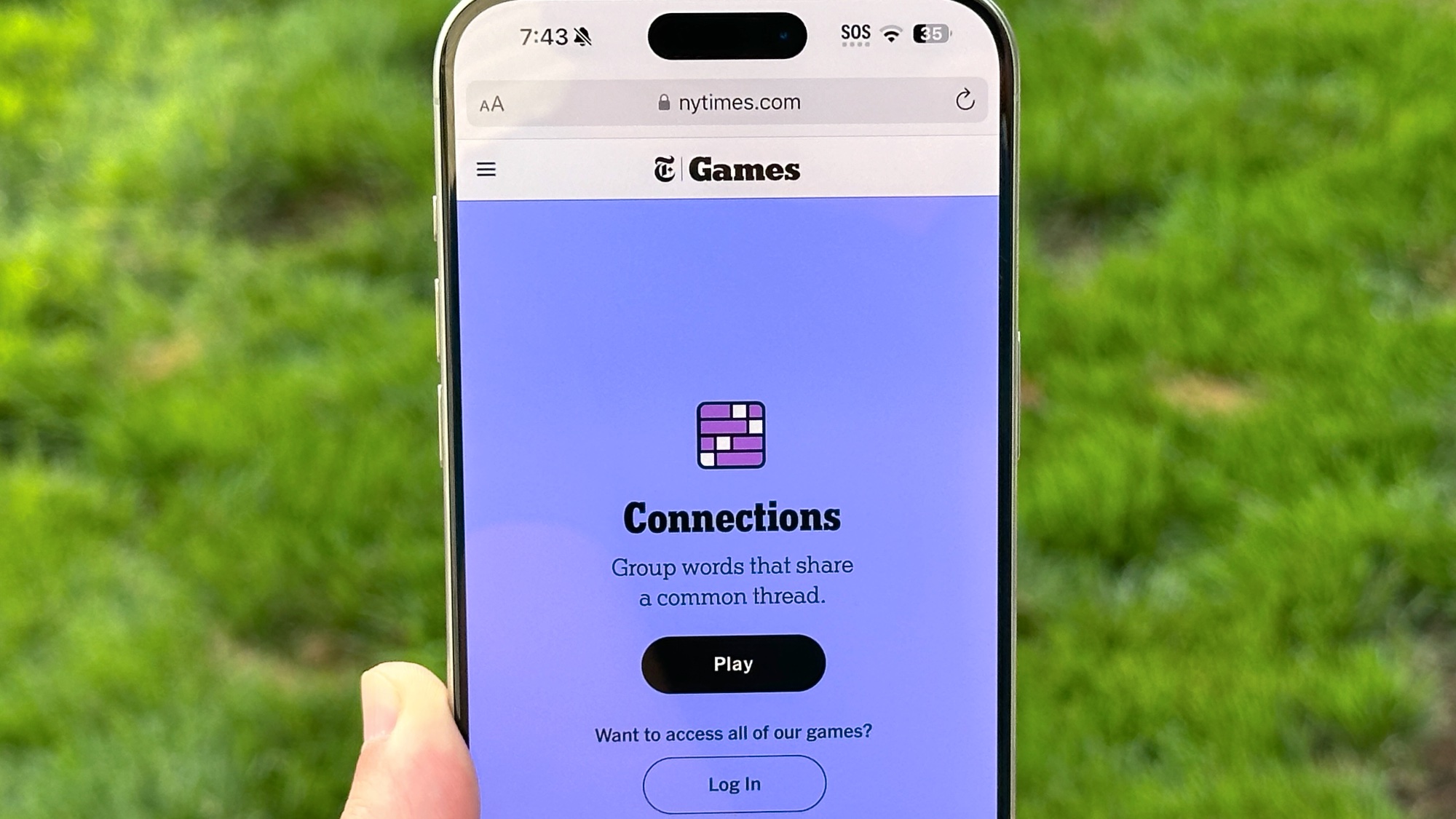
Mashables Connections Hints: Ultimate Strategy Guide for 2026
Note: This guide focuses exclusively on unlocking and mastering the daily New York Times Connections puzzle via Mashable's daily clue breakdowns, providing players with strategic context for the 2026 game iterations. Navigating the dai...
Note: This guide focuses exclusively on unlocking and mastering the daily New York Times Connections puzzle via Mashable's daily clue breakdowns, providing players with strategic context for the 2026 game iterations.
Contents
Navigating the daily puzzle landscape requires more than just a passing vocabulary; it demands a strategic approach to categorization, synonym matching, and lateral thinking. Mashable’s daily clues for the popular word-association game have become an essential resource for players looking to maintain their win streaks without outright spoiling the fun. In 2026, the game has introduced even more nuanced linguistic traps, making structured hints more valuable than ever.
Decoding the Mechanics Behind Mashable Connections Hints
Understanding how daily puzzle hints are structured allows players to extract maximum value without ruining the challenge. Mashable structures its daily breakdowns into graduated tiers of assistance, allowing you to choose how much help you need before making your next move on the grid.
- The Spoiler-Free Nudge: General thematic hints that point toward the overarching subject matter of the day without revealing the actual words.
- Category Breakdown: High-level descriptions of the four distinct groups, often highlighting grammatical quirks, pop culture references, or hidden puns.
- Direct Word Associations: Specific clues tied to individual tiles that might be causing stubborn bottlenecks on your board.
- Full Solution Revealer: The final safety net for when your daily streak is on the line and you need the complete categorization.
Modern puzzle design relies heavily on overlapping semantics. Words that appear to belong together in one category—such as tech terms or musical genres—are frequently placed there as red herrings by the puzzle editors to induce costly mistakes.
Strategic Framework for Solving Daily Puzzles in 2026
Approaching the sixteen-tile grid randomly is the fastest way to exhaust your four permitted mistakes. Implementing a methodical sorting framework transforms chaotic guessing into a reliable puzzle-solving routine.
- Scan and Isolate Outliers: Look for words that appear to have unique or highly specific definitions. These are often the anchor words that belong to the trickiest category of the day, such as purple or blue.
- Identify Grammatical Families: Check whether a group of words shares a specific prefix, suffix, or can all be preceded or followed by the same connecting word (e.g., words that can follow "Fire" to form compound terms).
- Test Synonyms Cautiously: If four words seem to mean the exact same thing, verify if they belong to a distinct historical or colloquial context before locking them in.
- Resist the Obvious Trap: If an entire category is glaringly obvious immediately upon opening the game, pause. Editors often use these obvious groupings to mask a secondary interpretation of those exact same words.
Comparing Puzzle Assistance Resources
To maintain your daily streak efficiently, it helps to understand how different hint providers stack up against one another in terms of speed, depth, and spoiler risk.
| Resource Platform | Spoiler Risk Level | Update Speed (EST) | Best Used For |
|---|---|---|---|
| Mashable Hints | Low to Moderate | Daily by 8:00 AM | Balanced clues and thematic category breakdowns |
| NYT Wordplay Blog | Low | Daily by 9:00 AM | Deep linguistic analysis and formal explanations |
| Social Media Communities | Extremely High | Immediate | Quick peer validation and emergency answers |
| Dedicated Puzzle Apps | Variable | Real-Time | Interactive hints and practice historical grids |
Advanced Linguistic Patterns to Watch For
As the game has evolved through 2026, puzzle constructors have leaned heavily into multi-layered wordplay. Recognizing these advanced patterns will drastically improve your baseline solving speed.
Homophones and sound-alikes are increasingly common in the yellow and green categories. A word like "bare" might be paired with "bear," "board," and "bored" under a hidden auditory umbrella rather than a strict semantic definition. Furthermore, fill-in-the-blank categories require you to think outside the immediate definition of the tile, focusing instead on structural syntax.
Another frequent tactic involves corporate brand names, geographic locations, and pop culture acronyms disguised as everyday nouns or verbs. When utilizing hints, pay close attention to capitalization clues—though the game normalizes all tiles to uppercase, your mental dictionary should account for proper nouns that double as common vocabulary.
Frequently Asked Questions About Daily Puzzle Hints
What time are the daily hints updated?
Mashable typically updates its daily puzzle breakdown early in the morning, usually around 8:00 AM EST, aligning with the release of the fresh daily board. This ensures global players can access clues regardless of their specific time zone.
Do hints ruin the satisfaction of solving the puzzle?
Using tiered hints—such as reading only the thematic overview rather than the direct answers—allows you to preserve the intellectual challenge while avoiding frustrating blocks. It acts as a digital hint-book equivalent to asking a friend for a slight nudge.
How many mistakes am I allowed before failing?
The game allows players a maximum of four incorrect category submissions before the game ends, making strategic hint utilization vital when you are down to your final remaining guess.
Are past puzzle archives accessible for practice?
While the official platform rotates daily boards dynamically, various community-driven archival sites allow players to practice historical puzzles and test their skill against previous linguistic challenges.
Why do some words seem to fit into multiple categories?
Puzzle editors deliberately engineer overlapping definitions—known as red herrings—to test your ability to look past surface-level synonyms and find the single intended structural logic for all sixteen tiles.
Master Your Daily Routine Today
Elevating your puzzle-solving consistency requires balancing independent deduction with smart resource management. Bookmark your preferred hint breakdowns, adopt a systematic scanning routine, and protect your streak by consulting strategic guides before your final guess. Jump into today's grid with confidence, analyze the linguistic traps, and keep your winning streak alive.
Image Gallery