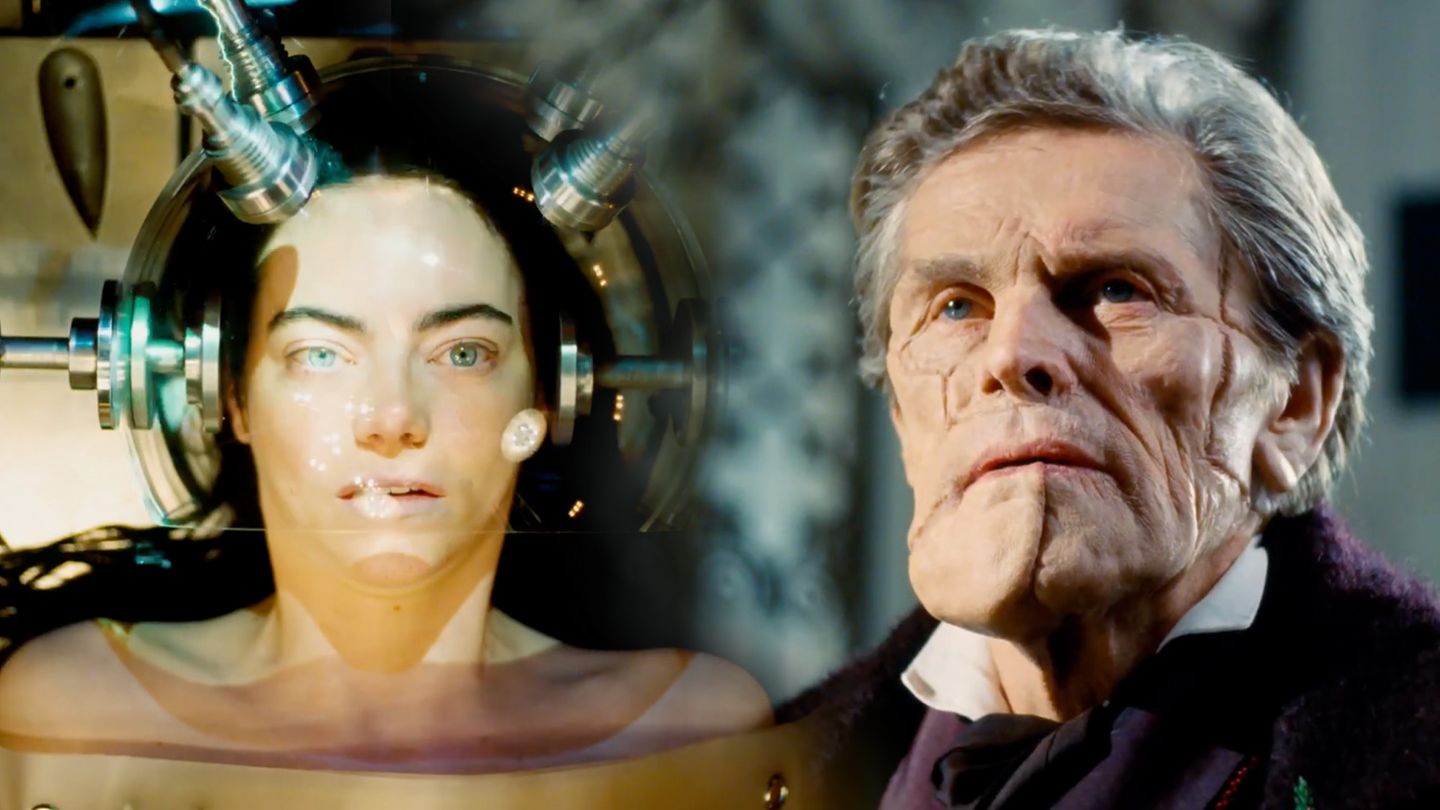
Emma Stone in Frankenstein: Understanding the 2024 Film Performance and Production
Emma Stone’s portrayal of Bella Baxter in the 2024 film Poor Things, which is a surrealist reimagining of the Frankenstein mythos, represents a critical intersection of gothic literature and contemporary feminist cinema. Directed by Yo...
Emma Stone’s portrayal of Bella Baxter in the 2024 film Poor Things, which is a surrealist reimagining of the Frankenstein mythos, represents a critical intersection of gothic literature and contemporary feminist cinema. Directed by Yorgos Lanthimos, the film adapts Alasdair Gray’s 1992 novel, grounding the "Frankenstein" narrative in a Victorian-era experiment where a woman is brought back to life with the brain of an infant.
Contents
The Mythological Framework of Poor Things
While the film is colloquially associated with the "Frankenstein" archetype, it operates as a sophisticated subversion of Mary Shelley’s 1818 masterpiece. In the traditional Frankenstein myth, Victor Frankenstein creates life in an act of hubris, leading to tragedy and the eventual alienation of the creature. In Poor Things, the figure of Dr. Godwin Baxter (Willem Dafoe)—affectionately termed "God"—functions as a more nuanced, albeit still ethically ambiguous, architect of life.
The 2024 film does not explicitly title itself Frankenstein, but it is frequently categorized as such by audiences due to the core narrative mechanism: the reanimation of a deceased person through unorthodox surgical means. Emma Stone’s character, Bella, begins her existence in a state of cognitive infancy within a fully grown body. This distinction is crucial to the film’s success; it requires the actor to perform a physical and linguistic evolution that mirrors human development, compressed into a short, accelerated timeframe.
The Physicality of Bella Baxter
For viewers interested in the technical aspects of the film, Stone’s performance is notable for its deliberate, non-linear progression of motor skills and social integration. Unlike traditional portrayals of reanimated beings, which often lean into horror-trope stiffness, Stone works with movement coaches to demonstrate the neurological development of a brain learning to command an adult nervous system.
The "Frankenstein" element here serves as a lens for examining societal conditioning. As Bella’s brain matures at an expedited rate, she becomes a tabula rasa, unencumbered by the cultural shame or societal constraints typically imposed on women in the Victorian era. The performance highlights the absurdity of these social structures, as Bella views the world with radical honesty and a lack of social inhibition that mimics, yet eventually surpasses, the intellectual capacity of her contemporaries.
Production and Aesthetic Design
The 2024 production utilized elaborate sets and color grading to emphasize the "Frankenstein" theme of a constructed reality. Lanthimos employed a distinct visual language, often utilizing fisheye lenses and vibrant, exaggerated set designs to mirror the internal experience of a newly created being navigating a surreal world.
Comparative Elements of the Frankenstein Archetype
The following table outlines how the 2024 film aligns with and diverges from the classical Frankenstein narrative:
| Feature | Classical Frankenstein | Poor Things (2024) |
|---|---|---|
| Creator | Victor Frankenstein (driven by ego) | Godwin Baxter (driven by scientific curiosity) |
| Subject | Disparate body parts (male) | A suicide victim (female) |
| Cognition | Immediate adult-level intellect | Infant-like, accelerating over time |
| Primary Theme | Hubris and abandonment | Agency and societal reconditioning |
| Setting | Gothic/18th Century | Steampunk/Surrealist Victorian |
Artistic Intent and Directorial Vision
The decision to cast Emma Stone was central to the film’s viability. Lanthimos required an actor capable of maintaining vulnerability while transitioning through distinct developmental stages—from a clumsy, wordless creature to an articulate, socially liberated individual. This requires high technical proficiency. The "Frankenstein" aspect functions primarily as a catalyst for this character arc, rather than the end-goal of the plot.
The film intentionally avoids the trope of the "angry monster." Instead, Bella Baxter is a creature of pure inquiry. By removing the traditional baggage of a "monstrous" reanimation, the 2024 film shifts the audience's focus to the ethical implications of creating life versus the responsibility of the creator toward the created.
Audience Reception and Literary Significance
When discussing the 2024 film in the context of the Frankenstein lineage, it is important to acknowledge that the film is based on Alasdair Gray’s novel, which was itself a postmodern response to Shelley. Understanding this literary lineage helps the viewer appreciate why certain creative choices were made. The "Frankenstein" label is a useful shorthand for the public, but the film is more accurately described as a dark comedy of manners and a coming-of-age story for a character who had no childhood.
Critics often highlight the film's costume design as a reflection of Bella’s maturation. As her intellect grows, her clothing choices shift from infantile, experimental layers to more structured, assertive garments. This visual storytelling works in tandem with Stone’s physical performance to signal the progress of her "humanity" to the viewer.
Frequently Asked Questions
Is Emma Stone’s 2024 film a direct adaptation of Mary Shelley’s Frankenstein? No. The film is an adaptation of the 1992 novel Poor Things by Alasdair Gray. While it shares the fundamental premise of reanimating a corpse, its tone, setting, and thematic focus are distinctly separate from Shelley's gothic horror.
What is the "Frankenstein" connection in Poor Things? The connection lies in the narrative trope of a scientist (Godwin Baxter) reanimating a deceased human. The film uses this premise to explore the nature of human existence and societal autonomy rather than focusing on the terror of the creature.
Does Emma Stone perform her own stunts or physical comedy in the film? Yes, the physicality of the character, particularly the erratic, uncoordinated movements in the early parts of the film, was performed by Stone. She utilized dance and movement training to ensure that the transition from infant-like clumsiness to adult grace appeared authentic.
Where can I watch the 2024 film? As of 2026, the film is widely available on major streaming platforms and digital rental services. You should check your local regional providers for current availability or physical media options.
Is the film appropriate for fans of classic monster movies? While the film contains dark themes and a premise rooted in scientific reanimation, it is a surrealist comedy-drama rather than a horror film. Fans of classic monster movies may appreciate the conceptual nods to the genre, but they should expect a drastically different tonal experience.
Next Steps for Viewers
If you are interested in the themes explored by Emma Stone in this film, the best approach is to view it as a piece of speculative fiction rather than a direct entry in the Frankenstein canon. To gain a deeper understanding of the material, read Alasdair Gray’s original novel, which provides extensive context on the political and satirical layers that the 2024 film builds upon. For those analyzing the technical craft, focus on the contrast between the film's early monochromatic scenes and its eventual explosion into color, which serves as a visual metaphor for Bella’s expanding understanding of the world.
Image Gallery