Navigating a Kidney Transplant Program: Process, Evaluation, and Patient Outcomes
A kidney transplant program is a specialized hospital department that evaluates, prepares, and performs surgical kidney replacements for patients with severe chronic kidney disease or end-stage renal disease (ESRD). These programs coor...
A kidney transplant program is a specialized hospital department that evaluates, prepares, and performs surgical kidney replacements for patients with severe chronic kidney disease or end-stage renal disease (ESRD). These programs coordinate care across multidisciplinary medical teams, manage organ waitlist placements through regional and national networks, and provide lifelong post-transplant follow-up to ensure long-term graft survival.
Contents
Medical Disclaimer: This guide is provided for informational and educational purposes only and does not constitute formal medical advice. Patients facing kidney failure should consult a board-certified nephrologist or transplant specialist to evaluate individual treatment options.
What is a Kidney Transplant Program?
A accredited kidney transplant program operates within a tertiary or quaternary care hospital center to manage every phase of the renal transplantation process. For patients experiencing progressive renal failure—typically defined as Stage 5 Chronic Kidney Disease (CKD) with an Estimated Glomerular Filtration Rate (eGFR) below 15 mL/min/1.73m², or those requiring maintenance dialysis—a transplant program offers the primary pathway toward restored kidney function.
Transplant programs are regulated by national standards. In the United States, programs operate under the governance of the Organ Procurement and Transplantation Network (OPTN) and the United Network for Organ Sharing (UNOS), adhering to strict quality, safety, and reporting metrics.
The Multidisciplinary Care Team
A defining characteristic of a kidney transplant program is its interdisciplinary structure. Rather than relying on a single physician, patient management is conducted by a coordinated team of specialists:
- Transplant Nephrologists: Medical doctors specializing in kidney disease who manage pre-transplant workups, immunosuppression protocols, and post-operative medical complications.
- Transplant Surgeons: Surgical specialists who perform the organ implantation, vascular anastomoses, and management of surgical complications.
- Transplant Nurse Coordinators: Registered nurses who guide the patient through evaluation, waitlist maintenance, surgical scheduling, and routine post-discharge care.
- Clinical Social Workers: Mental health and case management professionals who evaluate psychosocial stability, caregiver support systems, and coping strategies.
- Transplant Financial Coordinators: Experts who verify health insurance benefits, outline out-of-pocket expenses, assist with Medicare coverage for ESRD, and secure pharmaceutical assistance programs.
- Transplant Dietitians: Registered dietitians who optimize nutrition before and after surgery, addressing challenges such as post-transplant weight gain, hyperkalemia, or steroid-induced diabetes.
- Transplant Pharmacists: Clinical pharmacists specialized in managing complex immunosuppressive drugs, drug-drug interactions, and adverse effect profiles.
Patient Evaluation and Eligibility Requirements
The evaluation process determines whether a patient is a safe candidate for major surgery and long-term immunosuppressive therapy. A successful transplant requires that the benefits of surgery outweigh the medical risks of chronic immunosuppression and operative complications.
Medical and Surgical Assessment
The medical evaluation involves comprehensive diagnostic testing across multiple body systems:
- Cardiovascular Risk Assessment: Cardiovascular disease is a leading cause of morbidity in ESRD patients. Testing typically includes electrocardiograms (ECG), echocardiograms, chemical or exercise stress testing, and, when indicated, coronary angiography.
- Vascular Anatomy Mapping: Computed Tomography (CT) angiography or Doppler ultrasonography of the pelvis and lower abdomen assesses the suitability of the iliac vessels where the donor kidney will be connected.
- Infectious Disease Screening: Serological testing screens for latent or active infections, including Hepatitis B and C, Human Immunodeficiency Virus (HIV), Cytomegalovirus (CMV), Epstein-Barr Virus (EBV), Syphilis, and Tuberculosis (TB).
- Oncology Screening: Age-appropriate cancer screenings—such as colonoscopies, mammograms, Pap smears, and prostate-specific antigen (PSA) tests—must be up to date. Active malignancies generally prevent listing due to the risk of accelerated tumor growth under immunosuppressive therapy.
Psychosocial and Financial Criteria
Medical suitability alone does not guarantee placement on a transplant list. Psychosocial stability is equally critical. Programs assess whether a patient can adhere to complex daily medication regimens, attend frequent clinic visits, and avoid substance abuse. The presence of a reliable family or caregiver support network is carefully evaluated.
Financial clearance ensures that the patient has adequate coverage for the surgery itself, as well as lifetime access to required anti-rejection medications. Financial coordinators help patients navigate private insurance, Medicaid, and Medicare enrollment.
Absolute vs. Relative Contraindications
Transplant centers establish specific criteria to determine candidate eligibility:
- Absolute Contraindications: Conditions that rule out transplantation due to extreme risk. Examples include active or untreated systemic malignancy, severe uncontrolled sepsis, acute severe psychiatric illness preventing consent or treatment compliance, active ongoing substance dependence, and severe irreversible extra-renal systemic disease (e.g., terminal heart or liver failure without a planned dual-organ transplant).
- Relative Contraindications: Conditions requiring stabilization or specific mitigation before approval. Examples include morbid obesity (often evaluated at Body Mass Index thresholds of 35 to 40 kg/m²), active tobacco use, unmanaged diabetes, or history of non-adherence that has since been addressed through structured monitoring.
The Transplant Pathway: From Referral to Waitlist
The journey through a kidney transplant program follows a structured sequence designed to maximize patient safety and allocation equity.
- Physician Referral
- Comprehensive Evaluation
- Selection Committee Review
- Living Donor Available?
- Yes: Living Donor Evaluation & Surgery
- No: Listed on OPTN/UNOS National Waitlist, followed by Matching & Deceased Donor Surgery
- Living Donor Available?
Step 1: Initial Referral and Intake
Patients are referred to a transplant program by their primary nephrologist, dialysis clinic, or through self-referral. Early referral—ideally when eGFR reaches 20 mL/min/1.73m²—allows candidates to accumulate wait time before requiring dialysis, opening the door for preemptive transplantation.
Step 2: The Selection Committee Review
Once all diagnostic testing, psychosocial evaluations, and financial reviews are finished, the patient's file is presented to the program's multidisciplinary selection committee. This group collectively decides to approve the candidate for listing, request additional medical workup, or defer listing until specific conditions (such as weight loss or cardiac intervention) are met.
Step 3: Tissue Typing and Sensitization Profiling
Once approved, the patient undergoes specialized immunological testing:
- Human Leukocyte Antigen (HLA) Typing: Identifies the candidate’s specific tissue proteins (HLA-A, HLA-B, and HLA-DR) to compare against potential donor organs.
- Panel Reactive Antibody (PRA) Screening: Measures the presence of pre-formed anti-HLA antibodies in the candidate's blood resulting from prior blood transfusions, pregnancies, or previous organ transplants. A high PRA score indicates a "sensitized" patient, meaning they will react against a larger percentage of the donor pool, requiring specialized matching protocols.
- Crossmatching: Performed prior to surgery (either physically using donor cells or virtually using computational antibody profiling) to confirm that the recipient does not possess pre-existing antibodies against the specific donor organ.
Deceased Donor vs. Living Donor Pathways
Kidney transplant programs manage two distinct pathways for acquiring a donor organ: deceased donor transplantation and living donor transplantation.
Deceased Donor Waitlist Allocation
When a living donor is unavailable, candidates are placed on the national waiting list managed by the OPTN/UNOS allocation system. The allocation process does not operate on a simple first-come, first-served basis. Instead, algorithms assign kidneys based on a combination of factors:
- Estimated Post-Transplant Survival (EPTS): A candidate score based on age, time on dialysis, prior transplants, and diabetes status. Candidates with the top 20% EPTS scores are prioritized for kidneys with the longest predicted function (low KDPI).
- Kidney Donor Profile Index (KDPI): A percentage score combining donor factors (age, height, weight, cause of death, hypertension, creatinine) to estimate how long the donor kidney is likely to function relative to other recovered organs.
- Waiting Time: Time accumulated on the list, which begins either when eGFR falls to 20 mL/min/1.73m² or on the exact date maintenance dialysis was initiated.
- Immunological Match and Sensitization: Highly sensitized candidates receive extra priority points to help overcome biological barriers to finding a compatible match.
Living Donor Programs
Living donation represents the optimal standard in renal replacement. Living donor kidneys can originate from biological relatives, non-related emotional connections (spouses, friends), or altruistic non-directed donors.
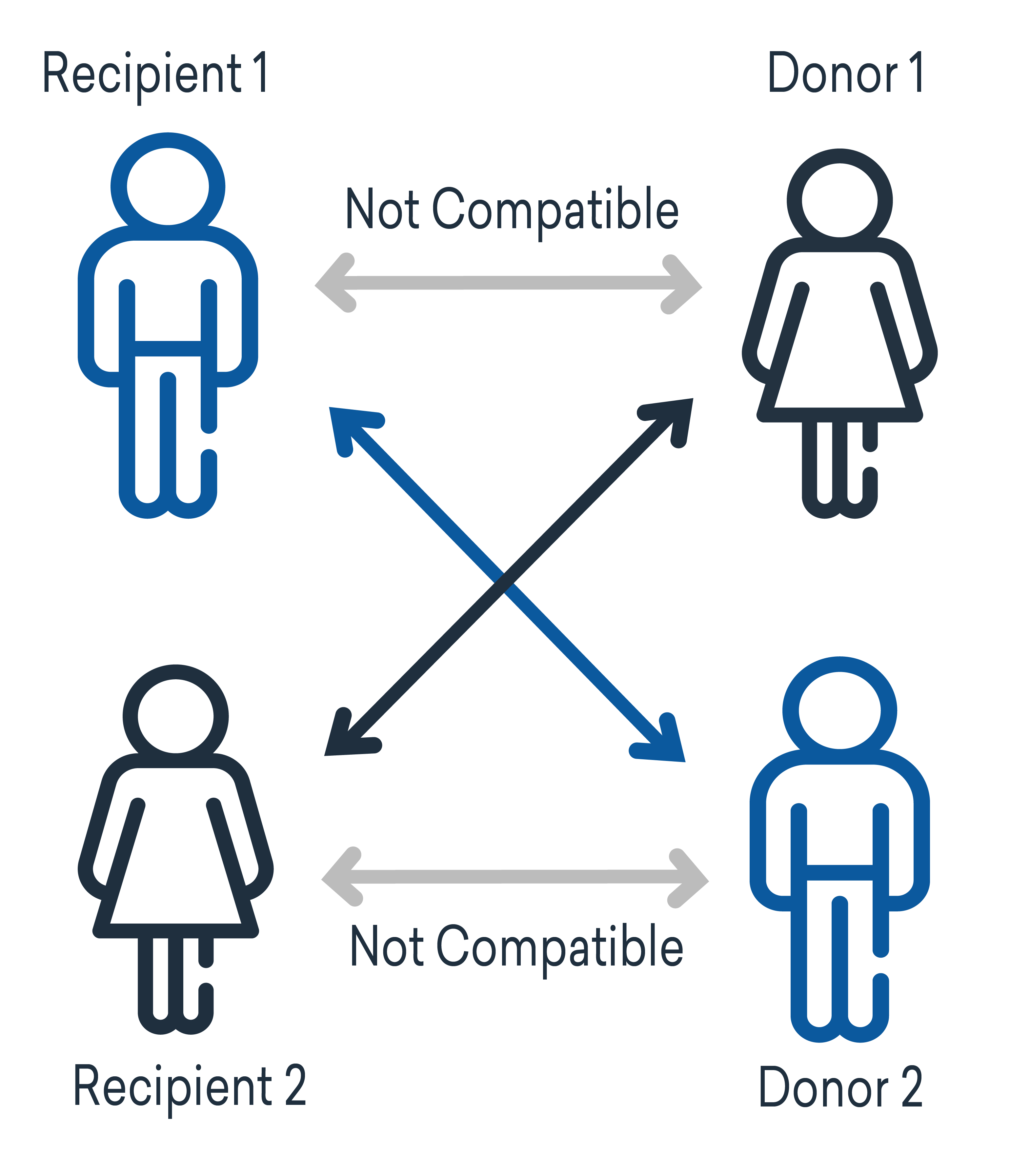
- Paired Kidney Donation (KPD): When a willing living donor is immunologically or blood-type incompatible with their intended recipient, transplant programs enter them into paired exchange networks. Donor A gives a kidney to Recipient B, while Donor B gives a kidney to Recipient A, resolving compatibility issues across paired chains.
- Clinical Advantages: Living donor transplants offer superior 5-year and 10-year graft survival rates compared to deceased donor organs, near-immediate organ function upon reperfusion, and the ability to schedule surgery electively before the candidate requires dialysis.
Surgical Overview and Post-Operative Management
Kidney transplantation is an heterotopic procedure, meaning the recipient’s native kidneys are typically left in their original anatomical position unless they cause severe hypertension, chronic infection, or are enlarged due to Polycystic Kidney Disease (PKD).
- Donor Kidney Placement in Iliac Fossa
- Vascular Anastomosis
- Renal Vein to Iliac Vein
- Renal Artery to Iliac Artery
- Urological Anastomosis
- Ureter to Bladder (with temporary stent)
The Surgical Procedure
- Placement: The donor kidney is positioned extraperitoneally in the candidate's lower abdomen (the right or left iliac fossa).
- Vascular Anastomosis: The donor renal artery is sewn to the recipient’s external or internal iliac artery, and the donor renal vein is connected to the recipient's external iliac vein.
- Urological Anastomosis: The donor ureter is attached directly to the recipient's urinary bladder (ureteroneocystostomy). A temporary internal plastic stent (double-J stent) is typically placed to keep the ureter open while it heals, which is removed outpatient weeks later.
Post-Operative Hospitalization and Immunosuppression
Following surgery, patients remain hospitalized for 3 to 7 days in a specialized transplant surgical unit. Immediate post-operative monitoring focuses on urine output, blood pressure control, and tracking serum creatinine clearance.
To prevent organ rejection, patients must take daily immunosuppressive medications for the lifetime of the transplanted kidney. Maintenance protocols typically combine three categories of drugs:
- Calcineurin Inhibitors (CNIs): Tacrolimus or Cyclosporine form the backbone of therapy, blocking T-cell activation.
- Antimetabolites / Proliferation Inhibitors: Mycophenolate Mofetil, Mycophenolic Acid, or Azathioprine prevent lymphocyte proliferation.
- Corticosteroids: Prednisone reduces broad inflammatory responses. Some specialized programs offer early steroid-withdrawal protocols for low-immunological-risk patients.
- Induction Agents: High-potency intravenous agents, such as Anti-thymocyte Globulin (Thymoglobulin) or Basiliximab, are administered during surgery and the immediate post-operative period to prevent acute early rejection.
Comparing Program Stages and Patient Care Expectations
Navigating a transplant program involves distinct steps, each requiring specific candidate actions and diagnostic monitoring.
| Program Phase | Primary Medical Objective | Core Diagnostic Assessments | Care Team Leads | Key Patient Responsibility |
|---|---|---|---|---|
| Initial Evaluation | Establish medical, surgical, and financial candidacy | Cardiac stress testing, CT angiography, infection panels, cancer screening | Transplant Nephrologist, Coordinator, Social Worker | Complete scheduled diagnostic testing and provide medical records |
| Waitlist Management | Maintain readiness and monitor changing health status | Annual cardiac reviews, monthly PRA blood draws, routine wellness exams | Nurse Coordinator, Pre-Transplant Nephrologist | Notify program immediately of any illness, blood transfusion, or contact changes |
| Active Surgery | Execute organ implantation and establish graft function | Pre-op crossmatch, intraoperative blood monitoring, Doppler ultrasound | Transplant Surgeon, Anesthesiologist | Maintain fasting state upon call and travel immediately to hospital |
| Immediate Post-Op | Monitor early graft function and optimize drug levels | Daily serum creatinine, CNI drug trough levels, surgical site check | Inpatient Surgical Team, Pharmacist | Learn strict medication scheduling and monitor daily fluid intake/output |
| Long-Term Recovery | Prevent rejection, infection, and drug toxicity | Frequent blood work, donor-derived cell-free DNA (dd-cfDNA), graft biopsy (if needed) | Outpatient Nephrologist, Transplant Pharmacist | Adhere 100% to immunosuppressive regimen and attend all follow-up visits |
Financial Considerations and Insurance Coverage
The cost of kidney transplantation encompasses pre-transplant evaluations, the surgical procedure, donor hospitalization, post-operative clinic visits, and lifelong immunosuppressive drugs. Managing these expenditures requires detailed planning.
Medicare Coverage for End-Stage Renal Disease
In the United States, Medicare provides specific entitlement rules for ESRD patients regardless of age:
- Medicare Part A and Part B: Cover kidney transplant surgery, inpatient care, doctor fees, and donor evaluation/surgery expenses.
- The 36-Month Rule and Immunosuppressive Coverage Extension: Historically, Medicare coverage for ESRD terminated 36 months after a successful kidney transplant unless the patient qualified based on age (65+) or disability. However, under federal legislation, eligible post-transplant patients without other comprehensive prescription coverage can access extended Medicare Part B coverage (Medicare Part B-ID) specifically for lifelong immunosuppressive medications beyond the standard 36-month window.
Commercial Insurance and Out-of-Pocket Expenses
Private health plans typically cover transplantation at contracted network facilities. Patients should work closely with their center's financial coordinator to evaluate out-of-pocket deductibles, co-insurance percentages, and pharmacy copay structures. Additional non-medical costs—such as travel, local housing during early post-transplant outpatient monitoring, and missed work wages—should be built into a personal emergency fund.
How to Evaluate and Select a Kidney Transplant Program
Choosing the right transplant center can impact waiting times, access to living donor programs, and overall clinical outcomes. Patients are free to evaluate multiple centers before deciding where to complete their workup.
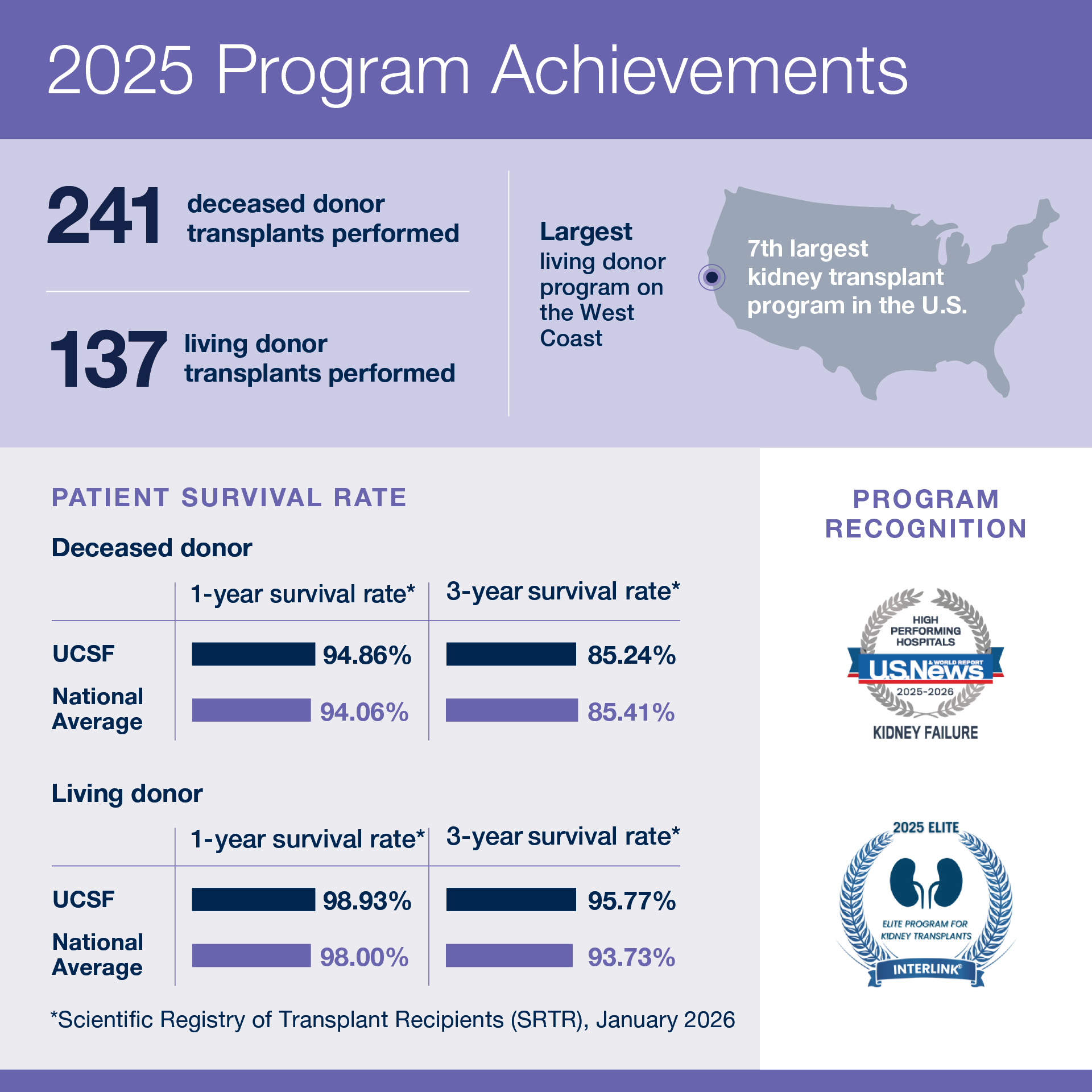
Analyzing Quality Data via SRTR
The Scientific Registry of Transplant Recipients (SRTR) publishes peer-reviewed, risk-adjusted performance statistics for every accredited transplant center in the nation. Key metrics patients should review include:
- First-Year Graft and Patient Survival Rates: Shows how successfully organs function 12 months post-surgery relative to national expected averages.
- Time to Transplant: Measures the median duration candidates spend on the center's waiting list before receiving a deceased donor organ.
- Living Donor Program Volume: Indicates the center's experience in performing living donor procedures and paired exchange transfers.
- Transplant Rate vs. Waitlist Mortality Rate: Evaluates how aggressively a program accepts organ offers versus how well it maintains candidate health while waiting.
Multiple Listing Strategy
UNOS policies permit candidates to evaluate and list at more than one transplant program simultaneously, provided the programs are located in different Organ Procurement Organization (OPO) allocation regions. Multiple listing can reduce overall waiting time by placing candidates in regions with lower median wait times. However, each center requires an independent evaluation, and insurance policies must approve duplicate evaluation costs.
Frequently Asked Questions
How long does the evaluation process take at a kidney transplant program?
The initial evaluation process typically takes between 1 to 3 months. The timeline depends on how quickly a candidate completes required diagnostic testing (such as cardiac workups, imaging, and cancer screenings) and whether subspecialty medical clearances are needed before committee review.
Can a candidate register at more than one kidney transplant program at the same time?
Yes. Candidates may undergo evaluation and register at multiple transplant centers in different regional allocation areas (known as multiple listing). This strategy can potentially reduce waiting times, though patients must verify that their health insurance covers evaluation costs at each program.
How long does a transplanted kidney typically last?
A deceased donor kidney lasts an average of 10 to 15 years, while a living donor kidney lasts an average of 15 to 20+ years. Individual outcomes vary based on recipient age, underlying health conditions, donor quality, HLA matching, and strict adherence to daily anti-rejection medications.
What is a paired kidney exchange program?
A paired kidney exchange (or kidney paired donation) allows an incompatible living donor-recipient pair to swap with another incompatible pair. Donor A gives a kidney to Recipient B, and Donor B gives a kidney to Recipient A, creating compatible matches for both patients who would otherwise have been unable to exchange directly.
What happens if a patient experiences organ rejection?
Rejection occurs when the immune system recognizes the transplanted kidney as foreign. Acute rejection can often be reversed if detected early through routine blood tests (rising serum creatinine levels) or organ biopsy. Treatment typically involves short-term, high-dose intravenous corticosteroids or specialized anti-T-cell or anti-B-cell therapies.
Are there age limits for joining a kidney transplant program?
Most transplant programs do not maintain a strict chronological upper age limit. Instead, candidates are evaluated based on functional physiological age, frailty status, cardiovascular fitness, and overall ability to safely tolerate major surgery and lifelong immunosuppressive regimens.
Actionable Next Steps for Patients
Taking proactive steps early in the course of kidney disease improves long-term outcomes and increases the likelihood of receiving a transplant before starting dialysis:
- Request a Formal Referral: Discuss early referral with your nephrologist as soon as your eGFR approaches 20 mL/min/1.73m².
- Research Program Outcomes: Visit the Scientific Registry of Transplant Recipients website to compare survival outcomes, transplant rates, and median wait times across regional transplant centers.
- Confirm Insurance Verification: Meet with a hospital transplant financial coordinator to confirm network coverage, secondary insurance requirements, and pharmacy benefit details.
- Explore Living Donation: Educate family and friends regarding living donation options and inquire whether your chosen transplant center participates in national paired kidney exchange networks.
- Maintain Preventive Health: Complete routine health maintenance early (dental clearances, cancer screenings, vaccinations) to prevent administrative delays during the evaluation phase.
Image Gallery