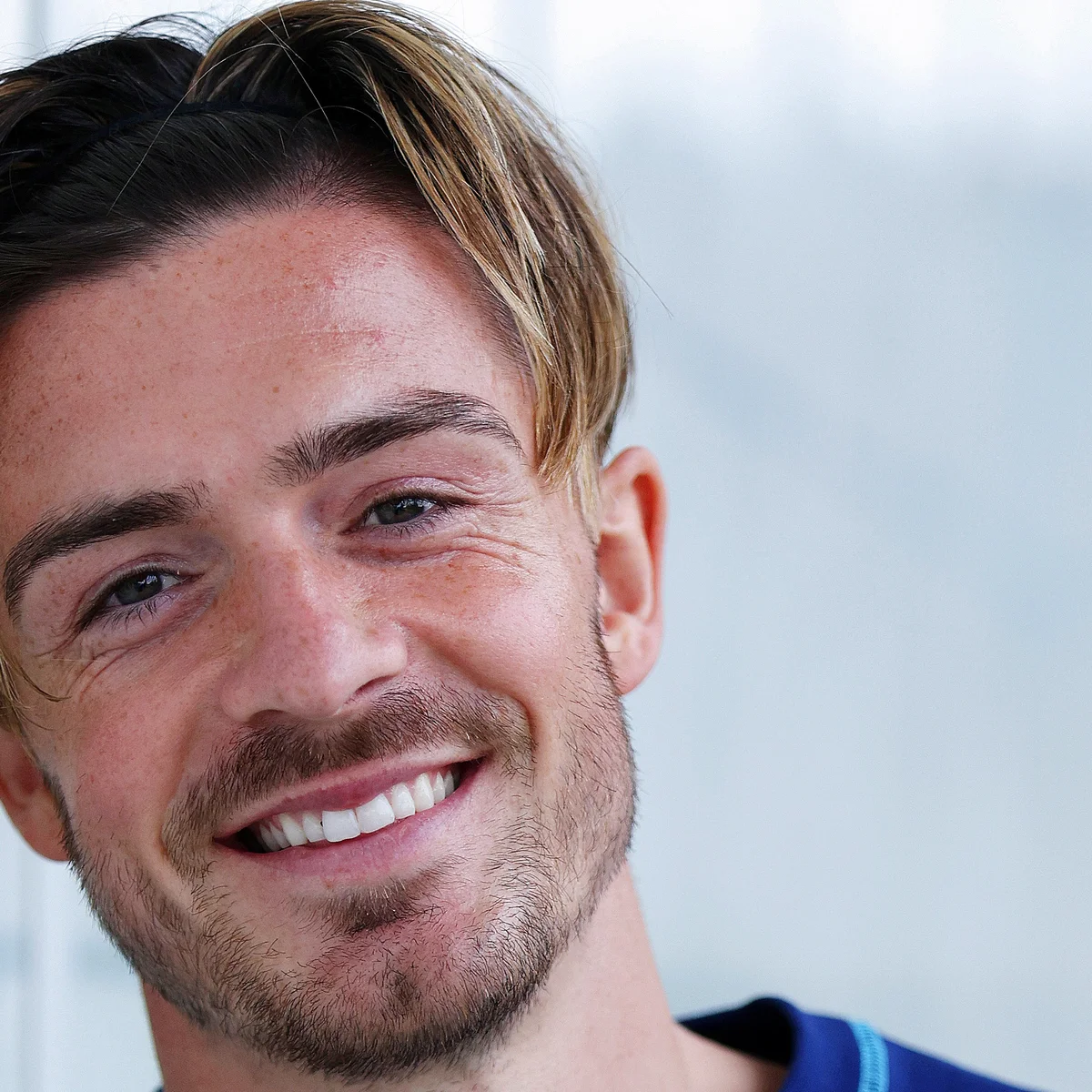
Jack Doohan Teeth: How the Driver’s Dental Changes Spark Debate
As Jack Doohan solidifies his position on the Formula 1 grid in 2026, fans and branding experts alike have noted a significant transformation in his physical appearance, specifically his smile. The shift from a natural, youthful look t...
As Jack Doohan solidifies his position on the Formula 1 grid in 2026, fans and branding experts alike have noted a significant transformation in his physical appearance, specifically his smile. The shift from a natural, youthful look to a polished "Hollywood smile" has sparked a debate regarding the pressures of athlete branding, the influence of the "Netflix era" of racing, and the aesthetic standards expected of modern sports icons.
Contents
The Evolution of Jack Doohan’s Smile: From F2 Prospect to F1 Star
The journey of Jack Doohan from the FIA Formula 2 Championship to a full-time seat with the Alpine F1 Team has been marked by more than just an increase in racing points. As he moved into the high-pressure environment of the pinnacle of motorsport, his visual identity underwent a professional overhaul. In his early career, Doohan possessed a natural dental structure that reflected his rugged, competitive nature—characteristics often associated with the Doohan racing dynasty established by his father, five-time 500cc motorcycle champion Mick Doohan.
By the start of the 2026 season, however, the "grid glow-up" became undeniable. Observers noted that Doohan’s teeth appeared significantly whiter, more symmetrical, and perfectly aligned. This change is not unique to Doohan; it follows a trend seen in other young drivers like Lando Norris and George Russell, who also opted for dental refinements as their commercial profiles rose. The debate stems from whether these changes are a personal choice for health or a mandatory component of the "corporate athlete" package required by major sponsors and global media outlets.
The transition likely occurred during his tenure as a reserve driver, a period when athletes have more time for elective procedures before the grueling 24-race calendar takes over. For a driver representing a brand like Alpine, which is owned by the Renault Group, every aspect of their appearance is scrutinized by marketing departments aiming to maximize "marketability" in the lucrative North American and Asian markets.
Why Do Formula 1 Drivers Undergo Dental Procedures?
The decision to undergo significant dental work in a sport as physically demanding as Formula 1 is rarely just about vanity. There are several layers to why a driver in 2026 would prioritize these changes.
Branding and the Commercial Face of the Team
In the current landscape of Formula 1, drivers are no longer just pilots; they are global influencers. With the massive success of docuseries like Drive to Survive, the camera is constantly inches away from a driver’s face. Sponsors pay tens of millions of dollars to have their logos near a driver’s mouth during interviews. A "perfect" smile is often seen as more compatible with high-end luxury brands, watches, and lifestyle sponsors that now dominate the F1 paddock.
The "Netflix Effect" and Aesthetic Standards
The influx of a younger, more lifestyle-oriented audience has shifted the aesthetic expectations of the grid. Fans in 2026 are as likely to follow a driver for their fashion and appearance as they are for their lap times. This cultural shift has placed an implicit pressure on Gen Z drivers to adhere to a specific standard of "perfection" that wasn't present during the era of his father, Mick Doohan, where grit was valued over glamour.
Structural and Health Considerations
While the debate focuses on looks, dental health is critical for athletes subjected to high G-forces. Drivers frequently clench their teeth while cornering or during heavy braking zones. Correcting misalignments can actually prevent issues like TMJ (temporomandibular joint) disorders and headaches, which can negatively impact focus during a race. Procedures such as clear aligners or high-strength veneers can provide a more stable bite for drivers who use custom-molded mouthguards.
Analyzing the Specific Changes: Veneers, Whitening, or Orthodontics?
Experts in cosmetic dentistry suggest that Doohan’s transformation likely involved a combination of modern techniques. The uniformity in the length and width of his upper teeth points toward the use of porcelain veneers or composite bonding.
- Veneers: These are thin shells of porcelain custom-made to fit over the front surface of the teeth. They are popular among athletes because they are resistant to staining and provide an immediate improvement in symmetry.
- Whitening: Professional-grade bleaching is a standard prerequisite for any public-facing athlete.
- Orthodontic Refinement: Given the speed of the change, it is possible that Doohan used clear aligners (such as Invisalign) during his time away from the primary spotlight to correct minor crowding before the final cosmetic application.
The "debate" among fans often centers on the "uncanny valley" effect—where a smile looks too perfect to be natural. Critics argue that these changes strip away the unique character of the athletes, while supporters maintain that a professional athlete should have the right to enhance their confidence and image as they see fit.
The Fan Debate: Authenticity vs. Professionalism
Social media platforms like Reddit and X (formerly Twitter) have been the primary arenas for the discussion surrounding Doohan’s teeth. A segment of the "purist" fanbase laments the loss of the "old school" look, citing that the ruggedness of past champions was part of the sport's charm. They argue that the homogenization of driver appearances makes the grid feel more like a corporate boardroom than a collection of the world's bravest racers.
Conversely, a newer generation of fans views these changes as a sign of professional maturity. To them, an F1 driver is a superstar on par with a Hollywood actor or a premier league footballer. In these circles, investing in one’s appearance is seen as a logical step in career management. The debate highlights a wider tension in 2026 Formula 1: the struggle between the sport’s heritage as a gritty mechanical contest and its future as a polished, multi-billion-dollar entertainment product.
Comparison of Dental Aesthetics Among 2026 F1 Drivers
To understand where Jack Doohan fits into the current grid’s aesthetic standards, it is helpful to look at how other drivers have approached their dental branding.
| Driver | Observed Change | Primary Motivation | Public Perception |
|---|---|---|---|
| Jack Doohan | High-symmetry veneers/whitening | Professional branding | Mixed; sparks debate on authenticity |
| Lando Norris | Clear aligners (early career) | Orthodontic correction | Positive; seen as a "coming of age" |
| George Russell | Whitening and alignment | Corporate alignment | Highly professional; fits "Mercedes" image |
| Daniel Ricciardo | Natural "signature" smile | Personal branding | Iconic; used as a marketing tool |
| Fernando Alonso | Minimal changes | Traditionalist approach | Authentic; focuses on longevity and grit |
The Impact of Global Marketing on Young Drivers in 2026
As Formula 1 continues its expansion into the United States and the Middle East, the pressure on drivers like Doohan to be "camera-ready" 24/7 has never been higher. The 2026 season features three races in the U.S. alone, where aesthetic standards for celebrities are notoriously high. For Doohan, whose name already carries significant weight in the Southern Hemisphere, breaking into the American market requires a level of "polish" that goes beyond his performance in the Alpine A526.
This trend also reflects the financial realities of the sport. A driver's salary is often dwarfed by their personal endorsement deals. If a dental change increases a driver’s appeal to a global fashion house or a luxury skincare brand, it is viewed by management as a necessary business expense rather than a mere cosmetic whim.
FAQs
Did Jack Doohan get veneers?
While not officially confirmed by his medical team, dental experts observing his 2026 appearance note the classic signs of porcelain veneers, including increased translucency, perfect alignment, and a consistent shade that remains stable under harsh paddock lighting.
Who is Jack Doohan's father?
Jack Doohan is the son of Mick Doohan, the legendary Australian motorcycle racer who won five consecutive 500cc World Championships in the 1990s. The debate over Jack's teeth often involves comparisons to his father's more "rugged" and "natural" aesthetic from a different era of racing.
How has Jack Doohan's career progressed in 2026?
As of the 2026 season, Jack Doohan is a regular points finisher for the Alpine F1 Team. After serving as a reserve driver, he secured a full-time seat and has been praised for his technical feedback and qualifying pace, though his off-track branding remains a frequent topic of conversation.
Is dental work common in motorsports?
Yes. Many drivers undergo orthodontic or cosmetic work. In addition to aesthetics, dental health is important for athletes who experience high-vibration environments and intense jaw clenching, which can lead to dental fractures or neck pain if not properly managed.
What is the "Netflix Effect" on F1 aesthetics?
The "Netflix Effect" refers to the increased focus on the personal lives and appearances of drivers due to the popularity of Drive to Survive. This has led to drivers becoming mainstream celebrities, increasing the pressure to maintain a "perfect" physical image for high-definition cameras.
Practical Recommendation: Performance vs. Image
For fans following the career of Jack Doohan, it is important to distinguish between his physical branding and his on-track capabilities. While the debate over his dental changes offers an interesting look into the sociology of modern sport, his success will ultimately be measured by his results on the track. For aspiring racers, the lesson of 2026 is clear: while talent gets you to the grid, a polished brand—from your technical knowledge to your physical presentation—is what keeps you in the global spotlight.
The most important takeaway for any athlete considering similar changes is to ensure that cosmetic procedures do not interfere with physical comfort or safety equipment, such as helmets and mouthguards. As Jack Doohan continues to navigate his F1 career, his ability to balance the demands of the "corporate smile" with the grit required for elite racing will define his legacy.
Image Gallery