Understanding the Career Trajectory and Financial Context of Chris Shula
Chris Shula, a prominent defensive coordinator in professional football, has built his financial standing through a rigorous career in coaching that spans over a decade. While his exact personal net worth remains a private matter, his...
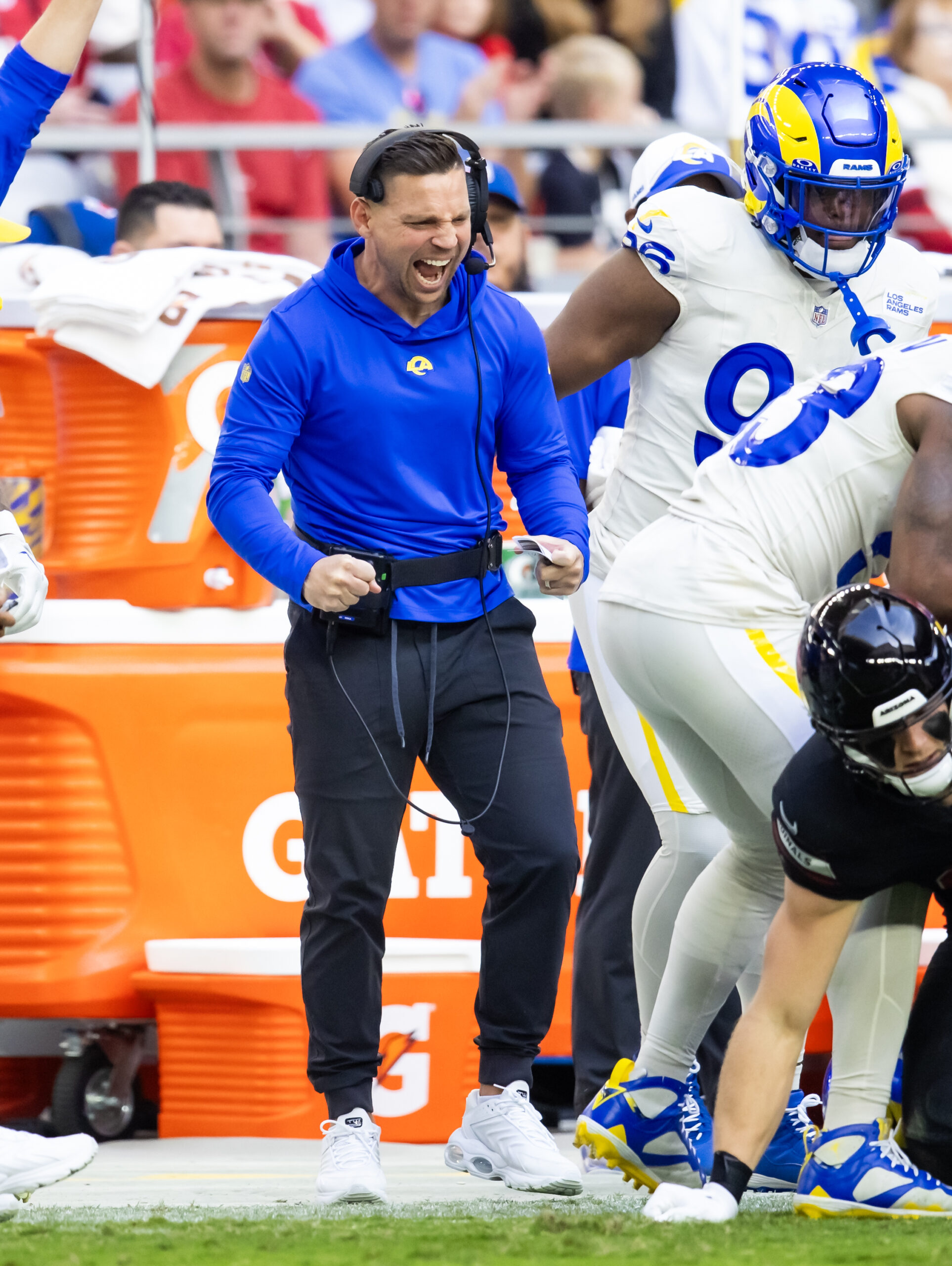
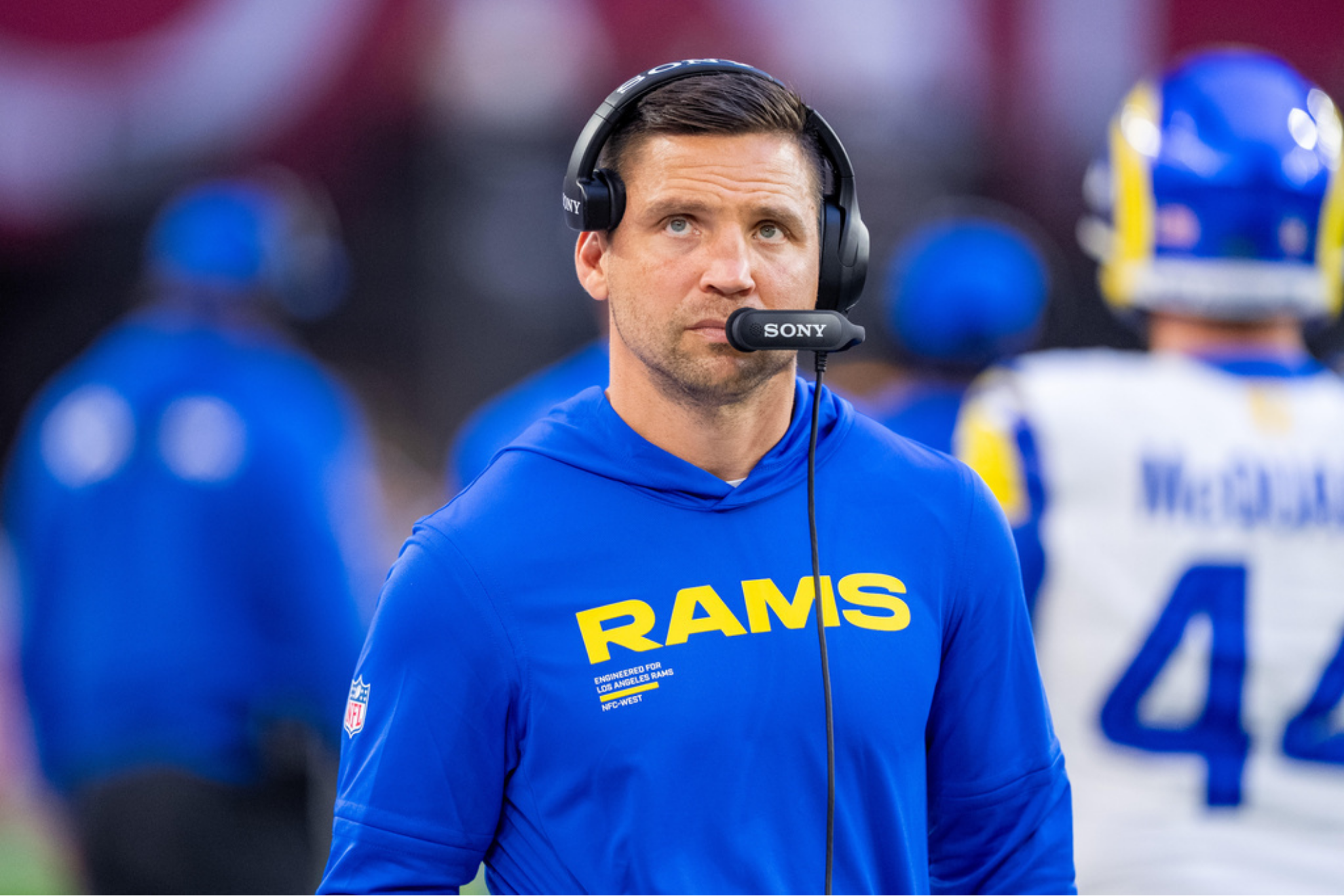
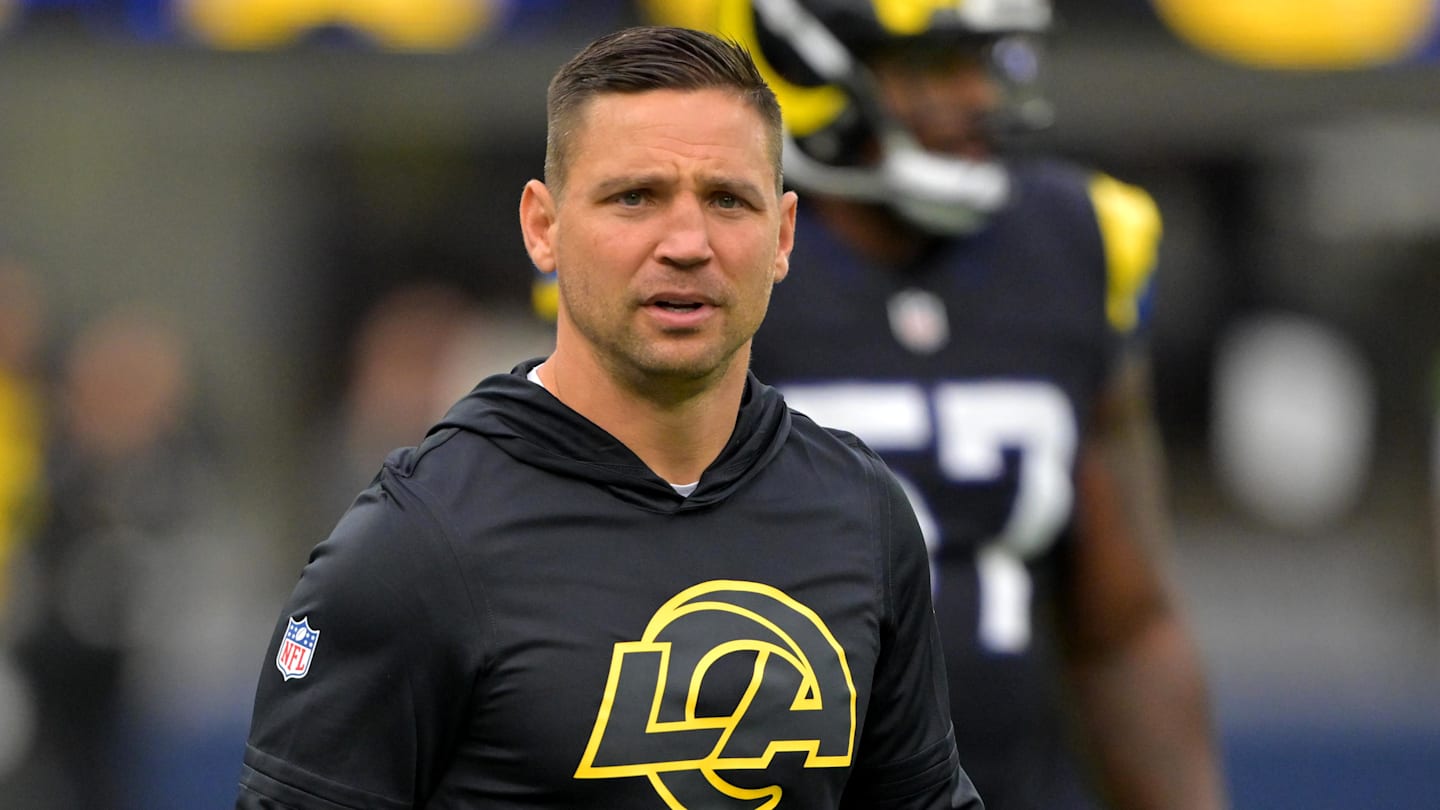
Chris Shula, a prominent defensive coordinator in professional football, has built his financial standing through a rigorous career in coaching that spans over a decade. While his exact personal net worth remains a private matter, his earnings are derived from his escalating roles within the National Football League (NFL) coaching hierarchy, complemented by his lineage in the sport and his professional longevity in high-pressure defensive coaching positions.
Contents
The Professional Foundation: A Coaching Career in the NFL
Chris Shula’s financial profile is fundamentally tied to his tenure in the NFL. Unlike players who earn high-value, multi-year contracts that are often publicly disclosed, NFL coaches operate under private contracts. These agreements are dictated by their specific role, the scope of their responsibilities, and the financial health of the organization they serve.
Shula’s path began in the collegiate ranks before he transitioned into the professional league. His ascension through positions such as defensive assistant, linebackers coach, and ultimately defensive coordinator represents a standard, yet highly competitive, career arc. In the NFL, defensive coordinators are among the highest-paid assistants on any staff. Because these positions require extensive game planning, scouting, and real-time strategic adjustment, the compensation packages for coaches at this level are designed to attract top-tier tactical talent.
By the time a coach reaches the role of a coordinator in 2026, they are generally among the most compensated individuals in the support staff hierarchy. Factors influencing these figures include the team's overall salary budget, the coach’s track record of defensive efficiency, and the demand for defensive specialists across the league.
The Role of Lineage and Industry Professionalism
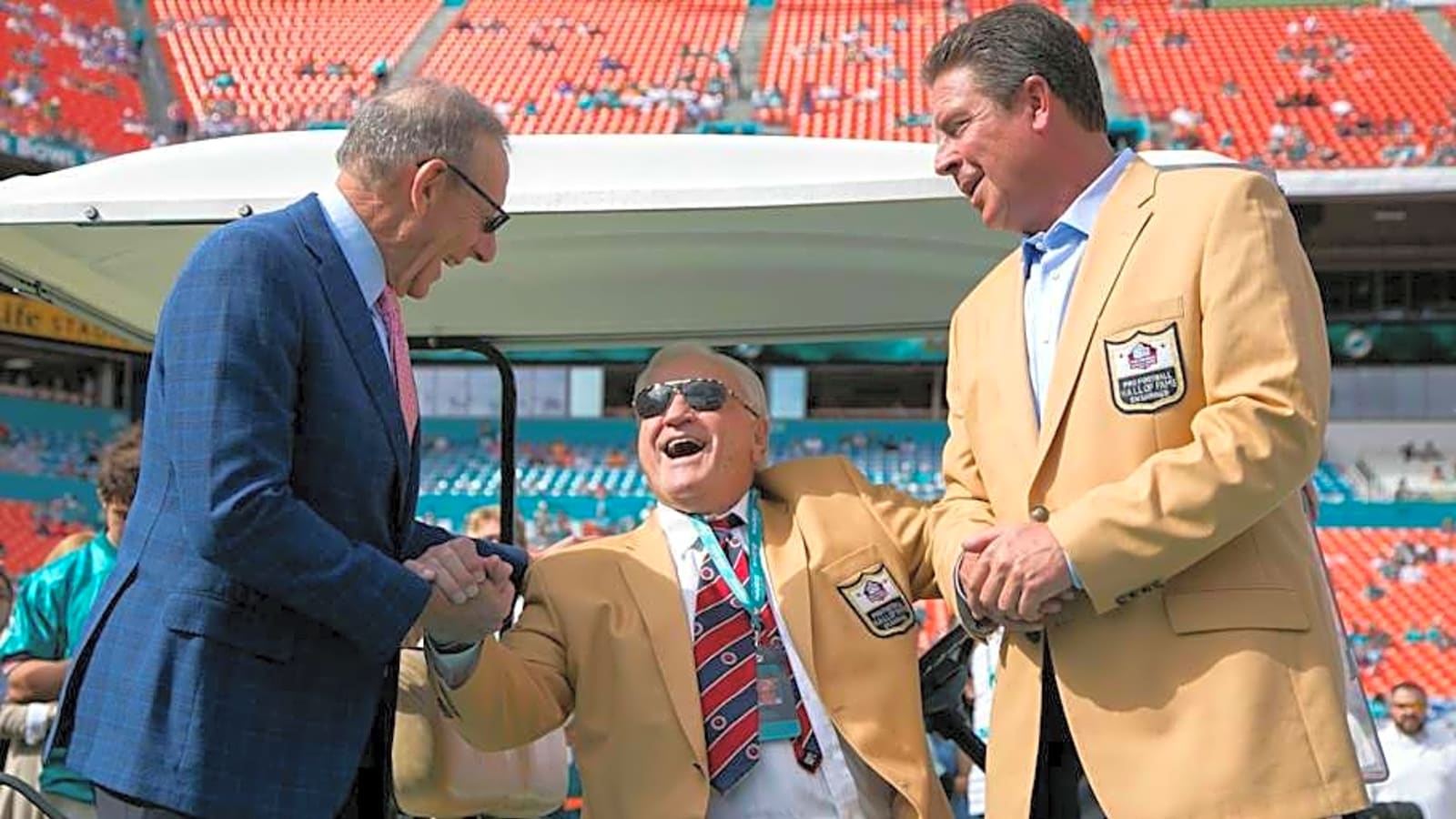
It is impossible to discuss Chris Shula without acknowledging the broader football context in which he operates. As the grandson of the legendary Don Shula—the winningest head coach in NFL history—Chris Shula entered the profession with a deep-seated understanding of the commitment required to manage professional organizations. While his net worth is his own, his professional pedigree provided a framework for navigating the volatility of the coaching industry.
In the NFL, long-term financial stability for coaches is often precarious. The league is known for rapid turnover; coaching staff changes are frequent, and job security is often tied to on-field results. Consequently, the compensation structure for high-level assistants often accounts for this risk. High-earning coaches typically negotiate contracts that include performance-based incentives and job security clauses. For a defensive coordinator, these contracts are significantly higher than those of position coaches, reflecting the increased level of responsibility for a team’s defensive output and strategic integrity.
Compensation Benchmarks for NFL Defensive Coordinators
While individual coaching salaries are not public record, industry benchmarks provide a clear picture of the earning potential for individuals in Shula’s position. In 2026, an NFL defensive coordinator at a reputable organization typically earns an annual salary ranging from $1 million to several million dollars, depending on experience and the specific team’s budget.
| Coaching Level | Typical Annual Salary Range (Estimated) | Factors Influencing Compensation |
|---|---|---|
| Defensive Assistant | $200,000 – $400,000 | Experience level, previous college success |
| Position Coach | $400,000 – $900,000 | Tenure, team performance, market demand |
| Defensive Coordinator | $1,000,000 – $3,500,000+ | Strategic responsibilities, team defensive ranking |
| Head Coach | $5,000,000 – $15,000,000+ | Overall organizational leadership, public profile |
These figures represent base compensation. Many coaches in the NFL supplement their income through various professional channels, including speaking engagements, media appearances, and football camps, although these are secondary to their primary contractual obligations.
Financial Management and Risk Mitigation
For professionals in the sports industry, wealth management is as critical as career growth. The high-income years for an NFL coach are often compressed into a relatively short window of their professional life. Experts in sports finance often emphasize that coaches prioritize tax-advantaged retirement planning and diversified investment portfolios to ensure long-term stability after they retire from the sidelines.
The volatility inherent in professional sports—where a losing season can lead to a complete staff overhaul—makes long-term financial planning essential. Coaches frequently work with financial advisors to structure their earnings in ways that provide a buffer against the unpredictability of contract renewals or career transitions.
Common Misconceptions Regarding Net Worth
There is frequently confusion regarding the difference between a high annual salary and total accumulated net worth. Net worth is an accounting of an individual's assets minus their liabilities. It is not equivalent to a salary. A coach who earns a high salary in a given year may have significant overhead, taxes, and investment losses that impact their total net worth.
Furthermore, internet-based "net worth" calculators often aggregate data from disparate sources without verifying the accuracy of the claims. Many of these sites rely on speculative algorithms or social media trends rather than verified financial records. When evaluating the financial standing of a private individual, it is important to treat such figures as estimates rather than factual financial audits.
Frequently Asked Questions
How are NFL coaching salaries determined? NFL coaching salaries are negotiated individually between the coach and the team’s ownership or general management. They are influenced by the coach's past performance, their level of experience, the size of the team’s coaching budget, and the current market rate for the specific role within the league.
Does Chris Shula’s family background impact his earnings? While his family background provided him with immense knowledge and exposure to the sport, NFL salaries are merit-based and determined by the team's organizational requirements. His career progression is the result of his own performance as a coach across multiple NFL franchises.
Are defensive coordinator salaries publicly disclosed? No, NFL coaching salaries are private contracts. Unlike NFL player contracts, which are tracked and monitored by organizations like the NFL Players Association, coaching contracts are not subject to the same level of public disclosure requirements.
How does job volatility affect a coach’s financial planning? Because the average tenure for an NFL coaching staff is limited, coaches often seek multi-year guarantees in their contracts to ensure financial security even if they are released before their contract term ends. Financial planning for coaches usually focuses on wealth preservation during their peak earning years.
What is the difference between salary and net worth? Salary is the amount of money earned over a specific period, such as one year. Net worth is the total value of an individual’s assets—including savings, investments, and property—minus any outstanding debts or liabilities.
Next Steps for Financial Research
If you are interested in the broader financial structures of the NFL, the most reliable information can be found in annual reports on league-wide compensation trends or professional sports journalism that covers the business side of the sport. For those tracking the careers of specific coaches, following official NFL team announcements and reliable sports news outlets provides the most accurate updates on contract extensions and changes in professional status. For personal financial advice, always consult with a certified financial planner rather than relying on public estimates of wealth.
Image Gallery