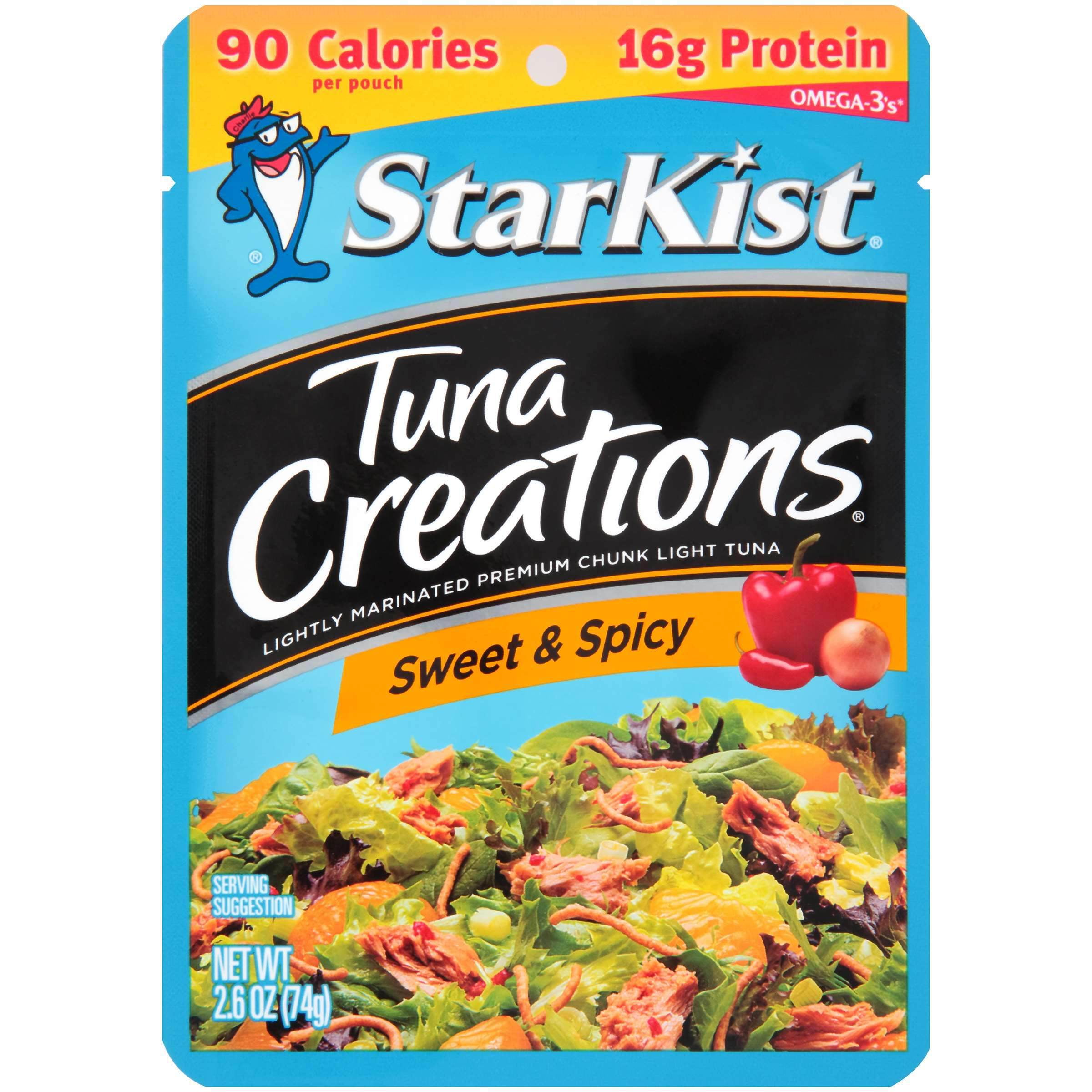
A Comprehensive Guide to Starkist Tuna Packets: Selection, Usage, and Nutritional Value
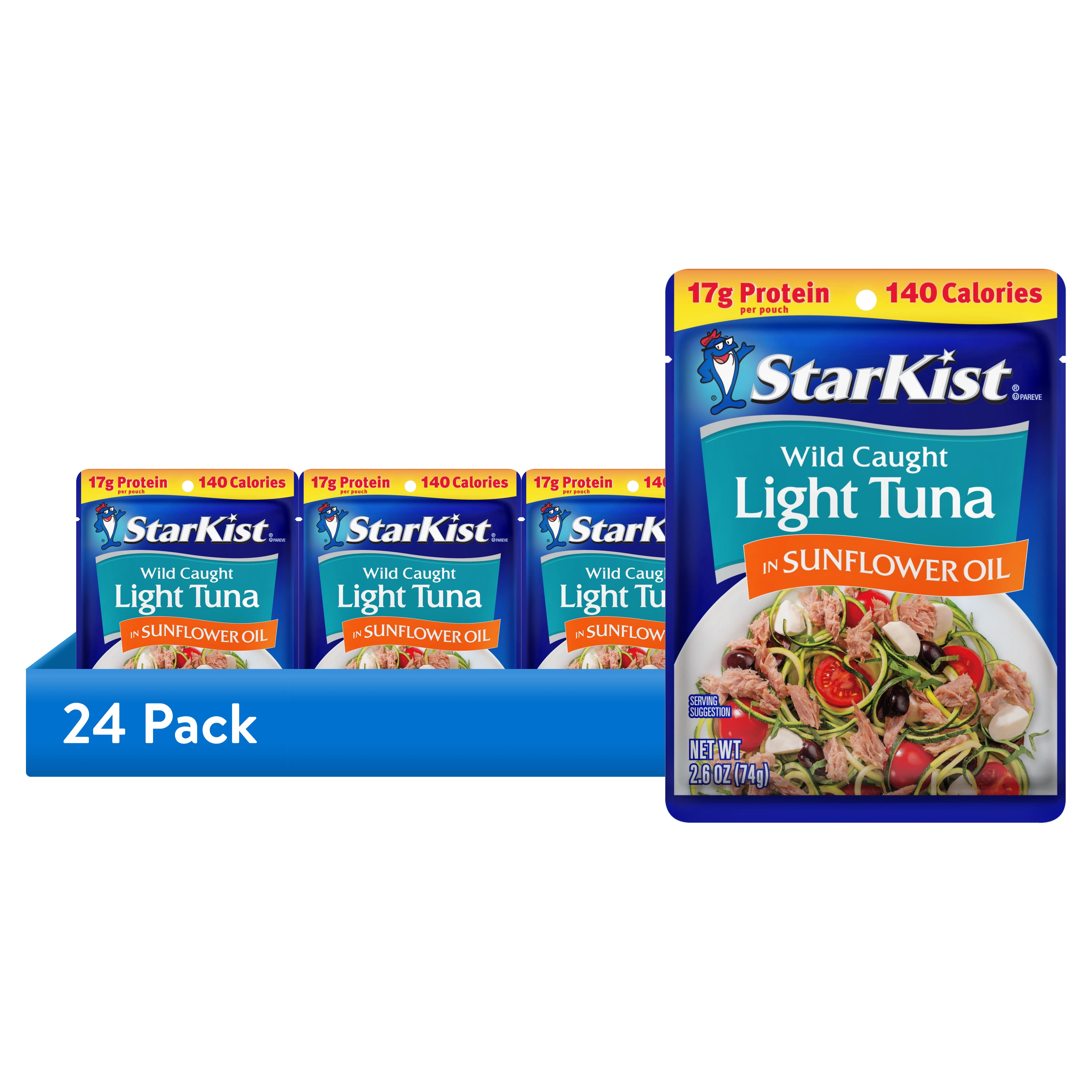
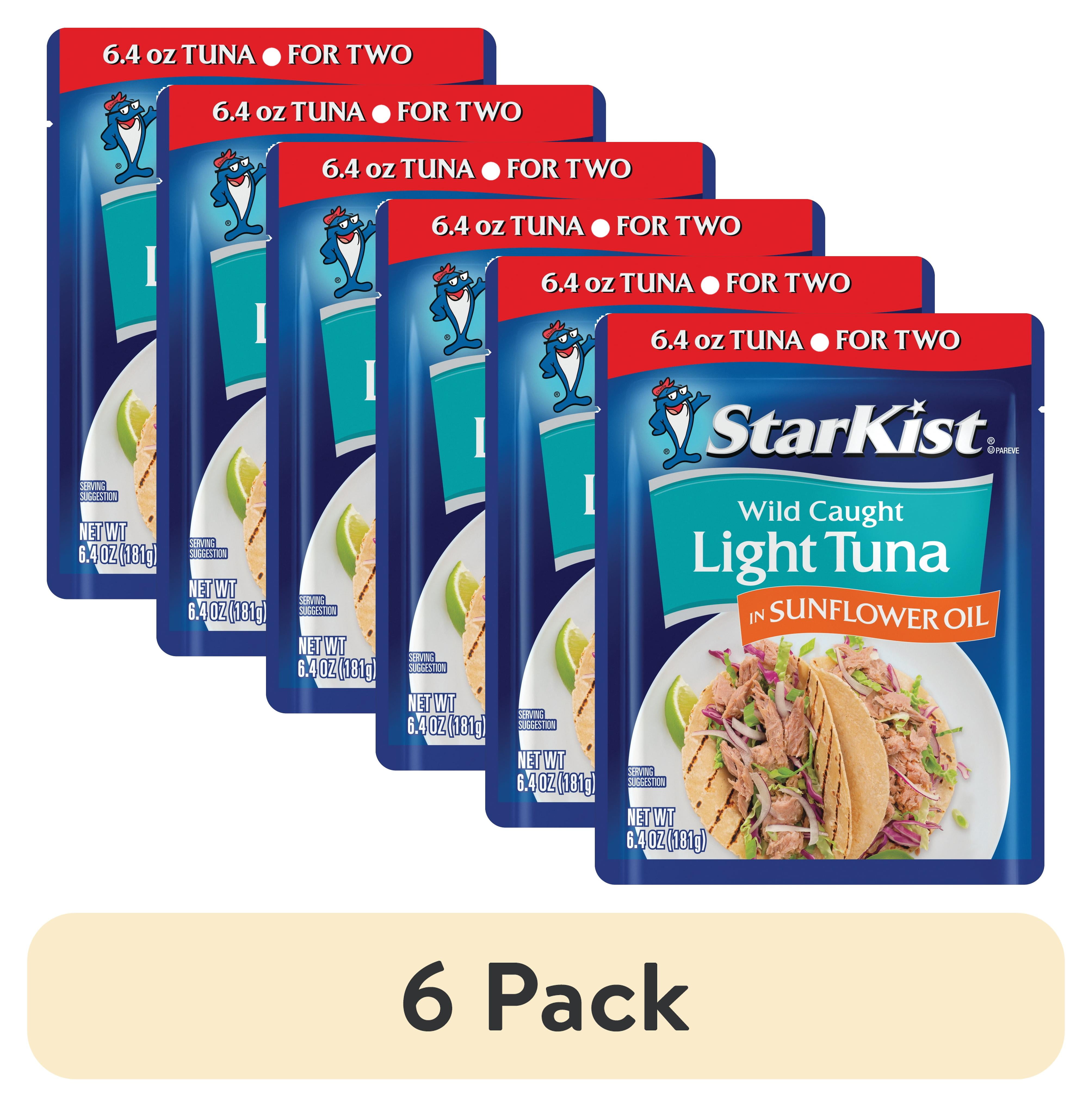
Starkist tuna packets provide a shelf-stable, protein-rich food source designed for convenience, offering various seasoned and plain varieties that eliminate the need for draining liquid. These single-serve pouches are engineered for p...
Starkist tuna packets provide a shelf-stable, protein-rich food source designed for convenience, offering various seasoned and plain varieties that eliminate the need for draining liquid. These single-serve pouches are engineered for portability, making them suitable for quick meals, travel, or emergency food supplies without the traditional weight and disposal requirements of metal cans.
Contents
The Evolution and Design of Tuna Packaging
For decades, the standard for shelf-stable seafood was the hermetically sealed metal can. In the early 2000s, manufacturers shifted toward retort pouches, a technology originally developed for military field rations. Starkist adopted this flexible packaging to solve several pain points associated with canned tuna: the need for a can opener, the messy process of draining excess water or oil, and the sharp edges inherent in metal waste.
The Starkist tuna packet uses a multi-layer laminate material that withstands high-temperature sterilization, ensuring the product remains safe to eat for years without refrigeration. Unlike cans, which require a headspace of liquid to facilitate heat distribution during processing, the packet format allows for a "pressure-cooked" environment that preserves the texture of the fish more effectively. By 2026, this format has become the dominant choice for on-the-go nutrition, catering to busy professionals, outdoor enthusiasts, and individuals looking for calorie-controlled portion sizes.
Understanding the Range of Starkist Varieties
Starkist organizes its product line into three primary categories: plain varieties, seasoned fillets, and "Smart Bowls." Understanding these differences is essential for matching the product to your culinary or dietary needs.
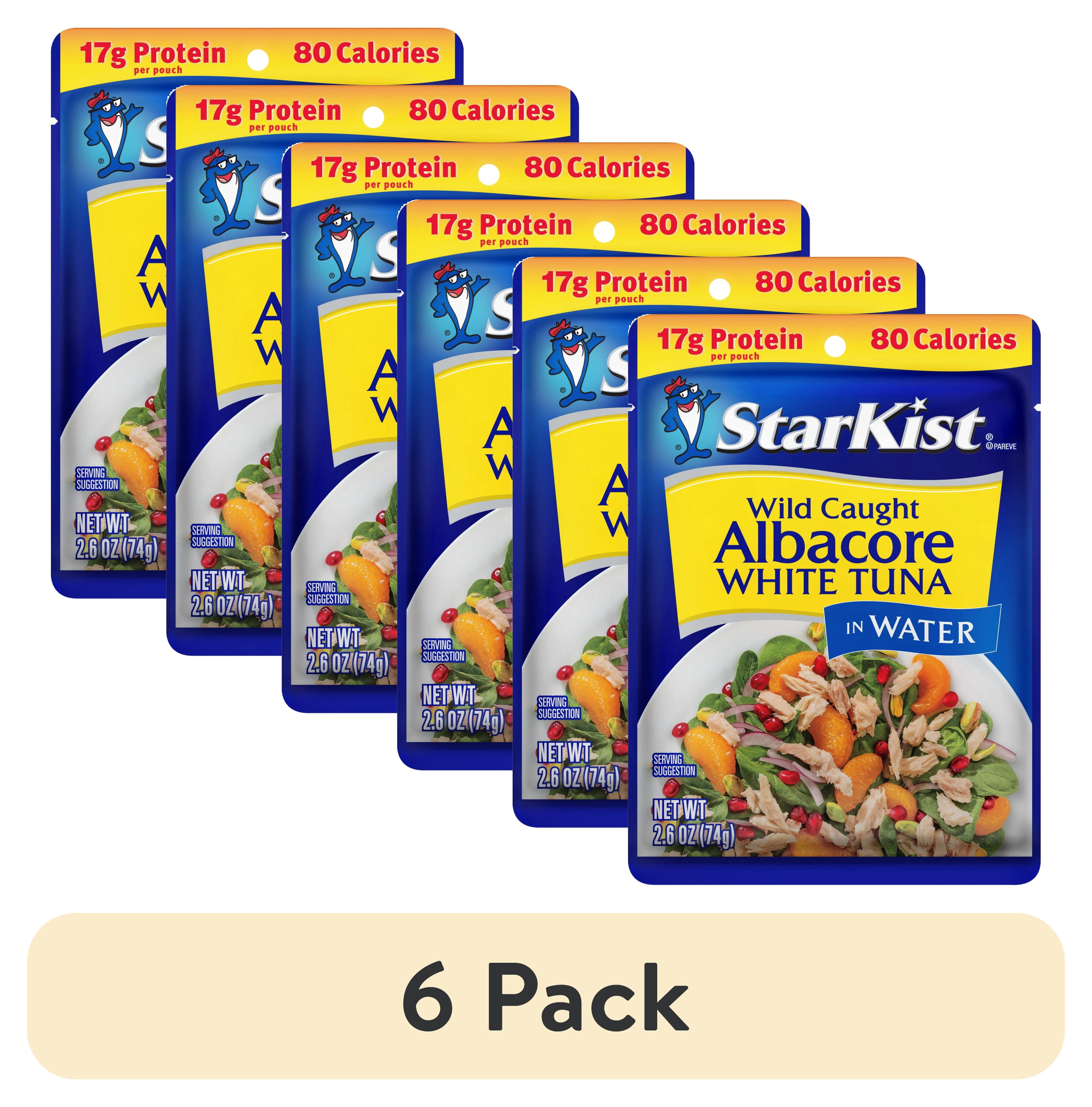
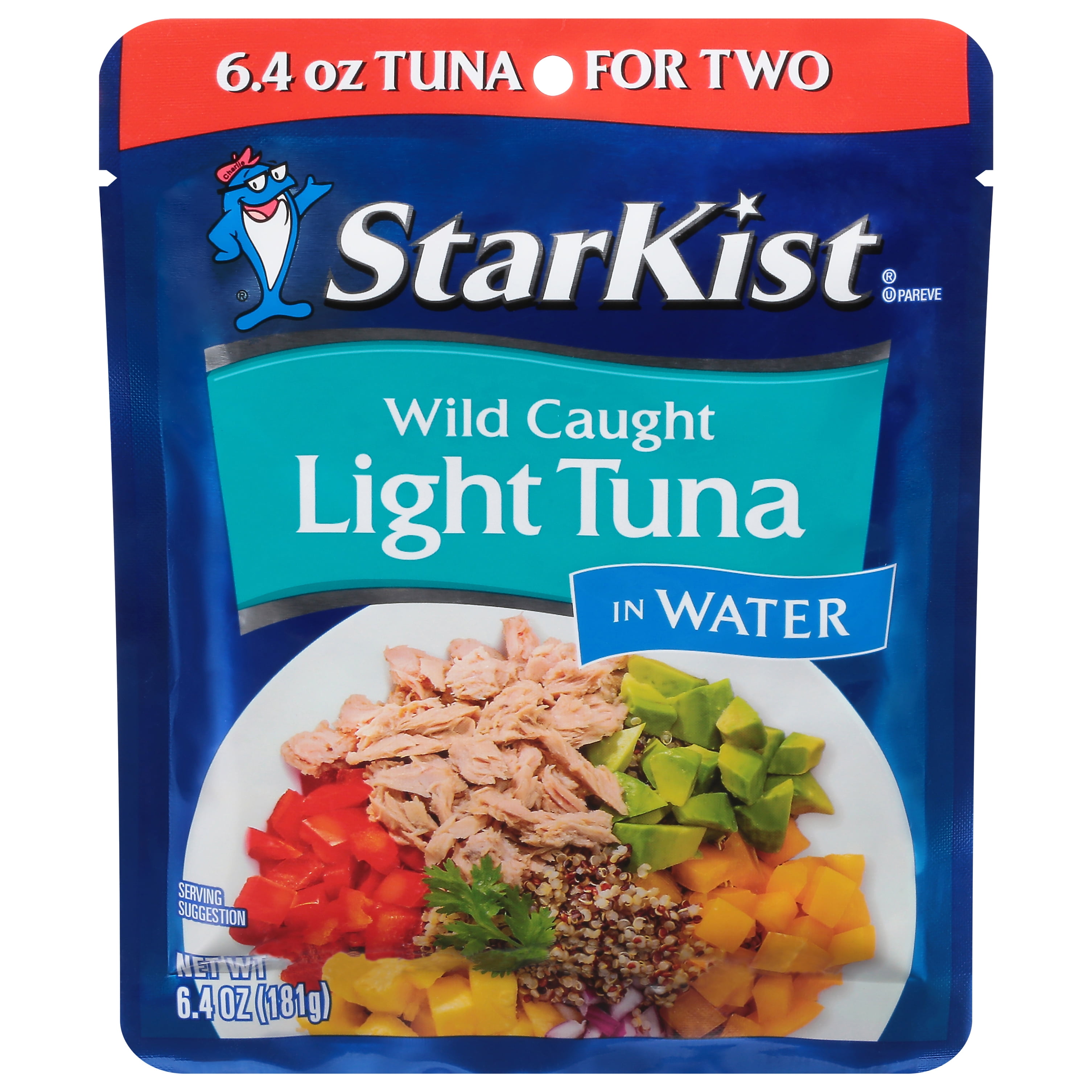
- Plain Tuna: This category includes Skipjack and Albacore varieties, typically packed in water. These are intended to be a blank canvas for salads, sandwiches, or recipes where the consumer prefers to add their own seasonings or mayonnaise.
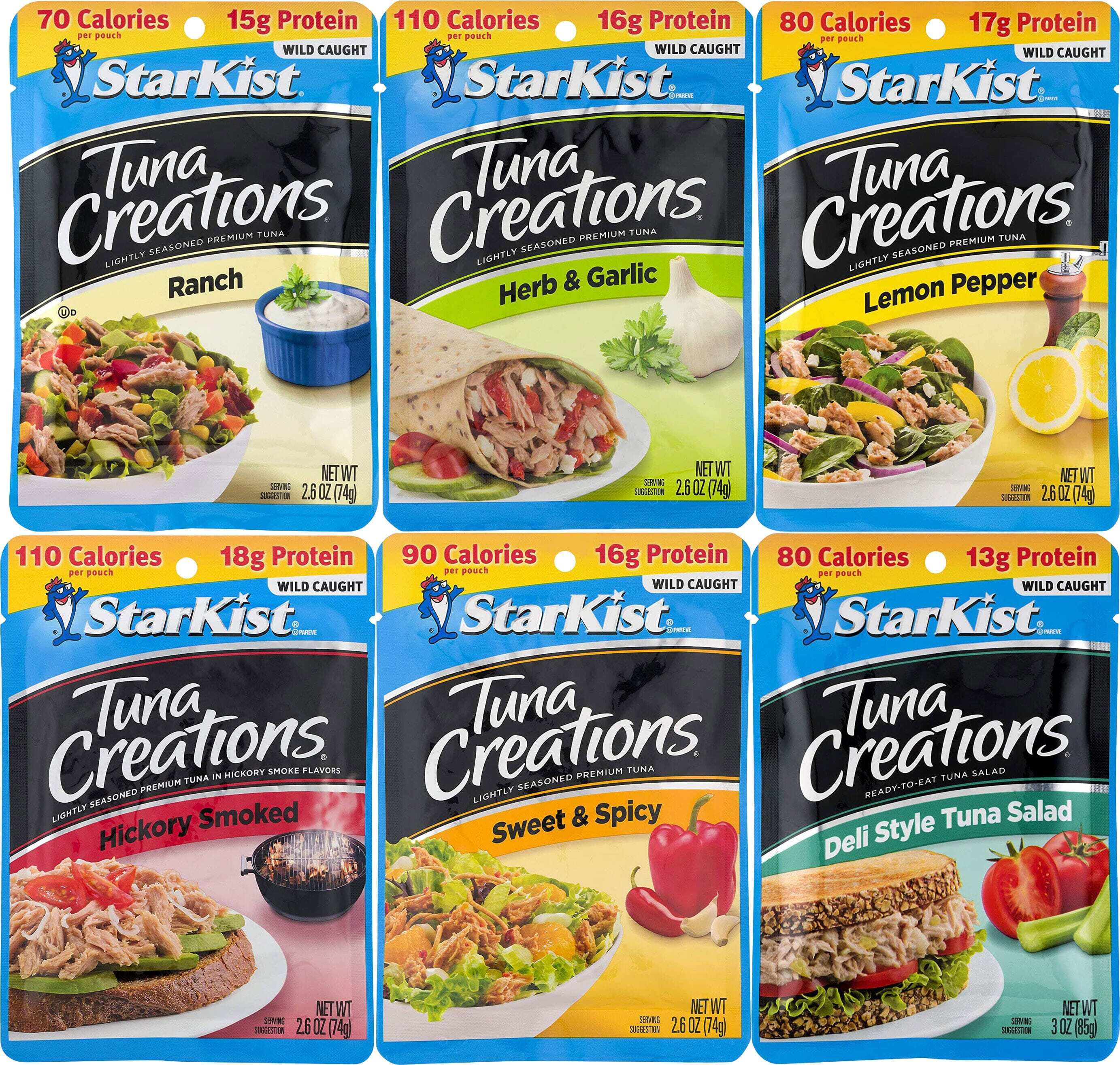
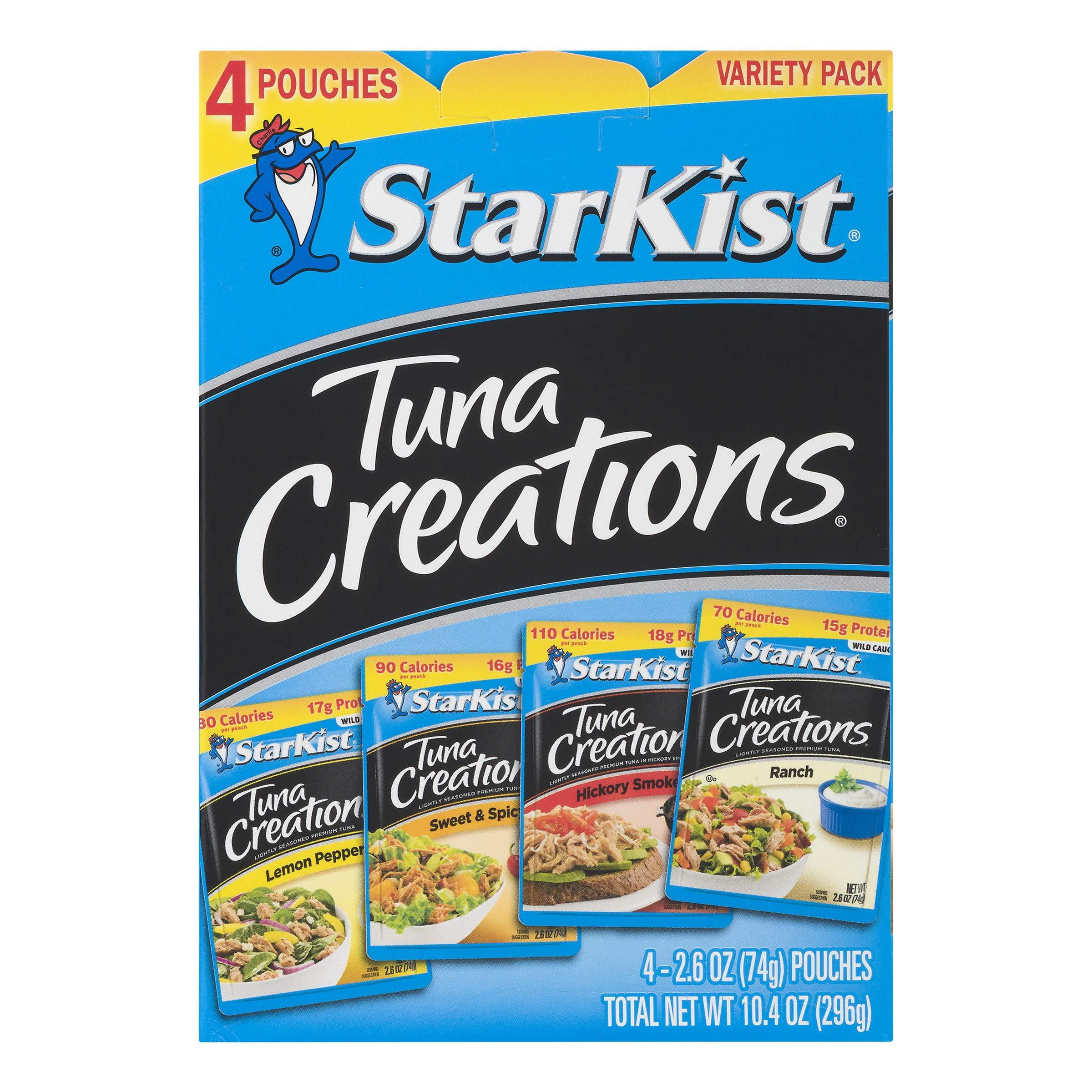
- Seasoned Fillets: Starkist offers a wide array of flavored packets, such as "Lemon Pepper," "Thai Chili," "Hickory Smoked," and "Spicy Tuna." These utilize pre-blended marinades and spices, effectively removing the labor from meal preparation. These varieties are generally designed to be consumed directly from the pouch or placed on a cracker.
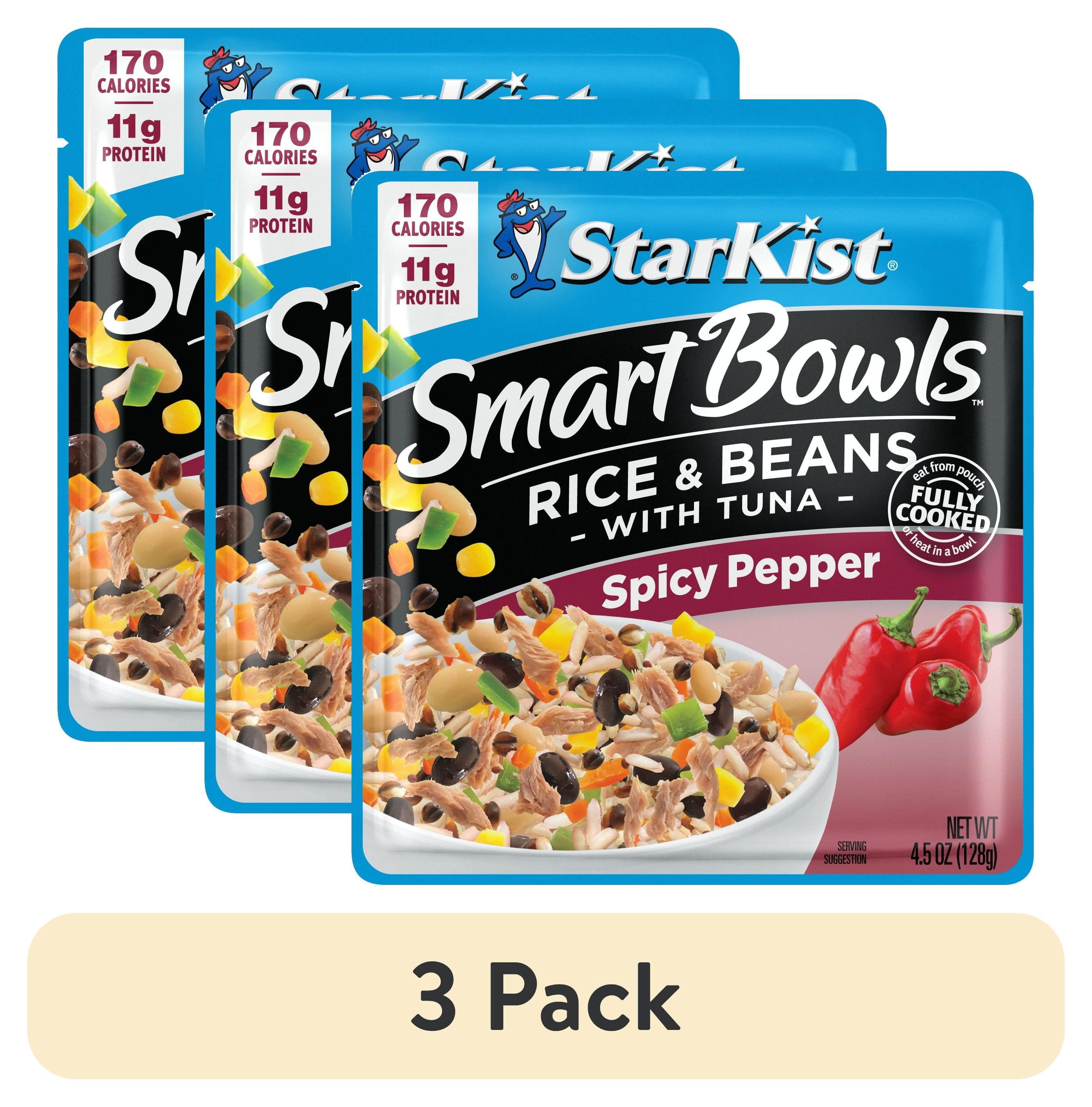
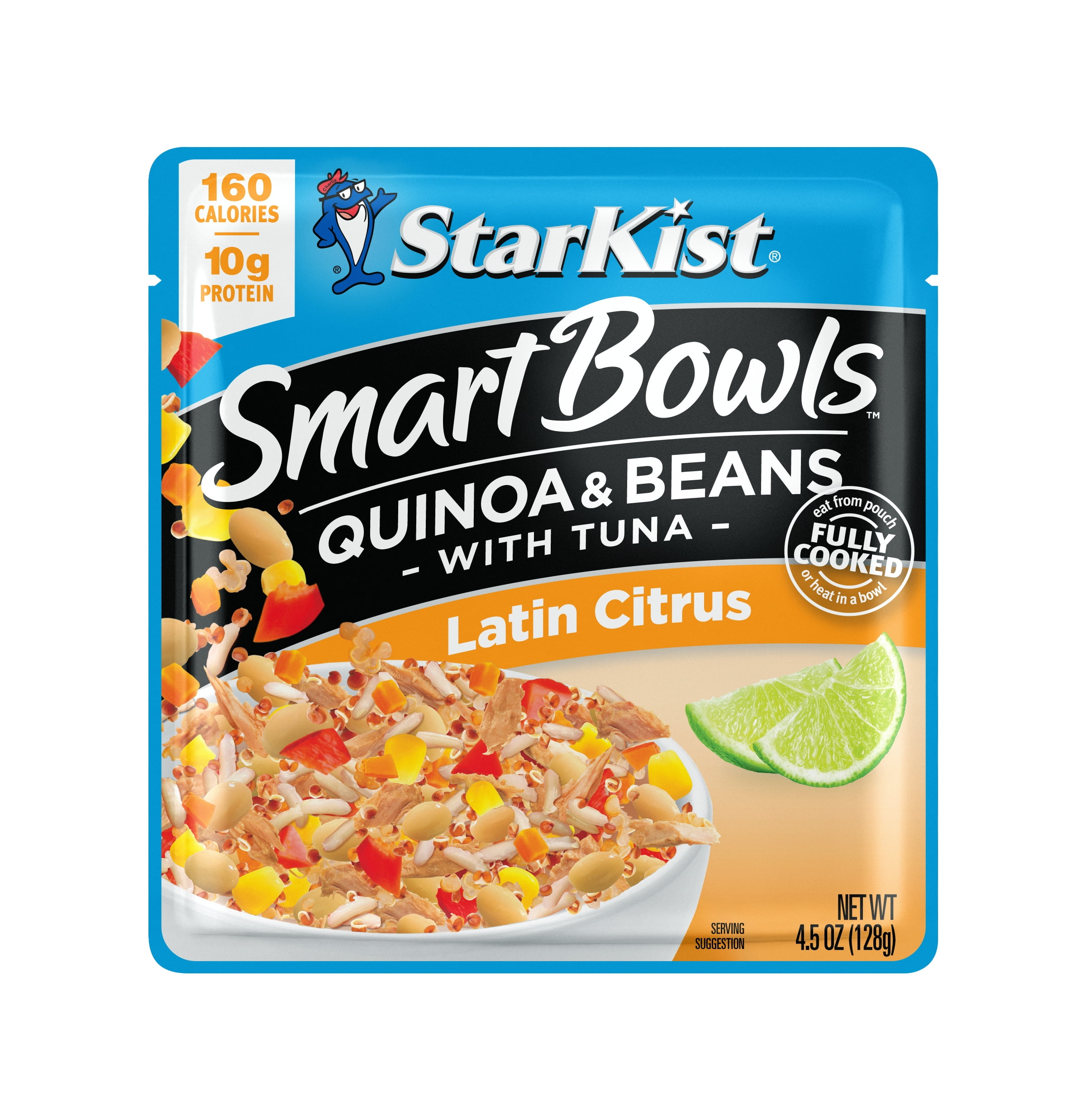
- Smart Bowls: Introduced as a more substantial meal solution, these combine tuna with grains like quinoa or rice. These represent a shift toward "complete meals" that provide complex carbohydrates alongside the protein found in the standard fish-only packets.
Nutritional Considerations and Health Profile
Tuna is a high-quality source of lean protein and essential omega-3 fatty acids. However, consumers should be aware of the nutritional nuances between different Starkist packet lines.
The primary benefit of the tuna packet is the preservation of nutrients that might otherwise be lost during the draining of a traditional can. When you drain a can of tuna, you often lose a portion of the water-soluble vitamins and healthy oils. Because the tuna in a packet is cooked in its own juices and sealed, the nutrient profile is more concentrated and retained within the meat.
For individuals monitoring their sodium intake, it is important to verify the nutrition label on flavored packets. While the fish itself is low in sodium, the added sauces and seasonings used in varieties like "Buffalo Style" or "Sweet & Spicy" can significantly increase the sodium content per serving. Always cross-reference the ingredient list against your personal dietary requirements, particularly if you are managing conditions related to blood pressure.
Practical Applications and Storage
The shelf life of a Starkist tuna packet is printed on the packaging, usually spanning three to five years under optimal storage conditions. To maintain maximum quality, packets should be stored in a cool, dry environment away from direct sunlight. Exposure to extreme heat—such as inside a vehicle during the summer—can degrade the quality of the proteins and the integrity of the seasoning, even if the seal remains intact.
Because these packets are lightweight and flat, they are ideal for:
- Backpacking and Camping: They provide a lightweight alternative to heavy cans and eliminate the "pack-out" requirement for heavy metal waste.
- Office Lunches: The lack of liquid means no risk of spills in a briefcase or desk drawer.
- Emergency Kits: Their compact nature allows for efficient storage in limited space, such as a "go-bag" or small pantry.
Comparison of Tuna Delivery Methods
The following table compares the physical and practical characteristics of Starkist packets against traditional metal cans to help you determine which format suits your specific use case.
| Feature | Tuna Packet (Pouch) | Traditional Metal Can |
|---|---|---|
| Draining Required | No | Yes |
| Tool Required | None | Can Opener |
| Weight | Lightweight (approx. 2.6 oz) | Heavy (approx. 5-7 oz) |
| Packaging Waste | Flexible plastic/foil | Metal (recyclable but bulky) |
| Safety | No sharp edges | Potential for sharp lid edges |
| Flavor Profile | Retains juices/seasonings | Often requires added ingredients |
Common Mistakes and Troubleshooting
While the packets are user-friendly, consumers occasionally encounter issues that can be prevented with proper handling.
Punctures and Compromised Seals: The primary risk with flexible packaging is a puncture. Before opening any packet, inspect the exterior for signs of damage. If the seal looks pinched, swollen, or if there is any visible moisture on the outside of an unopened packet, do not consume the product. Unlike cans, which may show "bulging" as a sign of gas buildup from bacteria, a damaged pouch is often immediately evident by a breach in the laminate.
Usage Challenges: If the tuna feels clumped, it is simply a result of the pressure-cooking process. Simply use a fork or massage the unopened packet gently to break up the fish before tearing the top. If you find the seasoned varieties too intense, you can easily dilute them by mixing them with a plain packet or adding them to a larger base like lettuce or cooked pasta.
Frequently Asked Questions
Are Starkist tuna packets gluten-free? Most of the plain Starkist tuna varieties are gluten-free. However, seasoned varieties may contain ingredients like soy sauce or modified food starches that could contain gluten. Always check the specific packaging for the "Gluten-Free" certification or consult the ingredient statement.
Can I freeze an unopened tuna packet? It is not recommended to freeze the packets. Freezing can cause the liquid inside to expand, potentially stressing the seals and leading to leaks upon thawing. Furthermore, the texture of the fish may become mushy once defrosted.
How does the mercury content in Starkist packets compare to canned tuna? The mercury content is determined by the species of tuna (e.g., Albacore vs. Skipjack) rather than the packaging method. Starkist provides information on its species sourcing on its official website, which consumers should review if they are concerned about cumulative mercury intake.
What should I do if my packet is slightly puffy? If a pouch appears distended or puffy, it indicates that gas has been produced inside, which is a significant safety warning. Do not open or consume a packet that shows signs of inflation or leakage.
Are the packets recyclable? Because the pouches are made of a multi-layer laminate (a composite of foil and plastic), they are not typically accepted in curbside recycling programs. They are intended as single-use convenience items rather than sustainable, infinitely recyclable packaging.
Next Steps for Consumers
When integrating Starkist tuna packets into your routine, start by identifying your primary goal. If you are prioritizing low-cost bulk nutrition, traditional canned tuna remains the economic standard. If you are prioritizing portability and immediate usability, the premium cost of the packet is justified by the time saved and the convenience of the seasoned varieties. For the most balanced approach, keep a mix of plain packets for versatile meal building and seasoned packets for quick, grab-and-go nutrition. Always verify the current nutrition labels on the specific variety you purchase, as Starkist occasionally updates its recipes and seasoning profiles to meet changing consumer preferences.
Image Gallery