Deep Analysis of Viggo Mortensen’s Performance as Aragorn in The Lord of the Rings
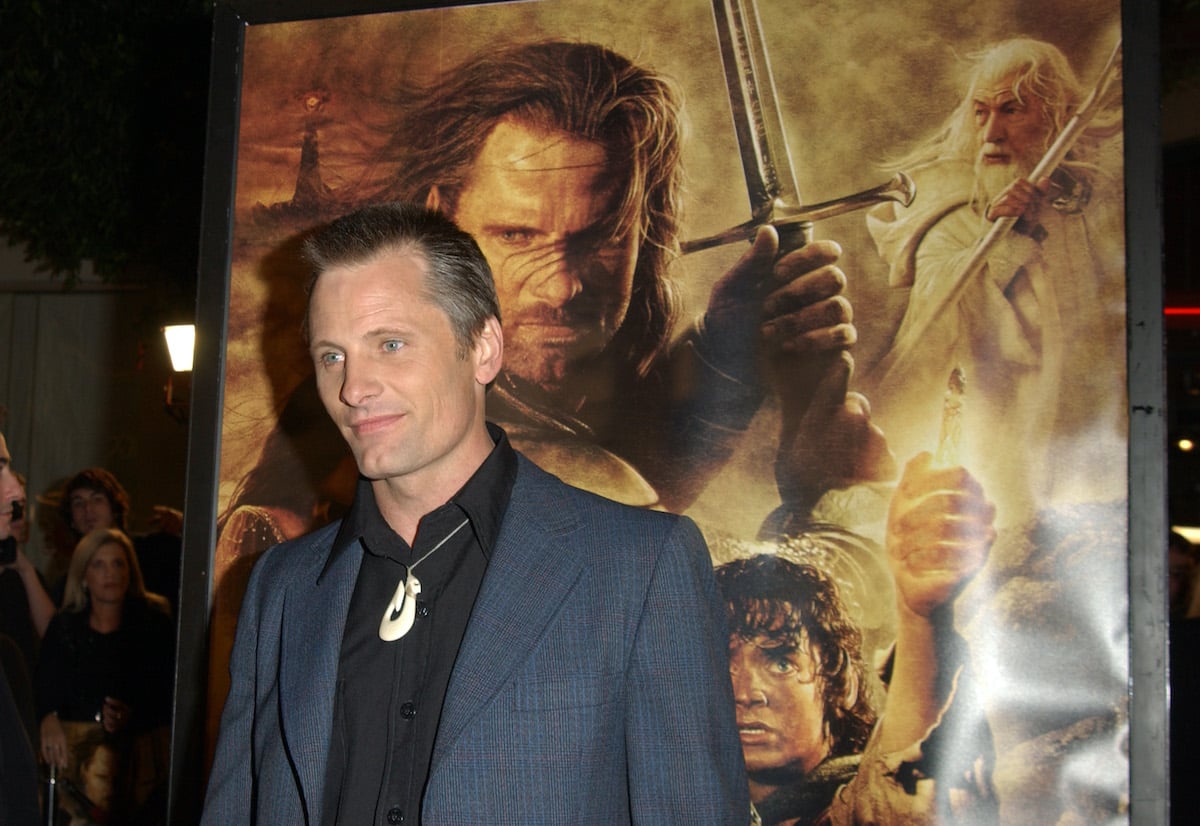
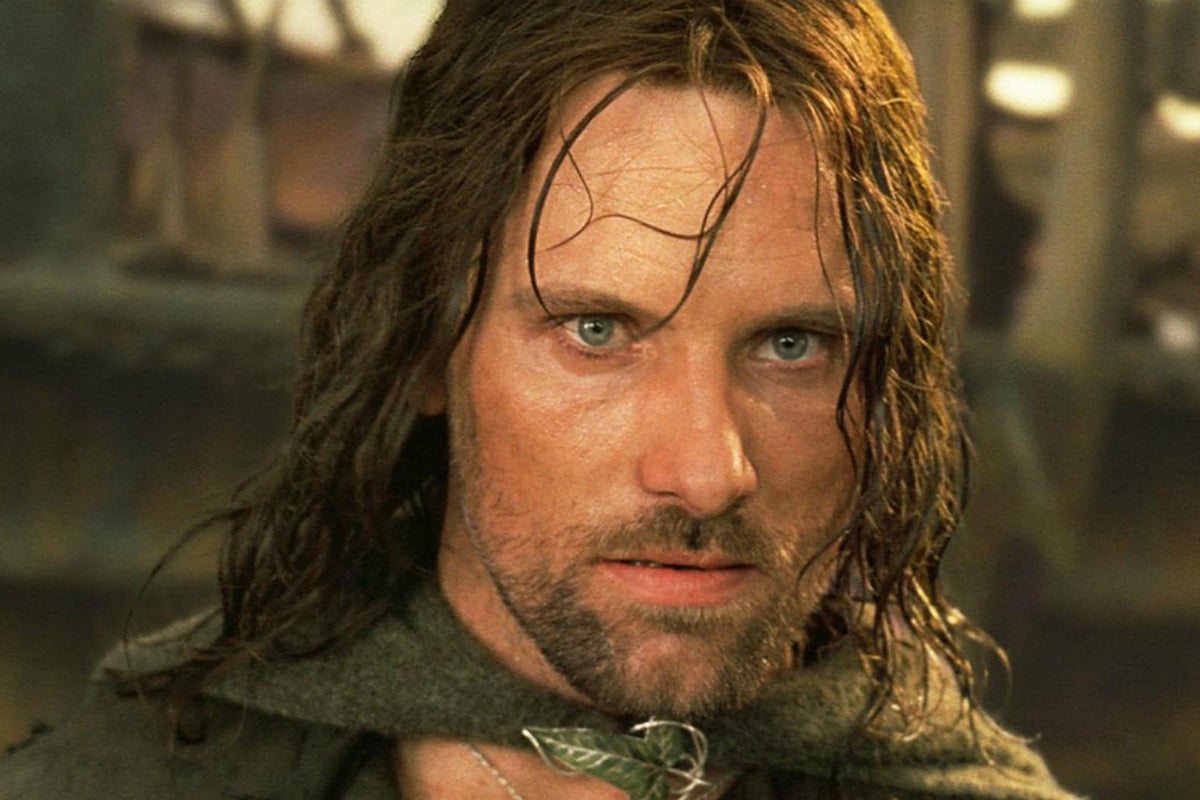
Viggo Mortensen’s portrayal of Aragorn in Peter Jackson’s The Lord of the Rings trilogy is widely regarded as a benchmark for fantasy acting. By blending intense method acting, physical commitment, and a nuanced interpretation of a "re...
Viggo Mortensen’s portrayal of Aragorn in Peter Jackson’s The Lord of the Rings trilogy is widely regarded as a benchmark for fantasy acting. By blending intense method acting, physical commitment, and a nuanced interpretation of a "reluctant king," Mortensen transformed a classic literary archetype into a grounded, emotionally resonant cinematic icon whose legacy remains unmatched as of 2026.
Contents
The Genesis of an Icon: From Replacement to Revelation
To understand the depth of Viggo Mortensen’s performance, one must first recognize the unconventional circumstances of his casting. Originally, the role of Aragorn was assigned to Stuart Townsend. However, shortly after filming began, Peter Jackson realized the character required an actor with a more weathered, mature presence. Mortensen was famously recruited at the eleventh hour, joining the production in New Zealand without having met the director or read J.R.R. Tolkien’s novels.
The analysis of this transition reveals a pivotal shift in the trilogy's tone. Mortensen’s hesitation to take the role—resolved only when his son, Henry, a fan of the books, urged him to do so—mirrored the character of Aragorn himself. This "reluctant hero" energy became the foundation of his performance. Unlike many lead actors who seek the spotlight, Mortensen’s approach was subtractive; he focused on the burden of the character’s lineage rather than the glory of his destiny. This decision fundamentally altered the audience's perception of the "Strider" persona, making the transition to King Elessar feel earned rather than inevitable.
The Physicality of the Ranger: Method Acting and Realism
One of the most analyzed aspects of Mortensen’s work is his immersion into the role, often cited in film schools as a masterclass in physical characterization. Mortensen did not merely play a Ranger; he lived as one. His commitment to the "Strider" identity involved several key behaviors that translated directly to the screen's authenticity:
- Weaponry Mastery: Mortensen insisted on carrying a real steel sword rather than a lightweight aluminum or rubber prop. This added weight changed his gait and the way he interacted with his environment, lending a sense of "heft" to his movements that digital effects could not replicate.
- Living in Costume: Reports from the set indicate that Mortensen often repaired his own costume using a needle and thread and spent nights sleeping in his Ranger gear to ensure it looked authentically weathered and "lived-in."
- Linguistic Depth: Aragorn is a character of high lineage who speaks Sindarin (Elvish). Mortensen, a polyglot in real life, didn't just memorize phonetic lines; he studied the structure of Tolkien’s languages to ensure his delivery felt natural, emphasizing the character’s dual identity as both a man of the wild and a noble of the West.
This physical dedication extended to his stunt work. The legendary sword-fighting coach Bob Anderson, who worked with the likes of Errol Flynn and the actors of Star Wars, described Mortensen as the best swordsman he ever trained. This technical proficiency allowed Jackson to film long, wide shots of combat, proving to the audience that the man on screen was truly capable of leading an army against the forces of Mordor.
Character Arc Comparison: Strider to Elessar
The following table outlines the progression of Mortensen’s performance across the trilogy, highlighting the shifting technical and emotional focus of his portrayal.
| Film Phase | Character Identity | Key Performance Focus | Significant Physical Detail |
|---|---|---|---|
| The Fellowship of the Ring | Strider / The Ranger | Mystery, suspicion, and protective vigilance. | Low-profile movements, hiding the face in shadows. |
| The Two Towers | The Captain | Leadership under duress, grief, and endurance. | Tracking skills, the "Brego" horse connection, leading the defense of Helm's Deep. |
| The Return of the King | The King (Elessar) | Acceptance of destiny, humility, and inspiration. | Upright posture, commanding voice, the transition to the crown. |
Redefining the Reluctant King: A Departure from the Source Material
A critical analysis of Mortensen’s Aragorn must acknowledge the divergence between the films and J.R.R. Tolkien’s original text. In the books, Aragorn is more certain of his path; he carries the shards of Narsil from the beginning and intends to claim the throne of Gondor. Peter Jackson and screenwriters Fran Walsh and Philippa Boyens chose to give Aragorn a more modern internal conflict: a fear of the "weakness" in his bloodline, inherited from Isildur.
Mortensen’s ability to sell this internal conflict is what prevents the character from becoming a one-dimensional "chosen one." His performance is defined by quiet moments—his weary look at the statues of the Argonath, his gentle interactions with the hobbits, and his visible grief at the death of Boromir. By playing Aragorn as a man who doubts his own worthiness, Mortensen makes the eventual coronation in The Return of the King a moment of profound personal victory. This vulnerability humanized the high-fantasy setting, providing an emotional anchor for an audience that might otherwise find the lore impenetrable.
The "Leadership" Legacy on Set
Beyond the frame, Mortensen’s role as a leader influenced the entire production. It is well-documented that the actors playing the Fellowship looked to him as a mentor. This off-screen dynamic bled into the chemistry of the films. When Mortensen famously broke his toes while kicking a helmet in The Two Towers—a take that was used in the final cut—his refusal to stop filming became a rallying point for the cast and crew.
His interactions with the "Orc" extras also deserve mention. While many lead actors remain distant from background performers, Mortensen often engaged with them, treating the stunt performers with a level of respect that fostered a high-intensity environment during the grueling battle sequences. This mutual respect is visible in the visceral energy of the fight scenes; there is a tangible sense of danger because the actors were fully committed to the physical reality of the conflict.
Cultural Impact and 2026 Perspective
Looking back from 2026, twenty-five years since the initial release of The Fellowship of the Ring, Mortensen’s Aragorn remains the definitive interpretation of the character. While newer adaptations and spin-offs have attempted to capture the magic of Middle-earth, few have matched the "soul" that Mortensen brought to the screen. His performance proved that fantasy could be "prestige" acting, paving the way for the complex character studies seen in later television and film epics.
The performance also challenged the traditional Hollywood definition of masculinity. Mortensen’s Aragorn is a man who weeps for his fallen friends, who kneels before those smaller than him ("My friends, you bow to no one"), and who leads through service rather than domination. This nuanced masculinity has allowed the performance to age gracefully, remaining relevant to new generations of viewers who value emotional intelligence as much as physical prowess.
Frequently Asked Questions
Did Viggo Mortensen actually do his own stunts?
Yes, Viggo Mortensen performed the vast majority of his own stunts and swordplay throughout the trilogy. This commitment led to several real-life injuries, including a chipped tooth during the Helm’s Deep sequence (which he asked to be glued back on so he could continue filming) and two broken toes in The Two Towers. His proficiency with the sword was so high that stunt coordinators often used him as the standard for other performers.
How did Mortensen’s portrayal differ from the book version of Aragorn?
The primary difference lies in the character’s motivation. In Tolkien’s books, Aragorn is more assertive about his right to the throne and carries the sword Narsil (reforged early on). In the films, Mortensen plays a more "reluctant" hero who fears that he will succumb to the same temptations of power that ruined his ancestor, Isildur. This change provided a more cinematic character arc of self-discovery and growth.
What happened to the horse Viggo Mortensen rode in the films?
Mortensen formed such a strong bond with the horses used in the production that he purchased them after filming concluded. This included the horse Uraeus (who played Brego) and Kenny (who played Hasufel). His decision to buy the horses was driven by his desire to ensure they were well-cared for after the grueling three-year production schedule in New Zealand.
Is Viggo Mortensen's Aragorn considered the best fantasy performance?
While subjective, many critics and film historians consistently rank Mortensen’s Aragorn at the top of the genre. His performance is credited with grounding the high-fantasy elements of The Lord of the Rings in a believable human reality. The technical precision of his method acting combined with his emotional range set a standard that few fantasy films have since replicated.
Final Recommendation for Analysis Seekers
For those wishing to deepen their understanding of this performance, a focused viewing of the Extended Editions of the trilogy is essential. These versions contain significant character beats—such as Aragorn’s interactions with the Dunedain lore and his internal struggle with the "Voice of Saruman"—that were cut from the theatrical releases. Additionally, the behind-the-scenes documentaries (specifically the "Appendices") provide invaluable footage of Mortensen’s training and his collaborative process with Peter Jackson. Observing the contrast between his quiet, thoughtful real-life persona and the explosive intensity of his performance as Aragorn provides the ultimate insight into his craft.
Image Gallery