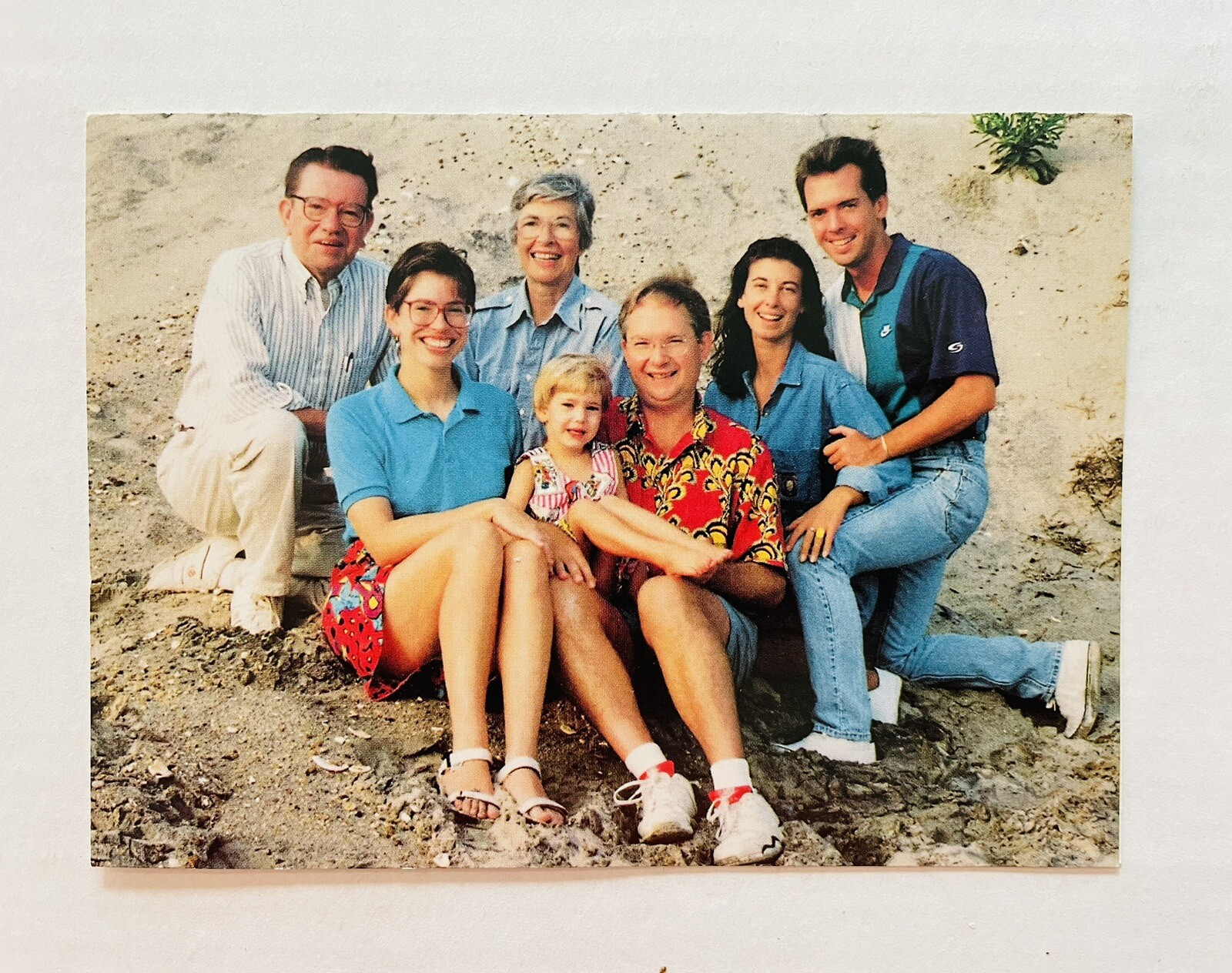
Understanding Paul Miller’s Family Context in Canadian Politics
Paul Miller’s presence in Canadian politics centers primarily on municipal governance and provincial legislative representation in Ontario, particularly his tenure as a Member of Provincial Parliament (MPP) representing the riding of H...
Paul Miller’s presence in Canadian politics centers primarily on municipal governance and provincial legislative representation in Ontario, particularly his tenure as a Member of Provincial Parliament (MPP) representing the riding of Hamilton East—Stoney Creek. When examining political figures at this level, public interest often extends to family background, spousal involvement in local governance, and how familial ties intersect with public service. In Miller’s case, his political profile is closely linked with his wife, Carolin Morley, who has also been active in municipal politics in Hamilton, creating a notable family dynamic within the region's municipal and provincial spheres.
Contents
The Political Landscape of Hamilton East—Stoney Creek
Canadian politics operates across three distinct tiers: federal, provincial, and municipal. Understanding Paul Miller’s career requires examining the provincial landscape of Ontario and the specific dynamics of the Hamilton region. Hamilton East—Stoney Creek is an industrial and residential riding with a distinct political identity, characterized by strong labor traditions and working-class advocacy.
As an MPP, Miller served at the provincial level within the Legislative Assembly of Ontario. Provincial politics in Ontario governs areas such as healthcare, education, municipal affairs, and labor relations. Politicians operating within industrial heartlands like Hamilton often build their bases on community advocacy, grassroots engagement, and labor support. Family members frequently play supportive, organizational, or parallel roles in building these local political bases, managing constituency expectations, and navigating party structures.
Paul Miller’s Legislative Career and Transition
Paul Miller served as the MPP for Hamilton East—Stoney Creek for over a decade, initially elected under the provincial New Democratic Party (NDP) banner. Throughout his tenure, he held various critic roles, focusing on issues related to tourism, culture, sport, and government services.
The trajectory of a provincial politician often involves navigating shifting party dynamics, caucus relations, and constituency demands. In 2022, Miller transitioned to sitting as an independent member following his removal from the Ontario NDP caucus. This shift altered his operational capacity within the legislature, moving him from a structured party framework to an independent legislative status. In such transitions, the logistical and emotional support systems provided by family members—ranging from public advocacy to private counsel—frequently become central to a politician's resilience and ongoing community engagement.
Familial Involvement: Carolin Morley and Municipal Governance
A key component of the Miller family's footprint in Canadian politics is the active involvement of Paul Miller’s wife, Carolin Morley. Morley has been a prominent figure in local municipal politics, having served as a Hamilton city councillor.
Municipal governance in Ontario deals with hyper-local issues, including infrastructure, public transit, local taxation, policing, and zoning bylaws. Having members of the same household operate across different tiers of government—provincial and municipal—creates a dual-channel advocacy presence within a single community.
Intersecting Levels of Government
When family members hold elected offices at different levels within the same geographic footprint, several operational patterns emerge:
- Constituent Cross-Over: Residents frequently bring municipal concerns to provincial offices and vice versa. A household containing both an MPP and a municipal councillor develops a deep, shared understanding of regional grievances.
- Campaign Infrastructure: Local campaigns rely heavily on trusted networks. Spouses and family members often act as campaign managers, treasurers, or primary volunteers, utilizing shared community standing to mobilize voters.
- Public Scrutiny: Public visibility extends to the entire family. Media scrutiny, policy debates, and electoral contests affect both individuals, requiring careful navigation of personal and professional boundaries.
Comparative Overview of Governance Tiers in Ontario
To understand how family involvement functions across Canadian political levels, the table below outlines the jurisdictions, responsibilities, and structural interactions relevant to provincial and municipal representation in Ontario.
| Governance Tier | Primary Representative | Core Responsibilities | Interaction with Family/Local Support |
|---|---|---|---|
| Provincial (Ontario) | Member of Provincial Parliament (MPP) | Healthcare, education, provincial taxation, labor laws, highway infrastructure. | Legislative staff management; riding association coordination; localized public relations. |
| Municipal (Hamilton) | City Councillor / Mayor | Public transit, local policing, water management, zoning, municipal property taxes. | Direct constituent engagement; grassroots community organizing; local event participation. |
Navigating Political Controversies and Independence
Political careers, particularly those spanning many years, frequently encounter public controversies, caucus disputes, or policy disagreements. When Paul Miller transitioned from the NDP caucus to sit as an independent, it highlighted the complex relationship between individual legislators and party discipline in the Canadian parliamentary system.
Party discipline is strict in Canadian legislatures, where members are generally expected to vote in alignment with party leadership and caucus consensus. Operating outside a recognized party structure as an independent places significant demands on a politician's personal support network. Family members often assist in managing constituent communications, public messaging, and legal or administrative considerations during such transitions.
Frequently Asked Questions
Who is Paul Miller in Canadian politics?
Paul Miller is a Canadian politician who served as the Member of Provincial Parliament (MPP) for the riding of Hamilton East—Stoney Creek in the Ontario legislature for over a decade, initially representing the provincial NDP before transitioning to an independent status.
What is the political background of Paul Miller’s family?
Paul Miller’s family background in politics is closely tied to municipal governance in the Hamilton area. His wife, Carolin Morley, has served as a Hamilton city councillor, establishing a dual presence of family representation across municipal and provincial levels within the same region.
How do provincial and municipal politics interact in Ontario?
Provincial politics handles broad public services like healthcare and education, while municipal politics manages local infrastructure, zoning, and transit. When family members serve across these distinct tiers, they often share local constituent networks while addressing different subsets of community needs.
What does it mean when an MPP sits as an independent?
An independent Member of Provincial Parliament does not belong to a recognized political caucus. They retain their legislative voting rights and constituency office responsibilities but lack party resources, research budgets, and structured caucus support.
Where can official records of Ontario legislative proceedings be found?
Official records, Hansard transcripts, voting histories, and member profiles for the Legislative Assembly of Ontario are publicly accessible through the official Legislative Assembly of Ontario website.
Practical Next Actions and Research Guidance
For researchers, journalists, or citizens seeking to examine the historical record or ongoing developments regarding Paul Miller and his family's involvement in Canadian politics, several verified avenues can be utilized:
- Consult Legislative Records: Review Hansard transcripts and votes on the Legislative Assembly of Ontario portal to evaluate Miller’s legislative record, private member bills, and committee participation during his tenure.
- Examine Municipal Archives: Access historical council minutes, motions, and committee reports via the City of Hamilton official website to review Carolin Morley’s municipal policy positions and voting history.
- Review Electoral Data: Consult official reports from Elections Ontario for certified voting results, campaign financial filings, and historical electoral boundaries for the Hamilton East—Stoney Creek riding.
Image Gallery