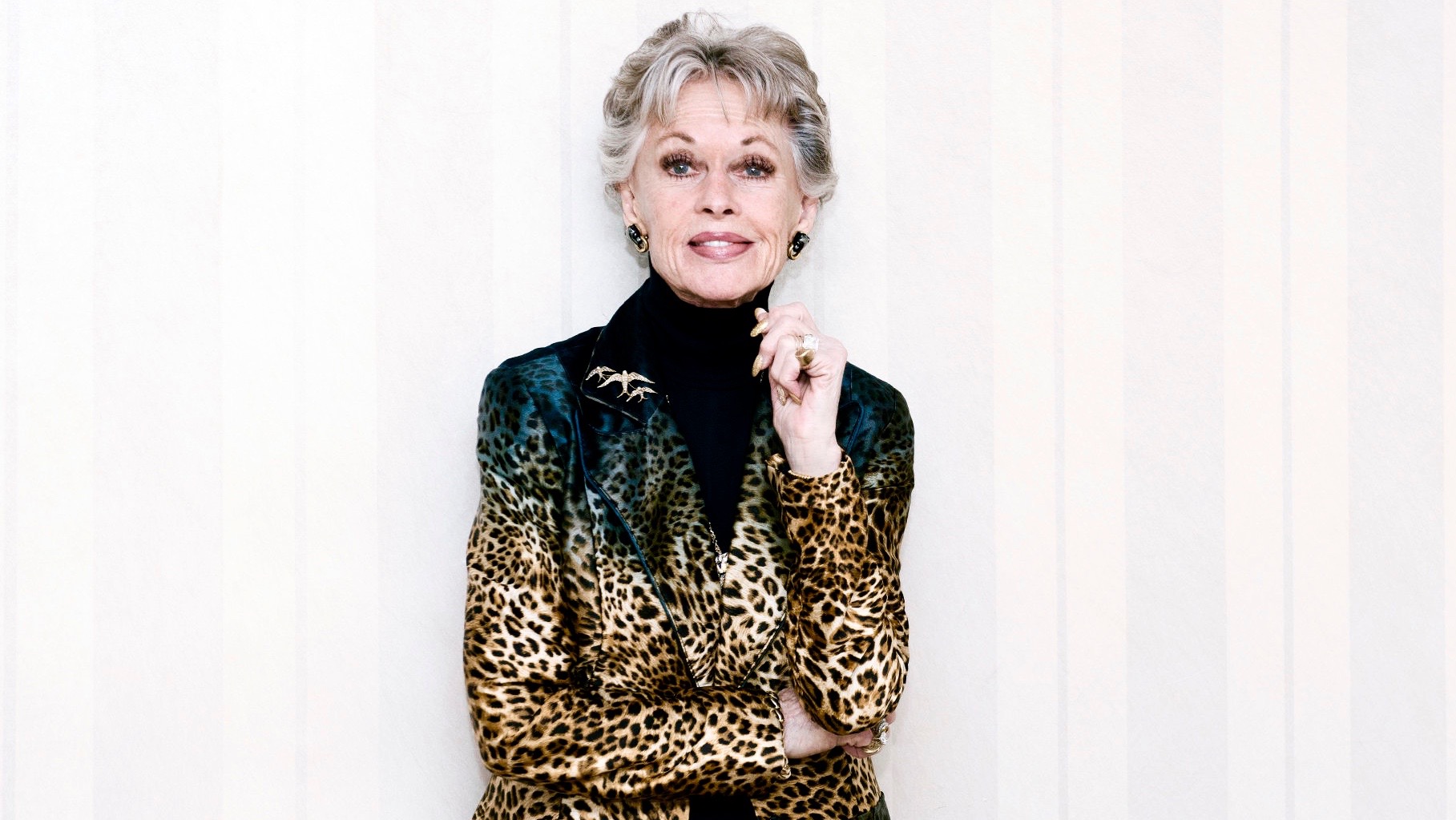
The Surprising Reach of Tippi Hedren Modeling Photos
Tippi Hedren’s modeling photos represent more than just a mid-century fashion portfolio; they served as the essential catalyst for her cinematic discovery and continue to influence global luxury branding in 2026. Her transition from a...
Tippi Hedren’s modeling photos represent more than just a mid-century fashion portfolio; they served as the essential catalyst for her cinematic discovery and continue to influence global luxury branding in 2026. Her transition from a New York high-fashion staple to a timeless visual icon demonstrates the enduring power of a curated, sophisticated aesthetic across multiple generations.
Contents
The Foundation of a Visual Legacy: The New York Years
Long before she became the face of Alfred Hitchcock’s suspense masterpieces, Tippi Hedren was a prolific and successful fashion model. Arriving in New York City in the early 1950s, she signed with the legendary Eileen Ford Agency. During this era, the modeling industry was undergoing a massive transformation, moving away from the stiff, mannequin-like poses of the 1940s toward a more relatable yet aspirational elegance.
Hedren’s portfolio from this period showcases the quintessential "New Look" influence popularized by Christian Dior. Her photos appeared in high-circulation publications such as Life, Glamour, and Harper’s Bazaar. The reach of these photos was significant because they defined the "sophisticated blonde" archetype that dominated Western advertising. Unlike many of her contemporaries, Hedren possessed a unique ability to convey narrative through a single still frame—a quality that would later catch the eye of the world’s most meticulous film directors.
The technical depth of her early modeling work is often overlooked. She worked with photographers who utilized the burgeoning technology of Kodachrome film, which emphasized the vibrant, saturated colors of 1950s textiles. Her ability to hold a pose while maintaining a sense of "dynamic stillness" made her a favorite for commercial accounts, ranging from high-end tobacco advertisements to luxury department store catalogs.
The Bridge to Cinema: The Sego Commercial and Photo Exposure
The "surprising reach" of her modeling work is best exemplified by a single 1961 television commercial for Sego, a liquid diet drink. While technically a filmed advertisement, the production relied heavily on Hedren’s experience as a print model. In the spot, she walks across a street, and a young boy whistles at her—a moment of effortless grace that caught the attention of Alfred Hitchcock.
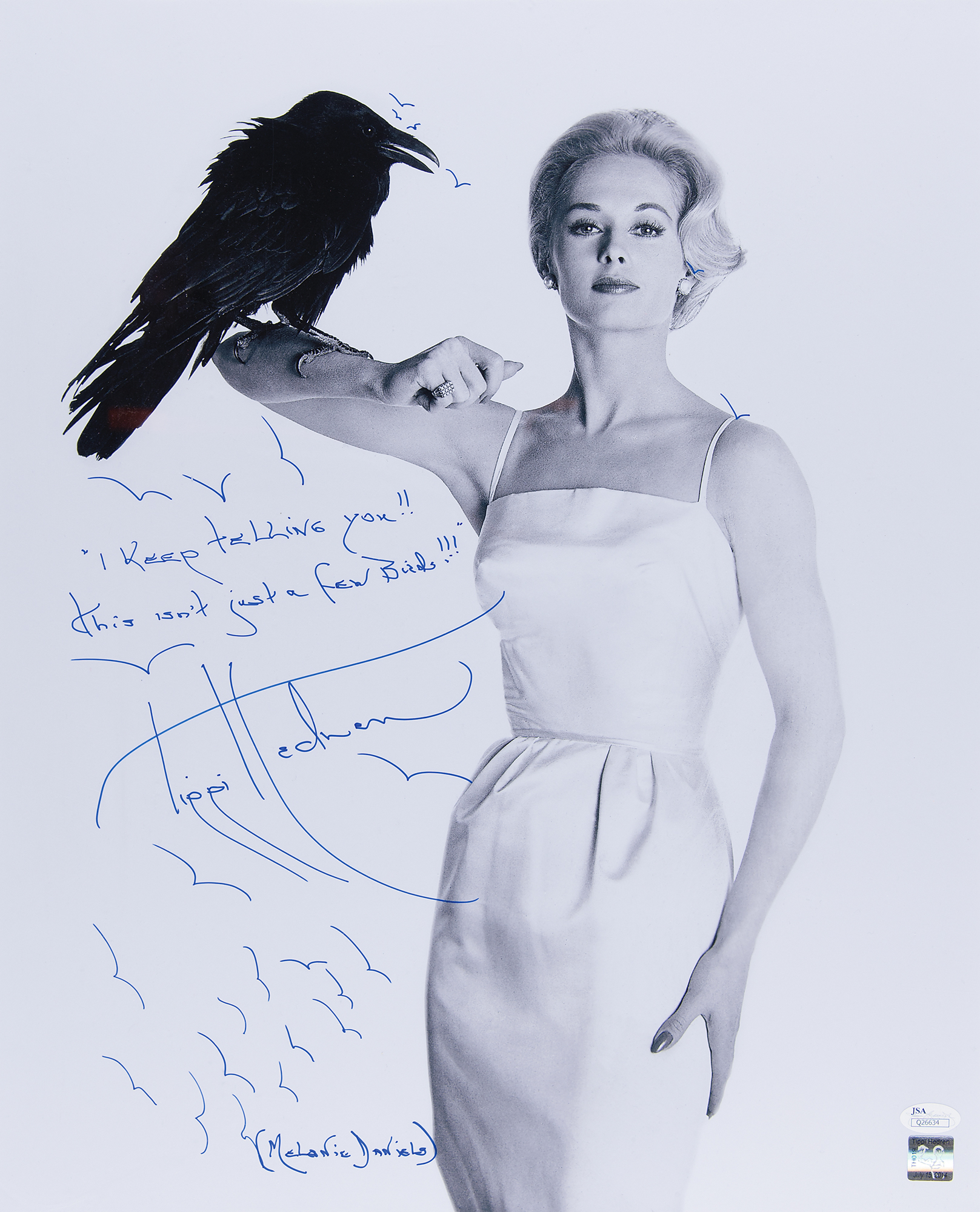
Hitchcock was notoriously specific about the visual composition of his "leading ladies." He wasn't looking for an actress; he was looking for a specific visual template that he had seen in her modeling photos and the Sego commercial. This transition represents a rare moment in media history where a model’s commercial portfolio acted as a direct screen test for a major motion picture.
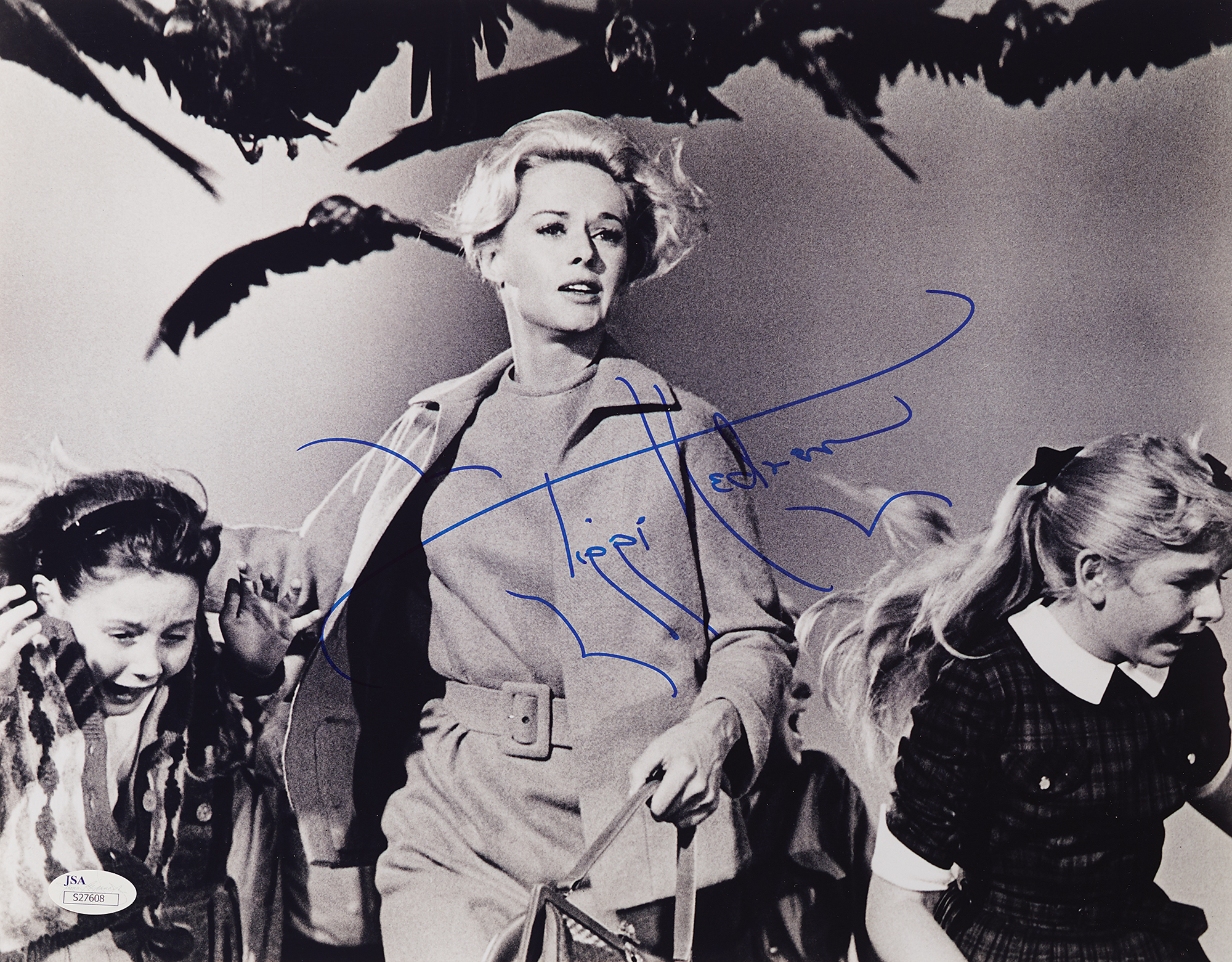
When Hitchcock signed her to a personal contract, he didn't just cast her; he sought to refine her modeling aesthetic into a cinematic brand. The photos taken during her early years at Universal Studios were a hybrid of high-fashion editorial and character study. These images reached global audiences, cementing the "Hitchcock Blonde" as a permanent fixture in the cultural lexicon.
The Enduring Aesthetic: Why Hedren’s Images Resonate in 2026
As we look at the landscape of fashion and media in 2026, Tippi Hedren’s modeling photos maintain a surprising level of relevance. This is not merely due to nostalgia but rather the "cyclical nature of elegance." In an era of hyper-digitalized and often fleeting social media trends, the structured, deliberate nature of Hedren’s mid-century photos offers a "visual anchor" for modern designers.
Her influence is visible in the way modern luxury brands approach "quiet luxury" and "old money" aesthetics. The reach of her 1950s and 60s photos has extended into the mood boards of current creative directors. These professionals look to Hedren’s work for:
- Precision Tailoring: Her photos often showcased the structural integrity of mid-century suits.
- Controlled Expression: The ability to look "beyond the camera," a technique Hedren mastered in her NYC modeling days.
- Color Theory: The specific palette of the late 50s—teals, muted golds, and stark blacks—which continues to trend in 2026 interior and fashion design.
Case Study: The 2018 Gucci Campaign and Modern Revival
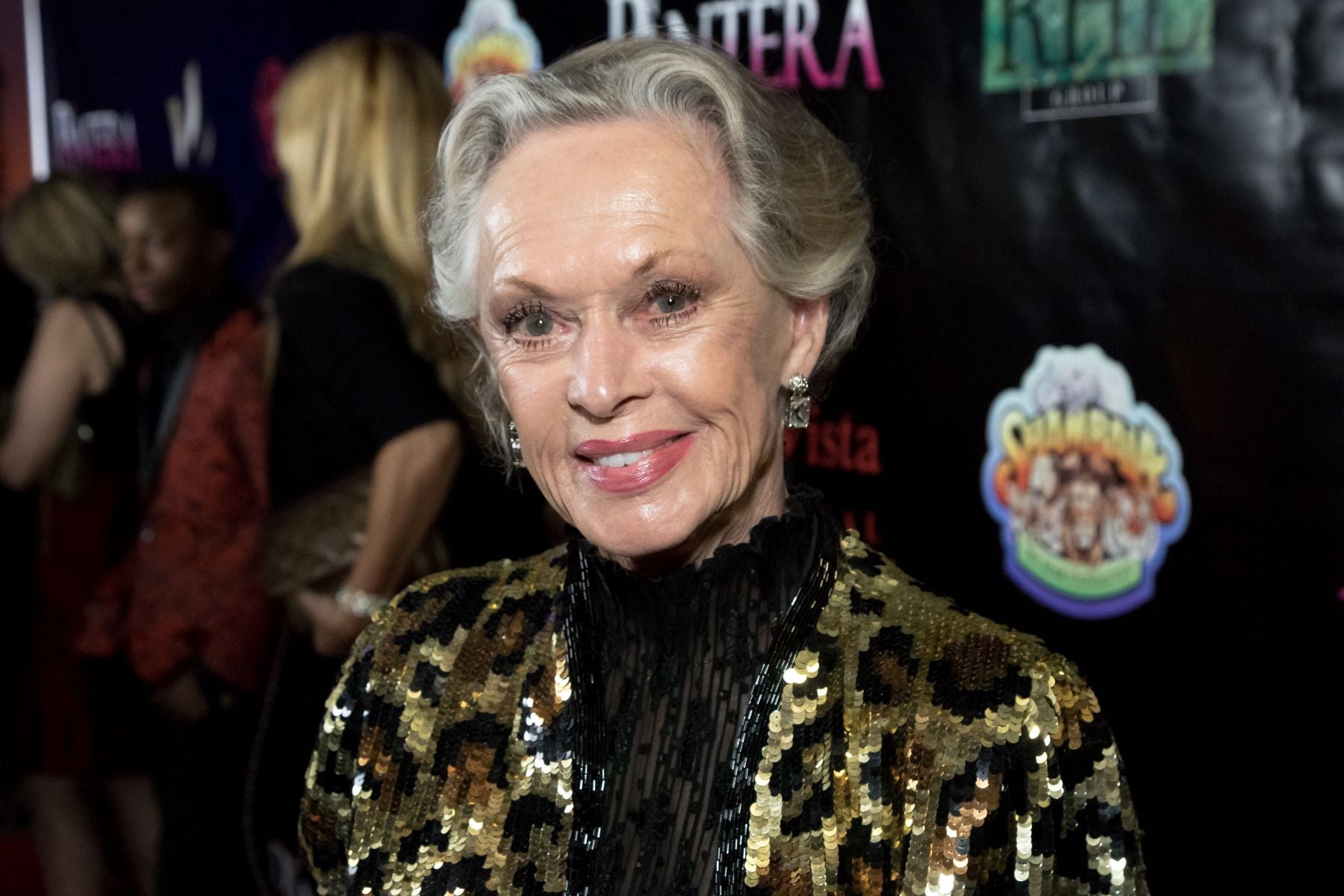
One of the most concrete examples of the reach of Hedren’s modeling image occurred in late 2018, when the luxury house Gucci featured her as the face of their jewelry and timepieces campaign. Even decades after her peak modeling years, the brand recognized that her visage carried a specific "weight" of mystery and high-society glamour.
In the campaign, Hedren played a mysterious fortune teller. The photography style leaned heavily into the aesthetics established during her early modeling and film career. This wasn't just a tribute; it was a strategic use of her "visual DNA" to sell high-end products to a new generation. By 2026, this campaign is cited in fashion marketing textbooks as a prime example of "Legacy Branding," where the historical reach of a model's previous work is leveraged to provide authenticity to a contemporary product.
| Era | Primary Media | Key Aesthetic Impact | Long-term Reach |
|---|---|---|---|
| 1950–1960 | Print (Life, Glamour) | High-fashion elegance, "New Look" sophistication | Established the blueprint for mid-century advertising. |
| 1961–1964 | TV Commercials & Film | The "Hitchcock Blonde," mystery, and poise | Transferred modeling techniques into cinematic iconography. |
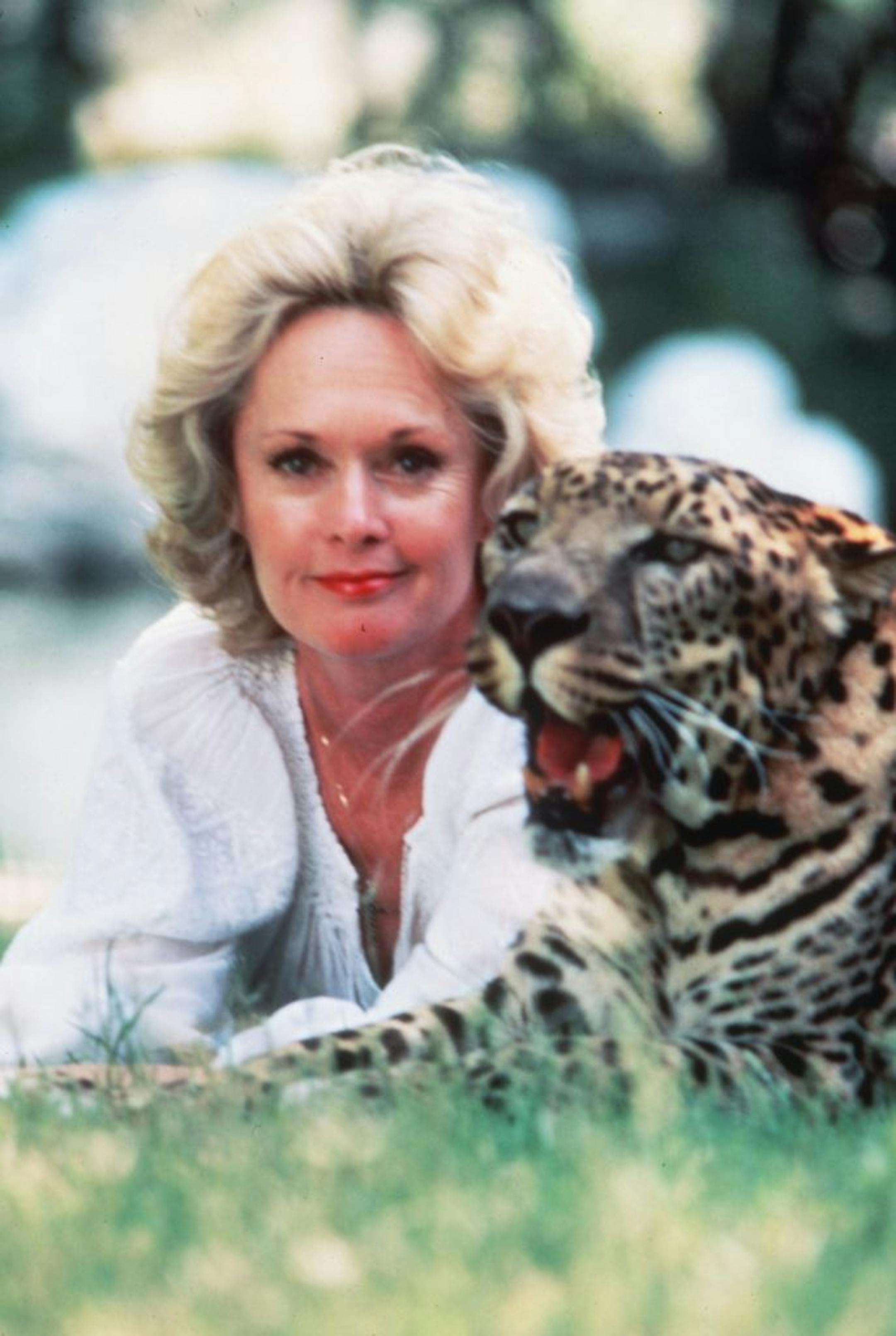
| 1980–2010 | Animal Activism Photos | Conservation-focused, rugged but refined | Shifted her image from "object of gaze" to "active protector." |
| 2018–2026 | Luxury Campaigns (Gucci) | Legacy Iconography, "Quiet Luxury" | Used her historical "reach" to validate modern luxury goods. |
The Intergenerational Reach: From Tippi to Dakota
The surprising reach of Tippi Hedren’s modeling photos also manifests through her descendants. Her daughter, Melanie Griffith, and her granddaughter, Dakota Johnson, have both inherited and adapted the visual legacy Hedren established.
Fashion analysts in 2026 often point to the "Hedren Lineage" when discussing how certain physical traits and modeling styles are passed down. Dakota Johnson, in particular, has frequently participated in photoshoots that overtly reference her grandmother’s 1960s aesthetic. This creates a "recursive loop" of imagery where the original photos of Tippi Hedren are constantly being rediscovered by fans of her granddaughter. This intergenerational reach ensures that the original source material—the modeling photos from the 50s—never truly goes out of style.
Technical Analysis of the "Hedren Look" in Photography
To understand the reach of these photos, one must analyze the technical components that made them successful. Hedren was known for her "porcelain" complexion and her ability to work with harsh lighting setups common in mid-century studios.
- Chiaroscuro Lighting: Many of her most famous modeling photos utilized high-contrast lighting, which accentuated her bone structure. This technique has been heavily emulated by modern digital photographers seeking to replicate a "vintage" feel.
- Wardrobe Architecture: Hedren was often photographed in structured garments—hats, gloves, and tailored coats. These items required a model who could maintain a rigid posture without looking stiff.
- The "Gaze": Hedren’s modeling was characterized by a "distant gaze." Unlike the "smiling housewife" trope common in 1950s ads, Hedren often looked off-camera, creating a sense of narrative mystery that made her photos more memorable than standard commercial fare.
Preservation and Accessibility of the Portfolio
In 2026, the reach of these photos has been further extended by digital archiving. Institutions like the Academy of Motion Picture Arts and Sciences and various fashion archives have worked to digitize her early print work. This accessibility allows young designers and photography students to study her techniques in high resolution.
The surprising reach also extends to the "collectors' market." Original prints of her early modeling work, especially those from her time with Ford Models, have seen a steady increase in value at auction. This indicates that her modeling photos are now being treated as fine art rather than just commercial artifacts.
Frequently Asked Questions
How did Tippi Hedren’s modeling career lead to her role in The Birds?
Alfred Hitchcock saw her in a 1961 television commercial for a diet drink called Sego. Her poise and "cool blonde" aesthetic in that commercial—which was an extension of her print modeling work—convinced him that she had the visual presence required for the lead role of Melanie Daniels.
Who were the main photographers Tippi Hedren worked with?
While she worked with many uncredited studio photographers, her portfolio includes work from prominent mid-century fashion photographers. Her time at the Eileen Ford Agency placed her in the rooms with some of the best technical shooters in New York, who utilized then-cutting-edge 35mm and medium format film.
Is Tippi Hedren still modeling in 2026?
While she has largely retired from active modeling, her image continues to be used in "legacy campaigns" and retrospectives. Her 2018 Gucci campaign remains a landmark in how brands utilize the images of iconic actresses and former models in their senior years.
What makes her photos "surprising" compared to other 1950s models?
The surprise lies in the longevity and the "cross-medium" success. Most models of that era remained in print or transitioned into minor television roles. Hedren’s modeling photos effectively created a "visual brand" so strong that it dictated the casting of some of the most famous films in history and still influences fashion houses over 70 years later.
Are there any books specifically about her modeling career?
While most biographies focus on her relationship with Hitchcock or her animal rights work at Shambala Preserve, several fashion history books, such as those documenting the Eileen Ford era, feature her early work as a prime example of the 1950s Manhattan modeling scene.
Practical Recommendation for Researchers and Stylists
For those looking to capture the "Hedren Reach" in modern projects, the key is to focus on the balance between structural rigidity and narrative mystery. Whether you are a stylist in 2026 or a photography student, studying her early Life magazine spreads provides a masterclass in how to sell a lifestyle rather than just a garment.
To see these images in person, researchers should visit the George Eastman Museum or the Fashion Institute of Technology (FIT) archives, which house extensive collections of mid-century fashion periodicals. Understanding the reach of Tippi Hedren’s modeling photos requires looking past the "Hitchcock" label and seeing the professional model who mastered the art of the still image long before she ever stepped onto a film set.
Image Gallery