How to Build a Recruitment Guide: A Comprehensive Framework for 2026
Building a recruitment guide involves documenting your organization’s end-to-end hiring process, from identifying a vacancy to the candidate's first day. This guide acts as a standardized playbook that ensures consistency, reduces unco...
Building a recruitment guide involves documenting your organization’s end-to-end hiring process, from identifying a vacancy to the candidate's first day. This guide acts as a standardized playbook that ensures consistency, reduces unconscious bias, maintains legal compliance, and aligns hiring managers with the broader talent acquisition strategy of the company.
Contents
The Strategic Importance of a Standardized Recruitment Guide
As of 2026, the global labor market is characterized by high volatility and an increased reliance on specialized skills. In this environment, a recruitment guide is no longer a luxury but a fundamental operational requirement. Without a centralized document, hiring often becomes reactive and fragmented. Different departments may use varying criteria for evaluation, leading to inconsistent candidate experiences and potentially exposing the organization to legal risks.
A well-constructed recruitment guide serves several critical functions. First, it establishes a unified brand voice. Every communication a candidate receives, whether from a recruiter or a department head, should reflect the company's core values. Second, it promotes efficiency. By providing templates for job descriptions, interview questions, and offer letters, the guide reduces the administrative burden on hiring teams. Most importantly, it fosters equity. Standardized processes ensure that every candidate is evaluated against the same criteria, which is a vital component of modern Diversity, Equity, and Inclusion (DEI) initiatives.
Prerequisites for Developing Your Guide
Before you begin drafting the document, you must gather essential data and secure internal alignment. Building a guide in a vacuum often leads to a lack of adoption among stakeholders.
Identify Key Stakeholders
A recruitment guide affects multiple departments. You should consult with:
- Human Resources/Talent Acquisition: To define the legal and procedural guardrails.
- Hiring Managers: To understand the practical challenges of identifying technical talent.
- Legal Counsel: To ensure all steps comply with local labor laws, data privacy regulations (such as GDPR or updated 2026 state-level statutes), and pay transparency requirements.
- Executive Leadership: To ensure the guide reflects the long-term vision and culture of the organization.
Define Your Recruitment Tech Stack
Your guide must integrate seamlessly with the tools your team uses. Identify the primary Applicant Tracking System (ATS), Candidate Relationship Management (CRM) tools, and any AI-driven screening platforms currently in use. The guide should provide instructions on how to leverage these tools at each stage of the funnel to maintain data integrity and reporting accuracy.
Step 1: Defining the Recruitment Lifecycle
The core of your guide should be a step-by-step breakdown of the recruitment lifecycle. This ensures that everyone involved knows exactly what happens next and who is responsible for each action.
Phase 1: Requisition and Job Analysis
Every hire starts with a need. The guide should outline the process for requesting a new headcount. This includes the "Job Analysis" phase, where the hiring manager and recruiter define the specific skills, competencies, and experience required. Documentation here should include a "Kick-off Meeting" template to ensure all parties are aligned on the ideal candidate profile before a single job ad is posted.
Phase 2: Sourcing and Attraction
In 2026, sourcing has evolved beyond job boards. Your guide should detail various channels:
- Inbound Sourcing: Best practices for writing inclusive, performance-based job descriptions.
- Outbound Sourcing: Guidelines for reaching out to passive candidates via professional networks.
- Employee Referrals: Procedures for the internal referral program, including bonus structures and eligibility.
- Internal Mobility: Policies regarding how current employees can apply for new roles within the organization.
Phase 3: Screening and Assessment
This section describes how to filter the initial applicant pool. It should specify the criteria for resume reviews and the use of automated screening tools. If your organization uses psychometric testing, technical assessments, or work-sample tests, the guide must explain when these are administered and how the results should be interpreted.
Step 2: Standardizing the Interview Process
The interview stage is where the most significant risks for bias and inconsistency occur. A recruitment guide must provide a framework for structured interviewing.
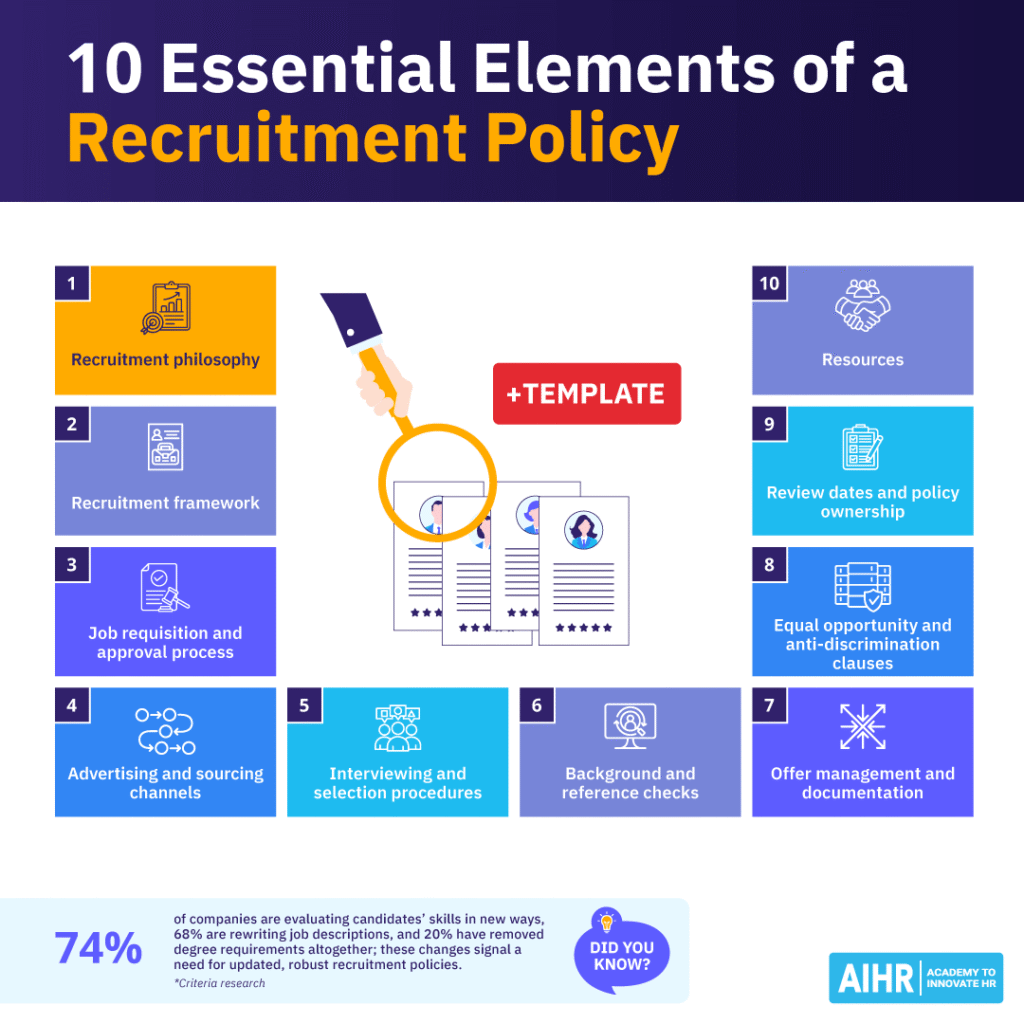
Developing Interview Scorecards
A scorecard is a quantitative tool used to evaluate candidates against specific competencies. Your guide should include examples of scorecards that use a 1–5 scale or a "Strong Yes/Strong No" format. By requiring interviewers to document their findings immediately, you reduce the impact of "recency bias" or "halo effects" where one positive trait overshadows other weaknesses.
Formulating Interview Questions
Provide a library of behavioral and situational questions. Use the STAR method (Situation, Task, Action, Result) to help interviewers probe deeper into a candidate’s past performance. For example, rather than asking "Are you a good leader?", the guide should suggest "Tell me about a time you had to lead a team through a significant change. What was the outcome?"
Managing the Interview Panel
Clarify who should be on the panel. A diverse panel (representing different genders, ethnicities, and departments) provides a more holistic view of the candidate. The guide should define roles: one person may focus on technical skills, another on cultural contribution, and another on soft skills like communication and empathy.
Step 3: Offer Management and Closing
Once a finalist is identified, the transition from candidate to employee must be handled with precision. The guide should outline the internal approval process for compensation packages to ensure they align with the 2026 budget and pay equity standards.
The Verbal and Written Offer
Provide a checklist for the verbal offer: discussing start dates, benefits, and answering any final candidate questions. This should be followed by a standardized written offer letter template. The guide must specify the "expiry date" for offers and the procedure for handling counter-offers or negotiations.
Background Checks and Compliance
Detail the required background checks (e.g., criminal, education, employment verification). In 2026, it is critical to state the provider used and the expected turnaround time, as well as how the organization handles adverse findings in a way that is legally compliant and ethical.
Step 4: Legal Compliance and Ethical Sourcing
A recruitment guide serves as a primary defense in the event of an audit or legal challenge. This section must be robust and updated to reflect current regulations.
- Equal Employment Opportunity (EEO): Explicitly state the organization's commitment to non-discrimination.
- Data Privacy: Explain how candidate data is stored, how long it is kept, and how candidates can exercise their "right to be forgotten" under modern privacy laws.
- Accessibility: Provide guidelines for making the application and interview process accessible to candidates with disabilities, including digital accessibility for the careers site.
Comparison: Traditional vs. Modern Recruitment Guides
The following table highlights the shift in recruitment best practices as of 2026.
| Feature | Traditional Recruitment Guide | Modern Recruitment Guide (2026) |
|---|---|---|
| Focus | Process-oriented / Administrative | Experience-oriented / Strategic |
| Interview Style | Unstructured / Intuition-based | Structured / Data-driven scorecards |
| Sourcing | Reactive (wait for applicants) | Proactive (omnichannel sourcing) |
| Technology | Basic ATS (filing system) | Integrated AI & Automation for efficiency |
| DEI | General "equal opportunity" statement | Embedded bias-reduction tools and diverse panels |
| Feedback Loop | Minimal / Internal only | Candidate feedback surveys and continuous optimization |
Measuring the Success of Your Guide
A recruitment guide is a living document. To ensure it remains effective, you must track specific Key Performance Indicators (KPIs). Your guide should specify how and when these metrics are reviewed.
- Time-to-Hire: The number of days from the job requisition to the signed offer.
- Quality-of-Hire: Often measured by performance reviews or retention rates after the first year.
- Candidate Net Promoter Score (cNPS): A measure of the candidate's satisfaction with the recruitment process, regardless of whether they were hired.
- Hiring Manager Satisfaction: Periodic surveys to ensure the TA team is meeting the needs of the business.
Common Mistakes to Avoid
- Making it too long: If the guide is 200 pages, no one will read it. Use a digital format with clickable links to specific templates and sections.
- Lack of Training: Simply emailing the guide is not enough. Host workshops for all hiring managers to walk through the "how" and "why" of the new processes.
- Static Content: Failing to update the guide as laws or technologies change renders it obsolete. Schedule a formal review at least once every 12 months.
Frequently Asked Questions
How often should the recruitment guide be updated?
The guide should undergo a major review annually. However, specific sections—particularly those involving legal compliance or technology—should be updated immediately whenever a significant change occurs (e.g., a new labor law is passed or the company switches to a new ATS).
Should the recruitment guide be shared with candidates?
While the internal playbook (including scorecards and internal approval processes) should remain confidential, a "Candidate Version" or a "What to Expect" section on your careers page is highly recommended. Transparency about the number of interview stages and the timeline improves the candidate experience.
Can a recruitment guide be used for remote hiring?
Yes. In 2026, many guides include a dedicated section for remote-first hiring, covering topics like time-zone etiquette, video interview best practices, and the remote verification of "Right to Work" documents.
Who is responsible for enforcing the recruitment guide?
The Talent Acquisition Lead or HR Director is typically responsible for the integrity of the process. However, hiring managers are the primary users and must be held accountable for following the standardized procedures during the interview and selection phases.
Practical Recommendation
To successfully build your recruitment guide, start by documenting your current process, even if it feels flawed. Identify the specific points where candidates drop out of the funnel or where hiring managers express frustration. Use these "pain points" as the foundation for your improvements. Once the first draft is complete, pilot it with a single department to gather feedback before rolling it out across the entire organization. This iterative approach ensures the final guide is both practical and widely accepted.
Image Gallery