Complete U-Haul Rental Guide for 2026: Equipment Sizes, Pricing, and Logistics
Navigating a DIY move requires careful planning, accurate equipment sizing, and a clear understanding of rental logistics. As the moving industry standard for equipment availability and nationwide drop-off flexibility, securing a truck...
Navigating a DIY move requires careful planning, accurate equipment sizing, and a clear understanding of rental logistics. As the moving industry standard for equipment availability and nationwide drop-off flexibility, securing a truck or trailer involves specific operational choices. Whether you are executing a local residential transition or a long-haul commercial relocation, mastering the reservation process protects your budget and prevents moving-day bottlenecks. This guide details everything you need to know about navigating truck options, understanding fee structures, and executing a seamless transport strategy.
Contents
Understanding U-Haul Fleet Specifications and Dimensions
Selecting the appropriate equipment size dictates the efficiency of your entire move. Undersizing a truck forces multiple trips or leaves essential items behind, while oversizing creates unnecessary driving challenges on tight residential streets. The current fleet ranges from compact cargo vans to expansive 26-foot moving trucks capable of handling multi-bedroom estates.
Review the following operational breakdown of standard moving equipment to match your inventory volume with the correct vehicle class:
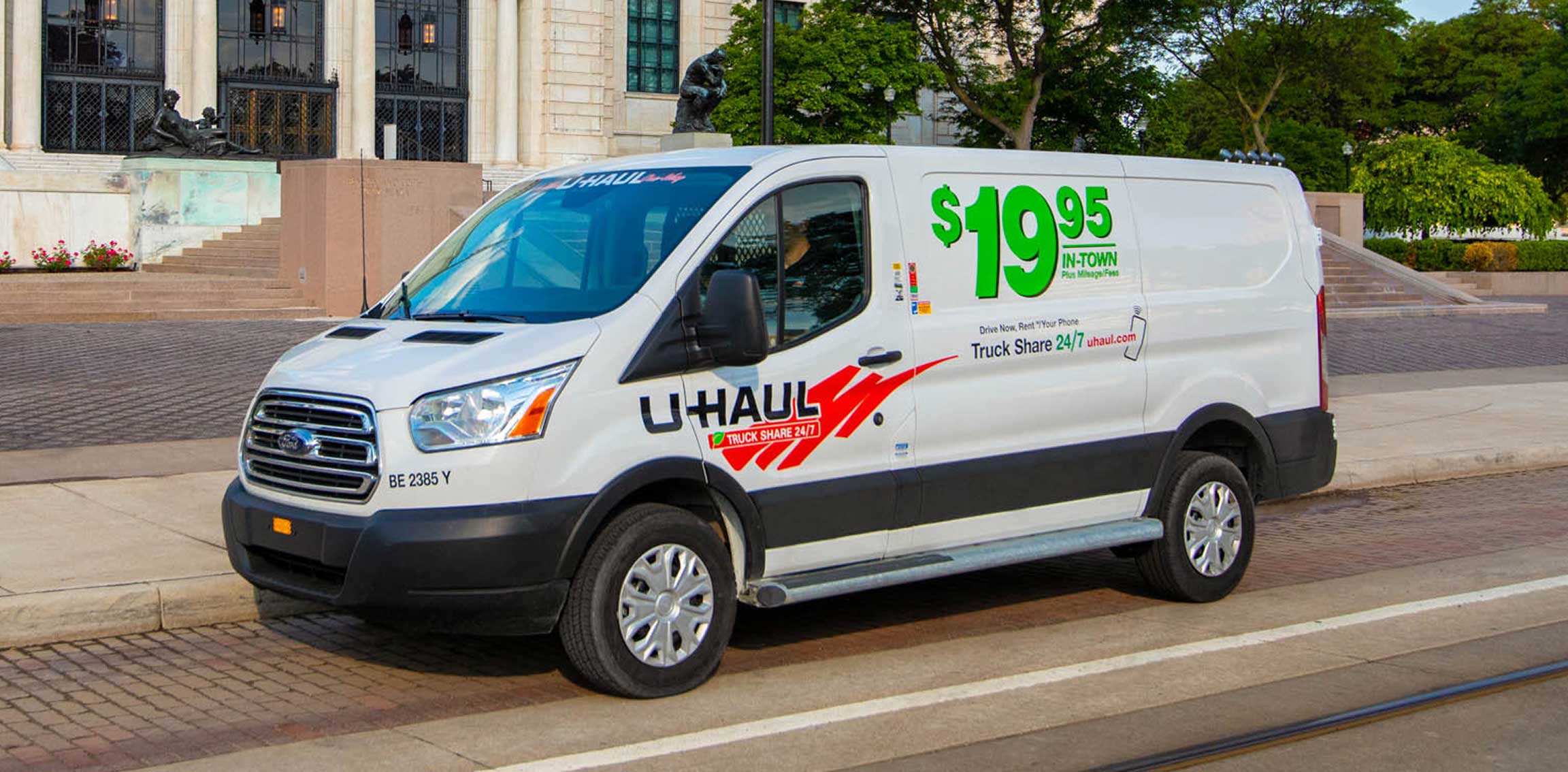
- Cargo Vans: Ideal for studio apartments, small college dorm moves, or transporting oversized retail purchases. Offers roughly 245 cubic feet of loading capacity and fits easily in standard parking structures.
- 10-Foot Trucks: Recommended for studio or small one-bedroom apartments. Accommodates a mattress set, sofa, and approximately 10 to 15 standard moving boxes. Features a low deck for easier loading.
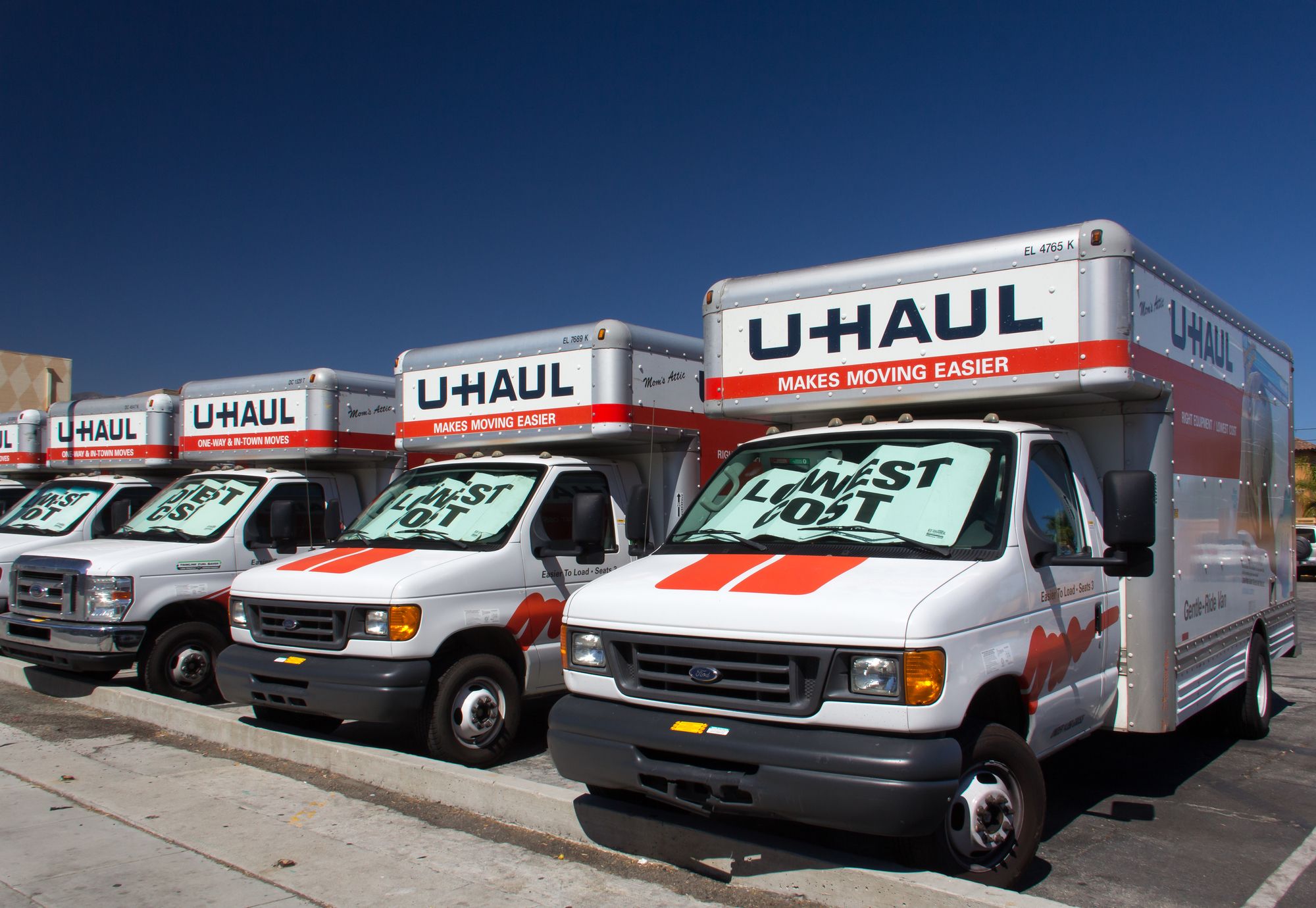
- 15-Foot Trucks: Designed for two-to-three-bedroom residences. Features a pull-out loading ramp and an attic space over the cab for fragile items or odd-shaped totes, providing around 764 cubic feet of capacity.
- 20-Foot Trucks: Suited for three-to-four-bedroom homes. Incorporates a wider cargo bed, heavy-duty ramp, and suspension upgrades designed to handle up to 5,710 pounds of payload safely.
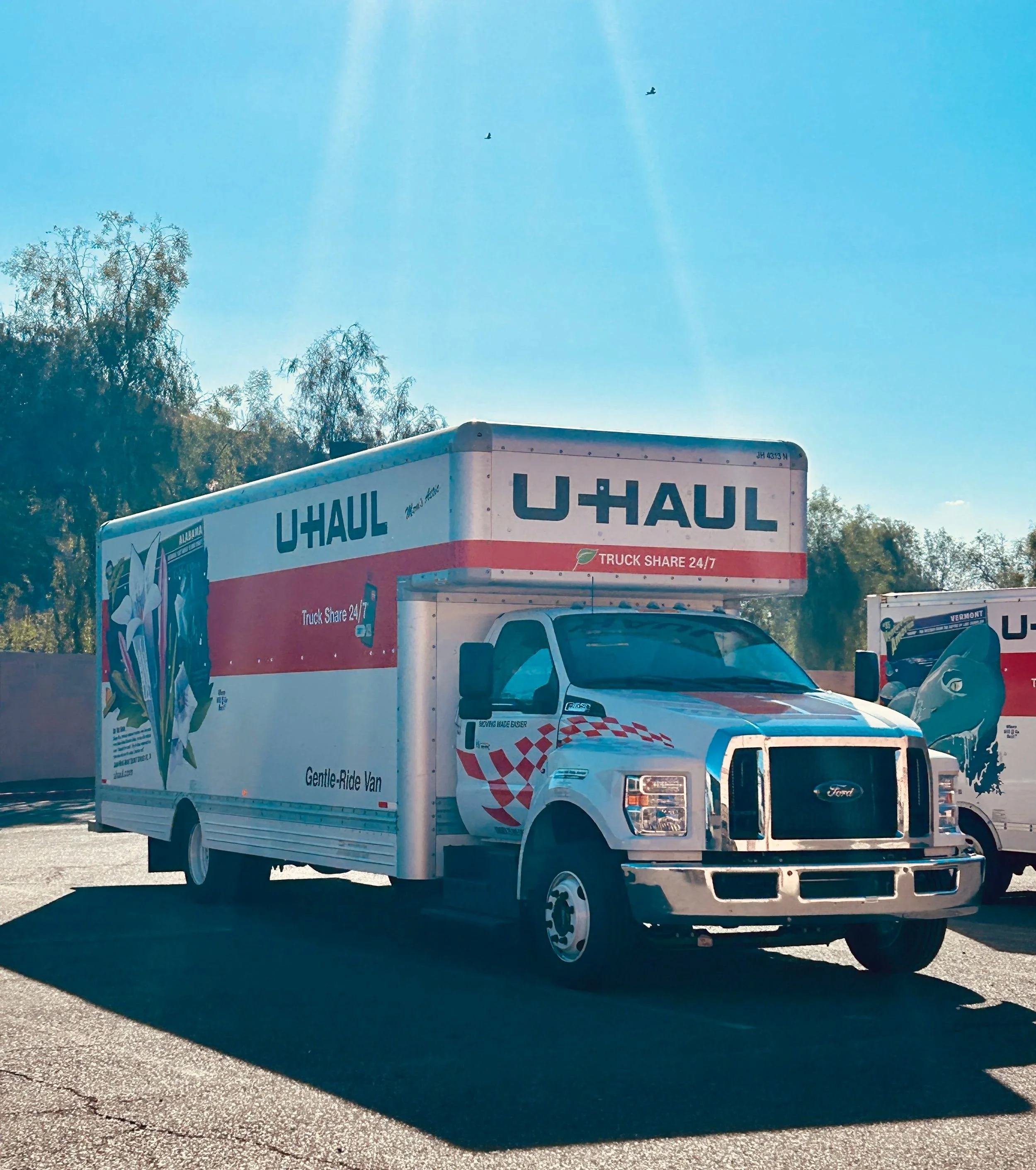
- 26-Foot Trucks: The largest option available for residential use, engineered for four-plus-bedroom homes. Delivers nearly 1,700 cubic feet of volume, requiring heightened attention to vertical clearance and turning radiuses.
Breaking Down Rental Pricing Structures and Fuel Logistics
Budgeting for a moving truck requires looking beyond the initial base rate. Understanding how mileage, fuel consumption, insurance coverage, and one-way versus round-trip fees interact will prevent unexpected financial surprises on your final invoice.
Local rentals typically operate on a low daily base fee coupled with an additional charge per driven mile. Conversely, one-way rentals factor distance, multi-day allowances, and seasonal demand directly into a flat rate.
Equipment Rate and Capacity Comparison Matrix
| Equipment Type | Recommended Use | Estimated Cubic Capacity | Base Rate Structure | Fuel Economy Benchmark |
|---|---|---|---|---|
| Cargo Van | Studio / Local Delivery | 245 cu. ft. | Low Daily + Per Mile | 18 - 22 MPG |
| 10-Foot Truck | 1 Bedroom Apartment | 402 cu. ft. | Low Daily + Per Mile | 10 - 12 MPG |
| 15-Foot Truck | 2 - 3 Bedroom Home | 764 cu. ft. | Daily or Flat One-Way | 8 - 10 MPG |
| 20-Foot Truck | 3 - 4 Bedroom Home | 1,016 cu. ft. | Daily or Flat One-Way | 8 - 10 MPG |
| 26-Foot Truck | 4+ Bedroom Home | 1,684 cu. ft. | Daily or Flat One-Way | 6 - 8 MPG |
Fuel logistics require careful advance calculation. Moving trucks consume diesel or unleaded gasoline at rates significantly higher than standard passenger vehicles. Company policy mandates returning the fuel tank at the exact level it was received at pickup to avoid hefty refueling surcharges. Furthermore, renters must account for toll roads, bridge fees, and secure overnight parking if executing a multi-day journey.
Essential Step-by-Step Execution Guide for Your Reservation
Securing equipment and executing a trouble-free moving day requires a structured, chronological approach. Adhering to professional logistics protocols mitigates the risk of equipment shortages, which peak during end-of-month and summer moving rushes.
- Inventory Assessment and Equipment Selection: Calculate your total box count and bulky furniture items. Add a 15% buffer to account for awkward packing shapes and loose items.
- Advance Reservation and Confirmation: Book your equipment online or via phone at least two to four weeks prior to your target date. Select preferred pickup and drop-off locations, paying close attention to neighborhood dealer hours versus corporate center hours.
- Required Documentation Preparation: Ensure you possess a valid, unexpired driver's license matching the primary driver's name, along with a major credit or debit card for the required security deposit.
- Pre-Trip Vehicle Inspection: Inspect the exterior and interior of the truck alongside a representative. Document any pre-existing scratches, dents, or windshield chips on the inspection sheet to ensure you are not held liable upon return.
- Loading and Weight Distribution: Place heavy, dense items on the floor against the front wall of the cargo bay. Secure items using built-in tie-down rails and moving straps to prevent shifting during transit.
- Post-Trip Return Protocol: Sweep out the cargo bay, refill the fuel tank to the baseline level, and return the keys to the designated drop-off facility. Request a final printed or digital receipt confirming the transaction is closed.
Evaluating the Advantages and Drawbacks of DIY Truck Rentals
Choosing a self-service transport model presents distinct operational pros and cons compared to hiring full-service long-distance movers. Weighing these factors helps determine the most cost-effective path for your specific relocation.
Operational Advantages: DIY rentals provide absolute control over your schedule, allowing you to pack, load, and travel at your own pace. Financial savings are substantial, as you eliminate labor fees and hourly crew billing. Additionally, handling your own items ensures fragile heirlooms and personal belongings receive meticulous care.
Operational Disadvantages: The primary drawback is the physical labor required for heavy lifting, loading, and unloading. Driving a commercial-length vehicle demands heightened spatial awareness, navigating low clearances, and mastering wide-turn dynamics. Unforeseen mechanical delays or scheduling adjustments at independent neighborhood dealers can also disrupt tightly planned moving itineraries.
Frequently Asked Questions
What documents are required to pick up a moving truck?
You must present a valid, government-issued driver's license and a major credit or debit card in the primary driver's name for deposit verification. The driver must meet the minimum age requirement of 18 years old.
Can I guarantee that my reserved truck size will be available?
While reservations secure equipment categories, localized inventory fluctuations can occasionally lead to complimentary upgrades if a specific size is unavailable. Confirming your reservation 48 hours in advance minimizes this risk.
Are moving blankets and dollies included with the truck rental?
Protective furniture pads, utility dollies, and appliance hand trucks are available as optional add-on rentals for a small daily fee. They are not automatically included in the base truck rental price.
What insurance coverage options protect against vehicle damage?
Basic state-minimum liability is typically included, but optional Safemove and Safemove Plus protection plans cover cargo damage, collision damage waivers, and medical protection for peace of mind. Check your personal auto insurance policy or credit card benefits beforehand to avoid redundant coverage purchases.
How do one-way rentals differ from local round-trip rentals?
One-way rentals are priced based on an allotted mileage and days framework, allowing you to drop the vehicle off at a designated facility near your destination. Local rentals require you to return the vehicle to the original pickup location, usually billed by daily rate plus driven miles.
What should I do if the truck breaks down during transit?
Roadside assistance is available 24/7 through dispatch lines provided in your contract. Trained technicians are deployed to handle mechanical failures, flat tires, or lockout situations.
Securing Your Move for Success
A successful relocation hinges on preparation, realistic sizing, and disciplined time management. By reserving the correct equipment class well in advance, understanding fuel consumption metrics, and carefully executing pre-trip inspections, you can navigate your transition smoothly. Plan your route, secure your packing supplies, and take control of your upcoming move today.
Image Gallery