California Observes Daylight Saving Time: Current Status, Rules, and 2026 Schedule
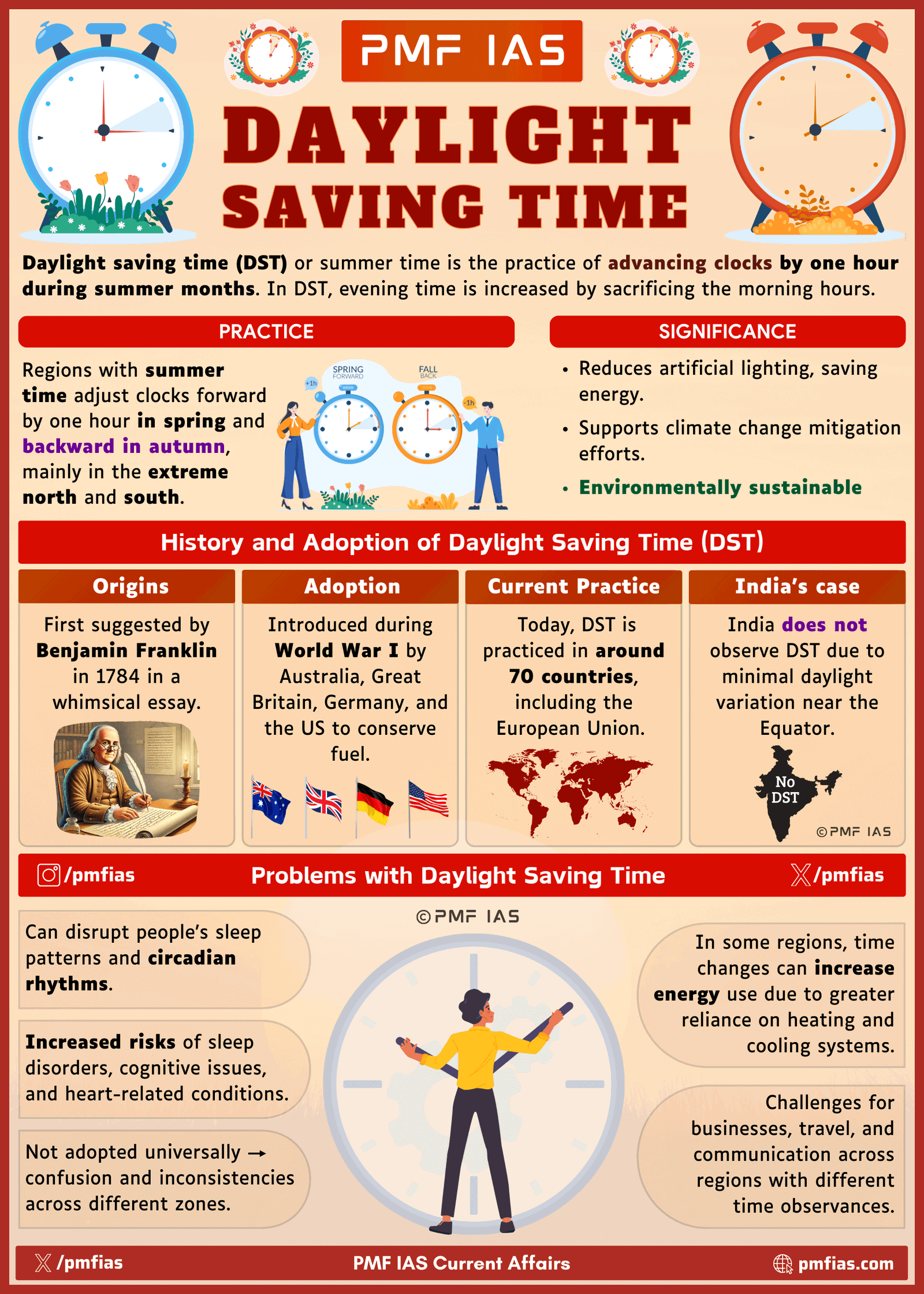
As of 2026, California continues to observe Daylight Saving Time (DST), following the seasonal tradition of advancing clocks by one hour in the spring and resetting them in the autumn. Despite significant legislative efforts and voter-...
As of 2026, California continues to observe Daylight Saving Time (DST), following the seasonal tradition of advancing clocks by one hour in the spring and resetting them in the autumn. Despite significant legislative efforts and voter-approved measures to transition to a permanent time setting, the state remains bound by federal regulations that require a biannual shift for all states not opting for year-round Standard Time.
Contents
The Current Status of Time in California (2026)
In 2026, California residents and businesses will once again participate in the "spring forward" and "fall back" cycle. This practice, established under the Uniform Time Act of 1966, aims to better align daylight hours with human activity during the warmer months. While the debate over the health and economic impacts of this shift persists in the California State Legislature, no federal change has occurred to allow the state to move to permanent Daylight Saving Time.
California currently operates on Pacific Standard Time (PST) during the winter months and Pacific Daylight Time (PDT) during the summer months. The transition is synchronized with the rest of the United States, occurring at 2:00 a.m. on the designated Sundays.
2026 Key Dates and Time Transitions
To remain compliant with state and federal schedules, Californians must adjust their manual timekeeping devices on the following dates:
| Event | Date | Action | Time Change |
|---|---|---|---|
| DST Begins | March 8, 2026 | Spring Forward | 2:00 AM becomes 3:00 AM |
| DST Ends | November 1, 2026 | Fall Back | 2:00 AM becomes 1:00 AM |
Modern digital devices, including smartphones, computers, and networked clocks, typically update automatically. however, manual adjustments remain necessary for analog timepieces, certain household appliances, and older vehicle systems.
The Legal Framework: Proposition 7 and the California Legislature
The ongoing observance of DST in California is a point of contention because of Proposition 7, a ballot measure approved by California voters in November 2018. Proposition 7 passed with a significant majority (over 60%), granting the California State Legislature the authority to change the state's daylight saving time period by a two-thirds vote.
The intent of the proposition was to pave the way for California to observe Daylight Saving Time year-round. However, the measure did not immediately change the clocks. Instead, it provided a legal mechanism for the state to act, provided that the move is consistent with federal law.
Legislative Challenges in Sacramento
Since the passage of Proposition 7, several bills have been introduced in the California Assembly and Senate. Some legislators have pushed for permanent Daylight Saving Time (the "later" sunset model), while others, supported by sleep scientists and health organizations, have advocated for permanent Standard Time (the "earlier" sunrise model).
In 2026, the legislative consensus remains divided. The primary hurdle is that while a state can legally choose to stay on Standard Time year-round (as Hawaii and most of Arizona do) without federal intervention, staying on Daylight Saving Time year-round requires an act of the United States Congress.
The Federal Hurdle: The Uniform Time Act
The Uniform Time Act of 1966 was designed to simplify transportation and commerce by ensuring that time zones were consistent across the country. Before this act, different cities could observe different time standards, creating chaos for railroads and broadcasting.
Under current federal law:
- States may opt-out of DST: Any state can choose to remain on Standard Time year-round.
- States may not opt-in to permanent DST: No state currently has the authority to remain on Daylight Saving Time during the winter months without a federal waiver or an amendment to the Uniform Time Act.
The "Sunshine Protection Act," a federal bill that gained national attention in the early 2020s, sought to make Daylight Saving Time permanent across the nation. While it passed the U.S. Senate in 2022, it stalled in the House of Representatives and has not been enacted as of 2026. Consequently, California's state-level desire to "lock the clock" on DST remains legally impossible under current federal statutes.
Economic and Social Impacts of Observing DST in California
The decision for California to continue observing DST carries significant implications for various sectors of the world's fifth-largest economy.
Agriculture and Rural Operations
California’s massive agricultural industry often expresses concern regarding the time shift. Farmers and ranch workers generally operate according to the sun rather than the clock. A shift in the clock can disrupt shipping schedules, labor start times, and the coordination of transport for perishable goods. In rural areas, the "spring forward" transition can lead to darker mornings, which may impact the safety of outdoor labor and early-morning machinery operation.
Tourism and Retail
The tourism and retail sectors are among the strongest proponents of maintaining or extending Daylight Saving Time. Later sunsets in the spring and summer encourage consumers to shop, dine out, and visit outdoor attractions such as California's state parks and coastal regions. According to the Association for California Tourism, the extra hour of evening light significantly boosts revenue for coastal businesses and outdoor recreation providers.
Public Health and Circadian Rhythms
In 2026, health experts continue to warn about the "acute" effects of the one-hour shift in March. The American Academy of Sleep Medicine (AASM) has historically advocated for permanent Standard Time, rather than permanent DST. Their research suggests that the human "body clock" (circadian rhythm) is better aligned with Standard Time, which provides more morning light.
Health impacts observed during the week following the "spring forward" transition include:
- A measurable increase in cardiovascular incidents, including heart attacks.
- A rise in workplace injuries due to sleep deprivation.
- Increased risks of traffic accidents as drivers adjust to new lighting conditions and fatigue.
Public Safety and Infrastructure
California's Department of Transportation (Caltrans) and the California Highway Patrol (CHP) monitor traffic patterns closely during the weeks following time changes. Data consistently shows that the disruption of sleep patterns in March leads to a temporary spike in "drowsy driving" incidents.
Conversely, the "fall back" in November brings earlier sunsets, which can increase the risk of pedestrian and cyclist accidents during the evening rush hour as commuters adjust to reduced visibility. Infrastructure managers use these periods to remind the public to check vehicle headlights and replace batteries in smoke detectors—a long-standing safety campaign synchronized with the time change.
Managing the Transition: Practical Guidance for 2026
Given that California observes DST in 2026, residents can take specific steps to mitigate the disruption to their schedules and health.
- Gradual Adjustment: Three days before the "spring forward" date in March, begin going to bed 15 to 20 minutes earlier each night. This helps the internal clock adjust more smoothly.
- Light Exposure: Seek bright sunlight immediately upon waking during the first week of a time change. This helps reset the circadian rhythm to the new schedule.
- Audit Manual Clocks: Beyond household clocks, remember to check irrigation controllers, security systems, and non-networked thermostats, which may not update automatically.
- Verify Appointments: For the Monday following the transition, double-check calendar invites and travel itineraries, especially for international flights or cross-time-zone business calls.
Frequently Asked Questions
Why did Proposition 7 not stop the time change in California?
Proposition 7 only gave the California Legislature the authority to change the time. It did not mandate an immediate stop to the biannual shift. Because the state legislature has not reached a 2/3 majority agreement on which time to keep, and because federal law prohibits permanent Daylight Saving Time, the traditional schedule remains in effect.
Is California planning to switch to permanent Standard Time?
While there have been proposals to adopt permanent Standard Time (similar to Hawaii), these have faced opposition from the retail and tourism industries. Permanent Standard Time would mean the sun would rise as early as 4:30 a.m. in parts of California during the summer, while setting earlier in the evening, which many find undesirable for outdoor activities.
Does California’s time change affect cross-border trade with Mexico?
Yes. Mexico abolished Daylight Saving Time in most of the country in 2022. However, several border municipalities in Mexico continue to observe DST to stay synchronized with their U.S. neighbors for trade and commuting purposes. As of 2026, California remains in sync with these specific Mexican border regions.
Does the time change actually save energy in California?
The original intent of DST was to reduce energy consumption by decreasing the need for artificial lighting in the evening. However, modern studies, including those by the California Energy Commission, suggest the savings are negligible in the 21st century. The increased use of air conditioning during the extra hour of evening heat often offsets any savings from reduced lighting.
What happens if I have a flight during the time change?
Airlines and airports operate on the updated time immediately at 2:00 a.m. If you have a flight scheduled for early Sunday morning on a transition date, ensure you have accounted for the one-hour difference to avoid missing your departure.
Moving Forward: The Future of Time in the Golden State
As 2026 progresses, California continues to wait for a federal resolution. The state's path to "locking the clock" is intrinsically tied to the U.S. Congress. Until federal law is amended to allow states the choice of permanent Daylight Saving Time, or until California decides to join Hawaii and Arizona in permanent Standard Time, the biannual tradition of changing clocks will remain a part of Californian life.
For now, the most effective action for residents is to prepare for the transitions in March and November, ensuring both personal health and professional schedules are managed with the one-hour shift in mind.
Image Gallery