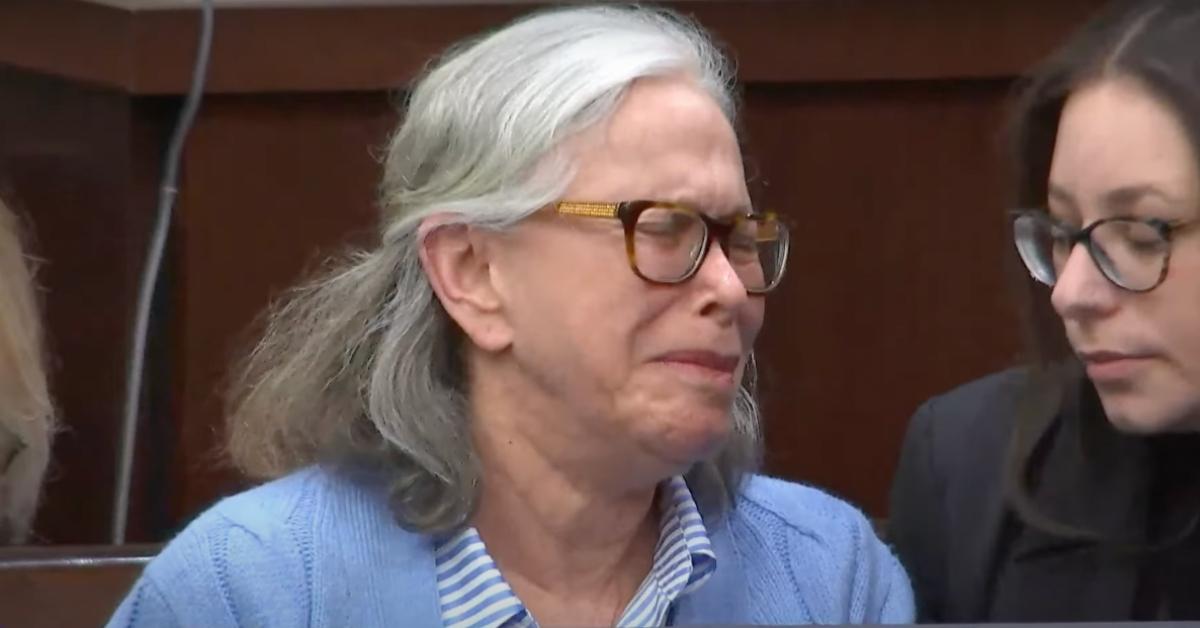
Analysis of the Donna Adelson Appeal Status and Appellate Procedures in 2026
The legal proceedings surrounding the Donna Adelson case represent a significant intersection of high-profile criminal litigation and the rigorous standards of the Florida appellate court system. As of 2026, the focus remains on the pr...
The legal proceedings surrounding the Donna Adelson case represent a significant intersection of high-profile criminal litigation and the rigorous standards of the Florida appellate court system. As of 2026, the focus remains on the procedural integrity of the lower court’s conviction and the viability of the grounds presented for appeal.
Contents
Understanding the Appellate Framework in Florida Criminal Law
In the state of Florida, an appeal is not a retrial of the underlying facts of a case. Instead, it serves as a mechanism to review whether the trial court committed reversible errors of law or procedure that may have deprived the defendant of a fair trial. For an appeal to be successful, the defense must demonstrate that specific errors occurred during the trial that substantially prejudiced the outcome.
The appellate process typically involves several distinct stages that the legal team must navigate. In 2026, the process remains strictly governed by the Florida Rules of Appellate Procedure.
- Notice of Appeal: The formal initiation of the process following the sentencing phase.
- Record on Appeal: The compilation of transcripts, exhibits, and court filings from the trial.
- Initial Brief: A detailed document outlining the legal arguments and specific errors identified by the defense.
- Answer Brief: The state’s opportunity to refute the claims made by the defense.
- Oral Arguments: A phase where attorneys from both sides present their cases before a panel of judges, if requested and granted.
Core Legal Arguments in High-Profile Criminal Appeals
When examining the trajectory of the Donna Adelson case, observers must focus on the specific legal pillars that form the basis of an appellate brief. In high-stakes cases, common grounds for appeal include the admissibility of evidence, jury selection issues, and potential prosecutorial misconduct.
The following table summarizes common appellate arguments and their typical implications in the Florida legal system as of 2026:
| Ground for Appeal | Technical Focus | Impact on Verdict |
|---|---|---|
| Evidentiary Rulings | Challenges to hearsay or improperly admitted testimony. | Could lead to a new trial if evidence was unfairly prejudicial. |
| Jury Misconduct | Allegations of outside influence or failure to adhere to instructions. | High risk of reversal if proven. |
| Prosecutorial Conduct | Claims that the state overstepped ethical bounds during trial. | May warrant a retrial if rights were significantly violated. |
| Ineffective Counsel | Arguments that the trial defense was fundamentally deficient. | Rarely successful unless error was catastrophic. |
The Role of the Second District Court of Appeal
The appellate journey for cases originating in the circuit where this trial occurred falls under the jurisdiction of the Second District Court of Appeal (DCA) of Florida. The judges at the DCA serve as the final arbiters for the vast majority of criminal cases, as the Florida Supreme Court only hears a tiny fraction of cases via discretionary review.
In 2026, the Second DCA continues to prioritize established precedent, meaning that for the Donna Adelson appeal to succeed, the defense must show that the trial judge deviated from established Florida statutes or constitutional mandates. The court will not re-weigh the evidence or reassess the credibility of witnesses, as those tasks are strictly reserved for the jury at the trial level.
Procedural Realities of 2026 Appellate Review
The appellate process is inherently time-consuming and methodical. Unlike television depictions of rapid justice, the reality of the 2026 legal climate involves extensive document review and internal deliberation by judicial panels. The court focuses strictly on the trial transcript and the legal arguments presented in the briefs. Any evidence not entered into the official record during the original trial is generally disregarded by the appellate court.
Potential Outcomes of the Appellate Process
The resolution of an appeal is rarely a binary "guilty or innocent" decision. The appellate court has a range of options, each with different legal consequences:
- Affirmation: The most common outcome, where the court determines that the trial was conducted fairly and the conviction stands.
- Reversal and Remand: The court finds a significant error and sends the case back to the trial court, often ordering a new trial.
- Modification: The court may uphold the conviction but order a change in the sentence if it was found to be in violation of sentencing guidelines.
For the public and legal observers, it is critical to recognize that a reversal is not an acquittal. Even in the event of a successful appeal, the state maintains the right to re-prosecute the case, provided the error did not fundamentally preclude the possibility of a fair trial.
Frequently Asked Questions Regarding the Appeal
What is the primary purpose of the appeal for Donna Adelson? The appeal aims to identify and highlight specific legal errors made during the trial that may have impacted the verdict. It is a formal request for a higher court to review the proceedings to ensure they complied with Florida law.
Does an appeal allow for new evidence to be introduced? Generally, no. Appeals are limited to the record established during the original trial, meaning new evidence cannot be introduced unless it falls under extremely narrow exceptions that typically require a separate motion at the trial court level.
How long does an appeal typically take to resolve? The timeline varies significantly based on the complexity of the case and the court's caseload, but in 2026, a standard appellate process often takes eighteen months to several years to reach a final decision.
Can the defendant be released on bond during the appeal? Post-conviction bond is rare and usually denied in serious felony cases. The decision rests on whether the appeal is deemed to have merit and whether the defendant is considered a flight risk or a danger to the community.
What is the significance of the Second District Court of Appeal in this matter? The Second DCA is the intermediate appellate court that holds jurisdiction over the trial court's decisions. Their ruling will be the binding authority unless the case is successfully petitioned to the Florida Supreme Court.
Strategic Outlook for the Coming Months
As the legal proceedings move forward through 2026, the focus will remain on the filing of briefs and the response from the state. The legal community will be watching for any novel applications of evidence law or procedural interpretations that could set a precedent for future litigation. Stakeholders should rely on official court dockets and verified legal reporting to track status updates, as the complexities of appellate law often lead to misinformation in non-specialized media.
If you are following the case, ensure you are accessing information from official clerk of court websites, which provide the most accurate timeline of filings and judicial orders.
Image Gallery