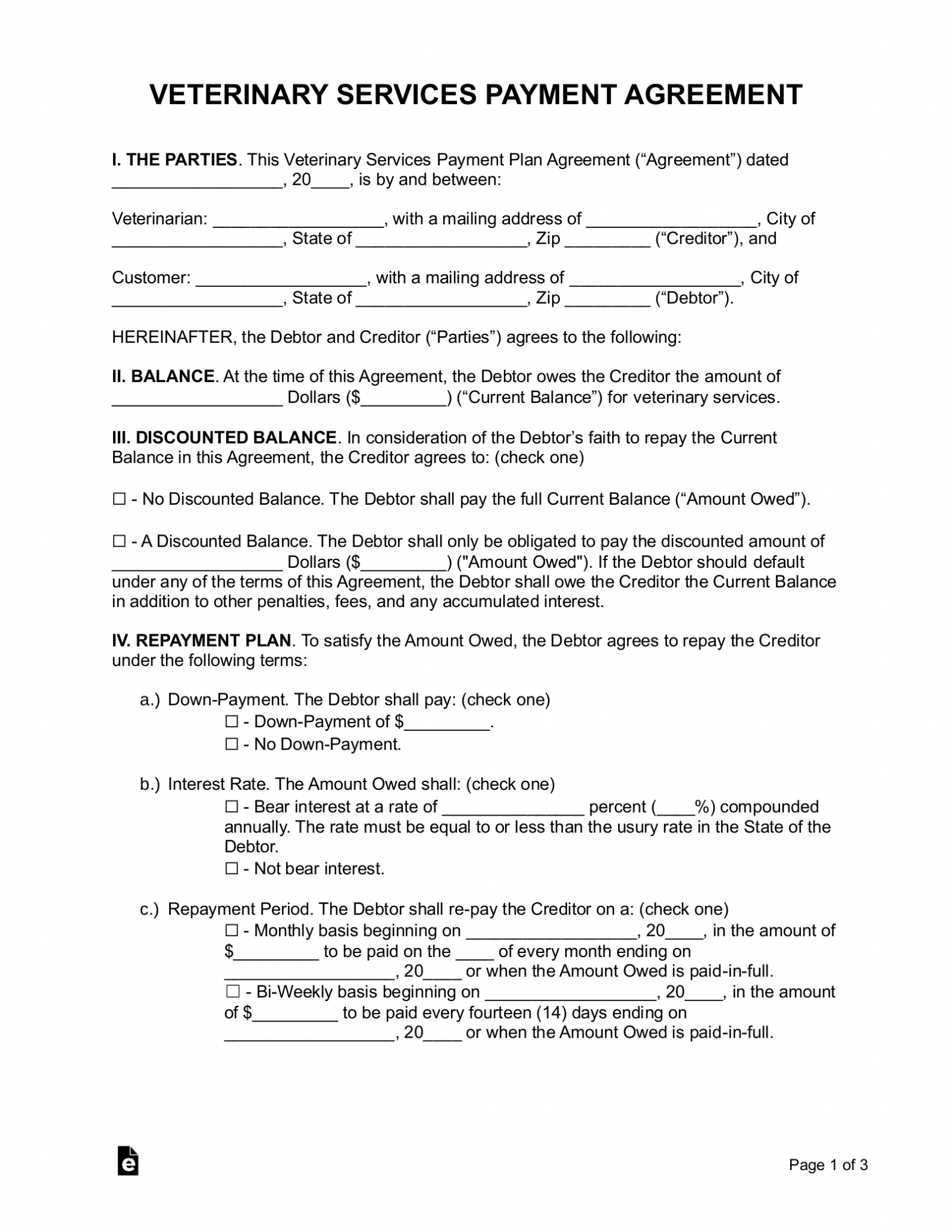
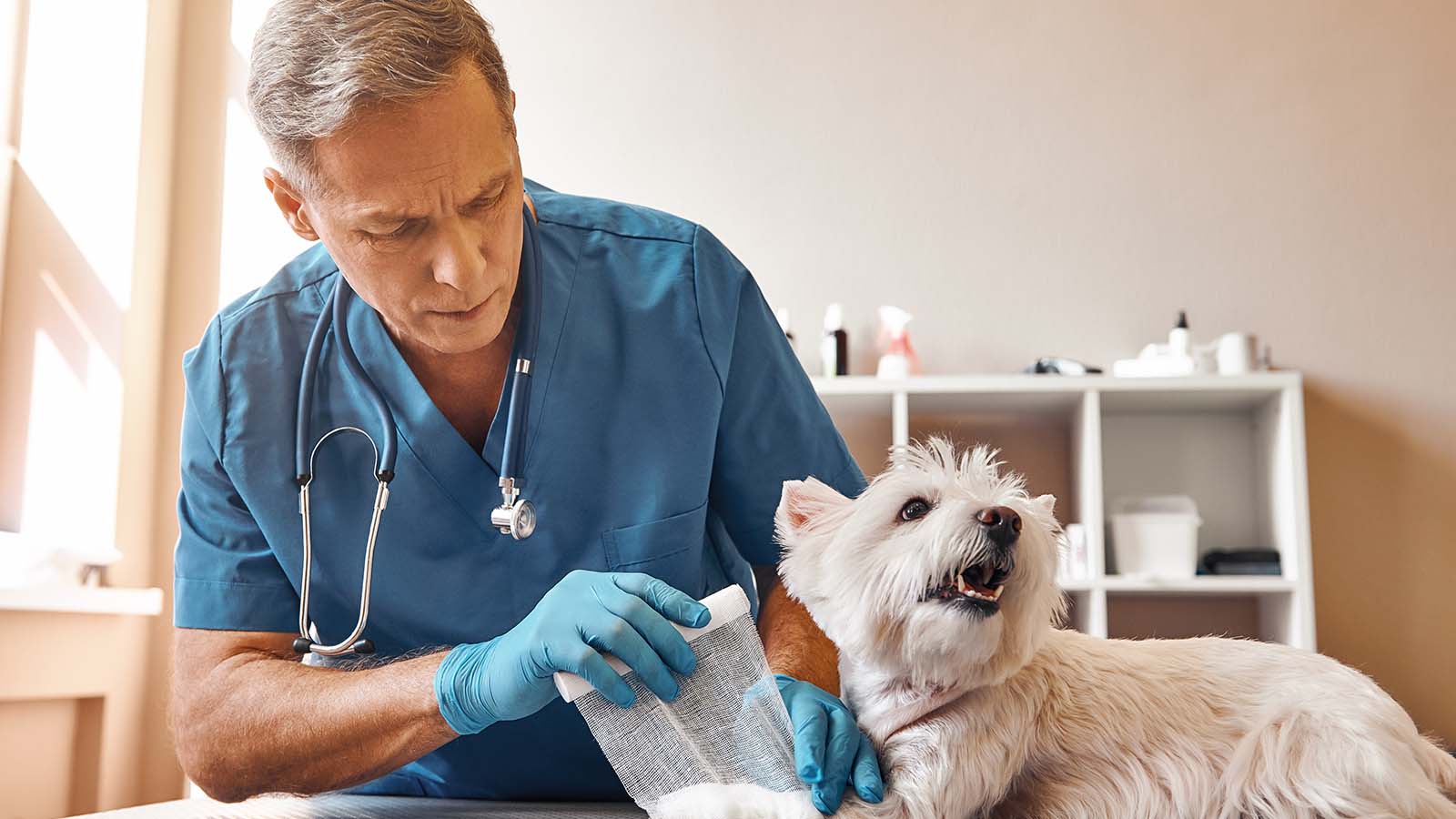
Veterinarian Payment Plans: Navigating Options for Affordable Pet Care
Veterinarian payment plans are structured financial arrangements that allow pet owners to divide the total cost of medical treatments into smaller, manageable installments over time. These plans are typically offered through third-part...
Veterinarian payment plans are structured financial arrangements that allow pet owners to divide the total cost of medical treatments into smaller, manageable installments over time. These plans are typically offered through third-party lenders like CareCredit or Scratchpay, or occasionally through in-house agreements, ensuring pets receive essential care even when owners lack immediate liquidity.
Contents
The rising costs of advanced veterinary medicine—including MRI scans, specialized oncology treatments, and emergency orthopedic surgeries—have made financial planning a critical component of responsible pet ownership. In 2026, the veterinary industry relies heavily on diversified payment structures to bridge the gap between clinical recommendations and a client's budget. Understanding the nuances of these plans can be the difference between making a life-saving decision for a pet and facing the heartbreak of economic euthanasia.
Understanding the Types of Veterinary Payment Solutions
Not all payment arrangements function the same way. It is vital to distinguish between revolving credit, installment loans, and preventative wellness plans, as each carries different implications for your credit score and long-term financial health.
Third-Party Credit Lines and Revolving Accounts
The most common form of veterinary financing involves specialized credit cards designed for healthcare expenses. Providers like CareCredit offer a revolving line of credit that can be used at participating veterinary clinics, as well as for human medical needs.
The primary appeal of these cards is the "deferred interest" promotion. If the balance is paid in full within a specified period (usually 6, 12, or 18 months), no interest is charged. However, if even a small balance remains after the promotional window, interest is typically backdated to the original purchase date at a high APR. As of 2026, these rates often exceed 25%, making it imperative to adhere strictly to the repayment schedule.
Buy Now, Pay Later (BNPL) and Installment Loans
A newer and increasingly popular alternative is the installment loan model, championed by providers like Scratchpay and Sunbit. Unlike a credit card, these are often one-time loans for a specific procedure.
The advantage of these services is their accessibility. Many BNPL providers perform "soft" credit inquiries that do not impact your credit score during the application process. They offer various plans, ranging from short-term interest-free installments to longer-term plans spanning 12 to 24 months with fixed interest rates. This transparency allows pet owners to know exactly what their monthly obligation will be from the outset.
In-House Payment Plans
Direct in-house billing, where the veterinarian allows you to pay them directly over time, has become rare in 2026. Because veterinary clinics operate on thin margins and lack the infrastructure to act as debt collectors, most have outsourced their financing to the third parties mentioned above. However, some long-established community clinics may still offer "holding" checks or informal arrangements for trusted, long-term clients. These are exceptions rather than the rule and should not be relied upon without prior confirmation.
Veterinary Wellness Plans vs. Medical Financing
A common point of confusion for pet owners is the distinction between a "wellness plan" and a "payment plan." While both involve monthly payments, they serve entirely different purposes.
- Wellness Plans: These are subscription-based services offered by clinics (like Banfield or VCA) or independent providers. They cover routine, predictable care such as annual exams, vaccinations, heartworm prevention, and dental cleanings. They do not cover emergencies or illness.
- Payment Plans (Financing): These are used to pay for unexpected, high-cost events like surgeries, hospitalizations, or chronic disease management.
By 2026, many savvy pet owners utilize a wellness plan to budget for the "knowns" while keeping a financing option (like a dedicated credit line) available for the "unknowns."
Comparing Top Veterinary Financing Providers in 2026
When choosing a payment plan, the terms can vary significantly based on your credit history and the specific clinic’s partnership. The following table compares the leading options currently available in the veterinary market.
| Provider | Type of Credit | Credit Check Type | Typical Terms | Best For |
|---|---|---|---|---|
| CareCredit | Revolving Credit Card | Hard Inquiry | 6–18 months deferred interest | Repeat use and routine dental/surgeries |
| Scratchpay | Installment Loan | Soft Inquiry | 5 bi-weekly to 24 monthly payments | High-cost emergencies; low credit impact |
| AllPet Card | Revolving Credit Card | Hard Inquiry | 6–12 months "No Interest" promos | Specialized specialty/emergency centers |
| Sunbit | Installment Loan | Soft Inquiry | 3–12 months | Quick approval at the front desk |
| Wells Fargo Health | Revolving Credit Card | Hard Inquiry | Varies by clinic partnership | Existing Wells Fargo customers |
Eligibility and the Application Process
Securing a payment plan at a veterinary office is generally a fast-paced process, often completed via a smartphone while waiting in the exam room. However, preparation can increase your chances of approval.
- Check Your Credit Score: Most third-party providers require a minimum "fair" credit score (typically 600+). If your credit is lower, Scratchpay or Sunbit are more likely to approve your application than traditional credit cards.
- Verify Clinic Participation: Not every veterinarian accepts every payment plan. Before arriving or scheduling a surgery, call the front desk to ask: "Which third-party financing options do you currently accept?"
- Required Documentation: You will generally need a valid government-issued ID, an estimate of the medical costs from the vet, and a social security number. For installment loans, you may also need to provide access to your bank's transaction history via a secure portal like Plaid.
- Instant Decision: In 2026, most platforms provide an approval decision within 60 seconds. Once approved, the funds are usually paid directly to the veterinarian, and your repayment relationship begins with the lender.
Strategic Benefits of Using a Payment Plan
The primary benefit of a veterinarian payment plan is the preservation of cash flow. Even pet owners with emergency funds may prefer to keep their cash liquid and use a 0% interest promotional period to pay for a $5,000 TPLO surgery.
Furthermore, these plans enable "gold standard" care. When a veterinarian presents a diagnostic plan that includes blood work, X-rays, and specialized consultation, the total cost can be daunting. Financing allows the owner to authorize the most effective diagnostic path immediately, rather than opting for a "wait and see" approach that could lead to worse outcomes for the animal.
Common Pitfalls and How to Avoid Them
While payment plans are essential tools, they carry financial risks that can exacerbate the stress of a pet's illness if not managed carefully.
The Deferred Interest Trap
The most significant risk is failing to pay off a "No Interest" balance within the promotional period. On a $3,000 vet bill, if you have $100 left on the balance when the 12-month promotion ends, you may be charged 25% interest on the original $3,000 for the entire year. To avoid this, always divide your total balance by the number of months in the promotion minus one. If you have 12 months, aim to pay it off in 11.
Overextension of Credit
Because the application process is so quick, it is easy to take on more debt than you can realistically repay. Always ask the veterinarian for a "high-end" estimate of costs so you don't find yourself needing a second loan halfway through the treatment.
Impact on Future Credit
Hard credit inquiries from credit card applications can temporarily lower your credit score. If you anticipate needing multiple loans for different pets, prioritize providers that use soft credit pulls for pre-qualification.
Alternatives to Traditional Payment Plans
If you are unable to secure a payment plan or wish to avoid debt, other options exist to manage veterinary costs.
- Pet Insurance Reimbursement: Unlike human health insurance, most pet insurance requires you to pay the vet upfront and then wait for reimbursement. However, some modern insurers (like Trupanion) can pay the vet directly, acting as a "real-time" payment solution.
- Veterinary Colleges: Teaching hospitals often offer lower rates for complex procedures, though they may still require payment upfront or through the third parties mentioned above.
- Charitable Grants: Organizations like The Pet Fund or RedRover Relief provide small grants for pet owners in financial crisis. These usually require a lengthy application process and are not suitable for immediate emergencies.
- Personal Loans: A standard personal loan from a credit union may offer a lower interest rate than a healthcare-specific credit card, though the approval time is longer.
FAQs
Can I get a vet payment plan with bad credit?
Yes, options like Scratchpay and Sunbit are specifically designed to be more inclusive than traditional credit cards. They often look at banking history and income rather than just a FICO score. Additionally, some clinics allow a co-signer on applications for CareCredit.
Is pet insurance better than a payment plan?
They serve different functions. Pet insurance is a proactive risk-management tool that reduces the total cost you are responsible for. A payment plan is a reactive tool used to manage the payment of whatever bill you receive. Ideally, an owner has insurance to cover 80-90% of the cost and a payment plan to handle the remaining deductible or co-pay.
Does every vet offer payment plans?
No. While most general practices and emergency hospitals accept CareCredit or Scratchpay, some specialized or mobile clinics may only accept cash or standard credit cards. Always verify payment options before your appointment.
What happens if I can't pay my vet bill?
If you cannot pay and cannot secure financing, the clinic may offer to stabilize the pet and transfer them to a municipal shelter or a rescue group that can afford the care, or they may discuss palliative care. Relinquishment of the pet is sometimes a last-resort requirement for the pet to receive life-saving treatment from a charity or rescue.
Are there interest-free vet payment plans?
Yes, many providers offer 0% interest for a short duration (usually 3 to 18 months). However, these are strictly regulated by your creditworthiness and the clinic's specific agreement with the lender. Always read the fine print to ensure the "0% interest" isn't actually "deferred interest."
Practical Recommendation
Before an emergency strikes, pet owners should identify at least one financing option for which they are eligible. Download the apps for Scratchpay or CareCredit and check for pre-approval without impacting your credit score. Having this "financial first-aid kit" ready ensures that when a medical crisis occurs, your focus remains entirely on your pet's recovery rather than the mechanics of the transaction.
Image Gallery