Understanding Car Air Conditioning Water Dripping: Causes, Normal Operation, and Troubleshooting
Water dripping from a car air conditioning system is usually a completely normal physical process caused by condensation, but it can occasionally indicate a blocked drain tube or a more serious mechanical issue requiring immediate atte...
Water dripping from a car air conditioning system is usually a completely normal physical process caused by condensation, but it can occasionally indicate a blocked drain tube or a more serious mechanical issue requiring immediate attention.
Contents
When operating a modern vehicle, drivers often notice a small pool of clear, odorless water forming underneath the passenger side after parking. This phenomenon confuses many vehicle owners who mistake natural condensation for a dangerous fluid leak, such as coolant or windshield washer fluid. Understanding the underlying science of automotive climate control helps distinguish between routine moisture discharge and system malfunctions.
This comprehensive guide examines why car air conditioning water drips, how to differentiate normal condensation from automotive fluid leaks, the mechanics of the evaporator drain tube, and practical steps to resolve drainage blockages before they cause interior damage or electrical failures.
The Science Behind Car Air Conditioning Condensation
To understand why water drips from a vehicle air conditioning system, one must examine the thermodynamic principles governing refrigeration and humidity. An automotive air conditioning system does more than simply cool the cabin; it actively dehumidifies the air entering the ventilation system.
How Moisture Forms on the Evaporator Core
Inside the dashboard assembly sits a critical component known as the evaporator core. When the air conditioning compressor engages, high-pressure refrigerant flows through an expansion valve into the evaporator core, where it rapidly expands and drops in temperature. Warm ambient air pulled from outside or recirculated from inside the cabin is forced across the bitterly cold fins of the evaporator core by the blower motor.
As warm air meets the cold metal surface of the evaporator, its capacity to hold water vapor drops sharply. Relative humidity spikes instantly, causing moisture suspended in the air to condense from a vapor into liquid water droplets. This process mirrors the condensation that forms on the outside of a cold glass of ice water on a humid summer day.
The Role of Humidity and Ambient Temperature
The volume of water dripping from a car air conditioning system directly correlates with ambient weather conditions. On hot, humid summer days, the air contains a high concentration of water vapor. Consequently, the evaporator core extracts significant quantities of moisture from the air stream, sometimes generating a pint or more of water per hour of continuous operation.
Conversely, on dry or cool days, very little moisture condenses inside the housing. If a driver operates the climate control system in arid climates or during winter months (when the AC compressor may still run to defrost the windshield), water dripping underneath the vehicle will decrease significantly or cease altogether.
Normal Condensation Versus Problematic Leaks
Diagnosing automotive fluid leaks requires careful observation of physical properties such as color, texture, smell, and location. Because multiple fluid systems operate simultaneously within a modern vehicle, distinguishing normal water condensation from hazardous leaks prevents unnecessary panic and costly repair bills.
Identifying Normal Water Drainage
Normal air conditioning discharge possesses distinct characteristics that separate it from engine fluids:
- Appearance: Completely clear, transparent, and colorless, identical to tap water.
- Texture: Thin and watery, without any oily or slippery residue.
- Odor: Entirely odorless.
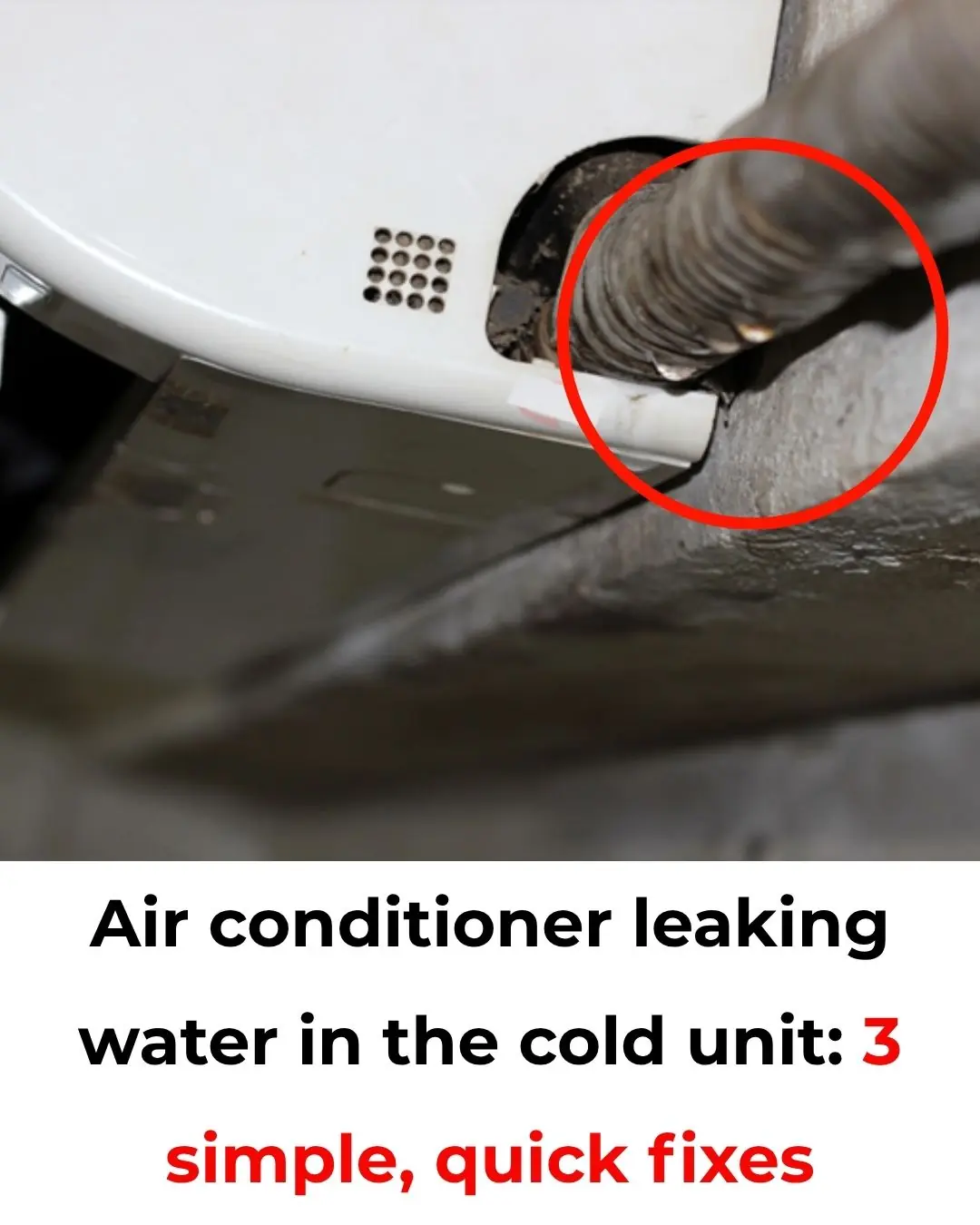
- Location: Typically drips from underneath the passenger-side footwell area, slightly behind the front wheel, where the rubber evaporator drain tube exits the firewall.
- Timing: Occurs primarily while the air conditioning is running or shortly after the engine is turned off following a drive in humid weather.
Other Automotive Fluids and Their Characteristics
If the fluid dripping from the vehicle displays unusual colors, distinct odors, or oily textures, the problem is not normal air conditioning condensation. The following table compares common automotive fluids to assist with rapid identification.
| Fluid Type | Typical Color | Texture / Consistency | Distinct Odor | Common Source Location |
|---|---|---|---|---|
| AC Condensation | Clear | Watery, thin | Odorless | Passenger-side footwell area |
| Engine Coolant | Green, pink, orange, blue | Slightly slick, sweet | Sweet, syrupy smell | Radiator, hoses, water pump (front center) |
| Windshield Washer Fluid | Blue, green, pink, purple | Watery, soapy | Chemical, detergent smell | Front bumper reservoir or nozzles |
| Engine Oil | Amber to dark brown/black | Oily, slippery | Burnt or petroleum smell | Center of engine bay |
| Transmission Fluid | Bright red, pink, or dark brown | Oily, viscous | Tart, petroleum smell | Middle to rear of the engine bay |
Causes of Abnormal Car Air Conditioning Water Dripping
While external dripping is normal, problems arise when the water fails to exit underneath the vehicle properly and instead accumulates inside the passenger cabin or leaks from unexpected dashboard locations.
Blocked or Clogged Evaporator Drain Tube
The most frequent cause of interior water accumulation is a blocked or clogged evaporator drain tube (often referred to as the condensation drain hose). As humid air passes over the evaporator, it captures airborne dust, pollen, pet dander, and microscopic debris. Although cabin air filters trap many contaminants, fine particulate matter inevitably reaches the damp evaporator core.
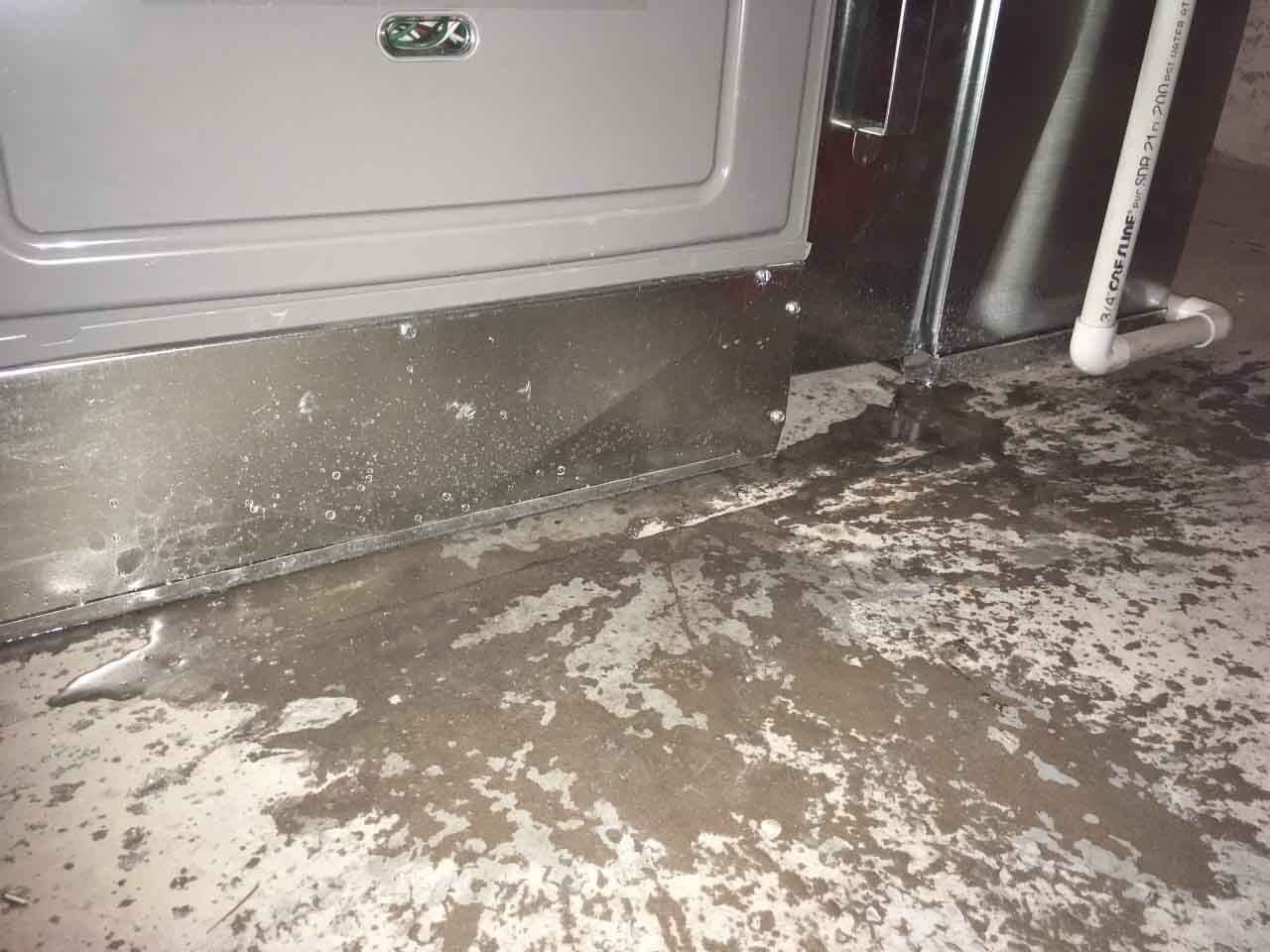
Over time, dust mixes with condensation, forming a thick sludge or mold growth inside the plastic evaporator housing. This debris eventually migrates toward the drain hole and forms a physical blockage. When the drain tube plugs completely, water pools inside the housing until it overflows the plastic pan, soaking the cabin carpet beneath the passenger-side dashboard.
Damaged, Disconnected, or Crushed Drain Hoses
Even if the drain tube is free of internal blockages, physical damage to the hose can disrupt proper drainage. Rubber or plastic drain hoses can become brittle, crack, or disconnect entirely due to engine vibrations, aging materials, or accidental impact while driving over rough terrain. If the hose detaches from the bottom of the evaporator housing, all condensation dumps directly onto the floorboards instead of routing safely outside through the firewall.
Additionally, aftermarket repairs or modifications can occasionally pinch, twist, or crush the flexible drain line, restricting water flow and causing intermittent cabin leaks.
Frozen Evaporator Cores
A malfunctioning expansion valve, a failing cabin temperature sensor, low refrigerant levels, or a restricted blower motor can cause the evaporator core temperature to plummet below freezing. When this happens, the condensation collecting on the core freezes into solid ice.
The ice layer blocks further airflow and accumulates over time. When the driver turns off the vehicle, the ice melts rapidly, releasing a sudden, large surge of water that overwhelms the drainage system and floods the footwell.
Step-by-Step Troubleshooting and Clearing a Clogged Drain
Resolving a clogged air conditioning drain is a straightforward maintenance task that many vehicle owners can perform with basic tools. However, safety precautions must be observed, particularly when working underneath a raised vehicle.
Step 1: Locate the Evaporator Drain Tube
Park the vehicle on a flat, level surface, engage the parking brake, and turn off the engine. Safely elevate the front of the vehicle using a hydraulic jack and secure it with sturdy jack stands. Locate the rubber drain tube protruding through the metal firewall in the engine bay or underneath the passenger-side floorboard. It typically appears as a short rubber nozzle pointing downward.
Step 2: Clear the Obstruction Gently
Using a flexible wire, a pipe cleaner, or compressed air, carefully clear any debris lodged inside the tip of the rubber drain tube.
- Caution: If using compressed air, insert the nozzle loosely into the tube and use low pressure (not exceeding 30 PSI). Excessive air pressure can blow the internal drain hose off the evaporator housing, compounding the problem by directing water deep inside the dashboard.
Step 3: Flush the System
Pour a small amount of warm water or a specialized automotive AC evaporator cleaner down the drain pan access point (often accessible by removing the cabin air filter or blower resistor) to flush out remaining sludge, mold, and mildew. Verify that water flows freely out of the drain tube underneath the vehicle.
Step 4: Treat for Mold and Mildew
Standing water inside the HVAC housing creates an ideal breeding ground for mold and bacteria, resulting in a musty odor when the air conditioning operates. Spray an EPA-approved automotive HVAC disinfectant spray into the fresh-air intake vents beneath the windshield wipers while the fan runs on high to sanitize the system.
When to Seek Professional Mechanical Assistance
While minor clogs can be cleared at home, certain symptoms require professional diagnostic equipment and technical expertise. Vehicle owners should consult a certified automotive technician under the following circumstances:
- Persistent Electrical Issues: If water leaks directly onto sensitive electronic components, such as the Body Control Module (BCM), engine computer, or blower motor resistor, electrical shorts may occur, causing dashboard lights to malfunction or power accessories to fail.
- Unresolved Leaks After Clearing: If the drain tube is completely clear, yet water continues to accumulate inside the cabin, the evaporator housing itself may be cracked, or the seal around the fresh-air intake cowl may have failed.
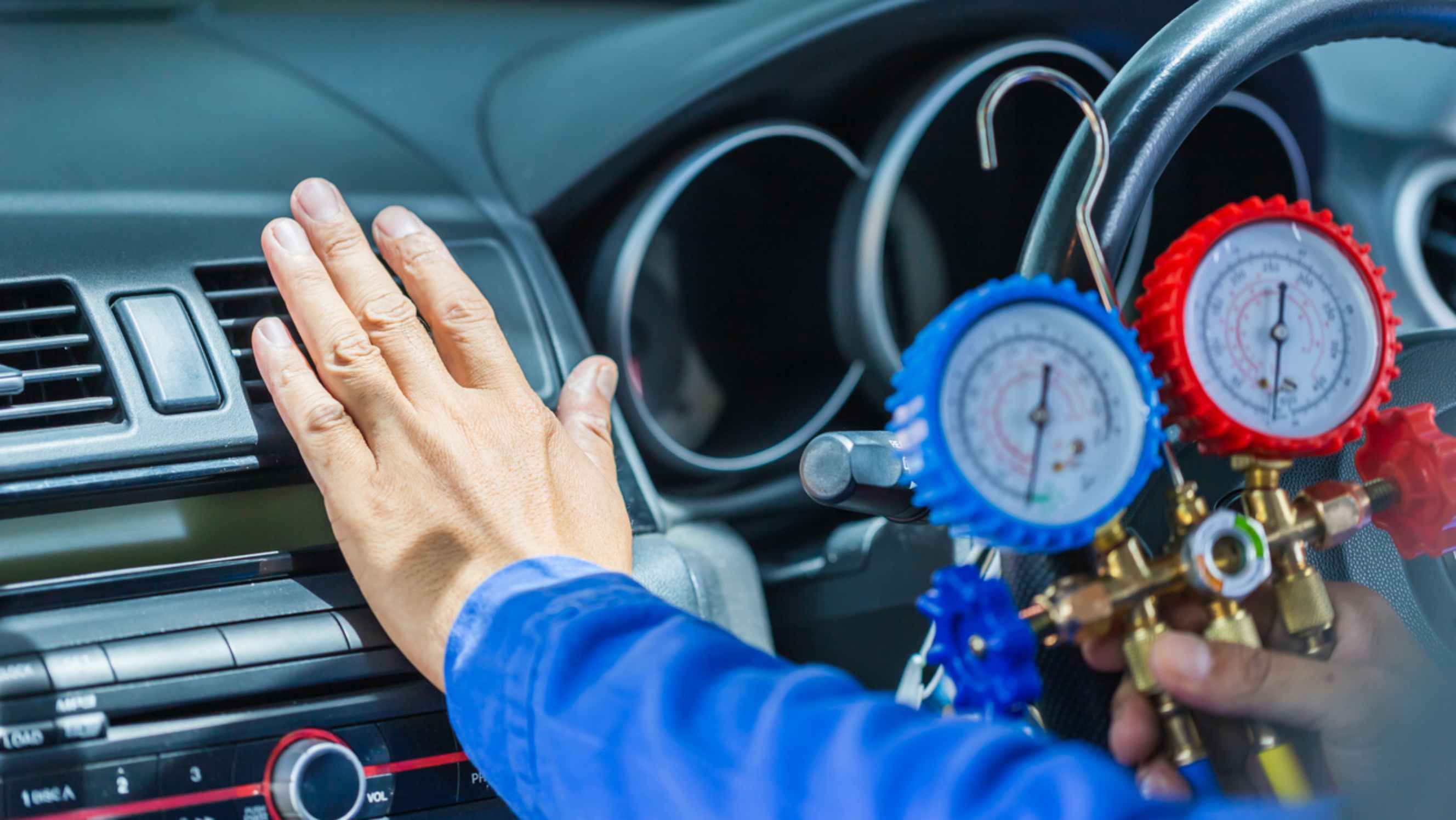
- Refrigerant System Failures: If ice formation on the evaporator core stems from low refrigerant levels or faulty thermal expansion valves, professional gauge manifolds and recovery equipment are required to service the sealed AC system safely and legally under environmental regulations.
Frequently Asked Questions
Is it normal for water to drip from under my car when the AC is on?
Yes, it is completely normal. Water dripping from underneath the passenger side of a vehicle running the air conditioning is simply condensed humidity extracted from the cabin air. It indicates that the climate control system and drainage channels are operating as designed.
How can I tell if the dripping water is coolant or AC condensation?
AC condensation is entirely clear, odorless, and watery. Coolant, by contrast, is brightly colored (green, pink, or orange), feels slightly slippery between your fingers, and emits a distinct sweet, syrupy odor. If the fluid is sweet and colored, do not drive the vehicle until the cooling system is inspected for leaks.
What causes water to leak onto the passenger floorboard inside the car?
Water inside the cabin almost always results from a blocked or clogged evaporator drain tube. When debris, dust, and mold plug the rubber drain hose, condensed water backs up in the plastic housing, overflows the collection pan, and spills directly onto the floor carpet.
Can a clogged AC drain cause permanent damage to my car?
Yes, if left unaddressed for an extended period, standing water can saturate interior carpets, promote toxic mold growth, rust floor pan metal, and short out critical electronic control modules located beneath the dashboard, leading to expensive electrical repairs.
How often should the AC drain tube be cleaned?
There is no fixed schedule for cleaning the AC drain tube, as it depends on environmental factors, dust levels, and whether the vehicle is parked under trees where leaves and organic debris can enter the cowl vents. Inspecting and replacing the cabin air filter regularly is the best preventative measure to keep debris out of the evaporator housing.
Conclusion and Next Actions
Car air conditioning water dripping is typically an everyday byproduct of atmospheric humidity interacting with a chilled evaporator core. Drivers should monitor the color and location of the fluid to verify that it is harmless condensation rather than engine coolant or windshield washer fluid. If moisture appears inside the passenger cabin rather than on the pavement outside, inspect the evaporator drain tube for blockages and clear the obstruction promptly to prevent interior damage and electrical complications.
Image Gallery