Why Life Insurance Rarely Funds Long-Term Health Care
While many policyholders hope to use life insurance to cover extended nursing home or home health care costs, standard policies are rarely designed for this purpose, and standalone riders face strict underwriting, high costs, and limit...
While many policyholders hope to use life insurance to cover extended nursing home or home health care costs, standard policies are rarely designed for this purpose, and standalone riders face strict underwriting, high costs, and limited benefit triggers.
Contents
Navigating the financial realities of aging often leads consumers to explore life insurance as a dual-purpose financial tool. The assumption is straightforward: if an individual passes away, the policy pays a death benefit; if they require extended care while alive, the policy should help cover those expenses. However, matching life insurance proceeds to long-term health care (LTC) needs is exceptionally uncommon in practice. Understanding why life insurance rarely funds long-term health care requires examining structural product designs, stringent qualification criteria, distinct regulatory frameworks, and alternative vehicles specifically built for extended medical support.
The Fundamental Structural Purpose of Life Insurance
Traditional life insurance—whether term or permanent—is fundamentally engineered to mitigate the financial risk of premature death, not chronic illness or old age. The primary mechanism of a life insurance policy is the death benefit, which transfers risk from the insured to the insurance carrier. Premiums are calculated based on mortality tables, actuarial science, and the likelihood of death occurring within specific timeframes.
Conversely, long-term health care insurance is built on morbidity tables, which track the probability of individuals developing chronic illnesses, cognitive impairments, or functional limitations that require assistance with Activities of Daily Living (ADLs). Because mortality and morbidity are two entirely separate actuarial categories, combining them within a single traditional policy introduces complex risk management challenges for insurance carriers. To protect their solvency and maintain predictable pricing, traditional insurers keep these risks isolated, meaning standard policies offer no direct mechanism to pay for extended nursing home stays or home health aides.
The Mechanics and Limitations of Accelerated Death Benefits
To bridge the gap between life insurance and medical needs, some permanent policies and certain term policies offer Accelerated Death Benefit (ADB) riders. These provisions allow a policyholder diagnosed with a terminal illness, and occasionally a chronic or critical illness, to access a portion of their death benefit while still alive. While this sounds like a viable solution for long-term care, several operational limitations prevent ADBs from functioning as a reliable funding source:
- Strict Qualifying Triggers: Most ADB riders require a physician to certify that the insured has a terminal illness with a life expectancy of 12 to 24 months, or that they are permanently unable to perform a specific number of ADLs without substantial assistance.
- Discounted Payouts: When a policyholder accelerates a portion of the death benefit, the insurance company does not simply hand over cash dollar-for-dollar. The payout is subject to actuarial discounting, administrative fees, and interest charges, meaning the total value extracted is significantly less than the face value of the benefit.
- Reduction of the Ultimate Legacy: Every dollar accessed through an accelerated death benefit reduces the final death benefit paid to beneficiaries dollar-for-dollar, alongside any accumulated interest. For families relying on that insurance for estate planning or spousal protection, utilizing an ADB can create unintended financial shortfalls elsewhere.
Hybrid Policies: The Exception That Proves the Rule
Asset-based or hybrid long-term care policies—often structured as life insurance with a linked long-term care rider—do successfully fund extended health care, but they operate under entirely different financial mechanics than traditional policies. In a hybrid arrangement, the consumer typically pays a single lump-sum premium or a structured multi-year premium into a universal life or whole life insurance chassis that includes a dedicated long-term care pool of money.
If the insured requires long-term care, the policy disburses funds to pay for care providers. If the insured dies without ever needing long-term care, a tax-free death benefit is passed on to their heirs. While these products solve the dilemma of "use it or lose it" associated with traditional standalone long-term care insurance, they come with substantial financial barriers:
- High Capital Requirements: Premium outlays for hybrid policies are substantial. A single-premium policy often requires tens or hundreds of thousands of dollars paid upfront to secure a meaningful pool of care benefits.
- Underwriting Hurdles: Even though these policies are often easier to qualify for than standalone long-term care insurance, applicants must still pass medical underwriting. Individuals with existing chronic conditions, early cognitive decline, or mobility issues are frequently denied coverage entirely.
Traditional Life Insurance vs. Hybrid LTC Policies vs. Standalone LTC Insurance
Evaluating the structural differences between these financial products clarifies why standard life insurance falls short when addressing extended medical care needs.
| Feature | Traditional Life Insurance | Hybrid Life/LTC Policy | Standalone LTC Insurance |
|---|---|---|---|
| Primary Purpose | Income replacement upon death | Wealth transfer and care funding | Pure risk protection for extended care |
| Underwriting Strictness | Varies by age and health; focuses on mortality | Moderate to strict; evaluates current morbidity | Very strict; examines chronic illness risk |
| Payer of Benefits | Beneficiaries after death | Insured (while alive) or beneficiaries (at death) | Insured or care facility (while alive) |
| Premium Structure | Level or increasing term/permanent premiums | Large single premium or fixed multi-year payments | Ongoing annual premiums subject to rate hikes |
| Inflation Protection | Rarely included | Frequently available via riders | Standard or optional compounding riders |
Regulatory and Tax Hurdles
The Internal Revenue Code (IRC) draws sharp legal distinctions between life insurance contracts under Section 7702 and long-term care insurance contracts under Section 7702B. For a policy to maintain its favorable tax-exempt status on death benefits, it must adhere to strict limits regarding cash value growth relative to the pure insurance amount.
When carriers attempt to bundle robust long-term care benefits into a traditional life insurance contract, they must navigate complex compliance guardrails to ensure the product does not violate federal tax definitions. These regulatory complexities discourage many traditional carriers from offering flexible, comprehensive care riders on standard policies, leaving consumers with rigid products that cannot easily adapt to changing health realities in later life.
Common Misconceptions Regarding Cash Value
A widespread belief among policyholders is that the accumulated cash value inside a permanent life insurance policy (such as whole life or universal life) can serve as an emergency fund for long-term health care. While it is true that policyholders can access cash value via policy loans or withdrawals, relying on this mechanism for extended care introduces severe risks:
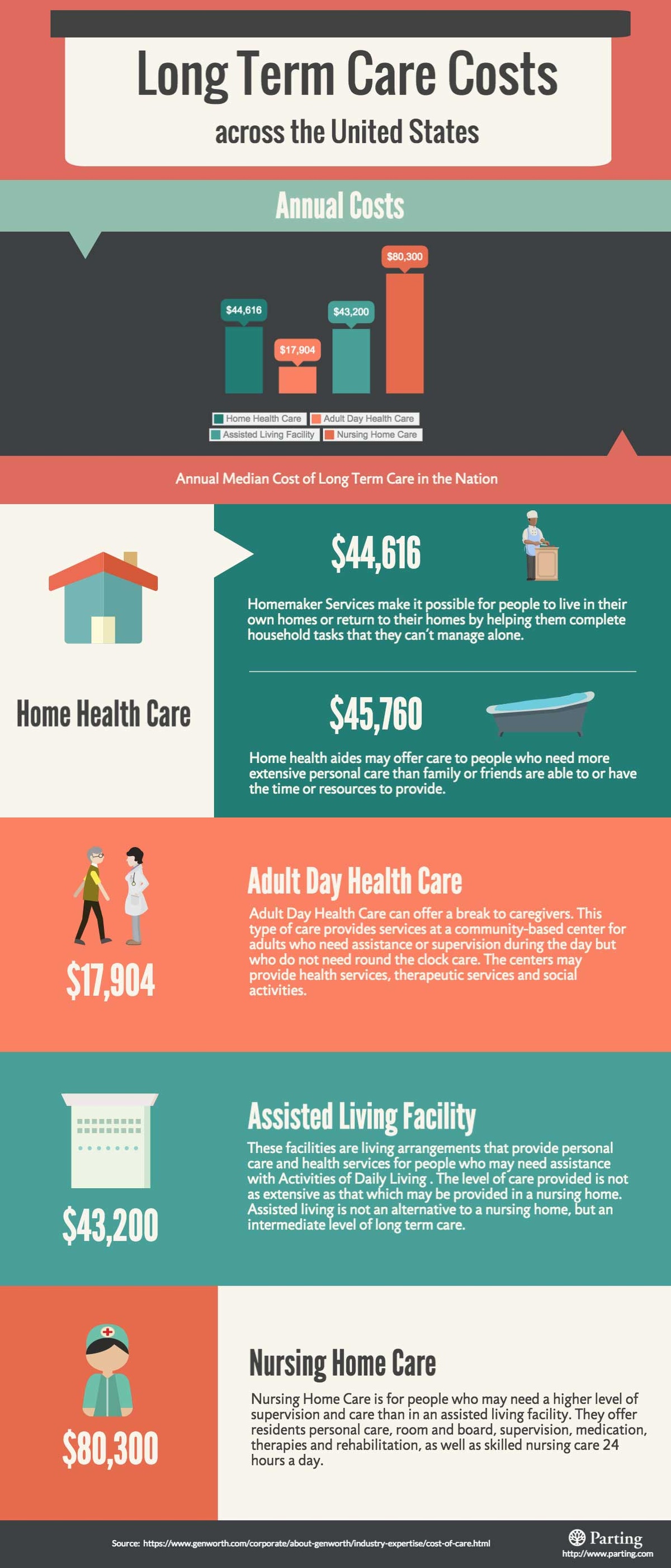
- Inadequate Accumulation: In the early and middle decades of a policy, the cash value is often modest after accounting for administrative fees, insurance costs, and commissions. It rarely grows fast enough to match the soaring costs of multi-year nursing home care, which frequently exceeds six figures annually.
- Policy Lapse Risks: Taking large loans against a cash-value policy reduces the net cash surrender value. If unpaid loan balances plus accrued interest exceed the total cash value, the policy can lapse. A lapsed policy triggers a massive taxable event and strips away the death benefit entirely, leaving the insured unprotected precisely when they are most vulnerable.
Frequently Asked Questions
Can I use my term life insurance policy to pay for a nursing home?
No. Term life insurance provides temporary coverage with no cash value component and no accumulated savings. Unless you are diagnosed with a qualifying terminal illness that triggers an accelerated death benefit, a term policy cannot be tapped to pay for daily living assistance or long-term care facilities.
What happens to my life insurance if I enter a nursing home?
Your life insurance policy remains active as long as you continue to pay the required premiums. Entering a nursing home does not automatically cancel your policy, but it does not provide funding for your care unless you have a specific long-term care rider or choose to surrender the policy for its cash value.
Are accelerated death benefit payouts taxable?
In most cases, accelerated death benefits paid out due to a terminal illness are received income-tax-free under federal law. However, if the payout is triggered by a chronic illness rather than a terminal diagnosis, specific per-diem limits and HIPAA guidelines apply, making it vital to consult a tax professional before making withdrawals.
Why don't all life insurance policies include long-term care riders?
Incurring the risk of chronic morbidity requires different actuarial calculations and higher reserves than insuring against mortality. Many traditional carriers choose not to offer these riders to keep base insurance premiums competitive for consumers who only want income replacement.
What are the main alternatives if life insurance does not cover long-term care?
Individuals who need to fund extended health care typically look toward standalone long-term care insurance, Medicaid planning (subject to strict asset-transfer rules and income limits), personal retirement savings, or Medicaid/Medicare partnerships established by state governments.
Practical Next Steps for Long-Term Care Planning
Relying on standard life insurance to cover extended health care needs is a risky strategy that often leads to severe financial shortfalls in retirement. If safeguarding your assets against the high cost of aging is a priority, begin by conducting a comprehensive audit of your existing financial portfolio with an independent insurance broker or a fee-only fiduciary financial planner. Evaluate whether your current coverage meets your legacy goals, and explore dedicated funding vehicles—such as hybrid asset-based policies or standalone long-term care products—while you are still healthy enough to pass underwriting requirements. Taking proactive steps ensures that your family's inheritance remains protected and your future medical needs are met without relying on obsolete policy assumptions.
Image Gallery