Moving Reno: A Practical Guide to Relocating to The Biggest Little City in the World
Relocating to Reno, Nevada, requires careful planning regarding the region's distinct high-desert climate, housing market dynamics, tax structures, and local infrastructure. This comprehensive guide outlines the essential steps, logist...
Relocating to Reno, Nevada, requires careful planning regarding the region's distinct high-desert climate, housing market dynamics, tax structures, and local infrastructure. This comprehensive guide outlines the essential steps, logistical considerations, and practical strategies needed to execute a successful move to Northern Nevada.
Contents
Understanding the Reno Landscape and Regional Climate
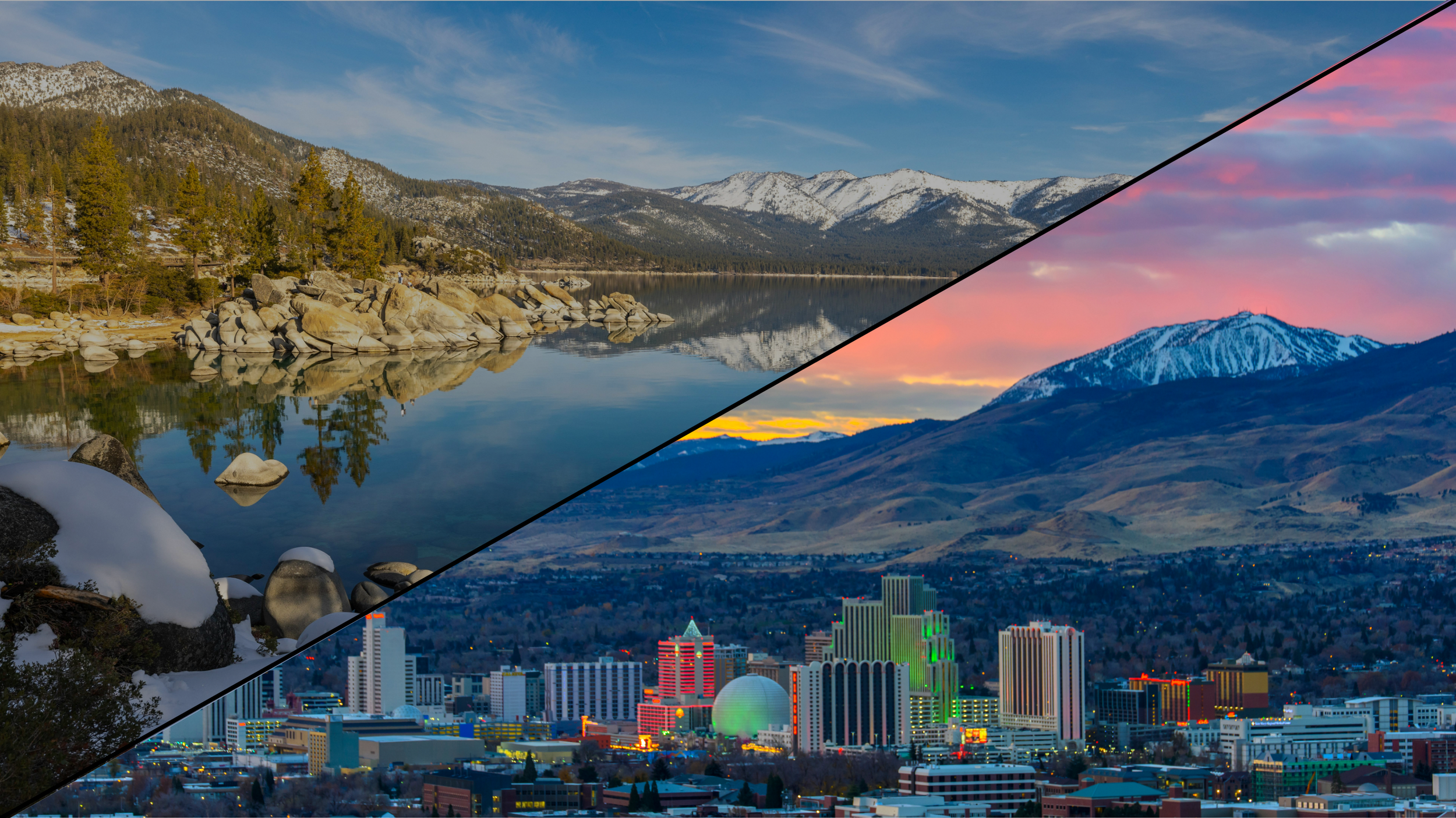
Before coordinating logistics, understanding the geography and climate of Reno is essential for a smooth transition. Situated in the Truckee Meadows at the foot of the Sierra Nevada mountains, Reno sits at an elevation of approximately 4,500 feet. This high-desert environment brings distinct four-season weather patterns that differ significantly from coastal or lower-elevation regions.
Summers are generally warm and dry, with daytime temperatures frequently exceeding 90°F, though humidity remains low. Winters bring cold temperatures, freezing nights, and occasional snowfall. Because weather conditions in the surrounding Sierra Nevada mountains can shift rapidly, mountain driving requires preparedness, including adherence to chain control laws on nearby routes like Interstate 80 over Donner Summit.
Neighborhood Overview
Reno features several distinct residential districts, each catering to different lifestyles and housing preferences:
- Downtown and Riverwalk District: Characterized by high-rise condominiums, historic brick buildings, and proximity to the Truckee River. This area suits individuals seeking an urban, walkable environment near dining and entertainment venues.
- MidTown: Known for locally owned boutiques, restaurants, and a mix of historic bungalows and modern infill developments. It attracts a vibrant, arts-focused community.
- South Reno: A rapidly expanding suburban zone featuring master-planned communities, modern shopping centers, and newer school zones. It is popular among families and professionals commuting to the south Meadows business parks.
- Old Southwest: A mature, tree-lined neighborhood featuring historic architectural styles, including mid-century modern and early 20th-century homes, located close to downtown.
- Northwest Reno: Nestled against the foothills, this area offers elevated views, proximity to the University of Nevada, Reno, and established residential pockets with varied housing stock.
Financial and Tax Implications of Moving to Nevada
One of the primary catalysts for relocating to Reno is Nevada’s favorable tax environment. The state levies no personal state income tax, making it an attractive destination for workers, remote professionals, and retirees seeking to lower their annual tax liabilities.
However, prospective residents must account for other state and local revenue mechanisms. Nevada relies heavily on sales tax, property taxes, and modified business taxes. Sales tax rates vary by county; in Washoe County (where Reno is located), the combined sales tax rate is typically 8.265%. Property taxes are calculated using an assessed value system that is constitutionally capped, offering a degree of predictability for homeowners compared to states with unconstrained property tax escalations.
| Tax Category | Nevada / Reno Structure | Practical Implication |
|---|---|---|
| State Income Tax | 0% | No state-level withholding on wages, capital gains, or retirement income. |
| Sales Tax | ~8.265% (Washoe County) | Applies to most retail goods and services; higher than some states, lower than others. |
| Property Tax | Assessed at 35% of taxable value; capped increases | Tax bills are relatively moderate, but municipal assessments apply to local improvements. |
| Modified Business Tax | Levied on gross wages paid by employers | Relevant for business owners and entrepreneurs relocating operations. |
Securing Housing: Renting and Purchasing Real Estate
The Northern Nevada real estate market has experienced substantial growth, driven by an influx of residents from neighboring states like California. Navigating the housing market requires realistic budgeting and a clear understanding of inventory cycles.
Renting in Reno
For those renting initially to learn the city's neighborhoods, the rental market spans luxury apartment complexes in South Reno to older units near the university. Landlords typically require proof of income equal to two and a half to three times the monthly rent, a security deposit, and a credit check. Securing a lease before arriving is recommended, as vacancy rates fluctuate depending on seasonal hiring cycles and university schedules.
Buying a Home
Purchasing property in Reno involves working with licensed real estate professionals familiar with micro-markets, such as flood zones near the Truckee River or HOA requirements in master-planned subdivisions. Buyers should secure pre-approval from a mortgage lender before house-hunting. Due to the high-desert climate, home inspections should specifically evaluate roof integrity for snow load capacity, HVAC system efficiency for hot summers and cold winters, and the condition of mature landscaping or irrigation systems.
Logistics: Hiring Movers and Transporting Vehicles
Executing a physical move over long distances requires careful coordination of moving companies, truck rentals, and personal travel logistics.
Choosing Moving Services
When hiring interstate movers, verify that the company is registered with the Federal Motor Carrier Safety Administration (FMCSA) and holds a valid USDOT number. Obtain written, binding estimates from at least three licensed carriers. If executing a DIY move using a rental truck, plan your driving route well in advance, accounting for mountain passes that may require mechanical checks on brakes and transmission fluids.
Vehicle Registration and Driver’s Licenses
Nevada state law mandates that new residents register their vehicles within 30 days of establishing residency and obtain a Nevada driver’s license within 30 days.
- Driver’s License: Visit the Nevada Department of Motor Vehicles (DMV). You will need to surrender your out-of-state license, provide proof of identity (such as a U.S. passport or birth certificate), and present proof of your new Reno residential address (such as a utility bill or lease agreement).
- Vehicle Registration: Bring your current vehicle title or lienholder information, out-of-state registration, a smog check certificate (required for most vehicles registered in Washoe County), and a VIN inspection completed at the DMV or by an authorized law enforcement officer.
Establishing Utilities, Healthcare, and Community Services
Setting up essential services prior to or immediately upon arrival ensures a seamless transition into daily life.
Utilities and Infrastructure
- Electricity and Natural Gas: Provided primarily by NV Energy. Schedule a transfer or start date online a few days before your move-in date.
- Water and Sewer: Managed by the Truckee Meadows Water Authority (TMWA) for residential water services within the Reno-Sparks metropolitan area.
- Waste Management: Solid waste and recycling services are managed by Waste Management of Nevada, operating on scheduled weekly pickups depending on the neighborhood.
- Internet and Telecommunications: High-speed broadband and fiber options are widely available through providers such as Charter Spectrum and AT&T.
Healthcare Access
Reno serves as the regional healthcare hub for Northern Nevada. Major medical networks include Renown Health, Saint Mary's Health Network, and Northern Nevada Health System. New residents should update their health insurance policies to ensure local network coverage and establish relationships with primary care physicians early, as appointment waitlists for specialists can occasionally span several weeks.
Employment and Economic Opportunities
Reno’s economy has diversified far beyond its historical reliance on gaming and tourism. The region has transformed into a major logistics, technology, and manufacturing center, frequently referred to as the Tahoe-Reno industrial corridor.
Major employers include technology and logistics operations housed in the Tahoe-Reno Industrial Center (TRIC), healthcare systems, the Washoe County School District, and the University of Nevada, Reno. Professionals moving without pre-arranged employment will find robust job markets in advanced manufacturing, supply chain management, finance, and aerospace. Networking through local organizations such as the Economic Development Authority of Western Nevada (EDAWN) can provide valuable regional insights for job seekers and entrepreneurs.
Frequently Asked Questions About Moving to Reno
How much does it cost to live in Reno compared to coastal California?
While Reno’s cost of living has risen due to regional growth, it generally remains lower than major metropolitan areas in coastal California, particularly regarding median home prices and property taxes. However, utilities, groceries, and insurance rates align with typical Western U.S. urban averages.
Do I need special tires or equipment for driving in Reno winters?
While standard all-season tires suffice for most urban driving in Reno, winter conditions in the surrounding Sierra Nevada mountains strictly mandate snow tires or chains under Chain Control levels issued by the Nevada Department of Transportation (NDOT). Keeping an emergency kit, ice scraper, and jumper cables in your vehicle is standard practice for local drivers.
What is the process for registering to vote after moving to Reno?
New residents can register to vote simultaneously when updating their driver's license at the Nevada DMV, online via the Nevada Secretary of State portal, or by mail. Nevada permits same-day voter registration during early voting and on Election Day with proper identification and proof of residency.
Are there good higher education and school district options in Reno?
Public education is administered by the Washoe County School District, which includes several specialized magnet schools and career-technical academies. For higher education, the University of Nevada, Reno (UNR) offers comprehensive undergraduate and graduate degree programs, while Truckee Meadows Community College (TMCC) provides two-year degrees and vocational training.
How does Reno handle emergency preparedness for natural events?
The region occasionally experiences natural events such as wildland smoke during dry summer wildfire seasons and localized flooding during heavy winter rain-on-snow events. Local authorities, including the Reno Office of Emergency Management, provide real-time alert systems and guidance for community disaster preparedness.
Next Actions for Your Relocation
To operationalize your move to Reno, begin by auditing your current lease or home sale timeline, securing reputable moving quotes, and scheduling utility transfers at least two weeks prior to departure. Compile critical legal and financial documents in a secure, portable folder, and schedule your Nevada DMV appointments in advance to meet state residency deadlines smoothly.
Image Gallery