Understanding Earthquake Risks: Assessment, Mitigation, and Protection Strategies in 2026
Earthquake risks represent the potential for physical damage, economic loss, and social disruption resulting from seismic events. These risks are calculated by evaluating the intersection of seismic hazards—such as ground shaking and s...
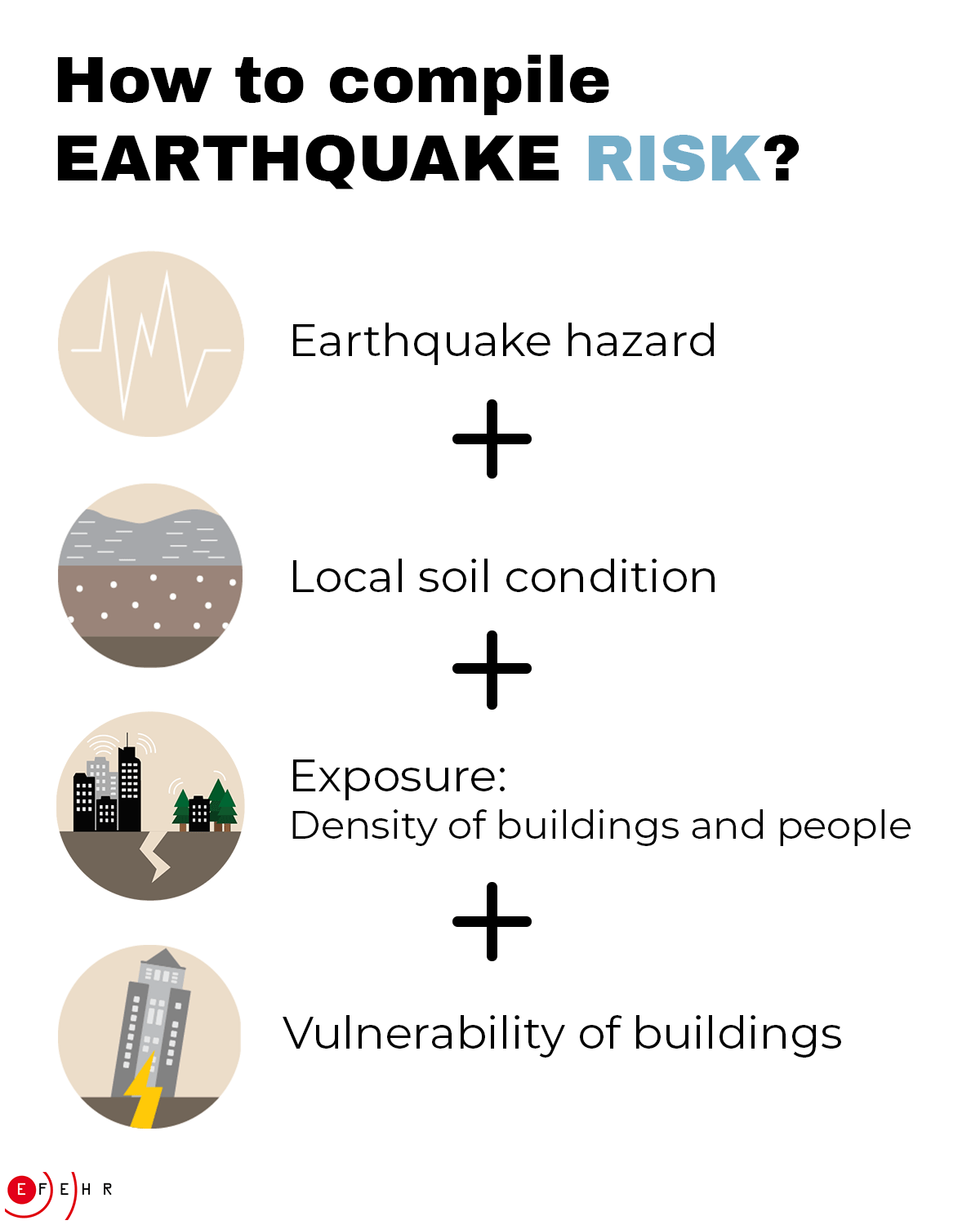
Earthquake risks represent the potential for physical damage, economic loss, and social disruption resulting from seismic events. These risks are calculated by evaluating the intersection of seismic hazards—such as ground shaking and soil liquefaction—with the vulnerability of human-made structures and the density of the local population.
Contents
While seismic activity is a natural phenomenon beyond human control, the risk associated with it is largely manageable through informed engineering, rigorous land-use planning, and individual preparedness. In 2026, as urban density increases in seismically active regions, understanding the nuances of these risks is essential for homeowners, business leaders, and policymakers alike.
Defining Seismic Hazard vs. Earthquake Risk
To effectively address the dangers posed by seismic activity, one must first distinguish between seismic hazard and earthquake risk. Although often used interchangeably in casual conversation, they represent distinct concepts in geology and risk management.
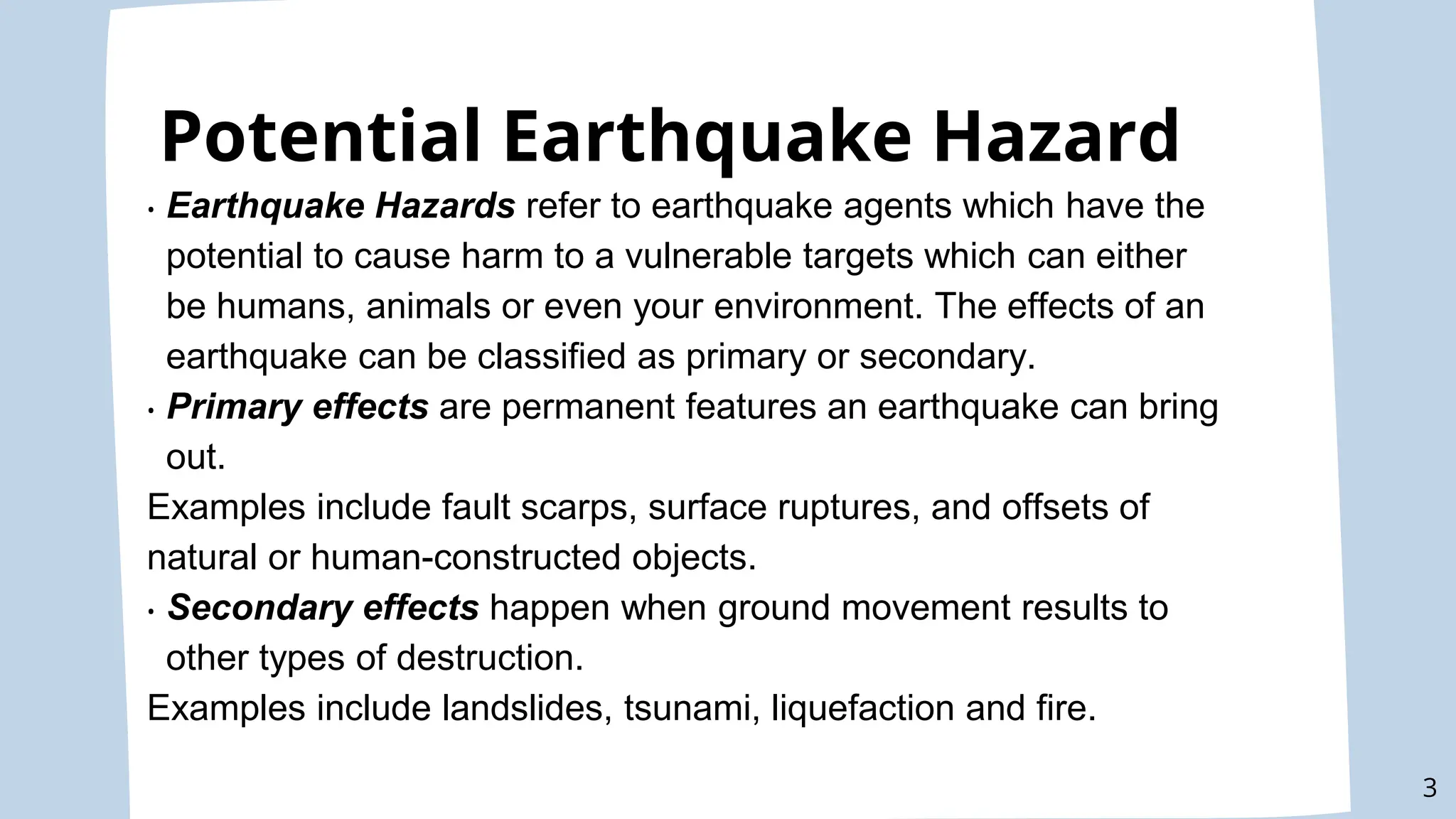
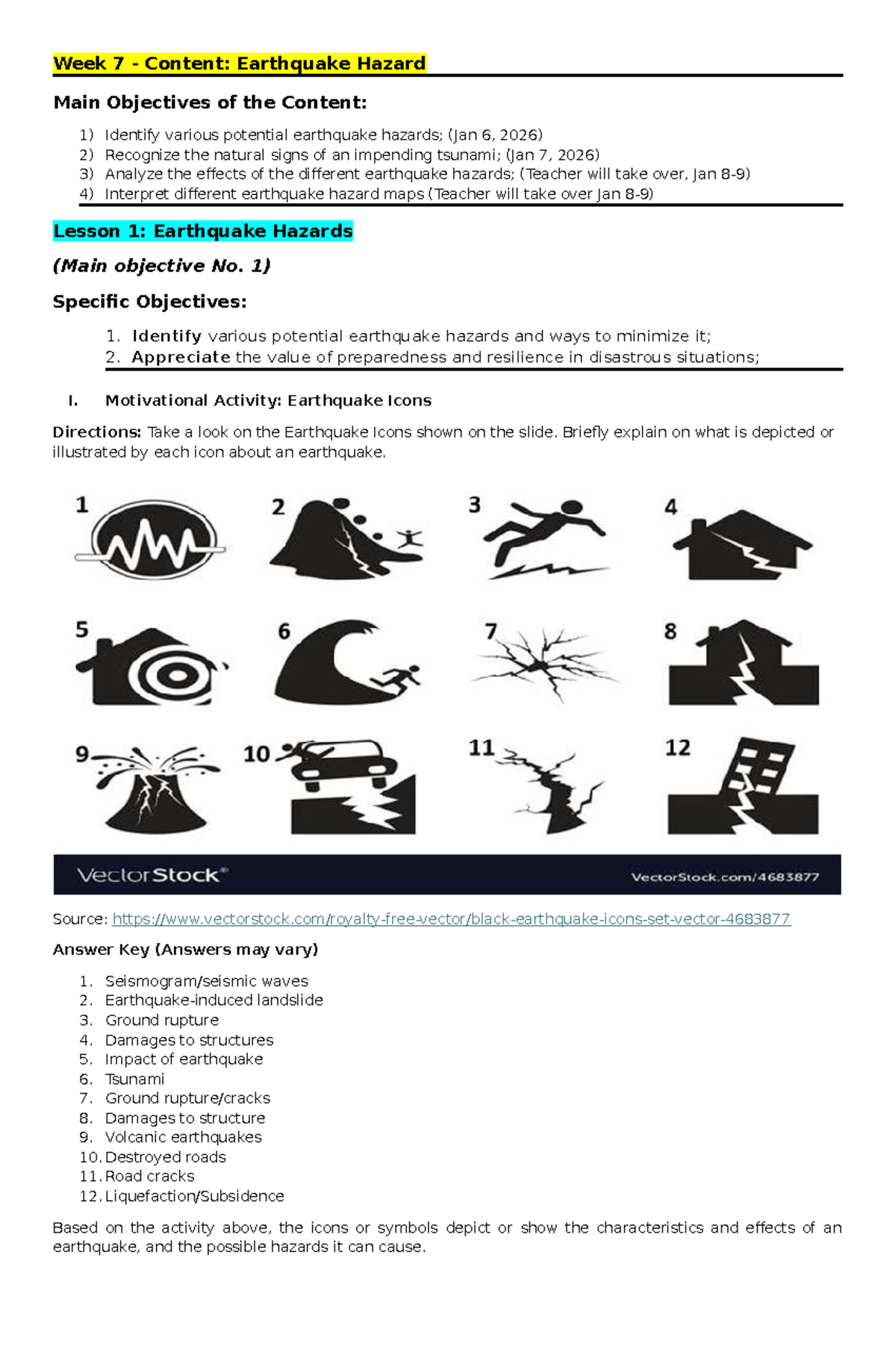
Seismic hazard refers to the natural physical phenomenon generated by an earthquake, such as ground shaking, landslides, or tsunamis. It is determined by the location of tectonic plate boundaries, the presence of active fault lines, and the geological history of a region. Hazard is essentially the "probability of occurrence" of a specific level of ground motion within a given timeframe.
Earthquake risk, conversely, is the potential consequence of that hazard. It factors in the "exposure" (people and buildings in the area) and "vulnerability" (the susceptibility of those buildings to damage). For example, a massive earthquake in a remote, uninhabited desert presents a high hazard but a very low risk. A moderate earthquake in a densely populated city with older, non-retrofitted infrastructure presents a significant risk.
The Role of Probability in 2026 Risk Assessment
In 2026, risk assessment models rely heavily on Probabilistic Seismic Hazard Analysis (PSHA). These models account for the uncertainty in the timing, location, and magnitude of future events. Engineers use these assessments to determine the "Design Basis Earthquake" for new structures, ensuring that buildings are resilient enough to protect occupants even during rare, high-intensity shaking events.
Primary Physical Hazards and Their Impacts
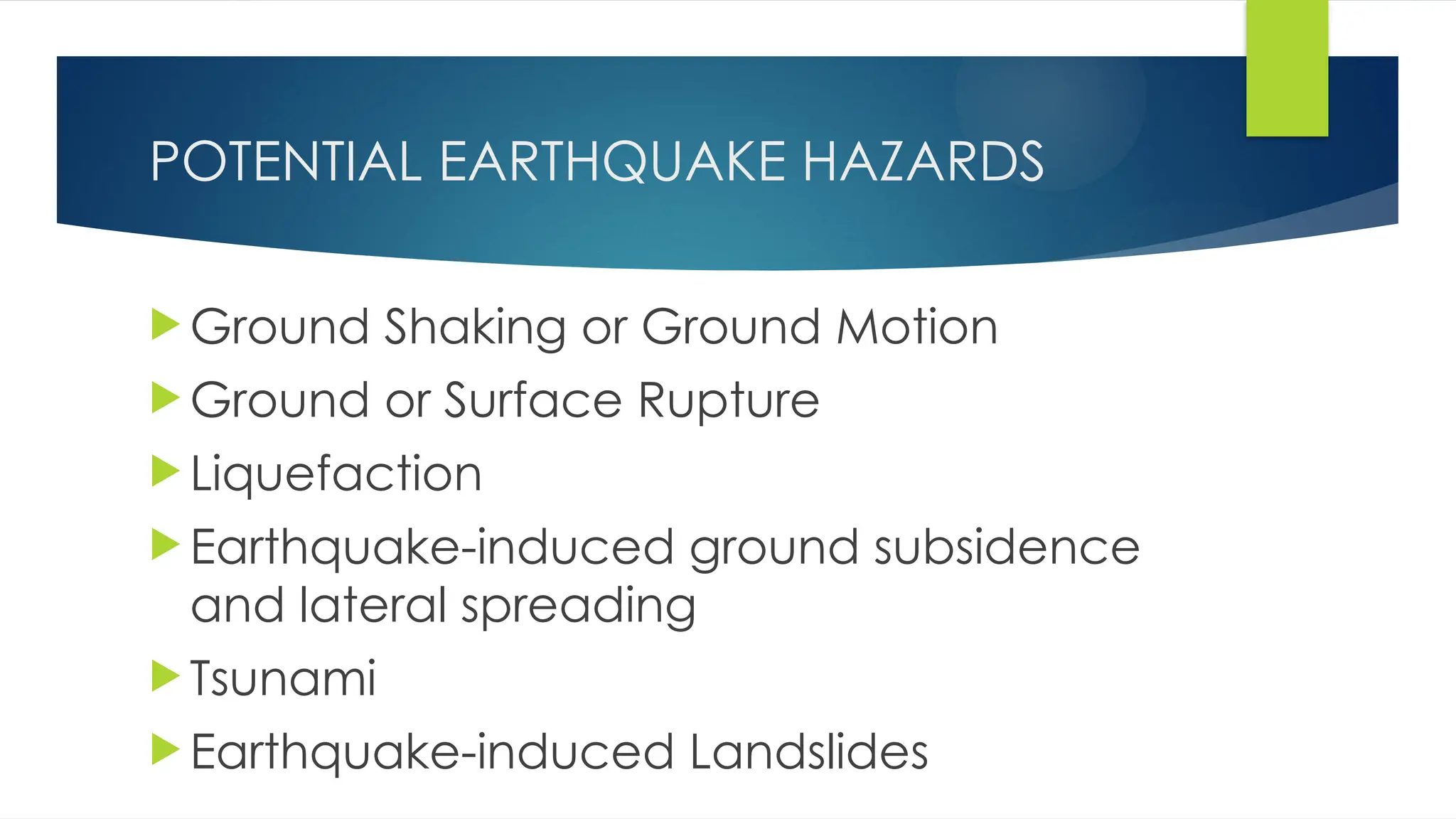
Earthquake risk is not limited to the initial "shake." A series of secondary physical hazards can compound the damage, often leading to more significant long-term loss than the primary seismic waves themselves.
Ground Shaking and Amplification
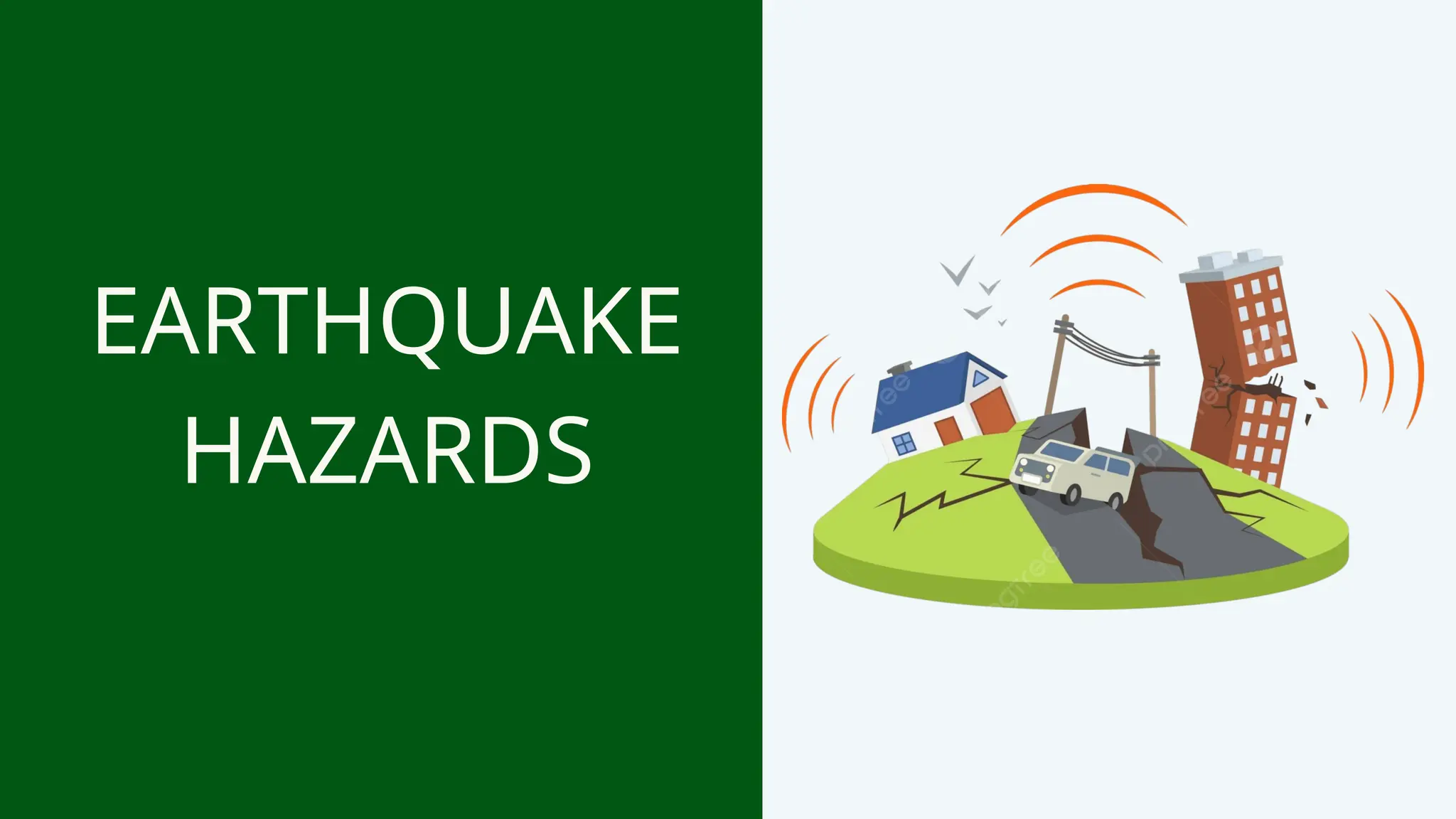
The most immediate risk is ground shaking, measured by Peak Ground Acceleration (PGA). The intensity of shaking depends on the distance from the epicenter and the local soil conditions. Soft soils, such as silt or clay, can amplify seismic waves, causing much more violent shaking than if the building were situated on solid bedrock. This phenomenon explains why certain neighborhoods in a city may suffer total collapse while others nearby remain largely unscathed.
Soil Liquefaction
Liquefaction occurs when loosely packed, water-saturated sediments lose their strength and act like a liquid during intense shaking. This can cause even well-constructed buildings to tilt or sink into the ground. Coastal areas and reclaimed land—common sites for high-value real estate—are particularly susceptible to this risk. Modern geotechnical surveys are now a prerequisite for most commercial developments in 2026 to identify and mitigate liquefaction zones before construction begins.
Surface Rupture and Landslides
In powerful earthquakes, the fault may break the surface of the earth, physically displacing the ground. Building directly across an active fault line is one of the highest risks a developer can take, as few structures can survive the literal tearing apart of their foundations. Additionally, in mountainous or hilly terrain, seismic activity frequently triggers landslides, which can bury roads, destroy homes, and sever vital utility lines.
Assessing Structural Vulnerability
The vulnerability of a building is the single most controllable factor in the earthquake risk equation. Not all buildings are created equal; the materials used and the era in which a structure was built drastically influence its likelihood of failure.
Unreinforced Masonry (URM) and Soft-Story Buildings
Unreinforced masonry buildings—those made of brick or stone without steel reinforcement—are among the most dangerous structures during an earthquake. Because they are brittle, they cannot absorb the energy of seismic waves and are prone to catastrophic collapse.
Similarly, soft-story buildings (typically multi-story wood-frame buildings where the ground floor has large openings, such as parking garages or retail storefronts) are highly vulnerable. Without adequate bracing, the ground floor can "pancake," leading to the collapse of the entire structure. Many jurisdictions in 2026 have moved from voluntary to mandatory retrofitting programs for these specific building types.
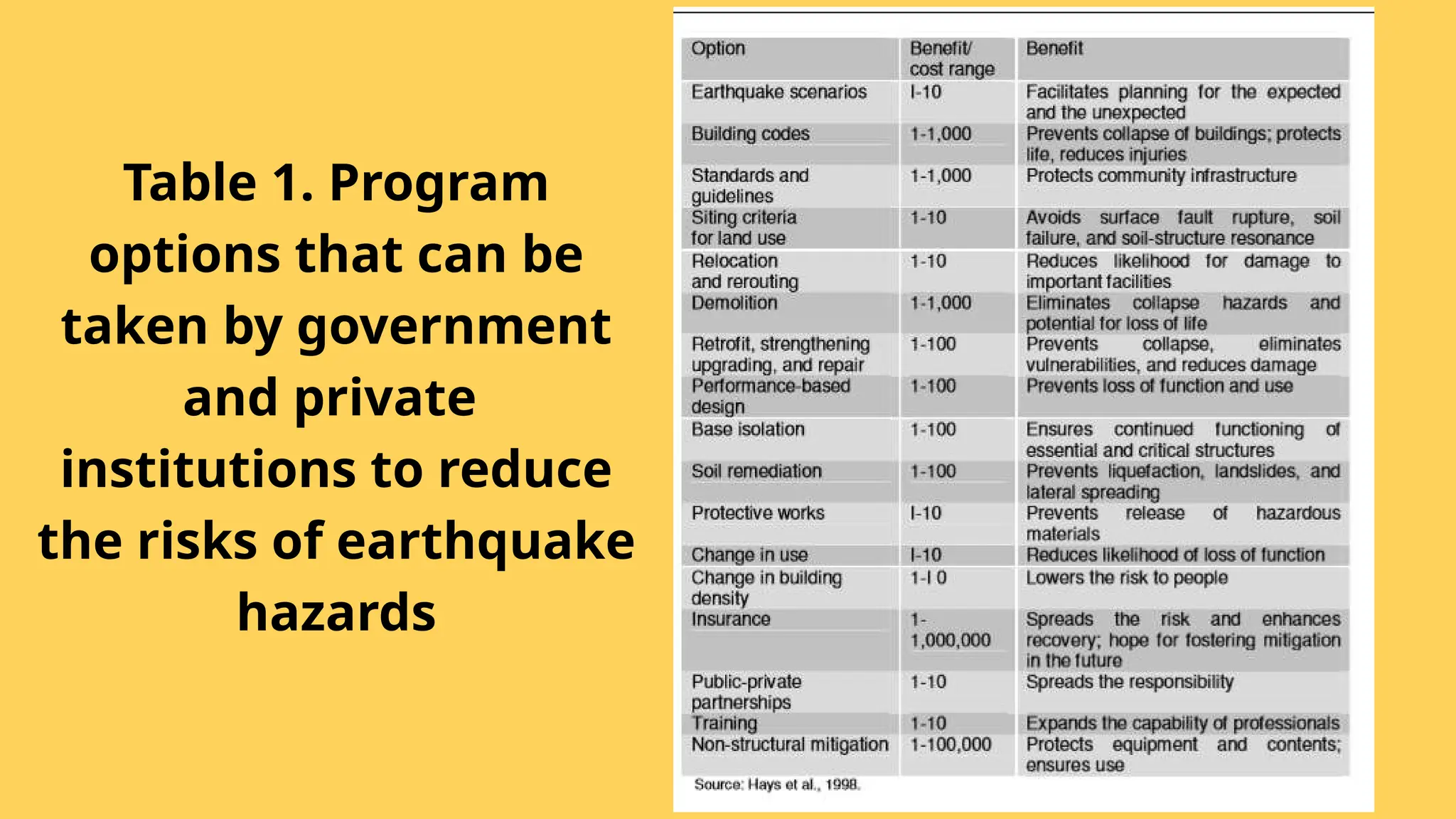
Modern Seismic Retrofitting Techniques
Retrofitting involves strengthening an existing building to make it more resistant to seismic activity. In 2026, the technology for retrofitting has become more accessible and cost-effective. Common methods include:
- Foundation Bolting: Securing the wooden frame of a house to its concrete foundation to prevent it from sliding off.
- Cripple Wall Bracing: Adding plywood sheathing to the short stud walls (cripple walls) between the foundation and the first floor to prevent them from collapsing sideways.
- Base Isolation: For high-value or essential facilities (like hospitals), installing flexible bearings or pads between the building and its foundation to "decouple" the structure from the shaking ground.
- Steel Braced Frames: Inserting steel frames into existing structures to absorb lateral forces.
Economic and Financial Risks
The risks of earthquakes extend far beyond physical safety; the financial implications can be devastating for individuals and corporations alike.
The Insurance Gap
A common misconception is that standard homeowners or commercial property insurance covers earthquake damage. In reality, earthquake coverage is almost always a separate policy or an endorsement with its own deductible. In 2026, deductibles for earthquake insurance typically range from 10% to 20% of the structure's replacement value. This means a homeowner with a $500,000 house might have to pay $50,000 to $100,000 out of pocket before insurance coverage begins.
Business Interruption and Supply Chain Fragility
For businesses, the risk includes "Business Interruption" (BI). Even if a building is structurally sound, a company may lose revenue if the surrounding infrastructure (power, water, transportation) is compromised. In 2026, corporate risk managers prioritize Resilience Planning, which involves diversifying supply chains and ensuring data centers are located in low-seismic-risk zones.
| Risk Category | Primary Impact | Mitigation Strategy |
|---|---|---|
| Structural | Building collapse, falling debris | Retrofitting, code compliance |
| Geological | Liquefaction, landslides | Site-specific geotechnical surveys |
| Financial | Loss of equity, repair costs | Earthquake insurance, emergency funds |
| Operational | Utility failure, supply chain breaks | Redundant systems, remote backups |
| Life Safety | Injury, loss of life | Early warning systems, "Drop, Cover, Hold On" |
Technological Advancements in 2026
The landscape of earthquake risk management has been transformed by technology. While we still cannot predict exactly when an earthquake will occur, our ability to react in the seconds before and the hours after has improved significantly.
Earthquake Early Warning (EEW) Systems
In 2026, EEW systems like ShakeAlert in the United States and similar networks globally are fully integrated into public infrastructure. These systems detect the fast-moving, non-damaging "P-waves" from an earthquake and send alerts to computers and smartphones before the slower, more destructive "S-waves" arrive. Even a 10-to-20-second warning allows for:
- Automated slowing of high-speed trains.
- Safe shutdown of industrial valves and power grids.
- Surgeons to pause delicate procedures.
- Individuals to take cover under sturdy furniture.
AI and Structural Health Monitoring
Artificial Intelligence is now used to analyze data from sensors embedded in bridges and high-rise buildings. These sensors monitor the "structural pulse" of a building. After an earthquake, AI can instantly determine if a structure has suffered hidden damage, allowing for faster re-entry or evacuation decisions than a manual inspection could provide.
Essential Preparedness for Individuals and Organizations
Managing earthquake risk is a shared responsibility. While engineers build safer cities, individuals must take steps to ensure their own resilience.
Securing the Interior Environment
Many earthquake-related injuries are caused by falling objects rather than structural failure. To mitigate this risk, residents should:
- Anchor heavy furniture: Secure tall bookshelves, wardrobes, and televisions to wall studs using brackets or straps.
- Secure appliances: Ensure water heaters are strapped to the wall to prevent leaks or fires.
- Safe sleeping zones: Do not hang heavy mirrors or art directly over beds or sofas.
The 72-Hour Survival Standard
In the aftermath of a major seismic event, emergency services may be overwhelmed. The standard recommendation in 2026 is for every household and business to be self-sufficient for at least 72 hours. An emergency kit should include:
- Water: One gallon per person per day.
- Food: Non-perishable items that do not require cooking.
- Communication: A battery-powered or hand-crank radio and portable power banks.
- Medical: A comprehensive first-aid kit and at least a week's supply of prescription medications.
- Tools: A wrench or plier to shut off utility valves if a leak is detected.
Frequently Asked Questions
Can earthquakes be predicted in 2026?
No, scientists cannot predict the exact date, time, and location of an earthquake. We can only forecast the probability of an event occurring in a specific region over a decades-long timeframe. However, early warning systems can provide seconds of notice once an earthquake has already begun.
Does my standard insurance cover earthquake damage?
Standard homeowners and renters insurance policies almost never cover earthquake damage. You must purchase a separate earthquake policy or add a specific endorsement. Be aware that these policies often have high deductibles.
What is the safest room in a house during an earthquake?
There is no single "safest room," but you should stay away from windows, glass, and heavy furniture. The best action is to Drop, Cover, and Hold On under a sturdy table or desk. If you are in bed, stay there and protect your head with a pillow.
How do I know if my building is at risk?
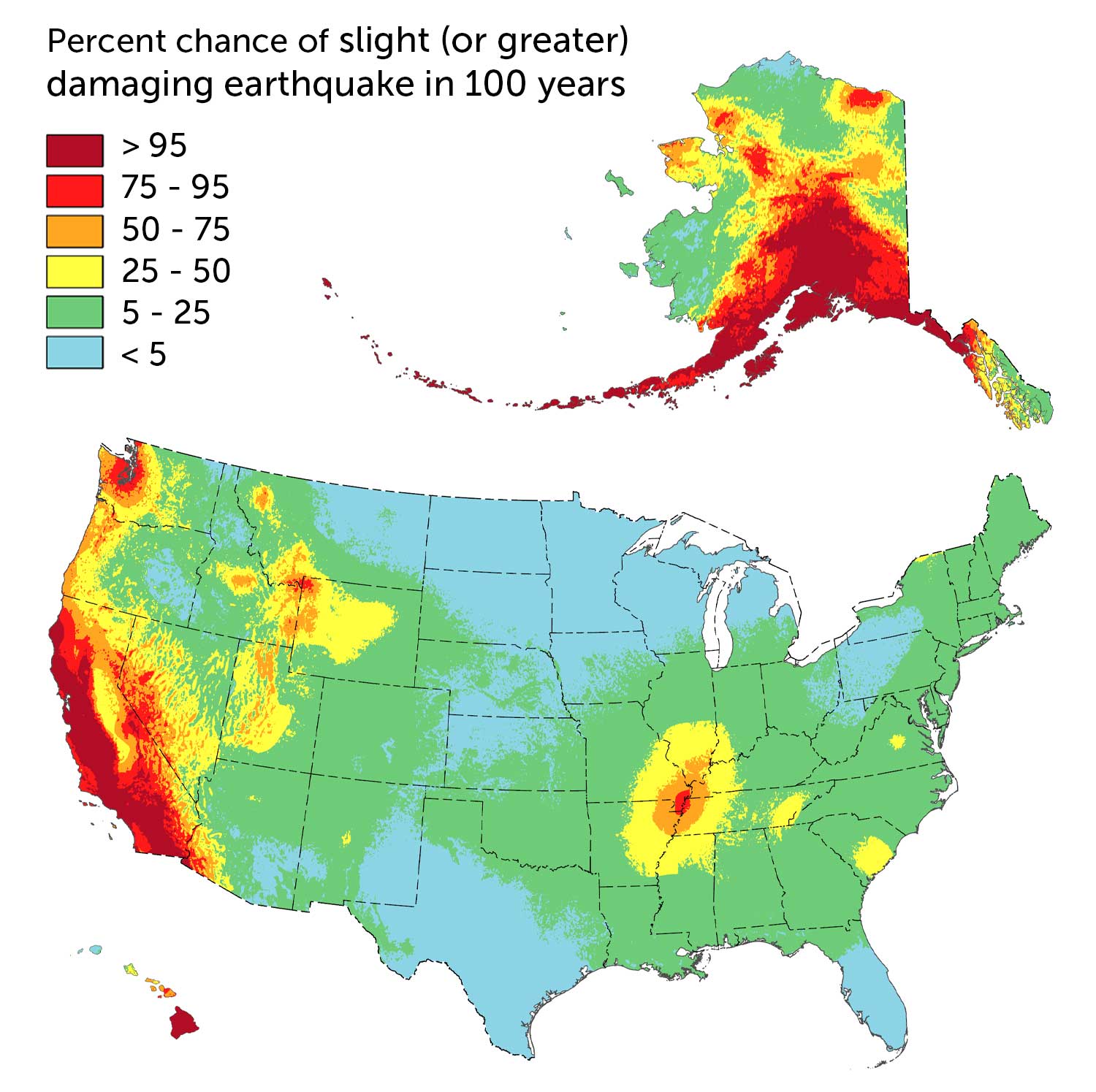
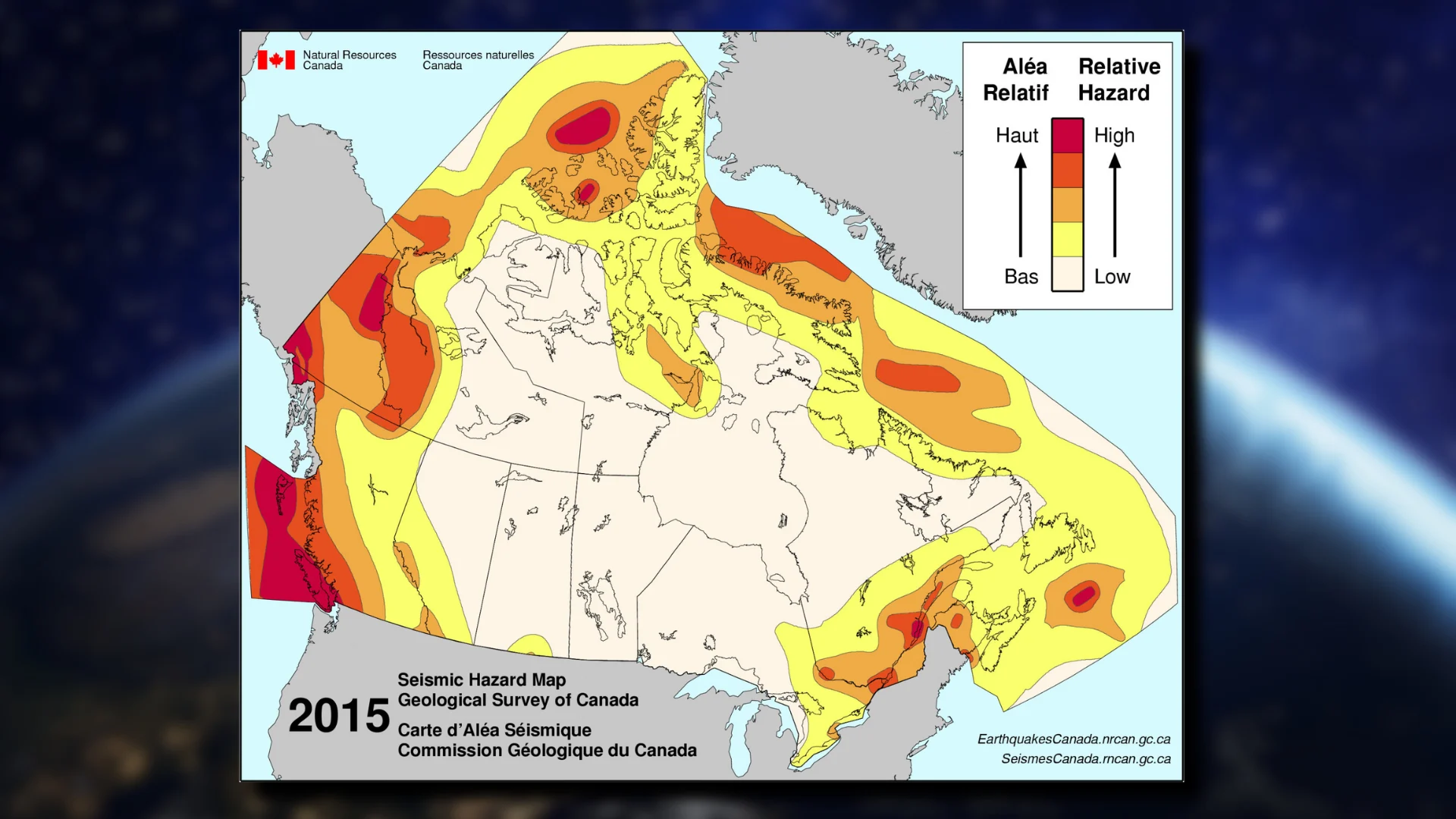
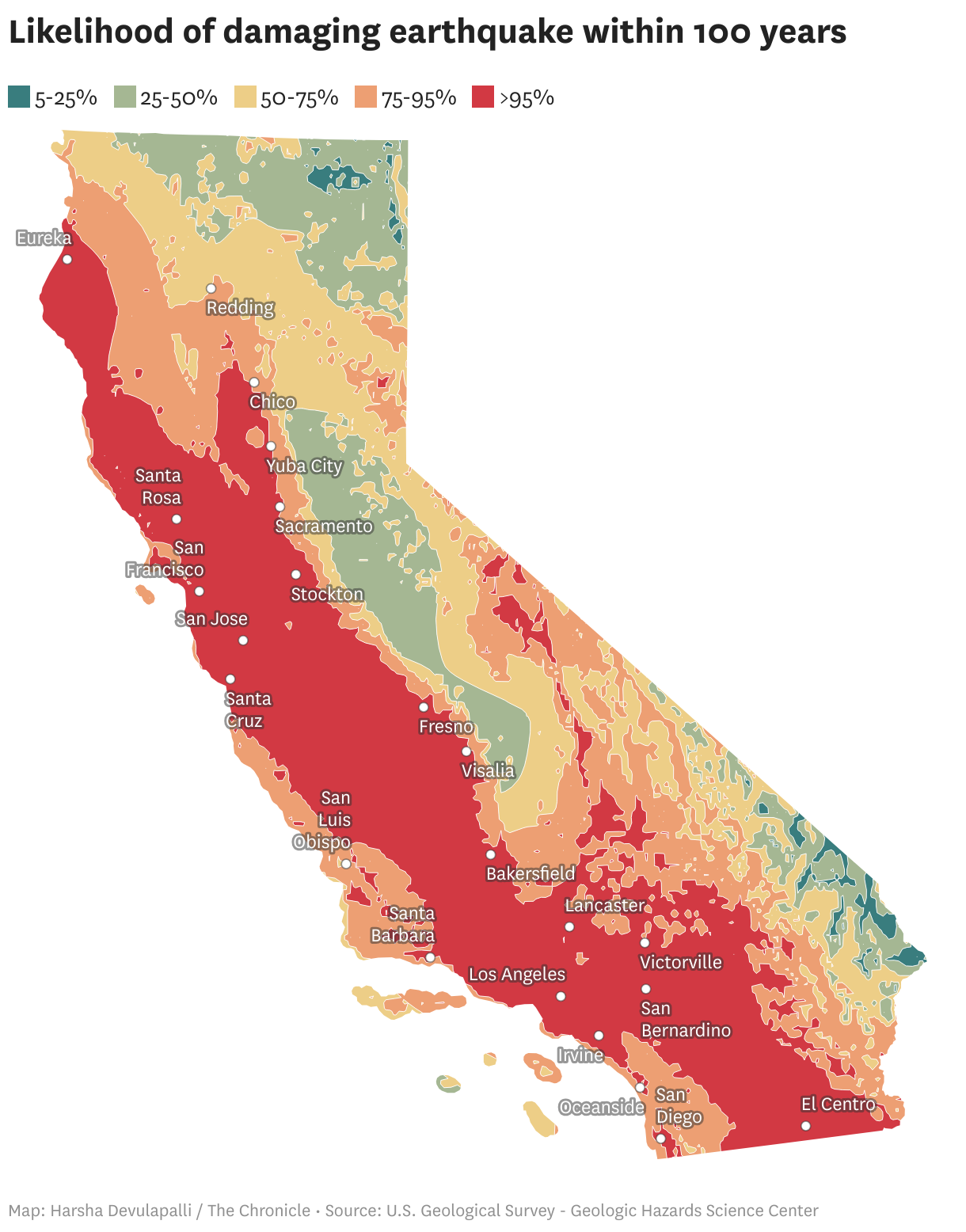
You can consult seismic hazard maps provided by government agencies like the USGS. For a detailed assessment of your specific building, you should hire a licensed structural engineer to perform a seismic evaluation.
Is earthquake risk only a concern for the West Coast?
While the West Coast of the U.S. has the highest frequency of earthquakes, other areas like the New Madrid Seismic Zone in the Midwest and parts of the East Coast (such as Charleston, SC) have significant historical seismic activity and remain at risk.
Taking Action: Next Steps for Risk Reduction
Reducing earthquake risk requires a move from passive awareness to active mitigation. Start by assessing your physical environment: check for unbolted foundations or unbraced cripple walls in your home. If you are a business owner, conduct a vulnerability audit of your facilities and verify that your critical data is backed up in a geographically distant location.
Finally, ensure your family or team knows exactly what to do when the shaking starts. Practice drills are the most effective way to overcome the "freeze" response during an actual emergency. By investing in structural resilience and personal preparedness today, you significantly decrease the potential for loss in the future.
Image Gallery