Living in Jacksonville Florida in 2026: The Ultimate Local Guide for Residents and Newcomers
Navigating life when you declare "i live in jacksonville florida" means experiencing the largest city by land area in the contiguous United States. Spanning over 840 square miles across Duval County, Jacksonville offers a unique blend...
Navigating life when you declare "i live in jacksonville florida" means experiencing the largest city by land area in the contiguous United States. Spanning over 840 square miles across Duval County, Jacksonville offers a unique blend of coastal beach culture, sprawling suburban master-planned communities, and a rapidly expanding urban core along the St. Johns River. As of 2026, the River City continues to experience major economic growth, infrastructure investments, and demographic shifts, making it a dynamic hub for professionals, families, and retirees alike. Mastering daily life here requires a comprehensive understanding of local neighborhoods, transportation logistics, regional healthcare networks, and the economic landscape that defines Florida's First Coast.
Contents
Geographic Layout and Distinct Neighborhoods of Duval County
Jacksonville is far from a traditional dense metropolis; instead, it functions as a collection of diverse, self-contained communities separated by bridges, waterways, and major thoroughfares. Understanding these geographic divisions is essential for daily commuting, real estate investment, and lifestyle alignment.
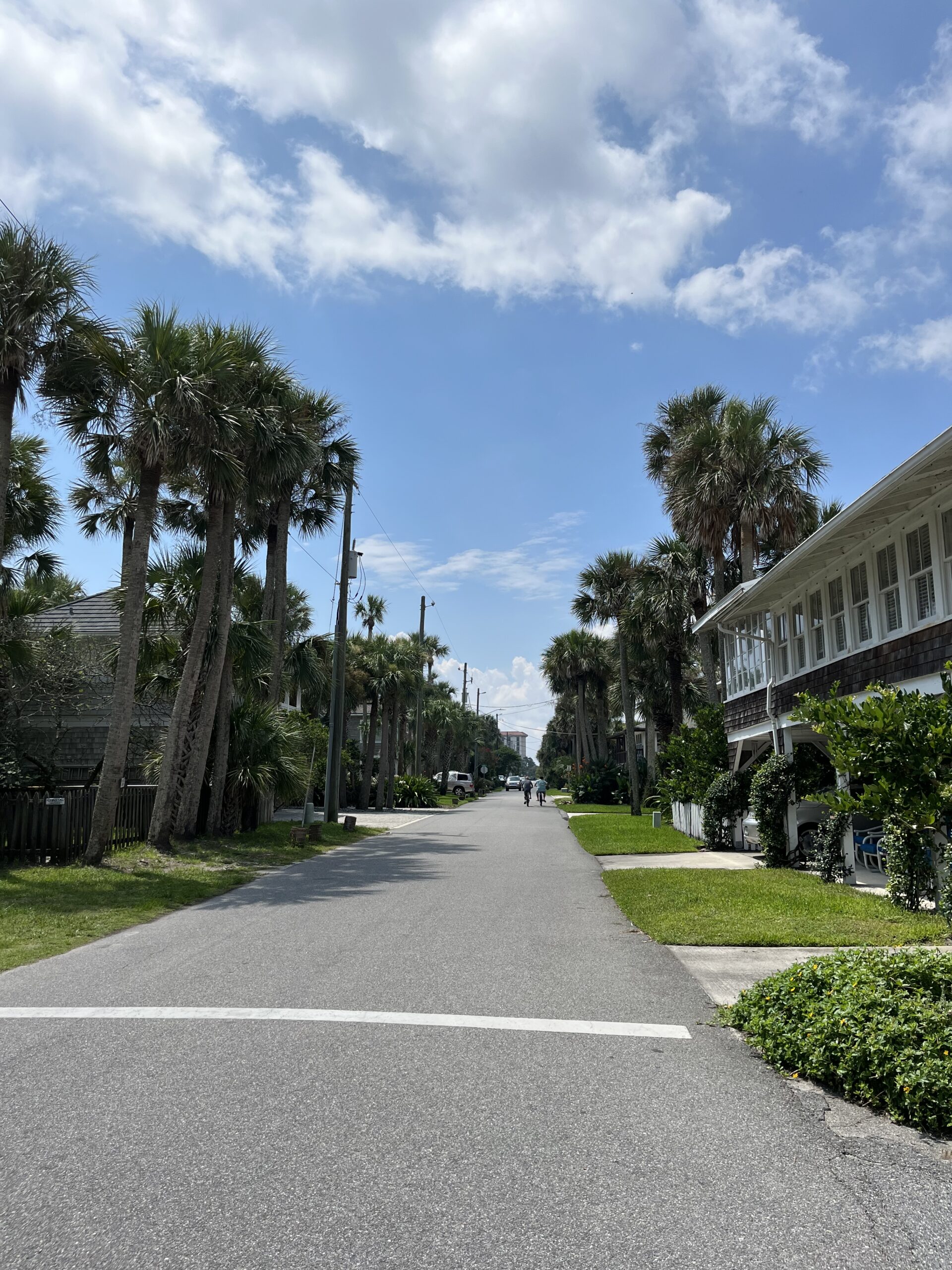
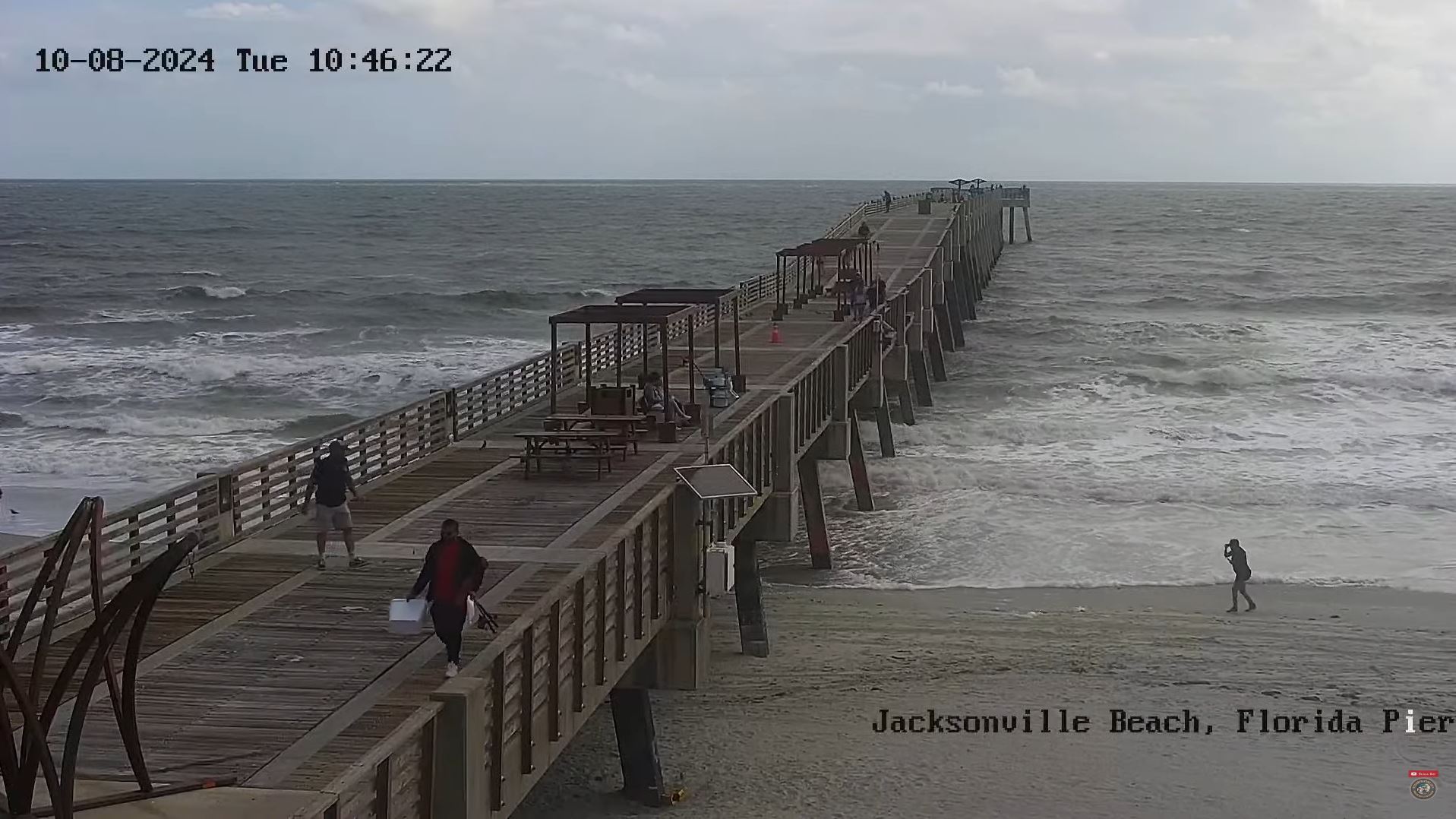
- The Beaches (Atlantic Beach, Neptune Beach, Jacksonville Beach): Situated east of the Intracoastal Waterway, these barrier island communities offer a walkable, laid-back coastal lifestyle anchored by surfing, oceanfront dining, and tight-knit community events.
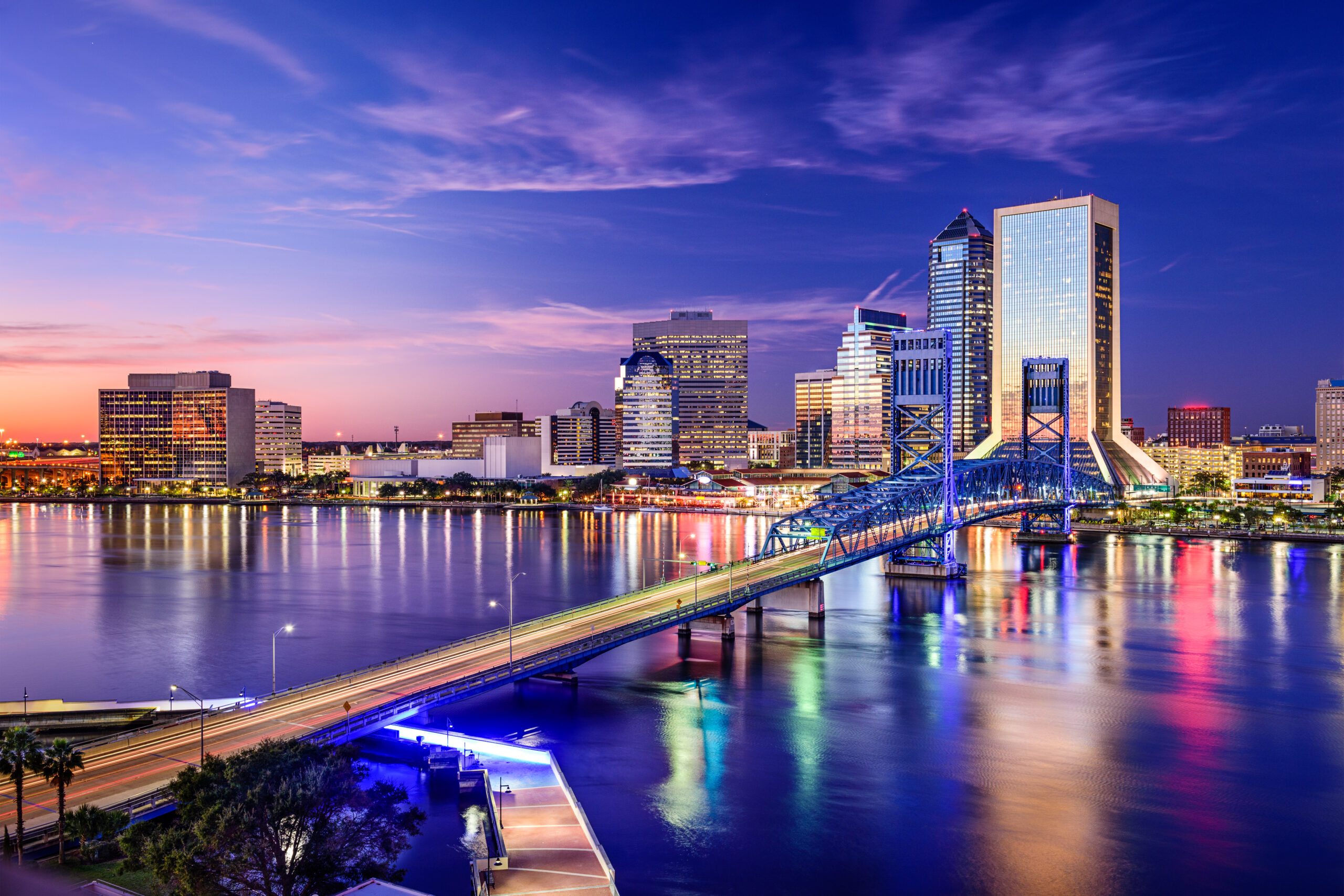
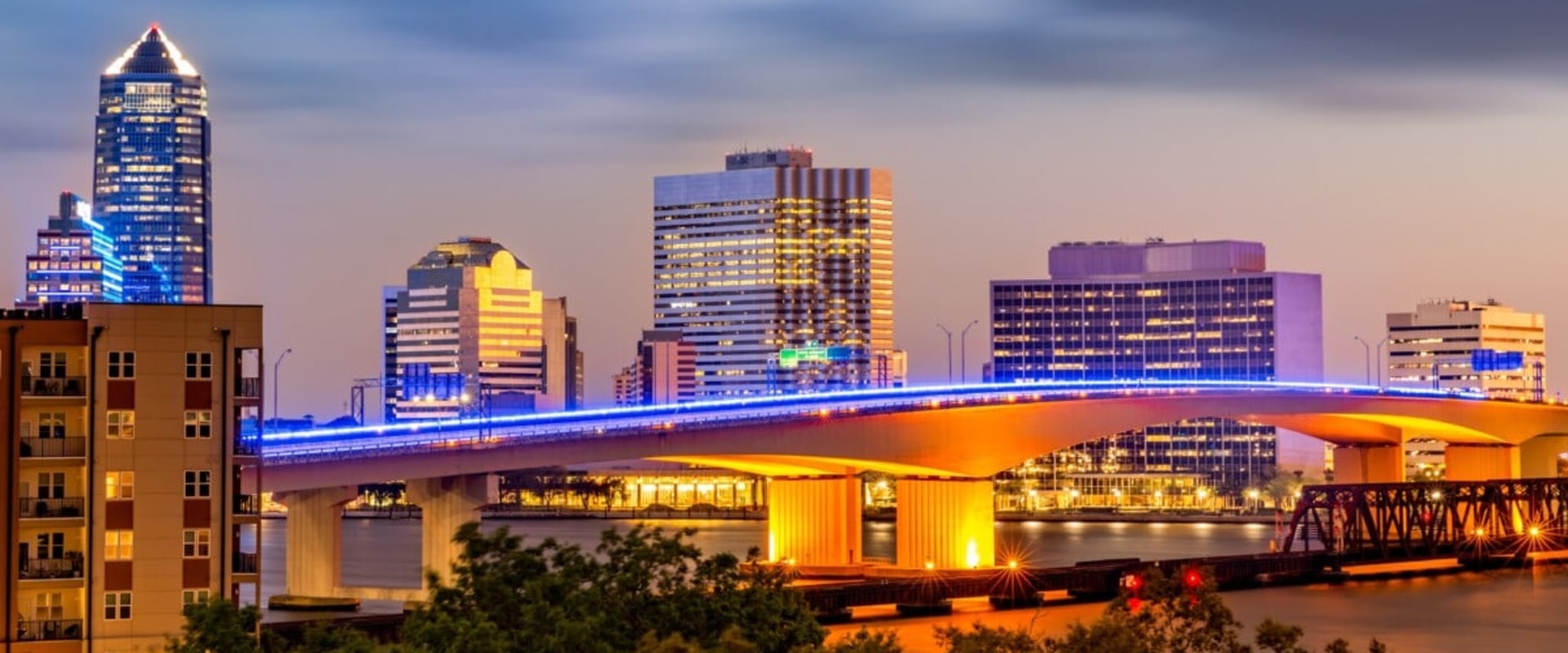
- Downtown and The Urban Core: Encompassing the Northbank and Southbank along the St. Johns River, Downtown Jacksonville is undergoing a massive revitalization phase in 2026, featuring new high-rise residential conversions, riverfront parks, and entertainment venues like the Shipyards Green.
- San Marco and Riverside/Avondale: Located immediately south and west of downtown, these historic districts feature 1920s architecture, boutique shopping districts, local craft breweries, and mature oak-canopied streets with high walkability scores.
- The Southside and Mandarin: Spanning south toward St. Johns County, these regions represent massive commercial and residential expansion zones, featuring corporate office parks, major retail centers like St. Johns Town Center, and established suburban neighborhoods.
- The Northside and Westside: Offering more affordable housing options, light industrial zones, and proximity to major logistics hubs, these areas provide quick access to rural expanses, state forests, and outdoor recreation areas like the Timucuan Ecological and Historic Preserve.
Navigating Jacksonville Infrastructure, Transportation, and Commute Realities
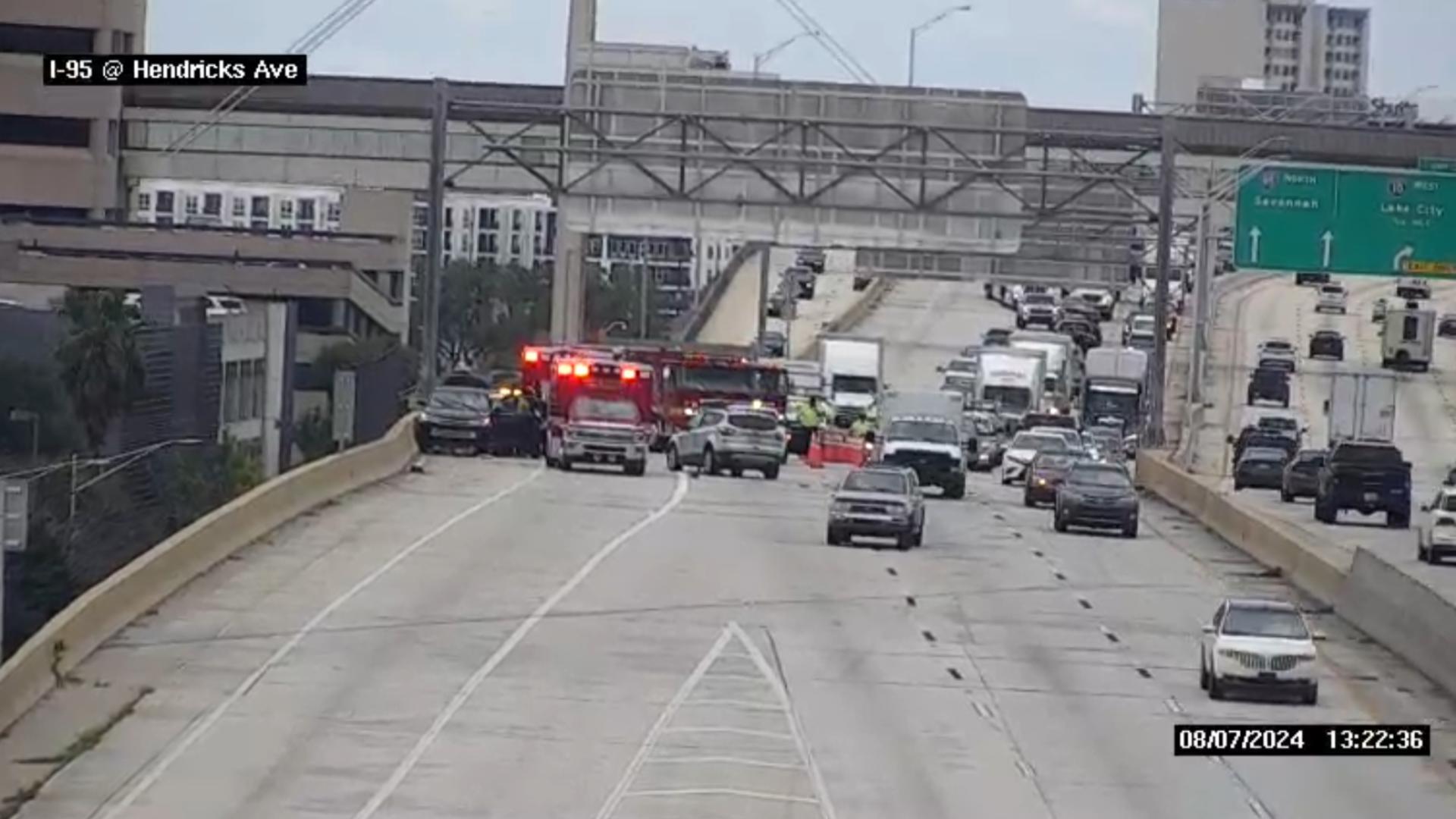
Because Jacksonville covers such an expansive geographical footprint, mastering transportation networks is critical to avoiding heavy traffic bottlenecks, particularly during peak rush hours across the St. Johns River bridges.
Major interstate corridors include Interstate 95 running north-south, Interstate 10 running east-west toward the Florida panhandle, and Interstate 295, which forms a complete 61-mile beltway around the metropolitan area. The Jacksonville Transportation Authority (JTA) operates the local bus network, the automated Skyway monorail system downtown, and ongoing micro-transit initiatives.
Commuting Best Practices for Residents:
- Bridge Planning: Always monitor live traffic conditions across the Fuller Warren Bridge, Acosta Bridge, Main Street Bridge, and Dames Point Bridge before embarking on cross-river commutes.
- Express Lanes: Utilize the I-95 and I-295 Express Lanes during peak morning and evening windows to bypass heavy congestion by paying dynamic tolls via a SunPass transponder.
- Alternative Transit: Leverage regional park-and-ride lots and express bus routes if working within the central business district to minimize daily parking expenses.
Healthcare Infrastructure and Major Medical Systems in Duval County
Access to top-tier medical care is a primary pillar of living in Jacksonville. The city serves as a major regional medical destination, anchored by world-class hospital systems, specialized research institutes, and extensive outpatient clinic networks. Residents must carefully evaluate their health insurance plans—whether commercial PPOs, employer-sponsored HMOs, or Medicare Advantage options—to ensure seamless in-network access.
| Healthcare System / Provider | Primary Flagship Facility Location | Key Specialties & Regional Strengths | Insurance Network Considerations |
|---|---|---|---|
| Mayo Clinic Florida | 4500 San Pablo Rd S, Jacksonville, FL 32224 | Advanced oncology, neurology, organ transplantation, and rare disease treatment. | Broad Medicare acceptance; selective commercial PPO/HMO contracting requiring pre-authorization. |
| Baptist Health / Wolfson Children's | 800 Prudential Dr, Jacksonville, FL 32207 | Pediatric trauma, cardiovascular care, women's health, and regional emergency medicine. | Widely accepted across major commercial carriers, local PPOs, and standard network plans. |
| UF Health Jacksonville | 655 W 8th St, Jacksonville, FL 32209 | Level 1 Trauma Center, burn unit, high-risk obstetrics, and academic clinical research. | Accepts Medicaid, Medicare, and most major commercial insurance providers. |
| Ascension St. Vincent's | 1821 King St, Jacksonville, FL 32204 | Orthopedics, stroke care, primary care clinics, and senior health services. | Broad commercial, Medicare Advantage, and managed care plan acceptance. |
Climate Realities, Weather Preparedness, and Utility Management
Living in northeast Florida exposes residents to a humid subtropical climate characterized by long, hot summers, mild winters, and distinct seasonal rainfall patterns. Preparing for the Atlantic hurricane season, which runs annually from June 1 through November 30, is a mandatory part of local life.
- Hurricane Readiness: Residents must maintain an emergency kit containing non-perishable food, potable water (one gallon per person per day for at least seven days), battery-powered weather radios, and important document binders.
- Evacuation Zones: Determine your specific Duval County evacuation zone (Zones A through E) based on your residential address and elevation relative to storm surge risks.
- Utility Providers: The primary electric and water utility is JEA (Jacksonville Electric Authority), a municipally-owned utility. Setting up online account management helps monitor daily water and energy usage during high-temperature summer months when air conditioning loads peak.
Economic Landscape, Cost of Living, and Housing Markets
Jacksonville’s economy is anchored by a diverse mix of logistics, financial services, healthcare, advanced manufacturing, and military presence (including Naval Station Mayport and Naval Air Station Jacksonville). Compared to South Florida markets like Miami or West Palm Beach, Jacksonville historically maintains a more favorable cost of living, though rapid population growth has placed upward pressure on housing inventory and rental rates.
- Property Taxes: Managed by the Duval County Property Appraiser, property assessments benefit from Florida's Save Our Homes assessment limitation for primary homestead properties.
- No State Income Tax: Like the rest of Florida, residents enjoy the absence of a state personal income tax, though sales taxes and local property levies apply.
- Employment Sectors: Major private and public employers include JEA, CSX Transportation, Fidelity National Financial, FIS, Navy Federal Credit Union, and the regional health systems.
Frequently Asked Questions About Living in Jacksonville
What is the cost of living in Jacksonville compared to the national average?
Jacksonville's overall cost of living typically hovers very close to the national average, with housing and transportation costs varying moderately by neighborhood. While coastal beach properties command premium prices, suburban and Northside areas offer more budget-friendly single-family homes and rental options.
Are there state income taxes for residents living in Jacksonville?
No, Florida does not levy a personal state income tax on wages, investments, or retirement income. Residents are only subject to federal income taxes, local property taxes, and state sales taxes on applicable goods and services.
How do I prepare my home for hurricane season in Jacksonville?
Preparation involves clearing loose outdoor debris, reinforcing garage doors, testing backup generators, and trimming overhanging tree branches. Additionally, ensure your homeowner's insurance policy covers windstorm damage and check whether flood insurance is necessary for your specific flood plain elevation.
What are the top public school districts and educational options?
Public education is administered by Duval County Public Schools (DCPS), which features a wide variety of magnet programs, specialized career academies, and choice options. Numerous private, parochial, and charter schools are also scattered throughout the San Marco, Mandarin, and Southside regions.
What public transit options are available for non-drivers?
The Jacksonville Transportation Authority (JTA) provides fixed-route bus services, regional express shuttles, and the downtown automated Skyway. Additionally, bike lanes and pedestrian trails are continually expanding, particularly around the Riverside Arts Market and the Southbank Riverwalk.
Conclusion and Next Steps for New Residents
Residing in Jacksonville offers an exceptional balance of outdoor recreation, professional opportunity, and southern coastal charm. Whether you are settling into a historic bungalow in Riverside, managing a career downtown, or enjoying the ocean breeze at the beaches, understanding the city's infrastructure and logistical framework ensures a seamless transition. Secure your utility accounts, map out your daily bridge commutes, and plug into local community networks to make the most of life on the First Coast.
Image Gallery