The Complex Intersection: Ali and Malcolm X, Their Brief Friendship and Its End
Cassius Clay and Malcolm X forged a powerful, highly visible alliance during the turbulent civil rights era of the early 1960s, united by their alignment with the Nation of Islam, before ideological schisms, sectarian politics, and Mal...
Cassius Clay and Malcolm X forged a powerful, highly visible alliance during the turbulent civil rights era of the early 1960s, united by their alignment with the Nation of Islam, before ideological schisms, sectarian politics, and Malcolm's split from the organization abruptly shattered their relationship.
Contents
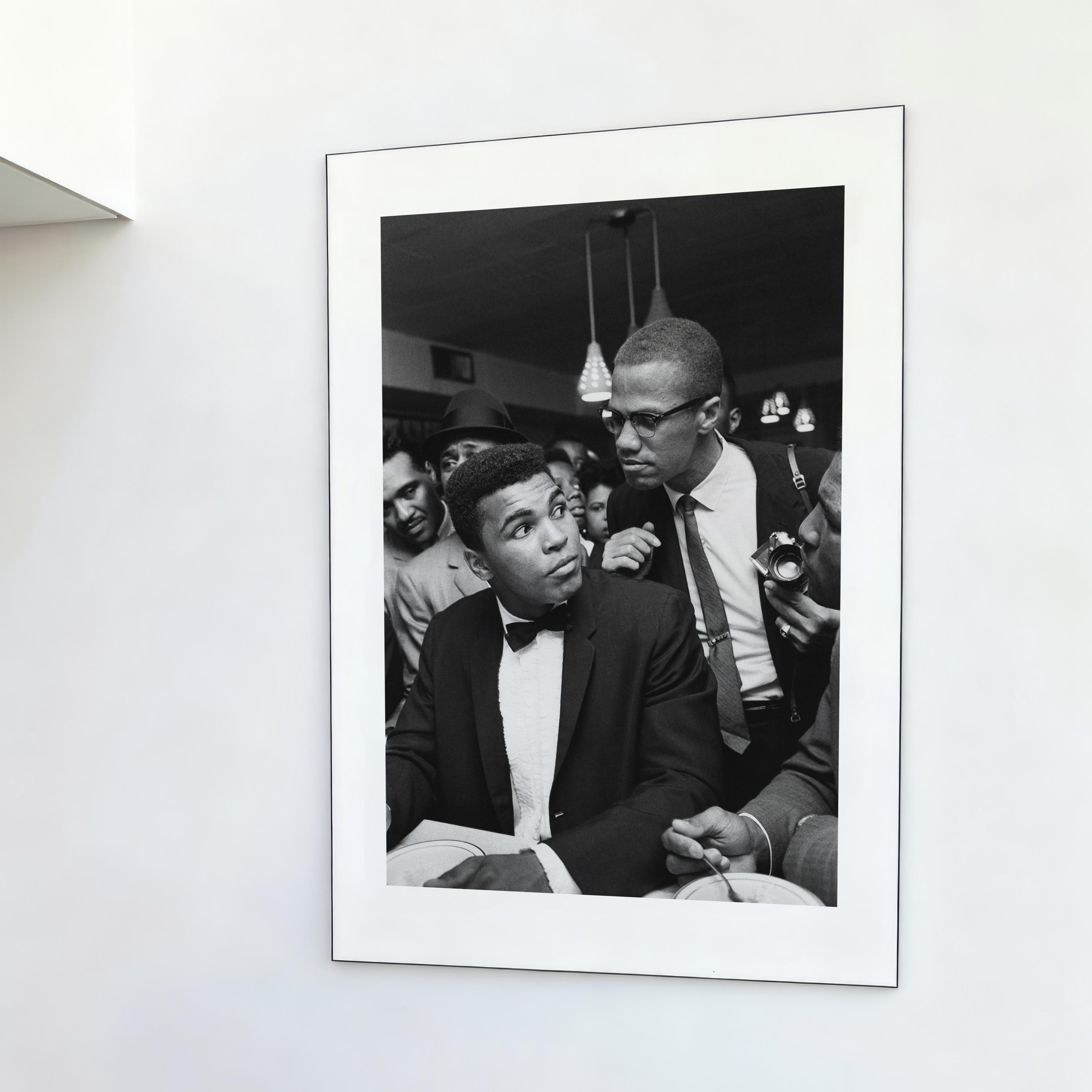
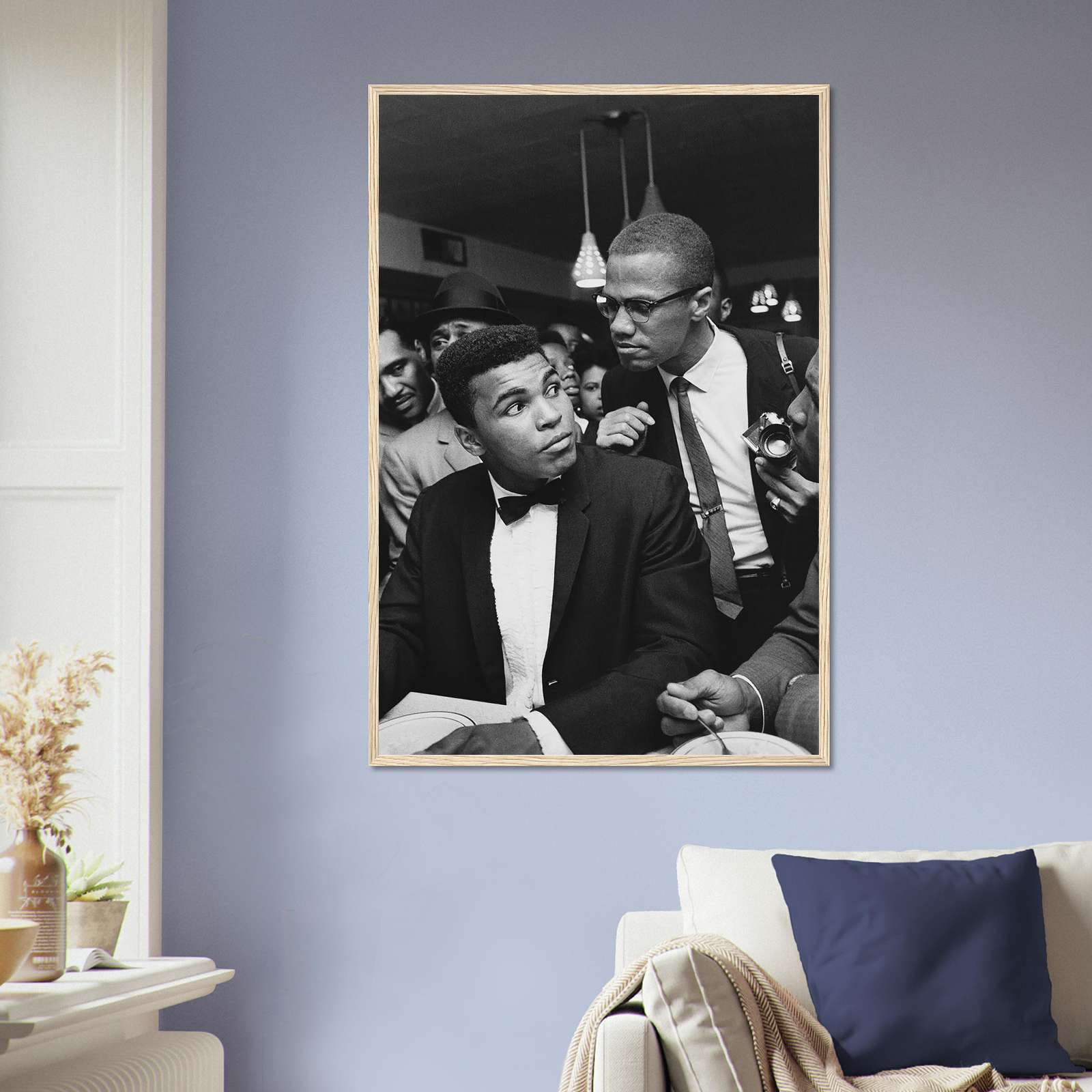
The historical relationship between Muhammad Ali—then known as Cassius Clay—and Malcolm X stands as one of the most compelling cultural intersections of the 20th century. Lasting roughly from 1962 until early 1964, their bond bridged the worlds of elite athletics and radical religious-political activism. However, this dynamic association was short-lived. Internal power struggles within the Nation of Islam (NOI), ideological rifts regarding orthodox Sunni Islam, and the high-stakes political pressures of the civil rights movement ultimately drove a wedge between the charismatic heavyweight champion and the fiery minister. Understanding the trajectory of this friendship requires examining its origins, the mentorship that shaped Clay's early public persona, the catalyst of their split, and the profound historical implications that lingered long after their paths diverged.
The Origins of the Alliance: Early 1960s Context
To understand how Cassius Clay and Malcolm X met, one must examine the explosive growth of the Nation of Islam under the leadership of Elijah Muhammad during the late 1950s and early 1960s. The NOI offered a radical alternative to mainstream integrationist civil rights strategies, advocating for Black separatism, self-reliance, and economic independence.
Cassius Clay Jr., a rising, undefeated amateur and early professional boxer from Louisville, Kentucky, first encountered the teachings of the Nation of Islam through his father and through local NOI members. By 1961, Clay had begun attending temple meetings and secretly listening to Malcolm X, the National Representative of the Nation of Islam and its most effective public orator.
Malcolm X recognized the immense propaganda value of a charismatic, undefeated young athlete embracing the NOI. Conversely, Clay found in Malcolm X a sophisticated intellectual mentor who possessed absolute confidence, verbal agility, and an uncompromising critique of American racism. Their initial interactions were defined by mutual utility: Malcolm provided ideological framing and strategic media guidance, while Clay offered an athletic platform capable of broadcasting NOI principles to millions of Americans who ignored traditional religious gatherings.
Mentorship and the Transformation of Cassius Clay
Malcolm X served as far more than a spiritual guide to the young boxer; he functioned as a media coach and tactical advisor. Malcolm understood how to manipulate the press, and he taught Clay how to leverage provocative rhetoric to capture headlines, subvert white journalistic norms, and construct an unshakeable public persona.
- Media Manipulation: Malcolm advised Clay on how to turn traditional sports journalism upside down, replacing humble athletic tropes with bombastic, rhythmic proclamations.
- Ideological Grounding: Malcolm introduced Clay to comprehensive critiques of white supremacy, shifting the boxer's worldview from localized racial grievances to global anti-colonial frameworks.
- Protection and Navigation: As Clay rose through the heavyweight ranks toward a title shot against Sonny Liston, Malcolm shielded him from exploitative promoters and integrated him into the inner circles of the NOI.
This mentorship reached its zenith in February 1964, when Cassius Clay defeated Sonny Liston in Miami Beach, Florida, to become the heavyweight champion of the world. Immediately following the bout, Clay stunned the sports world by announcing his membership in the Nation of Islam. Shortly thereafter, Elijah Muhammad bestowed upon him the name Muhammad Ali.
The Fracture: Internal Politics and the Split in 1964
Despite the triumphant facade displayed in Miami, the foundation of the relationship between Ali and Malcolm X was already crumbling due to severe internal fractures within the Nation of Islam. By early 1964, Malcolm X was deeply disillusioned with Elijah Muhammad's leadership, personal conduct, and the direction of the organization. Tensions erupted when Malcolm announced his break from the NOI in March 1964, subsequently founding Muslim Mosque, Inc. and embarking on a spiritual journey that led him to embrace orthodox Sunni Islam.
This schism placed Muhammad Ali in an impossible position of loyalty. The leadership of the Nation of Islam, particularly Chicago headquarters and figures like Louis X (later Farrakhan), demanded absolute allegiance. They viewed Malcolm X as a traitor and apostate.
Ali, who had just secured his championship and was heavily dependent on the financial and social infrastructure of the NOI, sided with Elijah Muhammad. The ideological split was compounded by public pressure and direct ultimatums from NOI leadership, who made it clear that association with Malcolm X was incompatible with remaining in good standing within the religious body.
The Public Estrangement and Missed Reconciliation
The definitive end of their friendship was marked not just by silence, but by public distancing and, at times, unfortunate rhetoric. Pressured by the NOI, Muhammad Ali publicly denounced Malcolm X, referring to him as a snake and aligning fully with the organization's official stance against his former mentor.
| Phase of Relationship | Key Events | Primary Influences |
|---|---|---|
| Formation (1962–1963) | Initial meetings, secret study sessions, strategic integration into NOI circles. | Shared anti-racist ideology, mutual utility, Malcolm's mentorship. |
| Peak (February 1964) | Liston vs. Clay fight, public conversion, naming of Muhammad Ali. | Culmination of strategic planning, triumph of athletic and ideological goals. |
| Fracture (March–June 1964) | Malcolm's split from NOI, organizational pressure, ultimatum issued to Ali. | Internal NOI power struggles, theological differences, demands for loyalty. |
| Estrangement (Late 1964–1965) | Public denunciations, physical avoidance, assassination of Malcolm X. | Sectarian bitterness, political insulation, tragic termination of opportunity. |
The tragedy of their estrangement was compounded by how briefly it lasted. On February 21, 1965, Malcolm X was assassinated at the Audubon Ballroom in Harlem by members of the Nation of Islam. Ali, bound by his loyalties at the time, made few public statements immediately following the murder.
Years later, however, Muhammad Ali expressed deep regret over his treatment of Malcolm X. In subsequent interviews and memoirs, Ali acknowledged Malcolm's brilliance, integrity, and the vital role he played in shaping his early consciousness. Ali frequently stated that turning his back on Malcolm X was one of the greatest mistakes of his life—a candid admission that underscored the immense personal and political pressures of that era.
Frequently Asked Questions
When did Cassius Clay and Malcolm X first meet?
They first met in the early 1960s, with their relationship solidifying around 1962 as Clay began attending Nation of Islam meetings and seeking guidance from Malcolm X regarding religion and race relations in America.
Why did Muhammad Ali and Malcolm X stop being friends?
Their friendship ended because Malcolm X split from the Nation of Islam in March 1964 due to ideological differences and internal scandals. Pressured by NOI leadership to choose between the organization and Malcolm, Ali chose the Nation of Islam and publicly distanced himself from his former mentor.
Did Muhammad Ali ever express regret over cutting ties with Malcolm X?
Yes. In later years, Muhammad Ali openly expressed profound remorse for turning his back on Malcolm X during the latter's final months, calling it one of the biggest regrets of his life.
What role did Malcolm X play in Clay's conversion to Islam?
Malcolm X served as a primary intellectual and spiritual guide who helped frame Clay's understanding of Black nationalism and religious identity, culminating in Clay joining the Nation of Islam immediately after winning the heavyweight title in 1964.
How did the Nation of Islam influence Ali's public persona?
Under the guidance of figures like Malcolm X, Ali transformed his public image from a conventional, polite athlete into a bold, defiant cultural figure who challenged white media norms and explicitly rejected racial subjugation.
Next Actions and Further Exploration
To gain a deeper, historically rigorous understanding of this relationship, researchers and enthusiasts should consult primary source documents, including Malcolm X's autobiographical writings, FBI surveillance files declassified under the Freedom of Information Act, and scholarly biographies of both men such as Manning Marable's Malcolm X: A Life of Reinvention and shade-of-opinion analyses on sports and civil rights history. Examining these archives reveals the profound human cost of sectarian politics during the turbulent height of the American civil rights movement.
Image Gallery