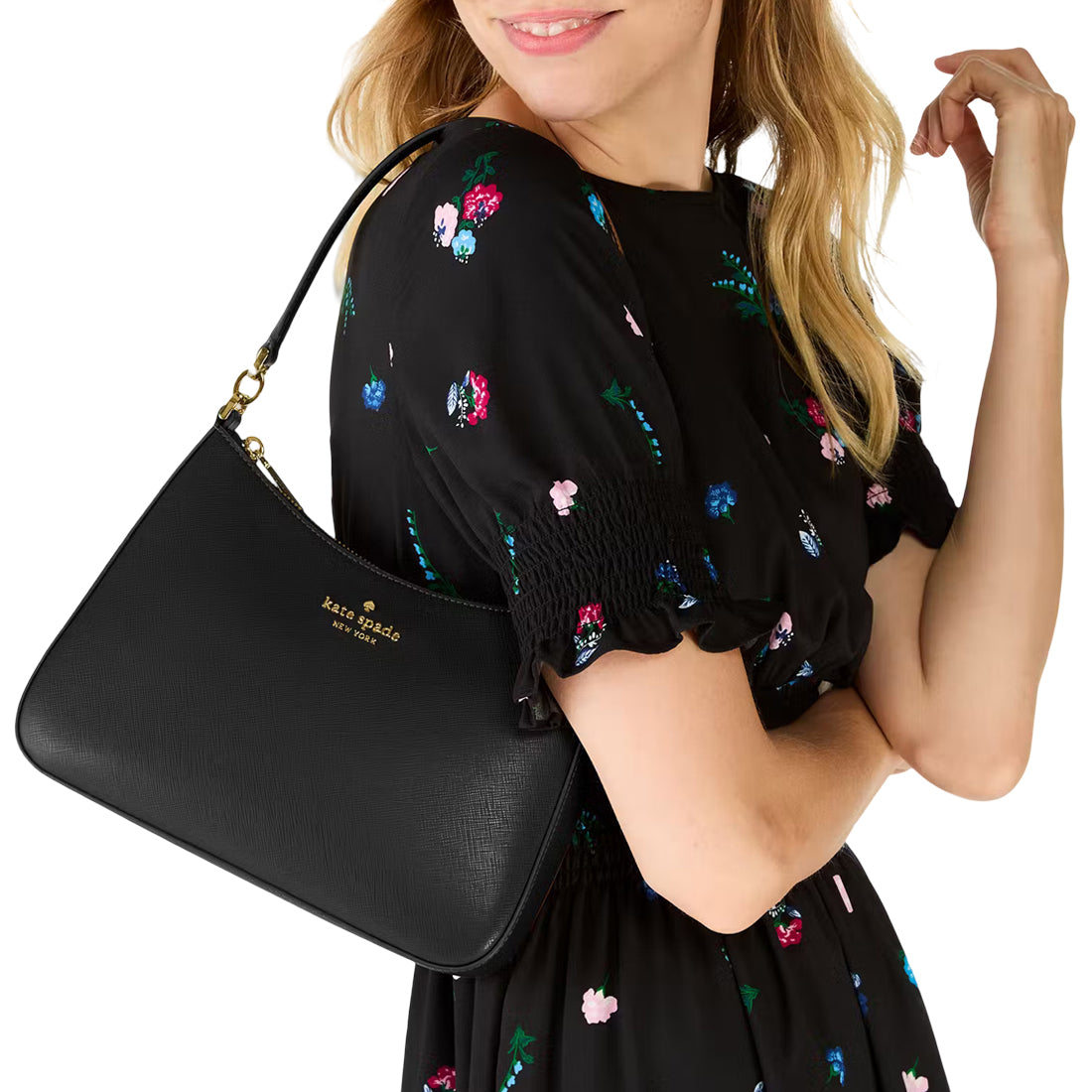
Understanding the Kate Spade Model: Authenticity and Identification Guide
Identifying a specific "Kate Spade model" refers to the process of authenticating, cataloging, and valuing a handbag or accessory produced by the Kate Spade New York brand. Whether you are a collector, a reseller, or a consumer verifyi...
Identifying a specific "Kate Spade model" refers to the process of authenticating, cataloging, and valuing a handbag or accessory produced by the Kate Spade New York brand. Whether you are a collector, a reseller, or a consumer verifying a purchase, understanding the brand’s structural markers, serial numbering systems, and design evolution is essential for distinguishing between various product iterations in the secondary and retail markets as of 2026.
Contents
The Kate Spade brand, founded in 1993, has evolved through several distinct ownership phases, most notably its acquisition by Tapestry, Inc. (formerly Coach, Inc.) in 2017. Because of this long history, a "model" is rarely identified by a single name; rather, it is identified by a combination of a style name (such as "Sam" or "Nicola"), a specific season of production, and an internal style code usually found on a white fabric tag inside the bag. Authentic models are defined by high-quality materials—predominantly Saffiano leather, pebbled leather, or signature nylon—and consistent hardware branding.
Evolution of Kate Spade Product Identification
To understand a Kate Spade model, one must first recognize the eras of the brand. Early models from the 1990s and early 2000s often featured a simple, iconic rectangular woven label that read "kate spade NEW YORK" in lower-case serif font. These vintage pieces are highly sought after by collectors.
In the mid-2010s, the brand introduced more complex interior branding. When identifying a model, look for the following progression in production markers:
- The Original Era (1993–2006): Labels were typically fabric tags sewn into the lining, often featuring the city "NEW YORK" prominently.
- The Transition Era (2007–2017): Increased use of metal plaques inside the bag and more varied lining patterns, including the brand’s signature spade-print fabric.
- The Tapestry Era (2017–Present): Standardization of model codes. Most bags produced during this time contain a small, thin white interior tag—often tucked deep into a side seam—that displays a style number. This number is the definitive way to match a bag to its official catalog entry.
Anatomy of a Kate Spade Model Code
The most reliable method to identify a model is to locate the style code. In bags manufactured from approximately 2015 onward, these tags usually contain a sequence of numbers and letters. For example, a tag might list a style number that can be cross-referenced with online archives or reseller databases.
If you are attempting to verify a model, follow these steps:
- Locate the Interior Tag: Search every interior compartment, including behind any zippered pockets. The tag is typically white with black text.
- Transcribe the Code: Look for a sequence that resembles a model number (often between 5 to 10 characters).
- Cross-Reference: Input the code into a search engine. Authentic Kate Spade models will frequently appear on third-party resale platforms or archived retail listings that provide the original product name, retail price, and dimensions.
Comparison of Material and Hardware Standards
A key aspect of identifying a model is verifying its construction against the brand’s historical standards. Kate Spade models are known for specific tactile qualities that rarely vary across their core collections.
| Feature | Authentic Kate Spade Characteristic | Common Counterfeit Indicator |
|---|---|---|
| Hardware | Heavy, gold-plated or high-quality light gold tone with clear engraving. | Lightweight, hollow, or flaking metal finish. |
| Stitching | Perfectly even, tight, and consistent throughout the entire bag. | Uneven, frayed, or "wandering" stitch lines. |
| Logo | The "spade" symbol is crisp; lettering is evenly spaced and perfectly aligned. | Misaligned text, blurry stamp, or missing spade symbol. |
| Interior Lining | Durable, high-quality fabric or suede, often with custom patterns. | Cheap, noisy plastic, or unbranded polyester. |
Common Challenges in Model Identification
Identifying a model becomes difficult when dealing with "outlet" versus "boutique" items. Kate Spade New York maintains a distinct line of products created specifically for their outlet stores. While these are authentic products, they are different models from the primary retail collection.
Outlet models may feature a different logo stamp (often lacking the "New York" text) or utilize slightly different leather grains to accommodate the lower price point. Recognizing this distinction is vital for those assessing the resale value of a model. A boutique-exclusive model will typically retain a higher secondary market value than an outlet-specific model of similar size and condition.
Verification of Authenticity
When identifying a model to confirm its authenticity, one must look for "tells" that indicate a reproduction. Beyond the style tag, examine the following:
- The "Kate Spade" Stamp: On leather bags, the logo is often gold-embossed. Run a finger over it; the letters should be crisp. If the gold foil is peeling or the embossing is shallow, it may be a sign of a lower-quality reproduction.
- Zipper Branding: Most Kate Spade bags utilize high-quality hardware brands like YKK or custom-branded zippers. If the zipper is blank or features a generic manufacturer not used by the brand, proceed with caution.
- The Spade Signature: The brand’s spade logo is geometric and precise. Any distortion in the shape of the spade (the "heart-like" club shape) is a red flag.
Managing Expectations for Older Models
If you are researching a vintage model from the 1990s, you will not find a modern style code. Instead, verify the authenticity through the stitching of the internal label and the material composition. Vintage Kate Spade bags often featured distinctively colorful, heavy-duty nylon or high-grade leather with a specific "feel" that is difficult to replicate with modern synthetic alternatives. When purchasing such items in 2026, rely on reputable vintage dealers who provide provenance or detailed photos of the interior craftsmanship.
Frequently Asked Questions
Can I identify a Kate Spade bag just by the logo? No. While the logo is a helpful starting point, it is easily copied. Always look for the interior fabric tag with a style number and verify the quality of the hardware and interior lining to confirm the model.
Does every Kate Spade bag have a style number? Not all bags, especially those produced before 2010, have a style number tag. Those older models must be authenticated based on construction methods, historical design catalogs, and material standards used during the specific time of manufacture.
Are Kate Spade Outlet bags fake? No, Kate Spade Outlet bags are genuine products manufactured by the same parent company. However, they are distinct models with different manufacturing specifications compared to the main line, which affects their resale value.
How do I clean my Kate Spade model once I identify it? Care depends on the material. Saffiano leather is durable and can be wiped with a damp cloth, while nylon models can often be spot-cleaned with mild soap. Always check the brand's care instructions for the specific material of your model.
Where can I find the official retail price of an older model? If you have the style number, search for it on historical price aggregation sites or cached versions of the Kate Spade website. If the model is from a very early collection, you may need to consult vintage retail catalogs or fashion archives.
Recommended Next Steps
To definitively identify your item, begin by locating the interior white fabric tag containing the style code. Once the code is obtained, utilize professional authentication services or dedicated handbag forums that maintain databases of historical style numbers. If the item lacks a tag due to age, compare the hardware, lining, and stitching density against verified images from official brand lookbooks of the same decade.
Image Gallery