Comprehensive Guide to Fixing Broken Jewelry: DIY Methods and Professional Restoration
Fixing broken jewelry requires identifying the material and damage type to decide between DIY repairs or professional intervention. While simple tasks like replacing a clasp or detangling a chain are manageable at home with basic plier...
Fixing broken jewelry requires identifying the material and damage type to decide between DIY repairs or professional intervention. While simple tasks like replacing a clasp or detangling a chain are manageable at home with basic pliers, structural issues like broken prongs or cracked ring shanks necessitate specialized tools like laser welders to preserve the piece's integrity and value.
Contents
Assessment: Determining the Scope of Repair
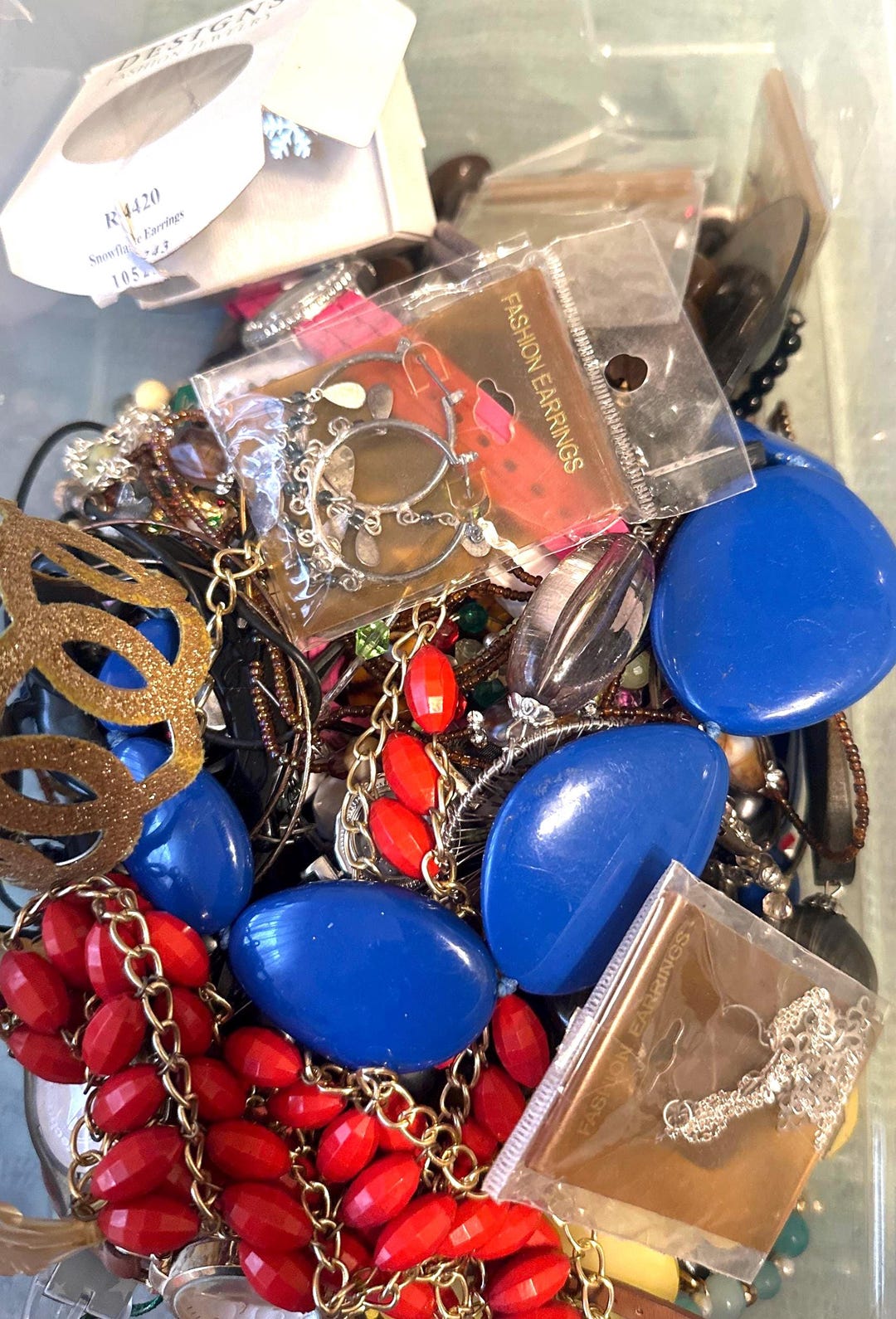
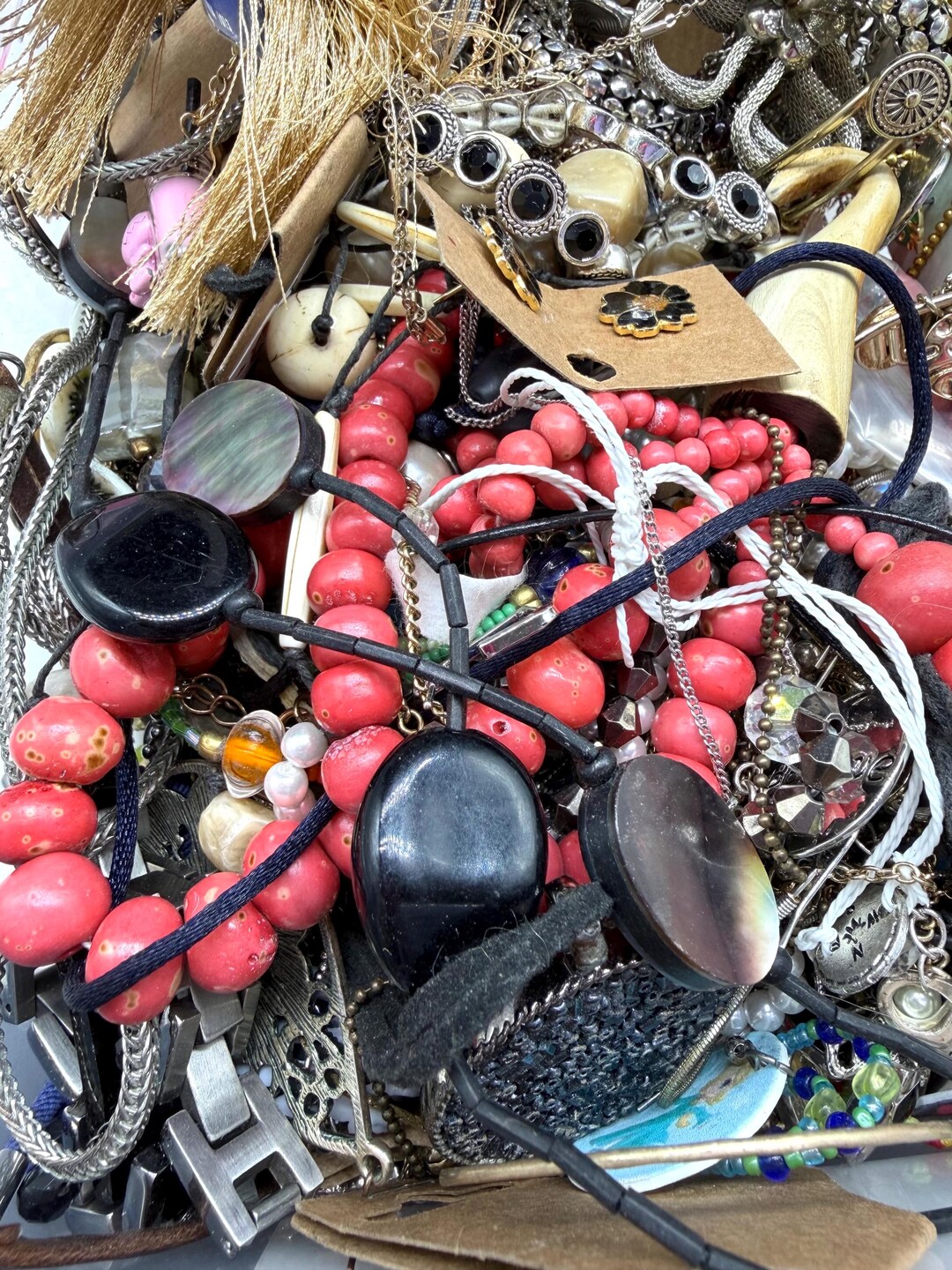
Before attempting any repair, it is critical to categorize the jewelry into one of two groups: fine jewelry or costume (fashion) jewelry. Fine jewelry is constructed from precious metals—such as 14k or 18k gold, platinum, or sterling silver—and often features genuine gemstones. Costume jewelry typically uses base metals (brass, copper, or nickel) with plating and synthetic stones.
The distinction is vital because the repair methods for one can destroy the other. For instance, applying high heat to a plated brass necklace will cause the plating to flake or "burn," whereas gold can be safely soldered. In 2026, the value of precious metals remains a significant factor in repair decisions. If a piece holds significant monetary or sentimental value, professional consultation is the safest first step.
Visual Inspection and Damage Mapping
Use a jeweler's loupe or a high-magnification macro lens on a smartphone to inspect the breakage point. Look for:
- Stress Fractures: Small cracks in the metal that indicate the piece is becoming brittle.
- Worn Prongs: Thinning metal "claws" that no longer securely hold a stone.
- Stretched Links: Oval-shaped links on a chain that should be round, signaling imminent failure.
- Adhesive Failure: Dried, yellowed residue where a stone was previously glued.
Common DIY Jewelry Repairs
Many common issues do not require a professional jeweler. With a steady hand and a few specialized tools, you can restore functionality to necklaces, bracelets, and earrings.
Replacing a Broken Clasp
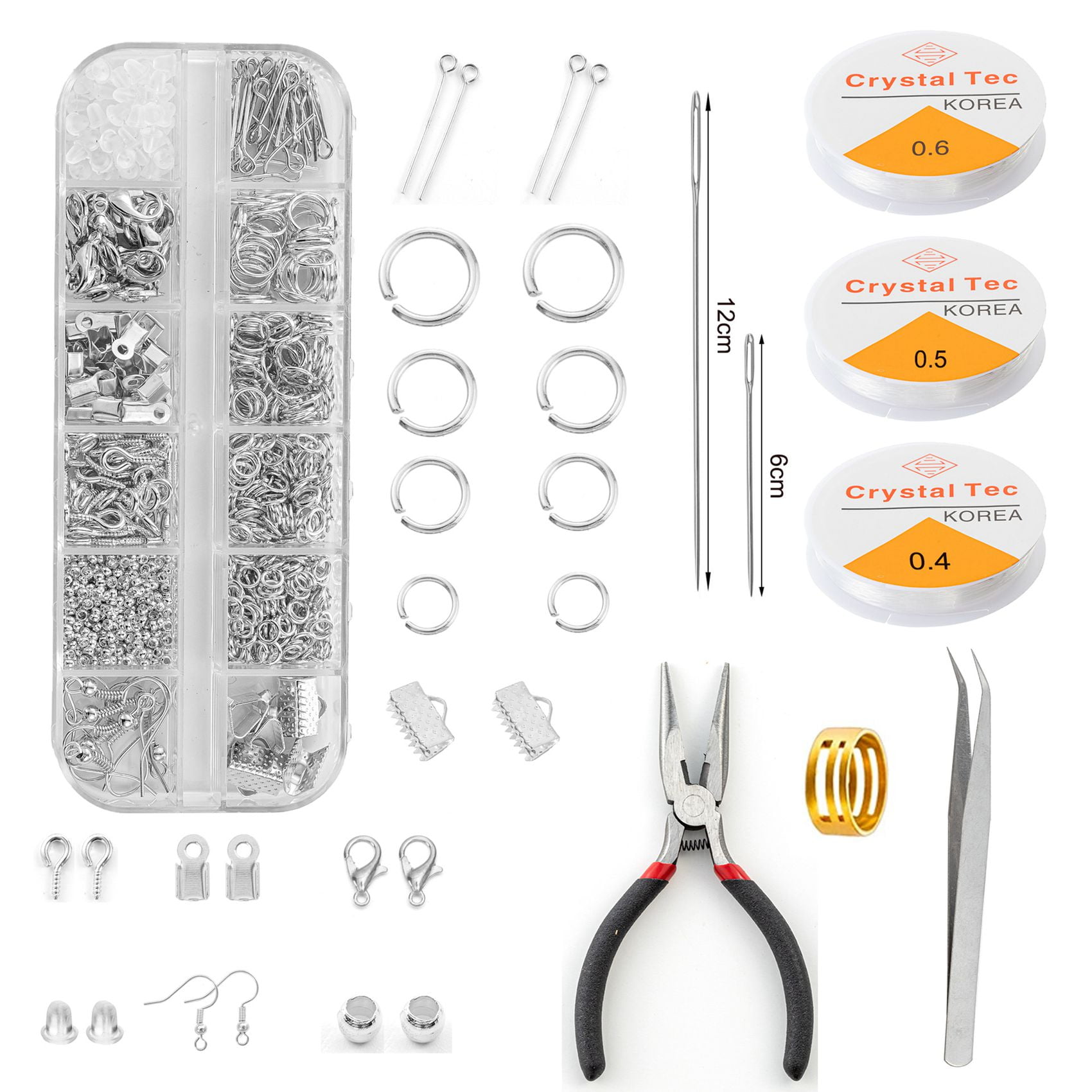
The clasp is the most frequently replaced component in jewelry. In 2026, the most popular styles remain the lobster claw, spring ring, and magnetic clasp. To replace a clasp, you will need two pairs of chain-nose pliers.
- Identify the Jump Ring: This is the small circular wire connecting the clasp to the chain. Locate the slit in the ring.
- The Lateral Twist: Grip one side of the slit with one pair of pliers and the other side with the second pair. Twist one hand toward you and the other away from you. Never pull the ring apart laterally, as this deforms the circle and weakens the metal.
- Swap the Clasp: Slide the old clasp off and the new one on.
- Close the Ring: Reverse the twisting motion until the ends of the jump ring meet perfectly. You should feel a slight click or tension when they align.
Detangling "Impossible" Knots
Fine chains, particularly cable and box chains, are prone to tight knots. Avoid using force, which can stretch or snap the links.
- The Surface: Place the jewelry on a flat, hard, well-lit surface.
- The Lubricant: Apply a drop of mineral oil or a specialized jewelry lubricant to the knot. This reduces friction between the metal links.
- The Tools: Use two fine sewing needles or specialized "knot-picking" probes. Gently insert the tips into the center of the knot and wiggle them outward to create space. Once the knot is loose, use the needles to guide the chain through the loops.
Re-gluing Stones in Costume Jewelry
If a rhinestone or glass "gem" falls out of a fashion piece, it can usually be reattached. Avoid using standard "superglue," as it can turn brittle and create a "foggy" residue on synthetic stones.
- Cleaning: Use a toothpick dipped in rubbing alcohol to clean the setting and the back of the stone.
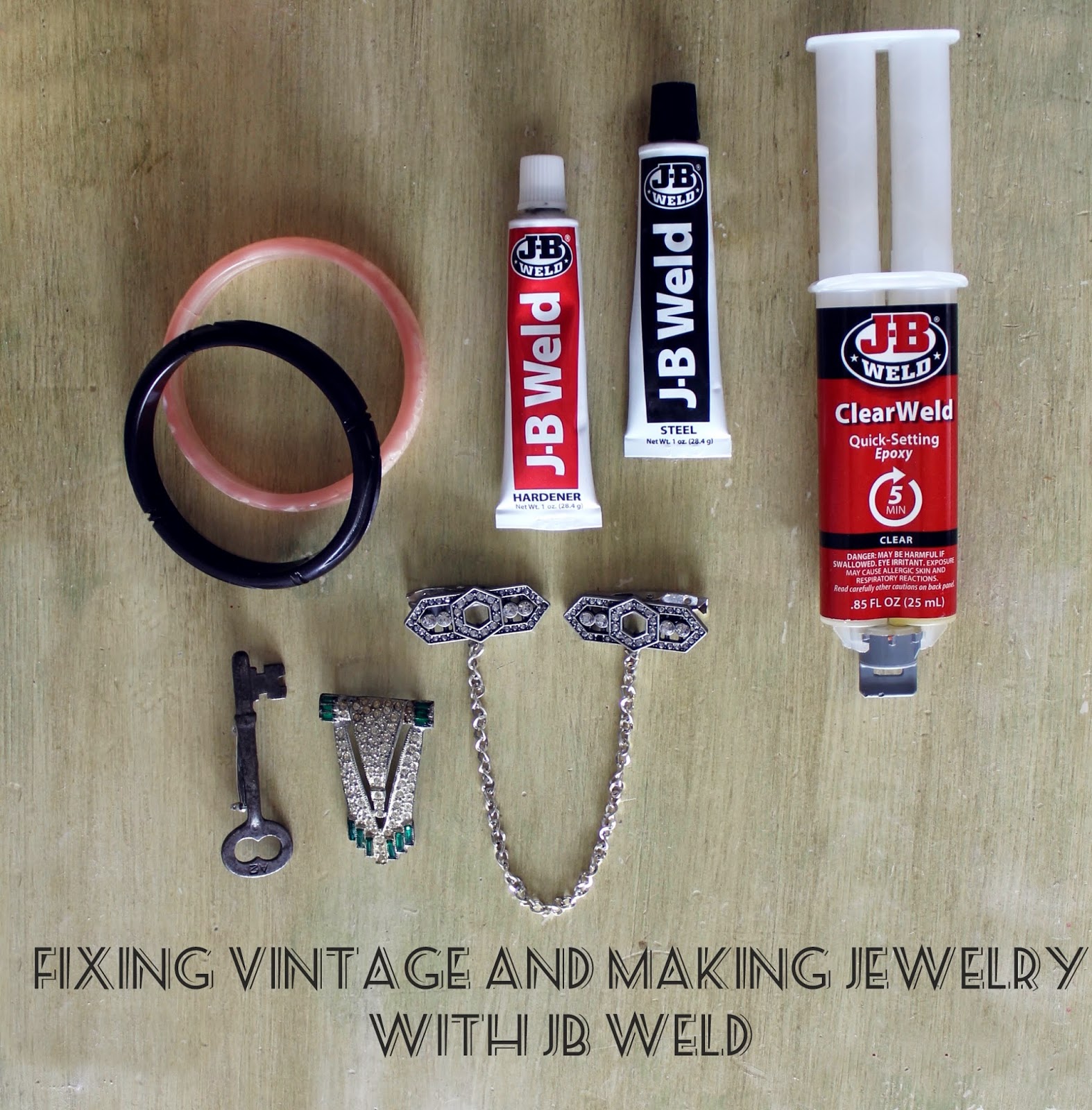
- Adhesive Choice: Use a specialized jewelry adhesive like E6000 or a two-part clear epoxy. These remain slightly flexible when cured, allowing the piece to withstand minor impacts.
- Application: Use a toothpick to apply a tiny amount of glue to the setting. Place the stone and press firmly. Allow it to cure for 24 to 48 hours before wearing.
Professional Jewelry Restoration Techniques
When a piece of fine jewelry suffers structural damage, DIY methods are often insufficient and risky. Professional jewelers in 2026 utilize advanced technology to ensure repairs are invisible and durable.
Laser Welding vs. Traditional Soldering
Traditional soldering involves using a torch to melt a small amount of "solder" (a metal alloy with a lower melting point) to join two pieces. However, the heat from a torch can damage nearby gemstones or discolor the metal.
Laser welding, now the industry standard, uses a concentrated beam of light to melt the metal of the jewelry itself at the point of contact. This creates a bond that is 95% as strong as the original metal. Because the heat is so localized, jewelers can work within millimeters of heat-sensitive stones like pearls, opals, and emeralds without removing them from their settings.
Prong Re-tipping and Replacement
The prongs are the only things keeping your diamonds or gemstones from falling out. Over years of wear, gold prongs rub against clothing and skin, eventually wearing down.
- Re-tipping: A jeweler adds a small bead of metal to the top of an existing prong to reinforce it.
- Re-building: If the prong is too thin, the jeweler may cut it away and weld a completely new wire in its place.
- Channel Repair: For stones set in a "channel," the metal walls may need to be "pushed" back over the stones or reinforced with additional gold.
Ring Resizing
Resizing is more complex than it appears. To size a ring down, a jeweler cuts a small piece out of the shank (the band) and joins the ends. To size a ring up, they can sometimes "stretch" the metal if the change is minor, but more often, they must cut the band and weld in a matching piece of gold or platinum. This requires matching the exact alloy and karat to ensure there is no visible seam.
2026 Jewelry Repair Cost and Difficulty Matrix
The following table outlines estimated costs and requirements for common repairs based on 2026 market rates for labor and materials.
| Repair Type | Estimated Cost (2026 USD) | Estimated Time | Difficulty Level | Recommended Method |
|---|---|---|---|---|
| Clasp Replacement | $15 – $45 | 10 Minutes | Low | DIY or Professional |
| Chain Soldering | $40 – $80 | 1 – 3 Days | High | Professional (Laser) |
| Ring Resizing | $60 – $150+ | 3 – 7 Days | High | Professional |
| Prong Re-tipping | $35 – $60 per prong | 2 – 5 Days | High | Professional |
| Stone Resetting | $40 – $200 | 2 – 5 Days | Medium | Professional |
| Pearl Restringing | $3 – $10 per inch | 1 – 2 Weeks | Medium | Professional |
Safety and Technical Precautions
Repairing jewelry involves risks that aren't always visible. If you are attempting repairs at home, keep the following in mind:
- Lead and Cadmium Content: Many vintage costume pieces manufactured before modern regulations may contain lead or cadmium. If you are sanding or filing these pieces, wear a mask to avoid inhaling toxic dust.
- Chemical Sensitivity: Certain gemstones are porous. Do not submerge turquoise, pearls, or opals in harsh jewelry cleaners or ultrasonic tanks, as the vibrations and chemicals can cause permanent discoloration or cracking.
- Liability: When taking a piece to a professional, ensure they have Jewelers Block Insurance. It is also standard practice to have the jeweler "plot" your diamond (map its unique inclusions) under a microscope in your presence before and after the repair to confirm the stone has not been swapped.
Frequently Asked Questions
Can I use superglue to fix a broken gold chain?
No, you should never use superglue on fine metal jewelry. Superglue does not create a metallic bond; it creates a plastic layer between the metal ends that will eventually snap. Furthermore, the glue residue makes it much more difficult for a professional jeweler to perform a proper solder or laser weld later, as the glue must be meticulously burned off or scraped away, which can damage the metal.
Why does my white gold ring look yellow after being resized?
White gold is an alloy of yellow gold and white metals (like palladium), and it is almost always plated with rhodium to give it a bright, silver-like finish. When a jeweler resizes or solders the ring, the high heat or the sanding process removes this plating. As part of a professional repair, the ring should be "dipped" or electroplated with rhodium again to restore its color.
How can I tell if my prongs are loose?
A simple "tap test" can help. Hold the ring close to your ear and gently tap the side of the band with your fingernail. If you hear a faint clicking sound, the stone is loose in its setting. You can also use a wooden toothpick to gently push against the edge of the stone (the girdle); if the stone shifts, the prongs need immediate attention.
Is it worth fixing silver-plated jewelry?
In most cases, silver-plated jewelry is difficult to repair professionally. Because the base metal is usually brass or copper, it reacts poorly to the heat required for soldering. However, for sentimental pieces, some specialists can perform low-temperature repairs or replace entire components. Generally, if the plating is heavily worn, the cost of re-plating may exceed the value of the piece.
Final Recommendation for 2026
For minor issues like broken jump rings or loose costume stones, a DIY approach with the right pliers and E6000 adhesive is efficient and cost-effective. However, for any structural failure in precious metals—especially regarding ring shanks and stone settings—always opt for a professional jeweler who utilizes laser welding. This technology ensures the longevity of the repair without compromising the integrity of the gemstones. Before authorizing any work, always obtain a written estimate and verify that the jeweler provides a warranty on their craftsmanship.
Image Gallery