Who Was the Singer for The Police? The Musical Legacy of Sting
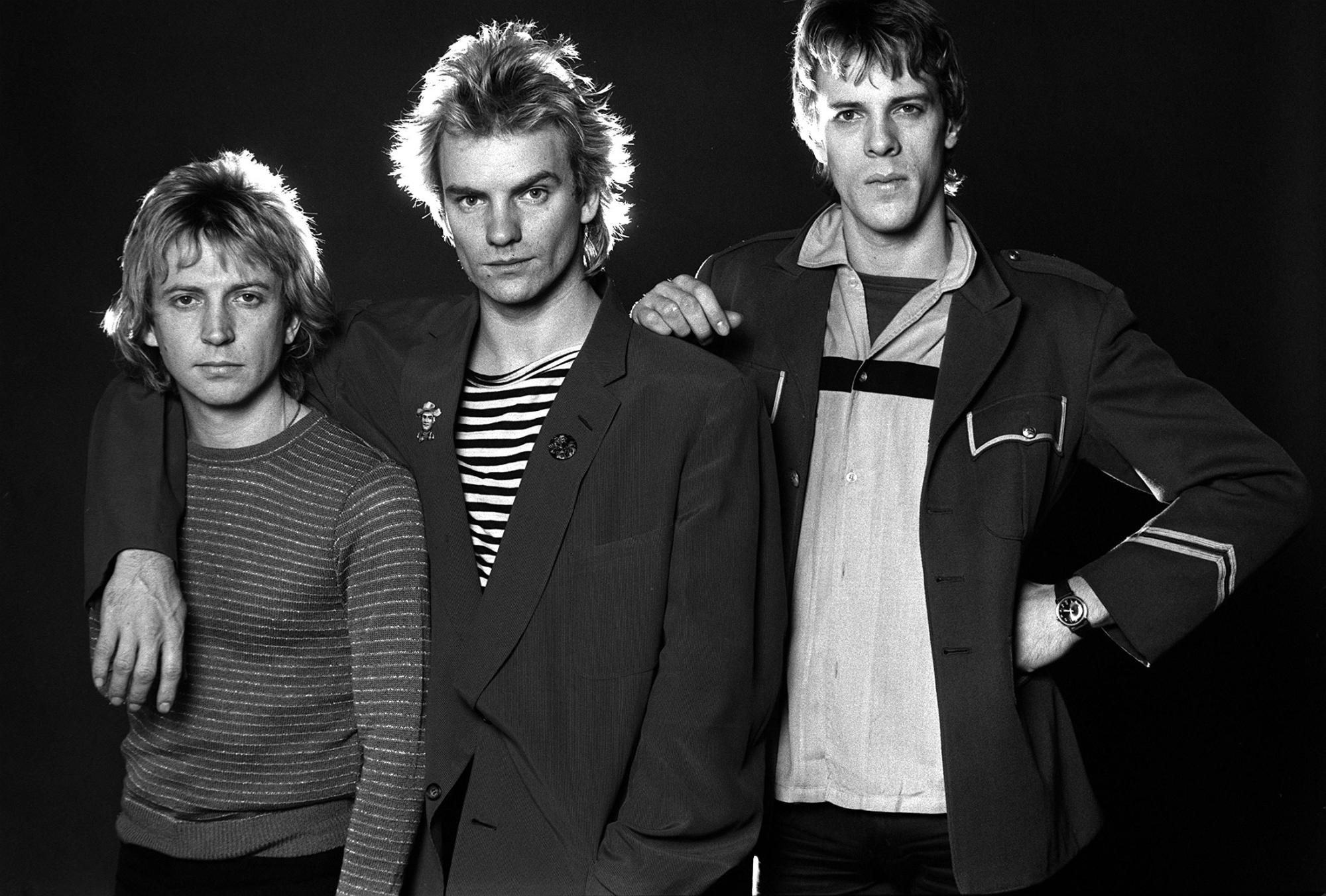
Sting (born Gordon Matthew Thomas Sumner) was the lead singer, primary songwriter, and bassist for the legendary British rock band The Police. Formed in London in 1977 alongside drummer Stewart Copeland and guitarist Andy Summers, Stin...
Sting (born Gordon Matthew Thomas Sumner) was the lead singer, primary songwriter, and bassist for the legendary British rock band The Police. Formed in London in 1977 alongside drummer Stewart Copeland and guitarist Andy Summers, Sting fronted the trio through five studio albums, transforming the group into one of the most commercially successful and critically acclaimed bands of the post-punk era.
Contents
While search queries about the "singer for the police" occasionally conflate the band with law enforcement ceremonial vocalists, the dominant cultural reference points directly to Gordon Sumner. As the focal point of The Police, Sting defined the band's sonic identity through his high tenor voice, reggae-influenced bass grooves, and literary lyricism.
The Formation of The Police and Sting’s Rise to Prominence
Before achieving international stardom, Gordon Sumner worked as a schoolteacher in Newcastle upon Tyne, England. He earned the nickname "Sting" during his early career performing with local jazz bands like the Phoenix Jazzmen and Last Exit, due to a black-and-yellow striped sweater he frequently wore on stage that made him resemble a wasp.
In early 1977, American drummer Stewart Copeland spotted Sting performing with Last Exit in Newcastle and recruited him to form a new wave/punk band in London. The initial lineup featured Sting on lead vocals and bass, Copeland on drums, and Corsican guitarist Henry Padovani. Shortly thereafter, veteran guitarist Andy Summers joined the group. Following a brief period as a four-piece, Padovani departed, establishing the classic trio of Sting, Copeland, and Summers.
- The Police Trio
- Stewart Copeland (Drums & Percussion)
- Andy Summers (Guitars & Synthesizers)
- Sting (Sumner) (Lead Vocals & Bass)
Fronting a power trio demands extraordinary musical skill, as each member must fill significant space within the band's arrangement. Sting took on both lead vocal responsibilities and intricate basslines while writing the majority of the band's repertoire. This dual role required exceptional coordination, allowing the trio to blend energy, melody, and technical execution seamlessly.
Musical Style, Vocal Characteristics, and Songwriting
Sting’s vocal delivery was vital to the distinct identity of The Police. Possessing a wide tenor range with a crisp upper register, his voice stood out sharply against the standard rock vocalists of the late 1970s.
Vocal Technique and Reggae Influence
Rather than relying on classic blues-rock vocal phrasing, Sting incorporated Caribbean vocal inflections, ska rhythms, and reggae-style phrasing into punk and rock structures. This technique—often called "Jamaican-influenced rock"—featured syncopated vocal entrances and high-pitched vocal calls (such as his signature "ee-oh-oh" chants).
Tracks like "Roxanne" and "Walking on the Moon" highlight his ability to shift smoothly from subdued, rhythmic verses to soaring, emotionally intense choruses.
- The Police Sound Signature:
- Reggae / Ska Rhythms
- High Tenor Vocals
- New Wave Punk Energy
Bass Playing while Singing
Performing complex counter-melodies on the bass guitar while maintaining pitch-perfect lead vocals is notoriously difficult. Sting used rhythmically independent basslines—frequently dropping the first beat of a measure in classic reggae fashion (the "one-drop" rhythm)—while singing complex melodic patterns over the top. This technique gave Stewart Copeland room to play expansive drum fills while keeping Andy Summers free to color arrangements with ambient guitar chords.
Songwriting Evolution
As the primary composer for The Police, Sting guided the band through a swift stylistic evolution across five albums:
- 1977–1978: Raw punk urgency mixed with reggae-pop hooks (Outlandos d'Amour).
- 1979–1980: Worldbeat rhythms, atmospheric textures, and pop accessibility (Reggatta de Blanc, Zenyatta Mondatta).
- 1981–1983: Synthesizer integration, horn arrangements, and darker, literary songwriting (Ghost in the Machine, Synchronicity).
His lyrics frequently drew inspiration from classical literature, psychology, and personal reflection. For example, "Synchronicity II" referenced Carl Jung’s theory of synchronicity, while "Don't Stand So Close to Me" drew on Nabokov’s novel Lolita.
Detailed Album Discography and Key Vocal Performances
To understand Sting's impact as the frontman for The Police, it helps to examine the group’s studio output between 1978 and 1983. The trio released five albums, all achieving critical acclaim and strong commercial success.
| Album Title | Release Year | Key Sting Lead Vocal Tracks | Primary Stylistic & Vocal Features |
|---|---|---|---|
| Outlandos d'Amour | 1978 | "Roxanne", "Can't Stand Losing You", "So Lonely" | High-pitched reggae-punk vocals, raw energy, falsetto flourishes. |
| Reggatta de Blanc | 1979 | "Message in a Bottle", "Walking on the Moon" | Spaced-out vocal dub elements, vocal chants, syncopated bass-vocal delivery. |
| Zenyatta Mondatta | 1980 | "Don't Stand So Close to Me", "De Do Do Do, De Da Da Da" | Polished pop hooks, literary lyrics, controlled vocal dynamics. |
| Ghost in the Machine | 1981 | "Every Little Thing She Does Is Magic", "Spirits in the Material World", "Invisible Sun" | Layered vocal harmonies, introduction of keyboards, sociopolitical lyrics. |
| Synchronicity | 1983 | "Every Breath You Take", "King of Pain", "Wrapped Around Your Finger" | Darker vocal tones, orchestration, refined pop balladry, worldwide chart-toppers. |
Major Masterpieces Analyzed
"Roxanne" (1978)
Written by Sting after visiting a red-light district in Paris, "Roxanne" showcases his ability to combine a tango-inspired rhythm with a soaring rock chorus. The track's opening note features an accidental piano cluster and Sting’s sudden laughter—left in the final mix—before transitioning into his high-tenor delivery.
"Message in a Bottle" (1979)
Built around an arpeggiated guitar riff by Andy Summers, this track features some of Sting's most recognizable vocal work. The lyrics explore themes of isolation and shared human experience, culminating in a driving vocal hook that made it the band's first UK Number 1 single.
"Every Breath You Take" (1983)
The band's biggest commercial hit, "Every Breath You Take" topped the US Billboard Hot 100 for eight weeks and won the Grammy Award for Song of the Year. While often mistaken for a love song, Sting wrote the track during the breakdown of his marriage, imbuing the lyrics with obsession and surveillance. His restrained, measured vocal performance gives the song its subtle tension.
Band Dynamics, Disbandment, and Beyond
Despite their immense global success, internal tension defined the relationship between Sting, Stewart Copeland, and Andy Summers. The clash of three strong musical personalities led to frequent arguments in the studio over arrangements, songwriting credits, and artistic direction.
- Studio Tension (1981–1983)
- Sting's Dominant Songwriting Direction
- Stewart Copeland's Rhythmic Vision
- Andy Summers' Harmonic Innovations
- Hiatus (1984) & Official Disbandment (1986)
By 1983, following the massive global tour for Synchronicity, the strain reached a breaking point. During a sold-out concert at Shea Stadium in August 1983, Sting felt the band had reached its peak and decided it was time to move on.
After an informal hiatus and a brief attempt to re-record songs in 1986, The Police effectively disbanded.
Sting’s Solo Career
Following his departure from The Police, Sting launched a solo career starting with his 1985 album The Dream of the Blue Turtles. Incorporating elite jazz musicians like Branford Marsalis and Kenny Kirkland, his solo work expanded into jazz, adult contemporary, world music, and classical compositions.
His solo efforts produced hits including:
- "If You Love Somebody Set Them Free"
- "Fields of Gold"
- "Englishman in New York"
- "Shape of My Heart"
The 2007–2008 Reunion Tour
In 2003, The Police were inducted into the Rock & Roll Hall of Fame, performing together for the first time in years.
To mark the 30th anniversary of their debut single "Roxanne," the trio reunited for The Police Reunion Tour from May 2007 to August 2008. The tour was a global phenomenon, grossing over $350 million and becoming one of the highest-grossing concert tours of all time.
Musical Legacy and Impact
Sting’s work as the singer and frontman for The Police fundamentally altered the landscape of late-20th-century popular music.
- Bridging New Wave and Mainstream Pop: The Police proved that new wave experimentation could achieve massive global radio airplay without sacrificing artistic integrity.
- Popularizing Reggae Fusion: By embedding Jamaican ska and reggae grooves into mainstream rock, Sting and his bandmates opened the door for subsequent generations of alternative and pop-rock acts.
- Redefining the Power Trio: Sting demonstrated that a bass-playing lead singer could front a three-piece group while maintaining complex melodic basslines, establishing a model for future rock frontmen.
His contributions as a writer and performer earned him 17 Grammy Awards (both with The Police and as a solo artist), induction into the Songwriters Hall of Fame, and a Kennedy Center Honor.
Frequently Asked Questions
Did anyone else in The Police sing lead vocals?
While Sting sang lead on the vast majority of the band's catalog, drummer Stewart Copeland sang lead vocals on a few select tracks, including "On Any Other Day" from Reggatta de Blanc and several early B-sides such as "Clown's Spot." Guitarist Andy Summers also performed spoken-word vocals on tracks like "Be My Girl - Sally" and "Mother."
Why did Sting leave The Police at the height of their success?
Sting left The Police primarily due to creative friction with bandmates Stewart Copeland and Andy Summers, as well as a desire for full artistic control over his music. He felt the trio had reached its peak following their concert at Shea Stadium in 1983 and wanted to explore broader musical genres, such as jazz and pop fusion, as a solo artist.
How did Sting get his nickname?
Gordon Sumner earned the nickname "Sting" while playing with the Phoenix Jazzmen in the early 1970s. Bandleader Gordon Solomon thought Sumner’s favorite stage outfit—a black-and-yellow striped wool sweater—made him look like a wasp or bumblebee, prompting the band to start calling him Sting.
What bass guitar did Sting play while singing in The Police?
Throughout his career with The Police, Sting played several instruments, most notably a 1957 Fender Precision Bass, an Ibanez Musician bass, a Spector NS-2, and a fretless Fender Precision Bass. His worn 1957 Fender P-Bass remains his signature instrument for live performances.
Has The Police performed together since their 2007 reunion tour?
No. The Police concluded their reunion tour in August 2008 at Madison Square Garden in New York City and have not performed together since. All three members have publicly stated that the tour served as a definitive conclusion to the band's live career.
Next Steps for Listeners and Musicians
If you want to explore the music of Sting and The Police further, consider these recommendations:
- For New Listeners: Start with the 1992 compilation Every Breath You Take: The Classics or the live album Live! (1995), which features performances from 1979 and 1983.
- For Deep-Dive Listening: Listen to Reggatta de Blanc (1979) and Synchronicity (1983) in full to appreciate the band's sonic evolution from post-punk reggae to stadium rock.
- For Musicians: Analyze live video recordings of the 2007–2008 reunion tour (Certifiable: Live in Buenos Aires) to study Sting’s simultaneous bass-playing and vocal technique, Stewart Copeland’s hi-hat work, and Andy Summers’ chord voicings.
Image Gallery