2014 Corolla Rim Size Options Explained: A Complete Fitment Guide
The 2014 Toyota Corolla rim size options include 15-inch steel, 16-inch steel or alloy, and 17-inch alloy wheels, depending on the trim level. All models utilize a 5x100mm bolt pattern and a 54.1mm center bore. Proper fitment requires...
The 2014 Toyota Corolla rim size options include 15-inch steel, 16-inch steel or alloy, and 17-inch alloy wheels, depending on the trim level. All models utilize a 5x100mm bolt pattern and a 54.1mm center bore. Proper fitment requires matching these specifications to ensure safety, speedometer accuracy, and optimal suspension performance.
Contents
As of 2026, the 2014 Toyota Corolla remains a staple of reliability on the secondary market. However, after over a decade on the road, many owners are finding that their original wheels require replacement due to structural fatigue, road salt corrosion, or aesthetic degradation like "curb rash." Whether you are looking to restore your vehicle to its factory condition or upgrade to a more modern aesthetic, understanding the technical nuances of the Corolla’s wheel fitment is essential for maintaining the vehicle's legendary drivability.
Understanding the 2014 Toyota Corolla Wheel Specifications
Before selecting a specific rim diameter, you must adhere to the non-negotiable structural dimensions of the chassis. The 2014 Corolla (the first year of the 11th generation, designated the E170) was engineered with specific mechanical tolerances that dictate which wheels can physically be bolted onto the hub.
The Bolt Pattern (PCD)
The 2014 Corolla uses a 5x100mm bolt pattern. This means the wheel is secured by five lug nuts arranged in a circle with a diameter of 100 millimeters. It is a common mistake for owners to confuse this with the 5x114.3mm pattern found on larger Toyotas like the Camry or RAV4. Attempting to force a 5x114.3mm wheel onto a Corolla hub is impossible and dangerous.
Center Bore and Hub-Centric Design
Toyota utilizes a hub-centric design with a center bore of 54.1mm. The center bore is the machined hole in the middle of the rim that slides over the hub's pilot. In a hub-centric system, the weight of the car is supported by the hub itself, not the lug nuts. If you purchase aftermarket wheels with a larger center bore (e.g., 73.1mm), you must use hub-centric rings to fill the gap. Failure to do so can lead to high-speed vibrations and increased stress on the wheel studs.
Thread Pitch and Lug Nuts
The 2014 Corolla uses M12 x 1.5 wheel studs. If you are switching from factory steel wheels to factory alloy wheels, or moving to aftermarket rims, you may need different lug nuts. Factory Toyota alloys typically use a mag-style nut with a flat washer, while steel wheels and most aftermarket rims use a conical (tapered) seat nut. Using the wrong seat type can cause the wheel to loosen while driving.
Factory Rim Size Options by Trim Level
Toyota distributed three primary wheel sizes across the four main trim levels of the 2014 Corolla. Each size was chosen to complement the specific performance goals of that trim, from fuel efficiency to "sporty" handling.
The 15-Inch Option (L Trim)
The base Corolla L trim typically came equipped with 15 x 6.0J steel wheels fitted with plastic covers. These wheels are paired with 195/65R15 tires. The primary advantage of the 15-inch rim is ride comfort. The taller tire sidewall acts as an additional cushion against potholes and road imperfections. Furthermore, 15-inch tires are generally the most affordable to replace, making this the most economical setup.
The 16-Inch Option (LE and LE Eco Trims)
The LE and LE Eco trims—the most popular configurations—standardized the 16 x 6.5J wheel. On the standard LE, these were often steel wheels with covers, though a 5-spoke alloy was an available upgrade. On the LE Eco, these wheels were frequently lightweight alloys designed to reduce rotational mass and improve fuel economy. The 16-inch wheel uses 205/55R16 tires, offering a balanced middle ground between the soft 15-inch ride and the sharper 17-inch handling.
The 17-Inch Option (S Trim)
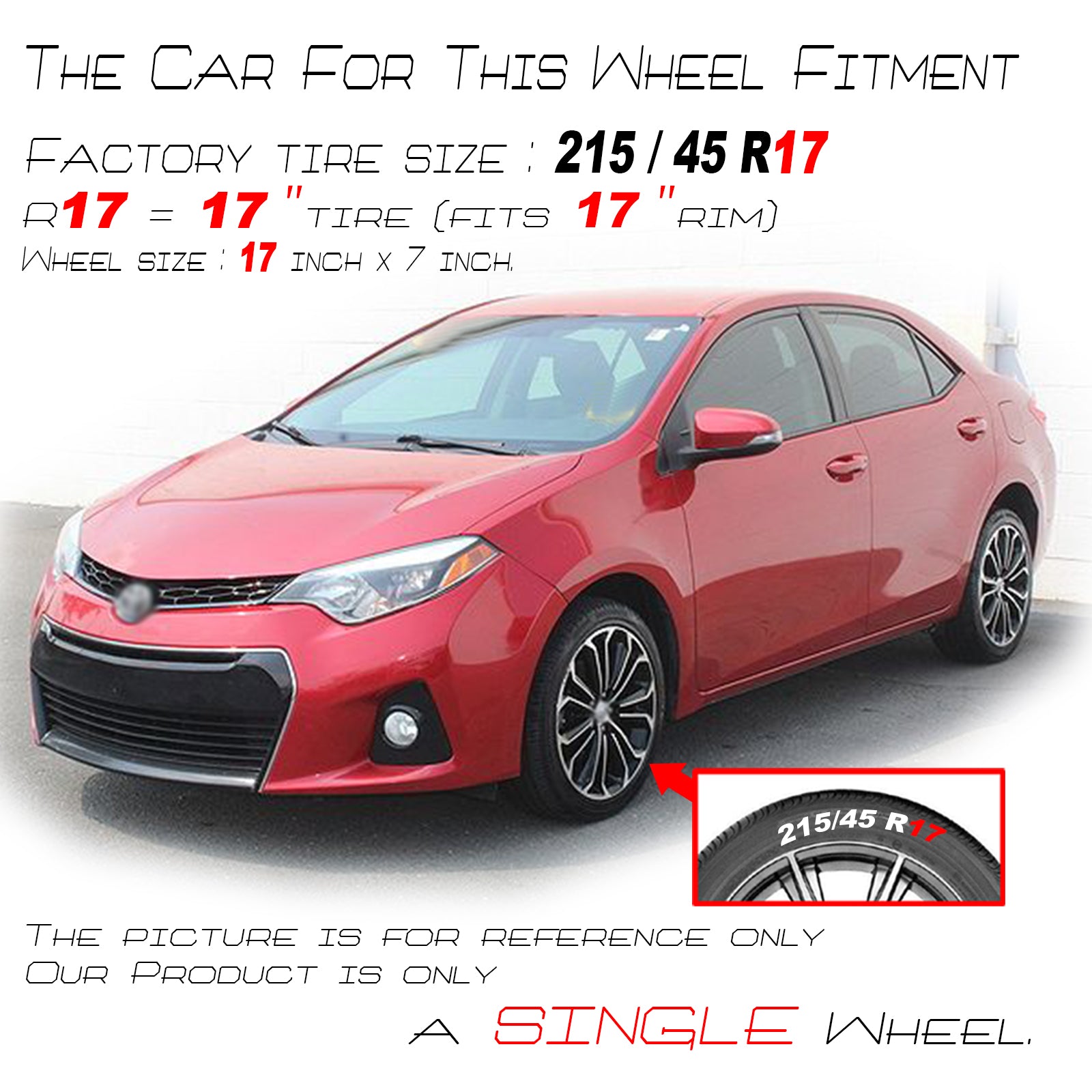
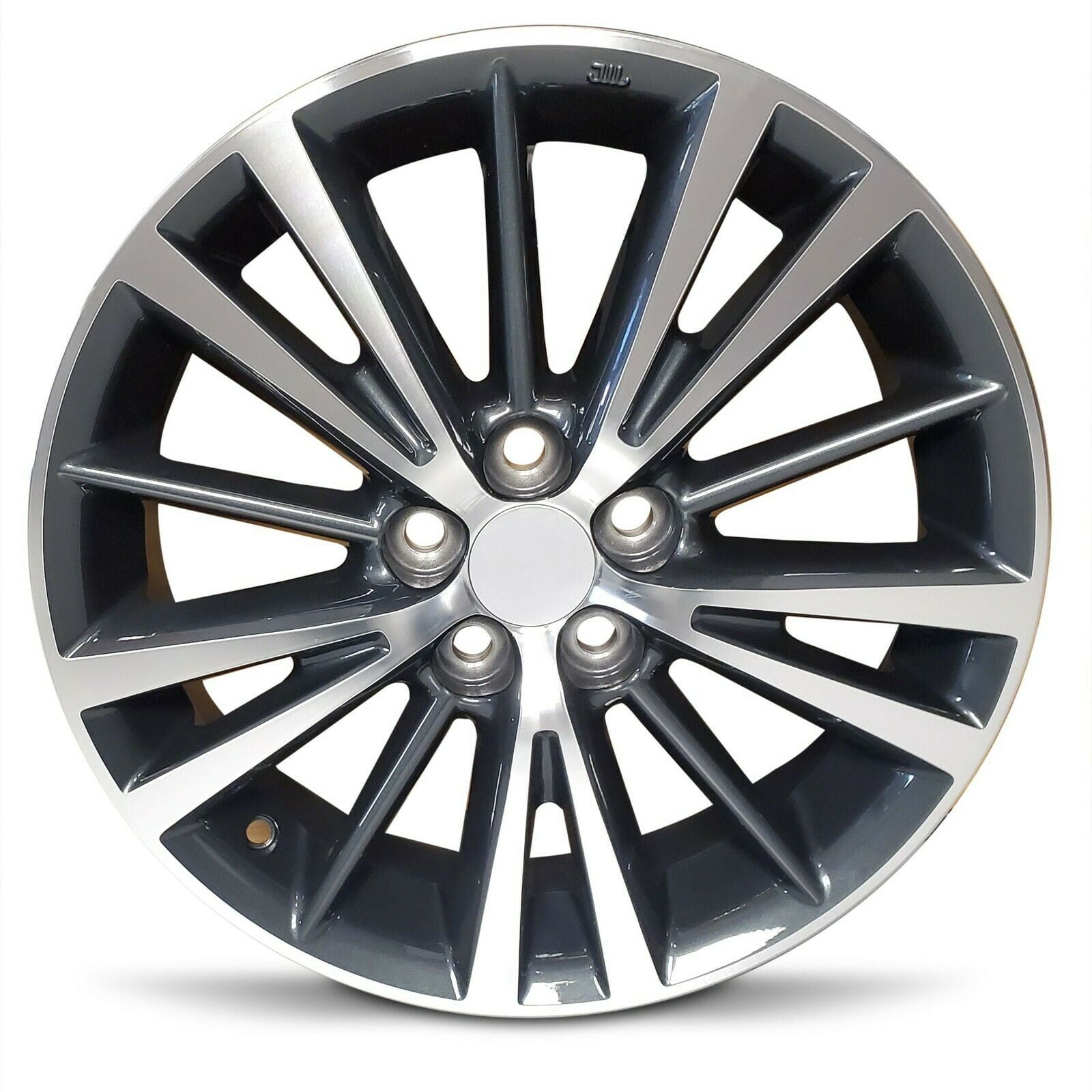
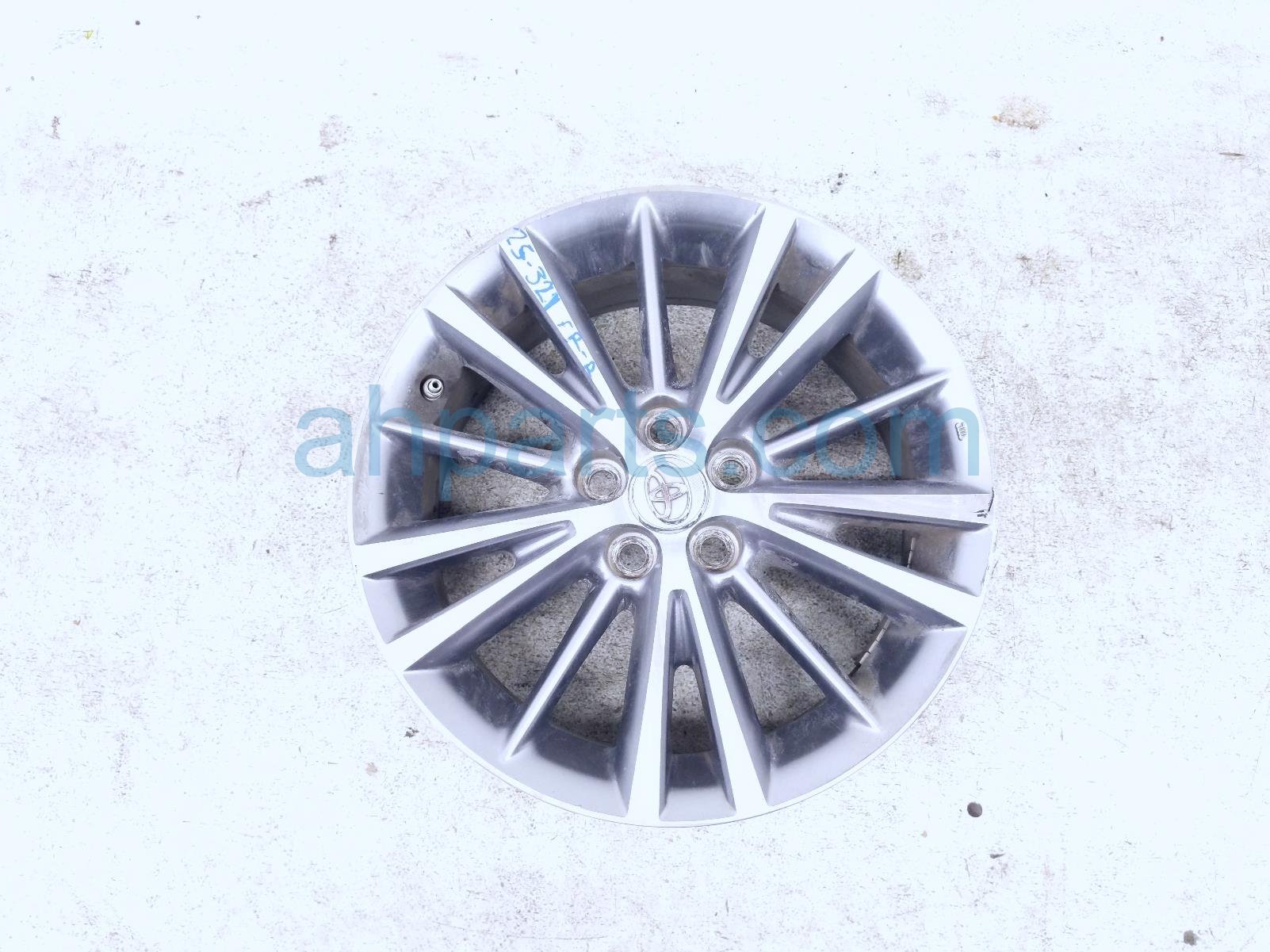
The Corolla S (Sport) was the only trim to offer the 17 x 7.0J alloy wheel as standard or a high-level option (specifically on the S Plus and S Premium sub-trims). These rims feature a distinct black-and-silver machined finish that defined the 11th-gen look. Fitted with 215/45R17 tires, these wheels provide a wider contact patch and a shorter, stiffer sidewall. While this improves cornering stability and steering response, it also results in a firmer ride and makes the rims more susceptible to damage from large potholes.
Key Dimensions: Diameter, Width, and Offset
When venturing into the aftermarket or swapping wheels between Toyota models, diameter is only one-third of the fitment equation. You must also consider width and offset.
Wheel Width
The factory widths range from 6.0 to 7.0 inches. If you choose a wheel that is too wide (e.g., 8.5 inches), you risk the tire rubbing against the inner strut housing or the outer fender lip during tight turns. For a 2014 Corolla, staying between 6.5 and 7.5 inches is generally considered the "safe zone" for daily driving.
Offset (ET)
The offset measures the distance between the wheel's mounting surface and its centerline. The 2014 Corolla factory wheels typically have an offset of +39mm.
- A higher positive offset (e.g., +45mm) moves the wheel further inward toward the suspension.
- A lower offset (e.g., +25mm) pushes the wheel outward toward the fender.
Using a wheel with an incorrect offset can negatively impact the scrub radius, which is the pivot point of the steering. An extreme change in offset can lead to heavy steering, increased wear on wheel bearings, and unpredictable handling under braking.
2014 Toyota Corolla Wheel Specification Table
The following table summarizes the factory-sanctioned fitments for the 2014 model year. Use this as a baseline for verification when purchasing replacements.
| Specification | 15" Steel (L) | 16" Steel/Alloy (LE) | 17" Alloy (S) |
|---|---|---|---|
| Rim Size | 15 x 6.0J | 16 x 6.5J | 17 x 7.0J |
| Bolt Pattern | 5x100mm | 5x100mm | 5x100mm |
| Offset (ET) | +39mm | +39mm | +39mm |
| Center Bore | 54.1mm | 54.1mm | 54.1mm |
| Tire Size | 195/65R15 | 205/55R16 | 215/45R17 |
| Lug Nut Torque | 76 lb-ft | 76 lb-ft | 76 lb-ft |
| Load Index | 91 (1,356 lbs) | 91 (1,356 lbs) | 87 (1,201 lbs) |
The Relationship Between Rim Size and Tire Selection
When changing rim sizes, you must maintain the overall rolling diameter of the tire. This is known as "Plus Sizing." If the total diameter of the new wheel and tire combination is significantly larger or smaller than the factory original, your speedometer and odometer will be inaccurate.
For example, if you upgrade from the 15-inch rim (195/65R15) to a 17-inch rim, you must drop the tire aspect ratio to 45 (215/45R17). This ensures the outer circumference remains nearly identical. According to the National Highway Traffic Safety Administration (NHTSA), maintaining proper tire dimensions is vital for the correct operation of the Anti-lock Braking System (ABS) and Electronic Stability Control (ESC), as these systems rely on accurate wheel speed data.
TPMS and Maintenance Considerations
The 2014 Corolla utilizes a Direct Tire Pressure Monitoring System (TPMS). This means there is a physical sensor attached to the valve stem inside each rim. If you are buying a second set of rims—perhaps for winter tires—you have two choices:
- Transfer the sensors: Have a tire shop move your current sensors to the new rims. This requires dismounting the tires and replacing the rubber seals.
- Purchase new sensors: Buying a new set of TPMS sensors allows you to swap wheel sets easily. However, the 2014 Corolla’s computer must be programmed to recognize the new sensor IDs each time you swap them, which typically requires a specialized OBD-II tool.
Regarding maintenance, always use a calibrated torque wrench to tighten lug nuts to 76 lb-ft (103 Nm). Over-tightening can warp the brake rotors, leading to a pulsating brake pedal, while under-tightening poses an obvious safety risk.
Frequently Asked Questions
Can I put 17-inch rims from a Corolla S onto my Corolla L?
Yes. Since all 2014 Corolla trims share the same 5x100 bolt pattern and 54.1mm center bore, the 17-inch alloy wheels from an S trim are a direct bolt-on for the L or LE trims. Note that your ride may feel significantly firmer due to the lower-profile tires required for the 17-inch rims.
Will rims from a 2014 Camry fit my 2014 Corolla?
No. The 2014 Camry uses a 5x114.3mm bolt pattern, whereas the 2014 Corolla uses 5x100mm. Despite being from the same manufacturer and year, the wheels are not cross-compatible. You can, however, often use wheels from the same-generation Toyota Prius or certain older Lexus CT200h models, as they frequently share the 5x100 pattern.
What happens if I use a wheel with the wrong offset?
If the offset is too high (wheels tucked in), the rim or tire may rub against the suspension struts or brake calipers. If the offset is too low (wheels sticking out), the tire may hit the fender liner when you hit a bump or turn the steering wheel fully. It also increases the leverage on your wheel bearings, potentially shortening their lifespan.
Do I need different lug nuts for aftermarket wheels?
Almost certainly. Most aftermarket wheels use a "Tuner" or "Conical" seat, whereas factory Toyota alloy wheels use a "Flat/Mag" seat with a washer. Using the wrong lug nut prevents the wheel from seating properly against the hub, which can lead to the wheel vibrating or even detaching.
Why does the LE Eco have different wheels?
The LE Eco was designed for maximum fuel efficiency. Its 15-inch or 16-inch wheels were often engineered to be lighter than the standard versions, and they were sometimes fitted with aerodynamic covers to reduce drag. If you replace these with heavy aftermarket wheels, you may notice a 1–3 mpg drop in fuel economy.
Next Actions for Owners
If you are planning to replace your 2014 Corolla rims, your first step should be to verify your current tire size, which is printed on the sidewall (e.g., 205/55R16). If you are buying used rims, bring a caliper to measure the center bore or look for the "5x100" stamp on the back of the wheel. For those looking for the highest quality and safety, sourcing OEM (Original Equipment Manufacturer) refurbished wheels is often a better investment than low-cost, uncertified aftermarket brands. Always ensure a professional tire technician installs and balances the new setup to protect your vehicle's suspension and your safety.
Image Gallery