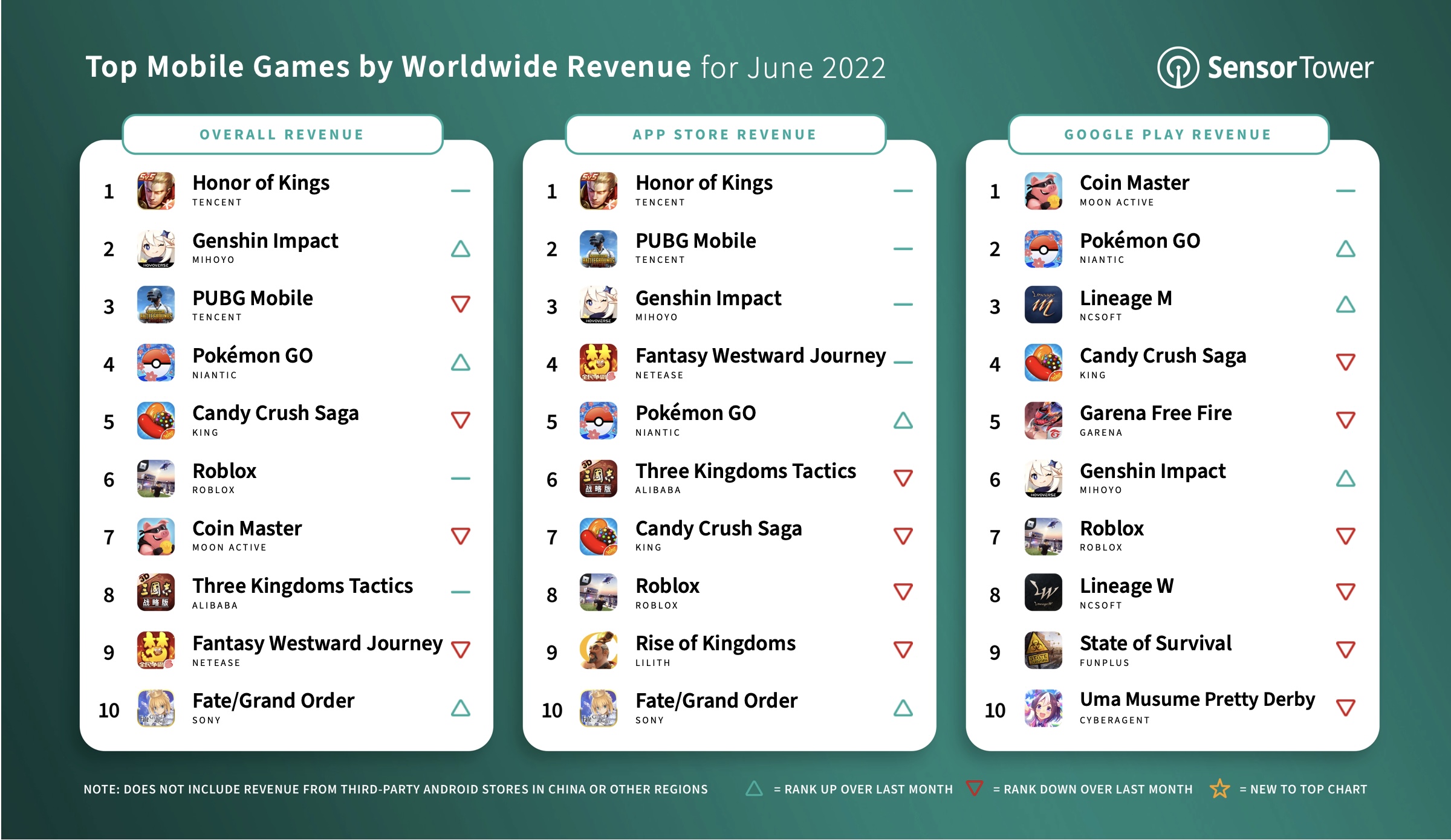
Top Grossing Apps This Month: The 2026 Mobile Economy Breakdown
Analyzing the top grossing apps this month reveals a transformative shift in the 2026 digital marketplace, where subscription fatigue, generative artificial intelligence utilities, and immersive gaming experiences battle for consumer w...
Analyzing the top grossing apps this month reveals a transformative shift in the 2026 digital marketplace, where subscription fatigue, generative artificial intelligence utilities, and immersive gaming experiences battle for consumer wallet share. Mobile product strategists, growth hackers, and industry analysts must evaluate shifting monetization models across the Apple App Store and Google Play Store to understand where global consumers allocate disposable income.
Contents
The Current Landscape of Mobile Monetization in 2026
The mobile app ecosystem has matured past simple upfront download fees and standard banner advertising. Today, the highest-earning applications rely heavily on sophisticated Software-as-a-Service (SaaS) subscription tiers, microtransactions, and hybrid in-app purchase architectures. Consumer spending concentrates heavily in categories that offer immediate productivity enhancement, personalized entertainment, or community-driven social engagement.
Market capitalization and gross revenue rankings shift rapidly based on seasonal updates, holiday spending cycles, and major media releases. Examining the structural performance of these digital products highlights several key pillars driving modern app store economics:
- Artificial Intelligence integration command the highest recurring subscription revenues, shifting user habits from casual utility use to mission-critical daily workflows.
- Mid-core and open-world mobile gaming properties continue to dominate raw gross revenue volume through gacha mechanics, battle passes, and limited-time cosmetic drops.
- Entertainment streaming and creator-economy platforms extract value via micro-tipping, digital currency wallets, and tiered ad-free viewing memberships.
- Health, fitness, and mental wellness apps sustain strong retention metrics by pairing programmatic coaching with wearable device telemetry integrations.
Category Breakdown: Where Revenue Concentrates
To map the top grossing apps this month accurately, industry researchers divide performance metrics across distinct verticals. Each category utilizes unique monetization strategies tailored to user psychology and platform constraints.
| App Category | Dominant Monetization Model | Average Revenue Per User (ARPU) | Primary Growth Driver |
|---|---|---|---|
| Generative AI & Productivity | Tiered Monthly/Annual SaaS Subscription | High ($15 - $40 / month) | Advanced multimodal capabilities and workflow automation |
| Mobile Gaming (RPG / Strategy) | Gacha Mechanics & In-App Currency Bundles | Very High ($50+ / month for whales) | Live-ops events, limited character banners, and competitive PvP |
| Entertainment & Live Streaming | Virtual Currency & Creator Tips | Moderate ($5 - $15 / transaction) | Exclusive creator access and interactive live engagement |
| Health & Bio-Tracking | Annual Subscription with Hardware Bundles | Moderate-High ($60 - $120 / year) | Real-time biometric feedback and personalized health coaching |
Generative AI Tools and Productivity Suites
Generative artificial intelligence applications hold a permanent footing at the top of the grossing charts. Consumers willingly pay premium monthly fees for advanced text-to-video generation, real-time voice translation, and specialized coding assistants.
Productivity applications succeed by embedding themselves deeply into enterprise and freelance workflows. By removing friction from content creation, data analysis, and visual design, these apps justify steep price points through direct time savings. Developers maintain high retention rates by continuously rolling out fine-tuned model updates and cloud synchronization capabilities.
Mobile Gaming Titans and Live-Operations Engines
Gaming remains the highest-grossing sector by aggregate dollar volume, led by massive open-world role-playing games, tactical shooters, and strategic builder titles. Success in this vertical depends heavily on live-operations (live-ops).
Top-performing game studios avoid relying solely on initial launch hype. Instead, they deploy bi-weekly content patches, seasonal narrative expansions, and competitive ladder resets. This continuous stream of fresh content re-engages dormant players and encourages consistent spending from high-value users, commonly referred to in the industry as whales.
Strategic Comparison: Subscription vs. Microtransaction Models
Evaluating top-grossing software reveals a clear divergence in how developers capture value. Understanding the trade-offs between recurring subscription frameworks and transactional economies helps development teams optimize their go-to-market strategies.
- Subscription Architecture: Provides predictable, recurring monthly and annual revenue. Ideal for utility, productivity, and media consumption apps. Lowers the barrier to entry with free trials but requires continuous feature updates to minimize churn.
- Microtransaction Architecture: Generates massive revenue spikes tied to psychological triggers like scarcity, social status, and randomized rewards. Highly effective for gaming and social platforms but introduces revenue volatility between major content updates.
- Hybrid Models: Combines base utility subscriptions with optional transactional add-ons. Increasingly popular among streaming platforms and multiplayer games that offer both ad-free viewing and cosmetic item shops.
How Developers Climb the Grossing Charts
Achieving a top position on the App Store or Google Play grossing charts requires a calculated blend of technical optimization, user acquisition spend, and data-driven product iteration. Product teams aiming for top-tier status typically execute a rigorous operational framework:
- Optimize App Store Optimization (ASO) and Conversion Rates: Fine-tune metadata, localized screenshots, and preview videos to convert organic search traffic into active downloads, lowering overall Customer Acquisition Cost (CAC).
- Implement Intelligent Paywall Testing: Continuously run multivariate tests on subscription paywalls, adjusting pricing tiers, trial lengths, and feature callouts based on user segmentation data.
- Analyze Cohort Retention and LTV: Track Lifetime Value (LTV) against CAC across 7-day, 30-day, and 90-day cohorts to ensure that marketing spend scales profitably without burning capital on unengaged users.
- Leverage Platform-Specific APIs: Integrate tightly with operating system updates, widget functionalities, and hardware shortcuts to secure editorial features and algorithmic recommendations from platform curators.
Frequently Asked Questions
Which category generates the most revenue on app stores globally?
Mobile gaming consistently generates the highest aggregate gross revenue across both iOS and Android ecosystems, driven by microtransactions and live-ops events. While productivity and AI apps capture higher individual subscription prices, the sheer volume of active gamers ensures gaming maintains the top financial spot.
How do subscription-based apps maintain low churn rates?
Top-earning subscription apps reduce churn by delivering immediate onboarding value, pushing personalized push notifications, and regularly releasing high-demand feature updates. They also utilize grace periods for failed payments and offer flexible annual billing discounts to lock in long-term commitments.
What is the significance of the top grossing chart for indie developers?
The grossing chart reflects proven commercial viability and monetization health, unlike the free download chart which can be skewed by heavy advertising spend. For indie developers, analyzing top-grossing trends highlights consumer willingness to pay for specific utility niches rather than fighting for ad impressions in overcrowded markets.
Are in-app purchases regulated differently across iOS and Android?
Both Apple and Google enforce strict compliance guidelines regarding in-app purchases, requiring developers to use official native billing systems for digital goods and services. Furthermore, both platforms mandate transparent subscription management interfaces, easy cancellation paths, and clear disclosures regarding recurring billing terms.
How has user acquisition changed for top-grossing apps in 2026?
User acquisition relies heavily on privacy-compliant attribution frameworks, contextual in-app advertising, and influencer-led social commerce campaigns. With traditional cross-app tracking heavily restricted, modern growth teams prioritize organic viral loops and community-driven acquisition channels.
What metrics matter most when analyzing app monetization performance?
Key performance indicators include Average Revenue Per Paying User (ARPPU), Return on Ad Spend (ROAS), Day-30 retention rates, and the LTV-to-CAC ratio. Monitoring these metrics allows finance and product teams to dynamically adjust pricing structures and ad spend allocation.
Maximizing Your Mobile Product Potential
Navigating the competitive mobile marketplace requires relentless focus on user utility, transparent pricing, and data-backed monetization strategies. Whether you are scaling an enterprise utility or launching an independent gaming title, aligning your product roadmap with proven consumer spending behaviors remains essential for long-term commercial viability. Evaluate your current subscription funnels, test dynamic paywall variations, and optimize your live-ops cadence to capture sustainable revenue in today's high-stakes app economy.
Image Gallery