What Ring Finger is Best for Wedding Rings? A Comprehensive Guide
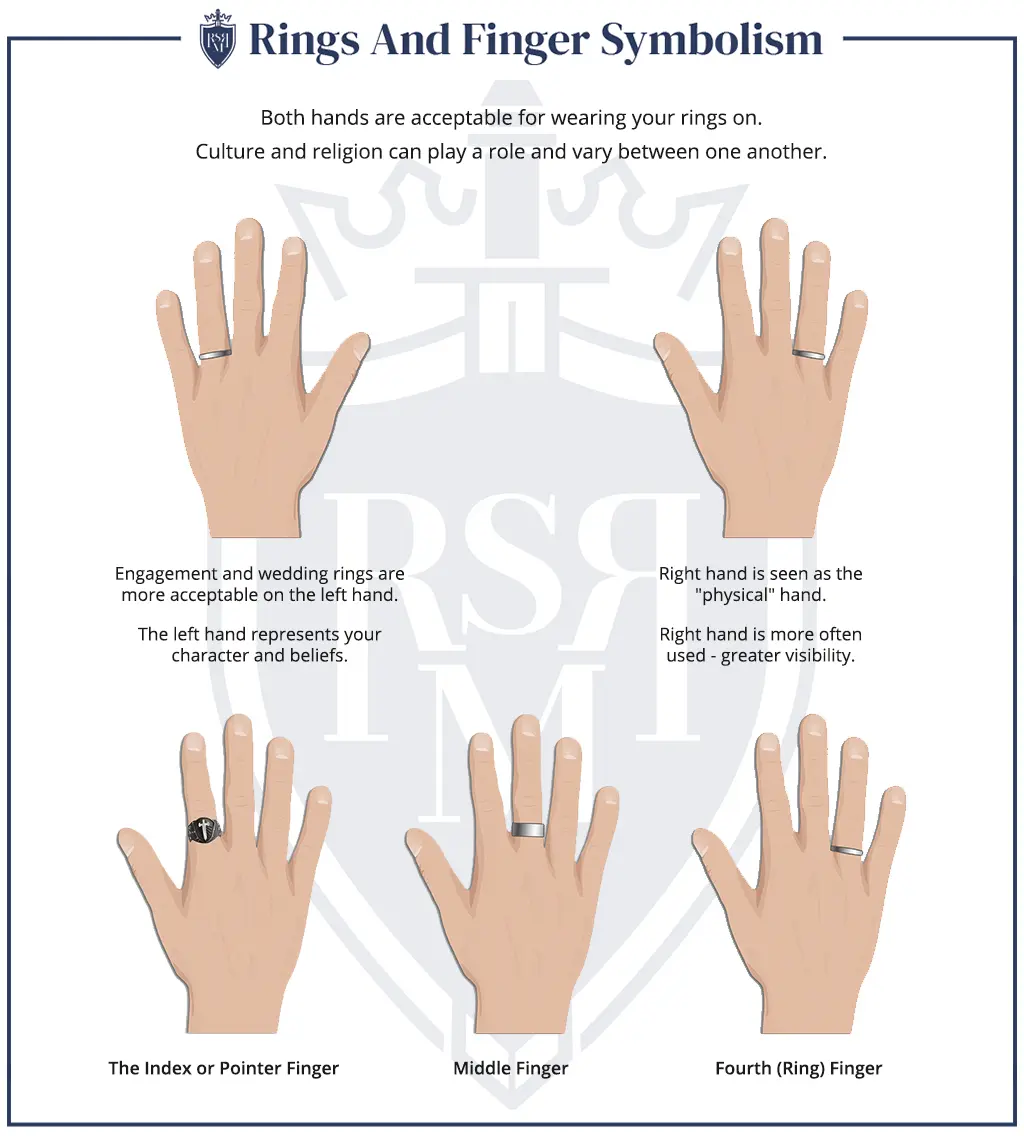
The most common and traditionally "best" finger for a wedding ring is the fourth finger of the left hand, widely recognized in Western cultures. However, the ideal choice depends on your cultural heritage, religious background, and phy...
The most common and traditionally "best" finger for a wedding ring is the fourth finger of the left hand, widely recognized in Western cultures. However, the ideal choice depends on your cultural heritage, religious background, and physical comfort. Many Eastern European, Middle Eastern, and Southeast Asian cultures prefer the right hand for symbolic reasons.
Contents
For centuries, the placement of a wedding ring has served as a silent communicator of marital status, commitment, and social standing. As we navigate the jewelry landscape of 2026, the "rules" have become more flexible, yet the weight of tradition remains a primary driver for most couples. Choosing the right finger involves balancing historical symbolism with the practical realities of daily wear, such as hand dominance, comfort, and professional safety.
The Traditional Choice: The Fourth Finger of the Left Hand
In the United States, United Kingdom, Canada, Australia, and much of Western Europe, the fourth finger of the left hand is the undisputed standard for wedding bands. This tradition is so deeply rooted that the finger itself is commonly referred to as the "ring finger."
The Myth of the Vena Amoris
The preference for the left ring finger is often attributed to the ancient Roman belief in the vena amoris, or the "vein of love." The Romans believed that a vein ran directly from the fourth finger of the left hand to the heart. By placing a ring on this specific finger, a spouse was thought to be physically and symbolically connected to their partner's heart.
While modern anatomy has long since debunked the existence of a single direct vein, the sentiment remains a cornerstone of romantic tradition. In 2026, couples continue to cite this "connection to the heart" as the primary reason for choosing the left hand, prioritizing the emotional narrative over anatomical accuracy.
Practicality in a Right-Handed World
Beyond symbolism, there is a pragmatic reason for the left-hand preference. Since approximately 90% of the global population is right-handed, wearing a precious piece of jewelry on the non-dominant hand offers natural protection. The left hand typically performs less strenuous labor, experiences fewer impacts, and is less exposed to harsh chemicals or abrasive surfaces in daily life. This reduces the rate of metal erosion and lessens the risk of losing stones from the setting.
The Right Ring Finger: Cultural and Religious Significance
While the left hand dominates Western media, a significant portion of the world’s population considers the right ring finger the "best" and most appropriate placement for wedding rings.
Eastern Orthodox and Central European Traditions
In many Eastern Orthodox Christian traditions, the right hand is considered the "holy" hand, used for blessings and making the sign of the cross. Consequently, countries such as Russia, Greece, Ukraine, Bulgaria, and Serbia traditionally use the fourth finger of the right hand for wedding bands.
Similarly, in Central European nations like Germany, Austria, Denmark, and Norway, it is common for couples to wear their engagement rings on the left hand and move the wedding band to the right hand during the ceremony. This transition symbolizes the change in status from "promised" to "bound."
Middle Eastern and Indian Customs
In parts of the Middle East and India, the right hand is often preferred because the left hand has historically been associated with hygiene tasks and was considered "unclean" in various cultural contexts. In traditional Hindu ceremonies, the right hand is used for most sacred rituals, making it the logical choice for a symbol as significant as a wedding ring.
Same-Sex Marriage and Modern Identity
Historically, before the widespread legalization of same-sex marriage, many LGBTQ+ couples chose to wear their rings on the right hand as a subtle way to signify their commitment while distinguishing their unions from traditional heteronormative structures. While many now opt for the left hand in line with standard legal recognition, the right-hand ring remains a meaningful choice for those wishing to honor the history of their community's journey toward equality.
Practical Considerations for Finger Choice
When deciding which finger is best for your specific lifestyle in 2026, several technical and physiological factors should be evaluated.
Hand Dominance and Sizing
It is a common misconception that both hands are identical in size. In reality, the dominant hand is usually slightly larger due to more developed musculature. If you are right-handed and choose to wear your ring on your right hand, you may find that you require a half-size larger than you would for your left hand.
When measuring for a ring, professional jewelers recommend sizing the specific finger on the specific hand where the ring will reside. Factors such as the time of day, temperature, and recent salt intake can cause finger size to fluctuate by as much as half a size.
Occupational Safety and "Degloving"
For individuals in high-risk professions—such as healthcare, construction, or heavy machinery operation—the "best" finger might actually be "none." Ring avulsion, or degloving, is a serious injury that occurs when a ring gets caught on an object and is forcibly pulled.
In 2026, many professionals opt for silicone wedding bands on their traditional ring finger during work hours to mitigate this risk. Alternatively, some choose to wear their ring on a chain around their neck or select their non-dominant hand to reduce the likelihood of accidental snagging.
Comfort and Knuckle Shape
The anatomy of your finger plays a role in how a ring sits. If you have large knuckles but slender finger bases, the ring must be sized to clear the knuckle, which often results in the ring spinning at the base. In such cases, the "best" finger is the one that offers the most secure fit. Using sizing beads or choosing the hand with the less prominent knuckle can provide a more comfortable, stable experience.
Comparing Ring Placement Traditions
The following table summarizes the common placement of wedding rings across various regions and belief systems.
| Region / Culture | Primary Hand | Symbolic Reasoning |
|---|---|---|
| United States / UK | Left | Vena Amoris (Vein of Love) tradition. |
| Russia / Greece | Right | Association with holiness and blessings. |
| Germany / Norway | Right | Differentiates marriage from engagement. |
| India (Traditional) | Right | The right hand is considered auspicious. |
| Brazil / Turkey | Both | Left for marriage; often Right for engagement. |
| Lebanon / Syria | Right | Cultural preference for the right hand as "clean." |
Alternative Placements: When the Fourth Finger Isn't Used
While the fourth finger is the standard, modern trends and specific physical needs have led to alternative placements.
- The Index Finger: In traditional Jewish wedding ceremonies, the ring is often placed on the bride's right index finger. This is considered the most prominent finger, making the ring easily visible to witnesses. After the ceremony, many brides move the ring to the fourth finger of the left hand.
- The Middle Finger: Some individuals choose the middle finger for comfort, especially if their ring finger has been injured or if they prefer the balanced look of a central ring. However, since the middle finger is the largest, it requires a larger band, which can be more expensive if using precious metals like platinum.
- Thumb or Pinky: These are rarely used for primary wedding bands but are sometimes chosen for "anniversary bands" or secondary rings that complement the main wedding set.
Common Mistakes When Choosing a Ring Finger
- Ignoring Swelling: Many people size their rings during the winter when fingers are thinnest. In 2026, with global temperatures shifting, jewelers emphasize sizing for the "warmest" state of the hand to ensure the ring doesn't become painfully tight during summer months.
- Assuming Symmetry: Never assume your left and right ring fingers are the same size. Always measure the specific finger you intend to use.
- Neglecting Maintenance: No matter which finger you choose, the metal will wear down over decades. Gold is softer than platinum or tungsten. If you wear your ring on your dominant hand, you should schedule professional "prong checks" every 12 to 18 months to prevent stone loss.
Frequently Asked Questions
Can I wear my wedding ring on my right hand if it's not my tradition?
Yes. There are no legal requirements regarding which finger or hand must hold a wedding ring. Many people choose the right hand for personal comfort, to protect the ring (if they are left-handed), or simply because they prefer the aesthetic. In 2026, personal preference is increasingly accepted as a valid reason to deviate from cultural norms.
Why do some people wear both engagement and wedding rings on the same finger?
This is a common Western tradition where the wedding band is placed on the finger first (closest to the heart) and the engagement ring is placed on top. This signifies that the "promise" of the engagement has been "sealed" by the marriage. Some couples even have these rings soldered together into a single unit.
Is it bad luck to wear a ring on the wedding finger before marriage?
Various superstitions suggest that wearing a ring on the "marriage finger" before you are actually married can "jinx" the relationship or prevent a proposal. However, these are cultural myths and have no basis in fact or religious law. Many people wear "promise rings" on this finger before an official engagement.
What should I do if my ring finger changes size over time?
Weight fluctuations, pregnancy, and aging can all change finger size. Most gold and silver rings can be "resized" by a jeweler. However, rings made of alternative metals like tungsten, titanium, or cobalt cannot be resized due to their hardness. In these cases, the ring must be replaced or worn on a different finger.
Does the "best" finger change for men vs. women?
Generally, no. Within a specific culture, the "best" finger is usually the same for both partners. However, men often prefer slightly wider bands, which can feel more restrictive. Men with active lifestyles or manual labor jobs are the most frequent adopters of silicone bands on their traditional ring fingers for safety reasons.
Practical Recommendation
When determining what ring finger is best for your wedding ring, begin by honoring any cultural or religious traditions that are meaningful to you and your partner. If you have no strong cultural preference, the fourth finger of your non-dominant hand is the most practical choice. This placement protects the longevity of the jewelry while adhering to the most widely recognized social signal of marriage. Regardless of the hand you choose, ensure you have the finger professionally sized at least twice—ideally at different times of the day—before finalizing your purchase to ensure a lifetime of comfortable wear.
Image Gallery