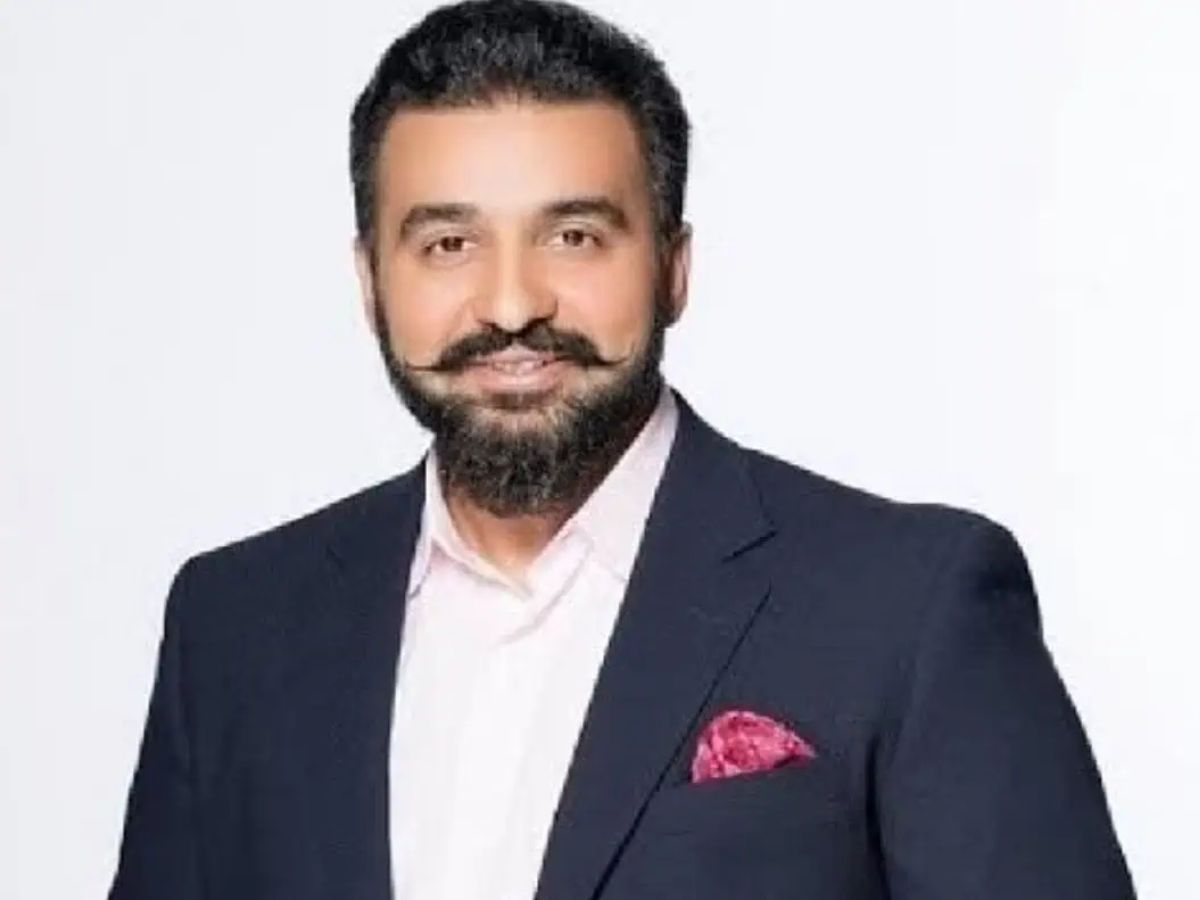
Salil Shetty: Net Worth, Career Earnings, and Executive Amnesty Role
Salil Shetty’s professional trajectory spans decades of international advocacy, high-level governance, and leadership within the global human rights movement. While his career is defined by public service, institutional reform, and org...
Salil Shetty’s professional trajectory spans decades of international advocacy, high-level governance, and leadership within the global human rights movement. While his career is defined by public service, institutional reform, and organizational management rather than commercial entrepreneurship, public interest frequently surrounds his financial standing and his tenure at the helm of Amnesty International. Because Shetty has spent his professional life operating within the non-profit sector, international civil service, and philanthropic foundations, his financial profile reflects executive salaries, international allowances, and institutional stipends rather than corporate equity stakes or private business ventures.
Contents
This comprehensive examination evaluates the public records regarding Salil Shetty’s estimated net worth, details his historic role as the Secretary General of Amnesty International, and traces his broader contributions to international development and human rights governance up to 2026.
Understanding Salil Shetty’s Professional Background and Career Context
To understand Salil Shetty’s financial profile and professional standing, it is necessary to examine his extensive background in global development and human rights advocacy. Born in India, Shetty developed a lifelong commitment to social justice, public policy, and economic equity early in his career. His educational path laid a strong foundation for institutional leadership; he earned a bachelor's degree in management from the Indian Institute of Management, Ahmedabad (IIMA), one of the premier business and management institutions in South Asia.
Following his education, Shetty immersed himself in grassroots development, poverty alleviation, and public advocacy. Before stepping onto the global stage, he worked extensively with ActionAid, a prominent international non-governmental organization focused on fighting poverty and injustice worldwide. His leadership qualities and strategic vision propelled him upward within the organization. By 1998, Shetty was appointed as the Chief Executive Officer of ActionAid, a position he held until 2003. During this tenure, he spearheaded structural shifts within the organization, transitioning it from a UK-centric charity to an internationally federated structure with stronger representation from the Global South.
Following his departure from ActionAid, Shetty continued to occupy influential positions within the international development architecture. He served as the Director of the United Nations Millennium Campaign from 2003 to 2010. In this capacity, he worked alongside global leaders, civil society organizations, and international bodies to pressure governments into meeting the United Nations Millennium Development Goals (MDGs). This multifaceted background established him as one of the most prominent administrative leaders in the international non-profit and advocacy sectors.
Salil Shetty’s Net Worth: Realities of Executive Non-Profit Compensation
Public curiosity regarding the net worth of high-profile non-profit leaders often stems from assumptions about the scale of global organizations like Amnesty International. However, executive compensation in the non-profit sector differs fundamentally from corporate wealth generation. Salil Shetty’s net worth is not publicly documented in official financial disclosures, as private individuals working in NGOs and international civil service are not subject to the public shareholder reporting requirements mandated for corporate executives or publicly traded company founders.
Financial estimates published by various online biography platforms often speculate on the net worth of prominent NGO leaders, frequently citing figures ranging between $1 million and $5 million. However, these figures are speculative estimates derived from standard executive salary bands in international organizations rather than verified asset declarations.
To evaluate Shetty’s financial standing accurately, several structural factors of non-profit executive compensation must be considered:
- Salary Bands in International NGOs: Chief executives of global human rights organizations typically receive competitive professional salaries comparable to upper-middle management in the corporate sector or senior public administration officials, but they do not receive stock options, equity dividends, or performance-based bonuses tied to market valuation.
- International Allowances: Senior figures working within United Nations bodies and international federations often receive standard international cost-of-living allowances, housing stipends, and relocation packages while on active assignment, which do not translate into long-term personal asset accumulation once the assignments conclude.
- Absence of Commercial Ventures: Unlike corporate executives who build wealth through enterprise ownership, venture capital, or real estate portfolios, Shetty’s career has been anchored entirely within institutional governance, multilateral advocacy, and philanthropic advisory roles.
Consequently, while Shetty has earned a comfortable professional living commensurate with high-level international executive responsibilities, his financial profile is reflective of institutional leadership rather than high-net-worth commercial entrepreneurship.
The Amnesty International Years: Secretary General Role and Impact
Salil Shetty’s most prominent institutional footprint was left during his tenure as the Secretary General of Amnesty International. Appointed to the post in July 2010, Shetty succeeded Irene Khan, becoming the eighth Secretary General of the organization. He served two full four-year terms, leading the global human rights movement through a period of immense geopolitical transformation until his departure in August 2018, when he was succeeded by Kumi Naidoo.
As Secretary General, Shetty served as the chief executive officer and public face of Amnesty International, overseeing a global movement comprising more than seven million members, supporters, and activists operating in over 150 countries. His tenure was marked by a strategic decentralization of the organization, shifting operational power and decision-making structures away from London toward the Global South, where many of the world's most severe human rights abuses occur.
Key Strategic Initiatives and Campaigns Under Shetty’s Leadership
During his eight-year tenure, Shetty directed Amnesty International's response to some of the most complex human rights crises of the 21st century. His administration focused heavily on systemic accountability, corporate human rights abuses, refugee rights, and the protection of civic space.
- The Global Refugee Crisis: Shetty positioned Amnesty International at the forefront of advocacy during the Syrian refugee crisis and subsequent global displacements. He consistently challenged European and North American governments over border policies, advocating for safe migration pathways and humane asylum processes.
- Accountability for War Crimes: Under his leadership, the organization expanded its investigative capabilities regarding violations of international humanitarian law in conflict zones such as Syria, Yemen, South Sudan, and Myanmar, utilizing advanced digital verification tools and open-source intelligence to document atrocities.
- Defending Civic Space and Human Rights Defenders: Shetty consistently campaigned for the protection of activists, journalists, and civil society workers facing harassment, arbitrary detention, and legal persecution by authoritarian governments worldwide.
- Internal Structural Reform: Recognizing that the traditional Western-dominated human rights model required updating, Shetty decentralized Amnesty's governance, establishing regional hubs in Nairobi, Dakar, Bangkok, and the Americas to empower local activists and ground international campaigns in regional realities.
| Leadership Dimension | Strategic Focus | Operational Impact |
|---|---|---|
| Geographic Decentralization | Shifting organizational hubs from London to the Global South | Empowered regional offices and localized human rights campaigns in Africa, Asia, and Latin America. |
| Crisis Response | Documenting war crimes and refugee movements | Deployed advanced digital investigation units to hold state and non-state actors accountable in conflict zones. |
| Corporate Accountability | Examining corporate complicity in human rights violations | Challenged multinational corporations regarding supply chain labor standards, environmental degradation, and land grabs. |
| Campaign Scaling | Expanding global membership and digital mobilization | Grew active supporter base past seven million individuals, increasing grassroots financial and political leverage. |
Post-Amnesty Career, UN Appointments, and Ongoing Advocacy
Following the conclusion of his second term at Amnesty International in 2018, Salil Shetty did not retire from public service. Instead, he transitioned into senior advisory roles within global institutions, international foundations, and academic settings. His post-Amnesty career underscores his enduring influence within multilateral diplomacy and civil society governance.
In June 2020, Shetty was appointed as the Senior Advisor to the President of the 75th Session of the United Nations General Assembly, Volkan Bozkır. In this capacity, he helped navigate multilateral discussions during the height of the COVID-19 pandemic, advising on civil society engagement, human rights integration into pandemic recovery plans, and strengthening global cooperation.
Additionally, Shetty has held academic and advisory fellowships, sharing his extensive operational experience with the next generation of human rights advocates and international relations scholars. He has served on the boards of various international development organizations, philanthropic foundations, and human rights bodies, maintaining an active voice in global policy debates concerning climate justice, inequality, and democratic erosion.
Common Misconceptions Regarding Non-Profit Leadership Finances
Public discourse surrounding the compensation of leaders heading international non-governmental organizations frequently involves misunderstandings regarding how these entities operate. Because organizations like Amnesty International manage multi-million-dollar global budgets and mobilize millions of supporters, casual observers often conflate organizational scale with executive personal wealth.
It is vital to distinguish between institutional budgets and personal remuneration. Amnesty International operates as a democratic, membership-based movement funded primarily by individual donations, member dues, and philanthropic grants. The financial resources managed by the Secretary General are strictly earmarked for human rights research, campaign execution, legal defense, and operational infrastructure across global offices. Executive salaries are determined by independent remuneration committees within the organization, benchmarked against international non-profit sector standards, and subjected to external financial audits published in the organization's annual reports.
Frequently Asked Questions
What is Salil Shetty’s estimated net worth?
Salil Shetty’s exact net worth is not public information. Because he has spent his career in the non-profit sector, international civil service, and human rights advocacy rather than commercial enterprise, his financial standing reflects institutional salaries and professional compensation rather than corporate equity or venture capital. Speculative online estimates vary widely, but verified financial disclosures do not exist.
When did Salil Shetty serve as Secretary General of Amnesty International?
Salil Shetty served as the Secretary General of Amnesty International from July 2010 to August 2018. He completed two four-year terms, leading the organization through significant structural decentralization and major global human rights campaigns before handing over leadership to Kumi Naidoo.
What are Salil Shetty’s primary professional achievements?
Aside from leading Amnesty International, Shetty served as the Chief Executive Officer of ActionAid from 1998 to 2003, directed the United Nations Millennium Campaign from 2003 to 2010, and was appointed Senior Advisor to the President of the UN General Assembly in 2020. His career is characterized by institutional reform and strengthening civil society representation from the Global South.
Did Salil Shetty found Amnesty International?
No, Salil Shetty did not found Amnesty International. The organization was founded in London in 1961 by the British lawyer Peter Benenson. Shetty served as its eighth Secretary General, managing its executive operations and global strategy five decades after its inception.
What is Salil Shetty’s educational background?
Salil Shetty earned a bachelor's degree in management from the prestigious Indian Institute of Management, Ahmedabad (IIMA). He also pursued further postgraduate studies in social policy and planning in developing countries at the London School of Economics (LSE).
What role did Salil Shetty take on after leaving Amnesty International?
Following his tenure at Amnesty International, Shetty took on several high-profile advisory roles, most notably serving as Senior Advisor to the President of the UN General Assembly during its 75th session in 2020, alongside advisory positions with international foundations and academic institutions.
Conclusion and Next Actions
Salil Shetty’s career offers a compelling case study in international non-profit leadership and institutional governance. While public interest often targets financial metrics such as net worth, his true professional legacy lies in his administrative stewardship of global human rights movements, his efforts to decentralize advocacy power toward the Global South, and his ongoing engagement with multilateral diplomacy. For researchers, students, and practitioners examining the mechanics of international advocacy, understanding Shetty's career requires looking past speculative wealth estimates to focus on the structural impact of non-profit executive leadership. To explore this topic further, consult official annual financial reports published by Amnesty International or review academic literature examining the evolution of modern human rights governance.
Image Gallery