Official MRE Menu List 2026: Comprehensive Nutritional and Technical Specifications
The Meal, Ready-to-Eat (MRE) remains the gold standard for individual tactical field rations. As of 2026, the Department of Defense has updated the rotational menu cycle to reflect modern nutritional requirements and supply chain optim...
The Meal, Ready-to-Eat (MRE) remains the gold standard for individual tactical field rations. As of 2026, the Department of Defense has updated the rotational menu cycle to reflect modern nutritional requirements and supply chain optimizations. This guide provides the definitive breakdown of the current operational rations, caloric densities, and the logistical realities of the 2026 MRE menu list.
Contents
Evolution of Tactical Nutrition Standards in 2026
The 2026 iteration of the MRE represents a shift toward higher protein-to-carbohydrate ratios to support sustained performance in varied operational environments. The Combat Rations Branch has shifted away from outdated sugar-heavy components, replacing them with complex carbohydrates and enhanced electrolyte profiles. Each unit is engineered to provide approximately 1,250 kilocalories, with a balanced macro-nutrient distribution: 13% protein, 36% fat, and 51% carbohydrate.
These specifications are maintained to ensure that service members receive the necessary energy density to prevent weight loss and muscle fatigue during extended deployments. In 2026, the manufacturing focus has prioritized shelf-stability through improved retort pouch sealing technology, which now guarantees a 3-year shelf life when stored at ambient temperatures of 80 degrees Fahrenheit.
Current 2026 MRE Menu Cycle Overview
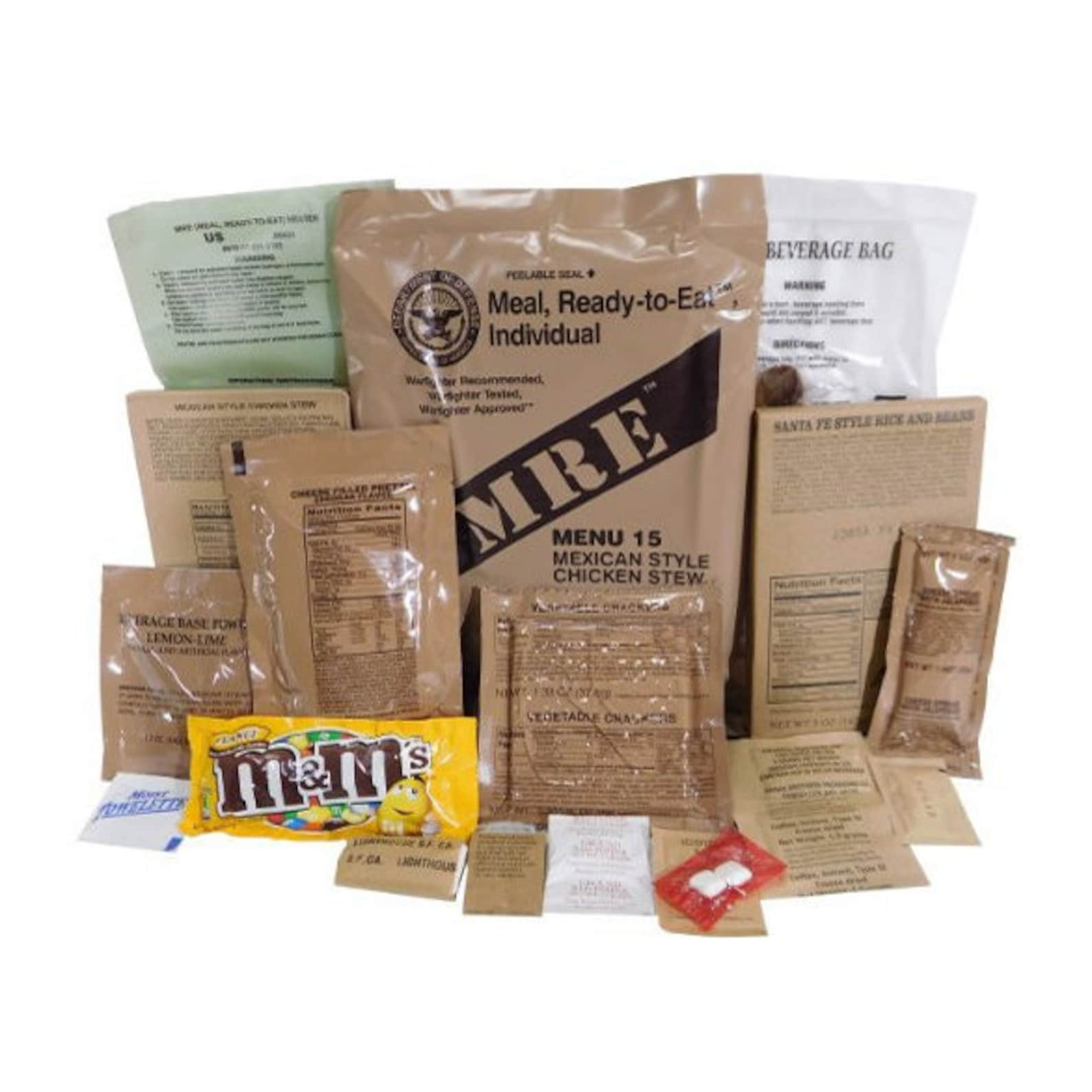
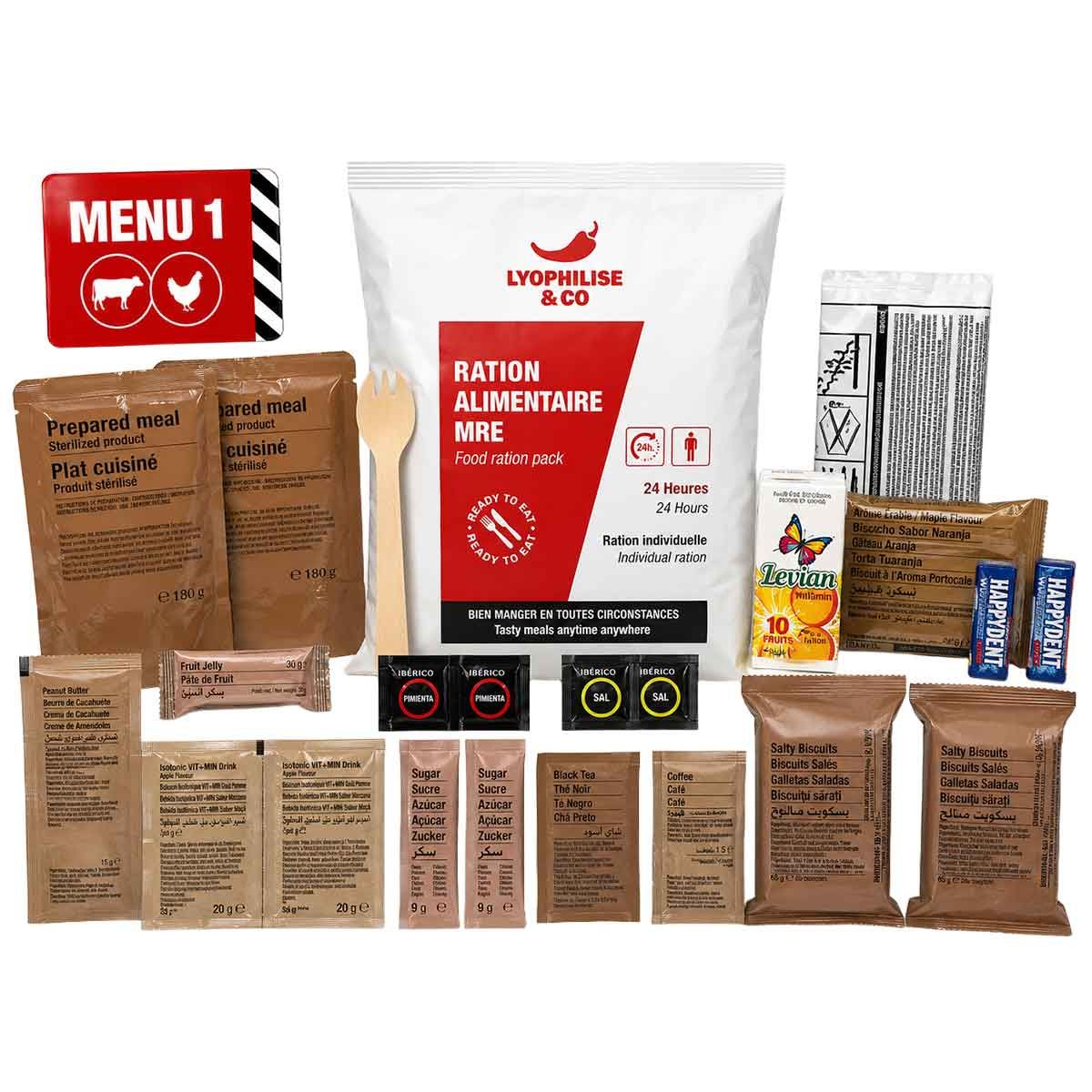
The MRE system currently rotates through 24 distinct menus. These are designed to ensure variety while preventing sensory fatigue, a critical psychological factor in long-term field operations. Each menu includes an entree, a side dish, a spread (peanut butter, jelly, or cheese), crackers or bread, a dessert, and a beverage base.
| Menu Number | Primary Entree Description | Flavor Profile |
|---|---|---|
| 1 | Chili with Beans | Traditional / High Sodium |
| 2 | Beef Shredded in Barbecue Sauce | Savory / Sweet |
| 3 | Chicken Chunk with Tomato Sauce | Italian-inspired |
| 4 | Spaghetti with Beef and Sauce | Classic Pasta |
| 5 | Mediterranean Chicken | Spiced / Lean Protein |
| 6 | Beef Taco Filling | Tex-Mex Style |
| 7 | Beef Strips in Savory Sauce | Umami-rich |
| 8 | Meatballs in Marinara Sauce | Comfort Food |
| 9 | Beef Stew | High Caloric / Dense |
| 10 | Chili and Macaroni | High Carb Density |
Note: These ten selections represent the most frequently distributed menus in the 2026 fiscal cycle. Operators should be aware that menus 11-24 follow similar nutritional protocols but rotate secondary components like dried fruits, nut mixes, and caffeine-fortified gum.
Understanding Component Integration and Field Utility
Effective use of the MRE requires familiarity with the accessory packet and the Flameless Ration Heater (FRH). The FRH is a water-activated exothermic heater that raises the entree temperature by 100 degrees Fahrenheit in approximately 12 minutes.
Operational Best Practices for Ration Management
Thermal Regulation Always activate the FRH on a slightly inclined surface to ensure the water-activated material remains in contact with the entree pouch. Using the cardboard sleeve is mandatory to maintain insulating air pockets that facilitate the heat transfer process.
Caloric Distribution Do not consume the entire ration in a single sitting if performing low-intensity tasks. The high fiber content in the 2026 vegetable crackers can cause gastrointestinal distress if consumed rapidly alongside the concentrated protein entrees. Divide the ration into three distinct phases to maintain steady blood glucose levels throughout the duty day.
Critical Technical Troubleshooting and Safety Protocols
Field reports from 2026 indicate that the most common failure point in ration consumption is improper pouch sealing, leading to moisture ingress. If a pouch is found to be bloated, leaking, or emitting a pungent odor upon opening, it must be discarded immediately. Do not attempt to heat or consume compromised rations, as the vacuum-seal integrity is the only barrier against anaerobic bacterial growth.
Common Field Issues
- Pouch Puncture: Often occurs during transit in ruck sacks. Ensure hard items like multi-tools are stored away from ration pouches.
- Hydration Imbalance: The high sodium content (averaging 2,000mg per MRE) requires consistent water intake. Failure to drink at least 16 ounces of water per meal will significantly decrease cognitive performance.
- Electrolyte Depletion: In high-heat environments, the provided beverage bases should be prioritized to replace salts lost through sweat.
Frequently Asked Questions Regarding MRE Logistics
How long can I safely store an MRE at home? When kept in a temperature-controlled environment at 60 degrees Fahrenheit, an MRE can be safely consumed for up to 5 years past its inspection date, though flavor and texture degradation will occur after 3 years. Exposure to temperatures above 80 degrees significantly accelerates the degradation of fats and vitamins.
Are vegetarian options available in the standard 2026 list? Yes, menus 11 through 15 are designated as vegetarian-friendly, utilizing plant-based proteins and textured vegetable protein (TVP) to mimic meat textures. These are held to the same nutritional standards as standard meat-based entrees.
Do MREs contain caffeine? Select menus now include caffeinated gum or coffee powder, typically providing 100mg of caffeine to improve alertness during night operations. Check the outer packaging for "Caffeine Supplemented" markings to avoid over-consumption.
Can I purchase official military-grade MREs commercially? Genuine military-issue MREs are technically government property and are not for resale. Commercial "MRE-style" meals found in sporting goods stores are similar in form factor but do not follow the strict 2026 Department of Defense nutritional specifications.
What is the shelf life of the provided spread/cheese? The shelf life for cheese spreads is shorter than the main entree. If the packet shows signs of rigidity or the oil has separated permanently from the solids, it is nearing the end of its viable consumption window.
Strategic Procurement and Sustainability
For organizations involved in emergency management or long-term contingency planning, managing the 2026 ration stock requires a "First-In, First-Out" (FIFO) inventory rotation system. Audit your supply every six months. Identify pouches that are within 12 months of their expiration date and designate them for training or immediate consumption to ensure that your primary stockpile remains at peak nutritional viability.
Always consult with regional logistics supply officers if you are coordinating large-scale ration distributions, as individual menu availability can fluctuate based on contractor supply chain fulfillment schedules. Prioritize the procurement of complete cases (12 units) rather than individual meals to ensure a balanced intake of the full variety of nutrients and flavors provided in the current cycle.
Image Gallery