Choosing the Best Mattress Protector in 2026: A Comprehensive Guide
The best mattress protector is one that provides a 100% waterproof barrier without compromising the breathability or feel of your bed. For most sleepers in 2026, the SafeRest Premium remains the top choice for its reliability, while th...
The best mattress protector is one that provides a 100% waterproof barrier without compromising the breathability or feel of your bed. For most sleepers in 2026, the SafeRest Premium remains the top choice for its reliability, while the Saatva Waterproof Mattress Protector is the preferred luxury option for its organic materials and silent performance.
Contents
Investing in a high-quality mattress is a significant financial commitment, often costing thousands of dollars. However, that investment is surprisingly fragile. A single spill, consistent perspiration, or an accumulation of dust mites can not only degrade the comfort of the foam and springs but also void the manufacturer's warranty. This is where a mattress protector becomes indispensable. Unlike a mattress pad or topper, which are designed primarily for comfort, a protector is a specialized piece of bedding engineered to safeguard your mattress from liquid damage, allergens, and physical wear.
The Evolution of Mattress Protection in 2026
As of 2026, the technology behind mattress protection has moved far beyond the "plastic sheet" designs of previous decades. Modern protectors utilize advanced membrane technology that allows air molecules to pass through while blocking larger liquid molecules. This ensures that the sleeper does not overheat—a common complaint with older, non-breathable vinyl covers.
The industry has largely shifted toward Thermoplastic Polyurethane (TPU) as the primary waterproofing agent. TPU is preferred over PVC (vinyl) because it is phthalate-free, silent when moved upon, and significantly more breathable. Furthermore, 2026 standards for textile safety, such as OEKO-TEX Standard 100, are now common requirements for any top-tier protector, ensuring the product is free from harmful chemicals.
Key Features of the Top-Rated Mattress Protectors
When evaluating the best mattress protector for your specific needs, several technical specifications dictate performance. Understanding these elements helps distinguish a budget-level cover from a high-performance protective layer.
1. Waterproofing Mechanism
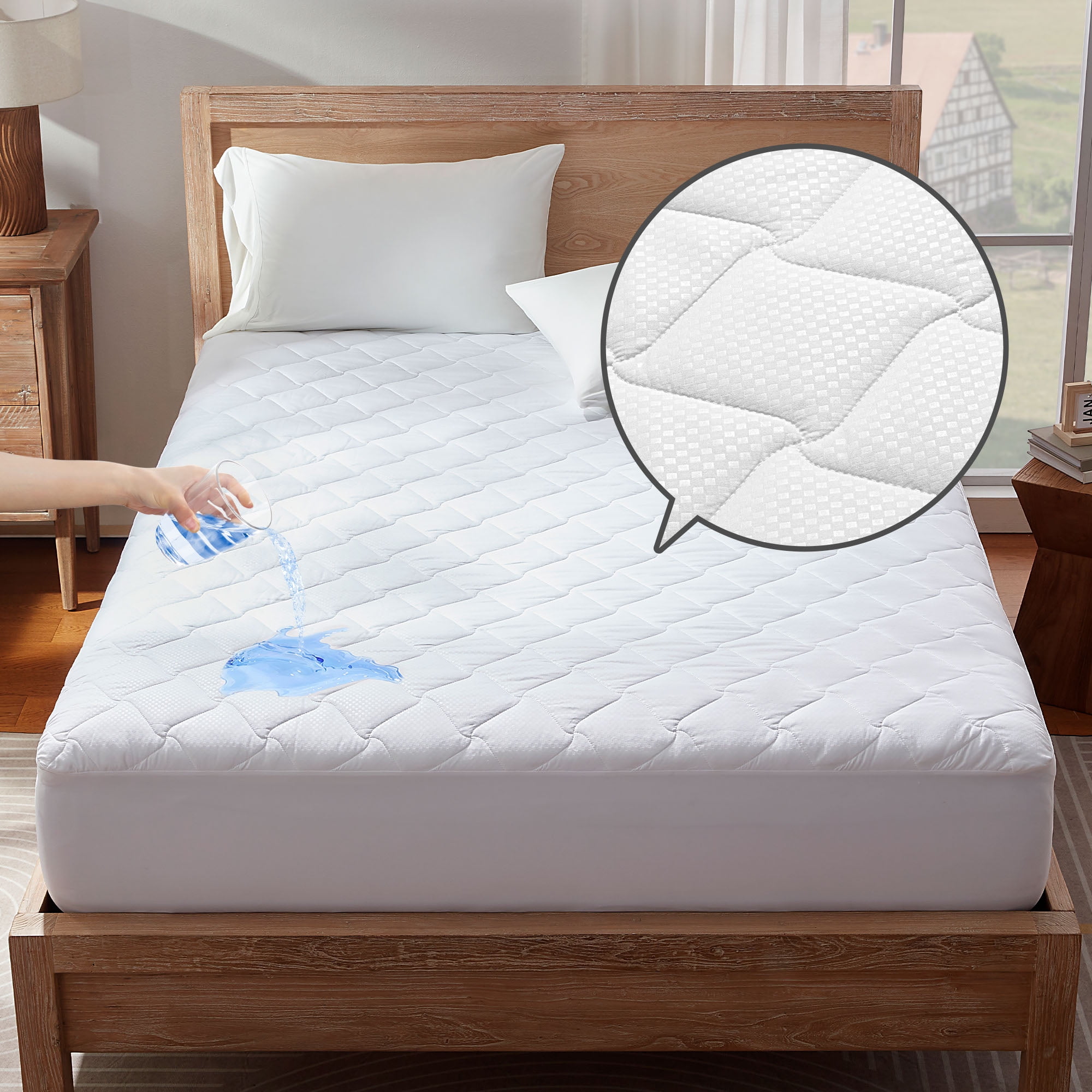
The primary function of a protector is to prevent liquids from reaching the mattress. In 2026, the most effective models use a "miracle membrane" or a micro-porous film. These films have pores small enough to block liquid water and even microscopic allergens like dust mite waste but large enough to allow vapor (heat and sweat) to escape. This prevents the "sauna effect" that many sleepers dread.
2. Fabric Choice and Surface Texture
The surface fabric determines the tactile experience of the bed.
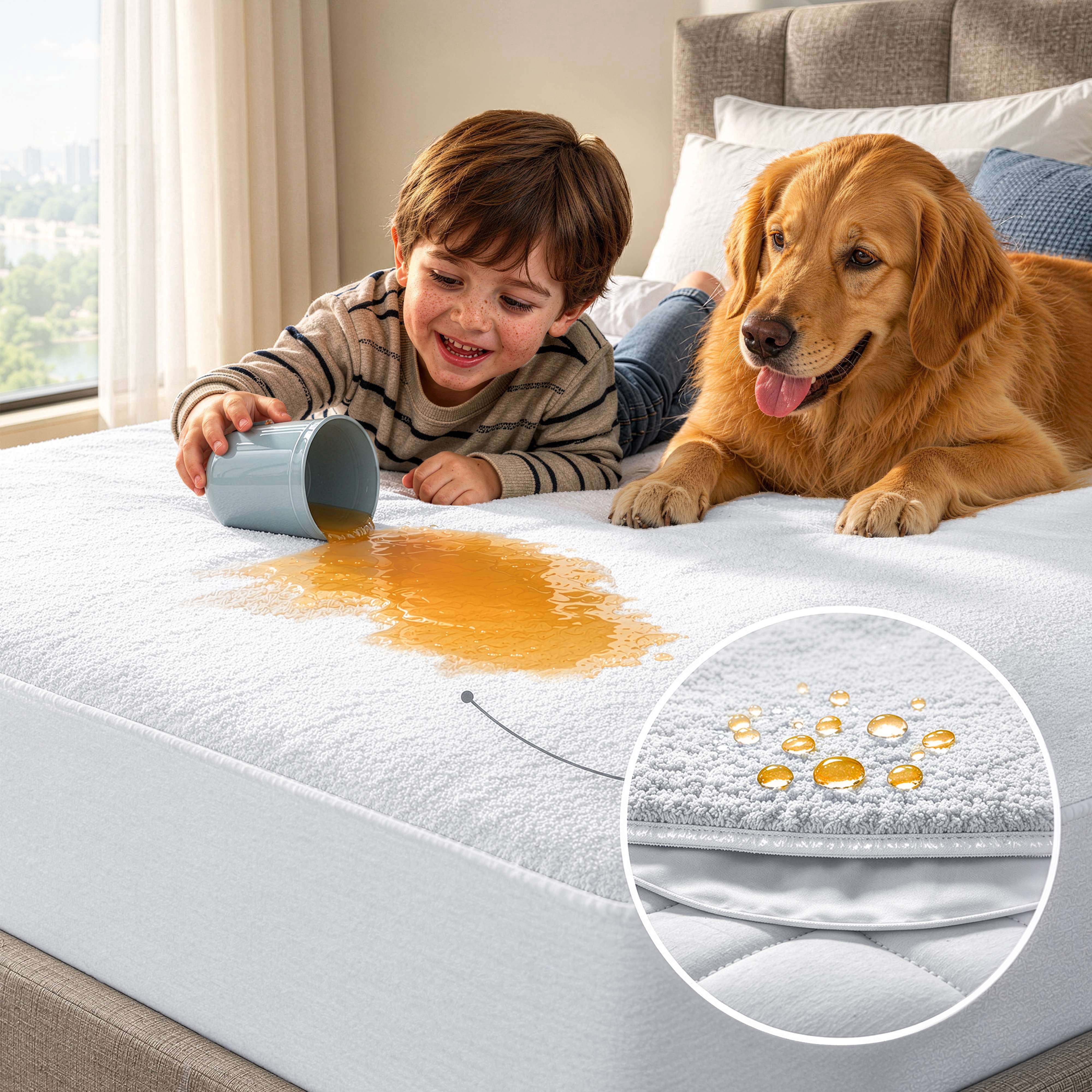
- Cotton Terry: This is the most popular surface for protectors like the SafeRest Premium. The loops of the terry cloth absorb moisture and prevent it from "pooling" or running off the side of the bed before the waterproof layer can do its work.
- Tencel (Lyocell): Frequently found in cooling-specific protectors, Tencel is derived from wood pulp and is naturally more absorbent and smoother than cotton. It is an excellent choice for those with sensitive skin.
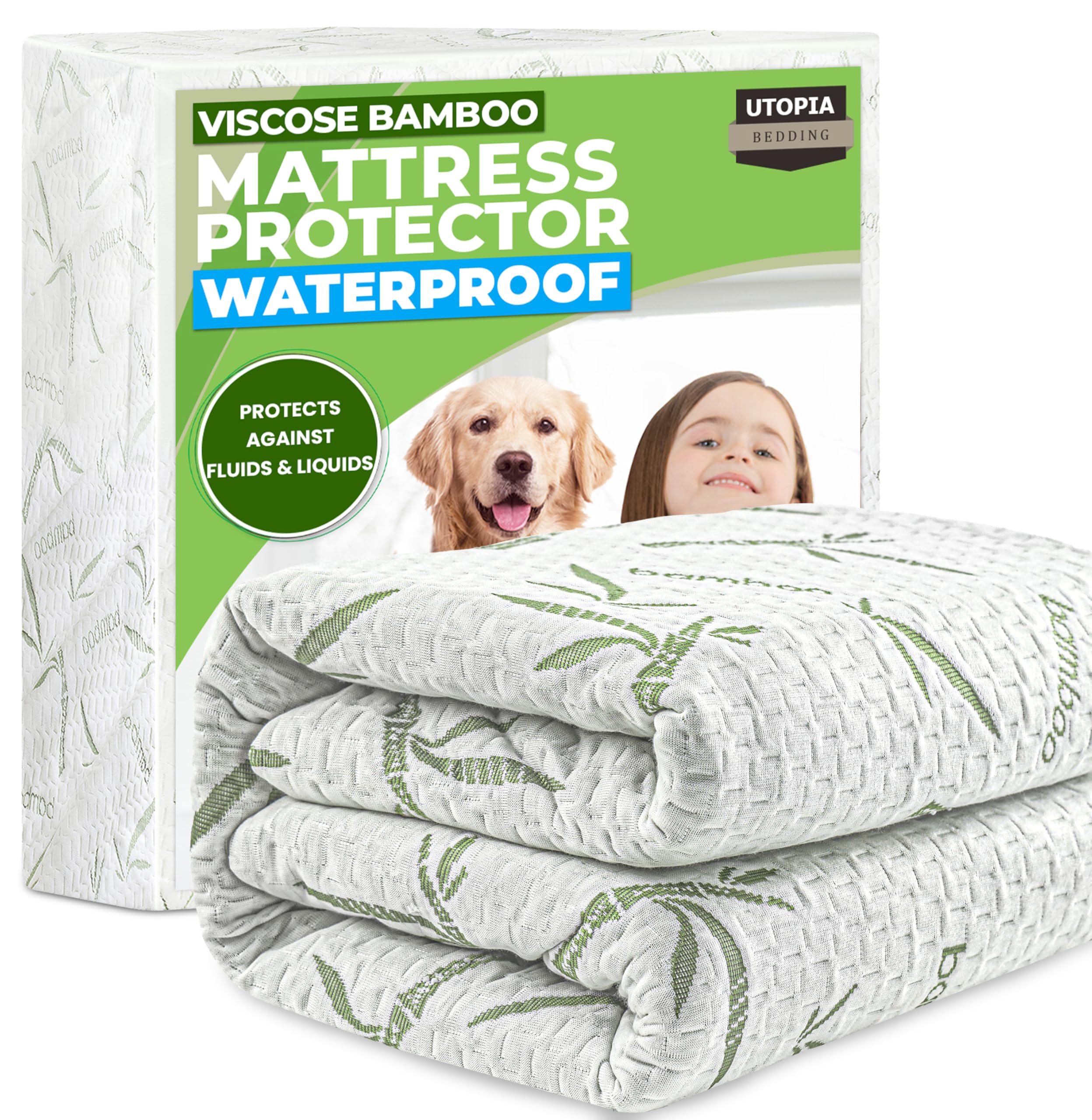
- Bamboo Rayon: Known for its soft feel and natural antimicrobial properties, bamboo blends are common in eco-friendly or mid-range protectors.
3. Fit and Construction
There are three main styles of mattress protectors:
- Fitted Sheet Style: These cover the top and sides of the mattress, held in place by an elastic skirt. They are the easiest to remove and wash, making them ideal for general spill protection.
- Encasement (Six-Sided): These zip around the entire mattress. These are the gold standard for bed bug protection and total allergen exclusion, as they leave no part of the mattress exposed.
- Strapped/Anchor Style: These only cover the top surface and are held by four elastic corner straps. These are generally less effective as they do not protect the sides of the mattress from odors or side-impact spills.
The Best Mattress Protectors of 2026: Detailed Comparisons
| Product Name | Best For | Material | Waterproofing | Fit Style |
|---|---|---|---|---|
| SafeRest Premium | Overall Reliability | Cotton Terry | TPU Membrane | Fitted Sheet |
| Saatva Waterproof | Luxury & Organic | Organic Cotton | Micro-porous Film | Fitted Sheet |
| Coop Home Goods Sleep Tite | Cooling & Breathability | Polyester/Viscose | TPU Membrane | Fitted Sheet |
| Utopia Bedding Encasement | Bed Bug Protection | Polyester | Zippered TPU | 6-Sided Encasement |
| Slumber Cloud Core | Advanced Temp Control | NASA-tech Fabric | Waterproof Lining | Fitted Sheet |
Analysis of the SafeRest Premium (Best Overall)
The SafeRest Premium consistently earns the top spot because it balances price, durability, and silence. The cotton terry surface is deep enough to prevent sheets from sliding—a common issue with slicker protectors. Its TPU backing is heat-resistant enough to withstand moderate dryer temperatures, though air drying is always recommended for longevity. For households with children or pets, the SafeRest provides the most consistent protection against significant liquid accidents.
Analysis of the Saatva Waterproof Protector (Best Luxury)
For those who have invested in a high-end organic or hybrid mattress, the Saatva protector is the logical companion. It uses GOTS-certified organic cotton, which is rare in the waterproof category. The waterproofing is achieved through a very thin, non-toxic film that is virtually undetectable. Unlike cheaper models, the Saatva does not change the "feel" of the mattress, which is critical for sleepers who want the benefits of their expensive bed's pressure-relieving foams.
Analysis of the Slumber Cloud Core (Best for Hot Sleepers)
Temperature regulation remains the biggest hurdle for mattress protectors. The Slumber Cloud Core addresses this by using Phase Change Material (PCM). This technology actively absorbs, stores, and releases heat to keep the sleeper at a consistent temperature. While it is more expensive than standard protectors, it is the only viable option for individuals who find that waterproof layers typically make them wake up sweaty.
Why Mattress Warranties Depend on Protection
A critical but often overlooked reason to buy the best mattress protector is the fine print in mattress warranties. Most manufacturers, including major brands like Tempur-Pedic, Serta, and Purple, explicitly state that any permanent stain on the mattress voids the entire warranty.
This is because liquids can cause the internal foams to break down prematurely, leading to sagging and loss of support. Even if the defect you are claiming (such as a 2-inch indentation) is unrelated to a small coffee stain in the corner, the presence of that stain allows the manufacturer to deny the claim on the grounds of hygiene and biological risk. A $50 protector effectively serves as an insurance policy for a $2,000 mattress.
Maintenance and Care for Longevity
To ensure a mattress protector remains waterproof throughout its lifespan (typically 3 to 5 years), specific care instructions must be followed.
- Avoid High Heat: The most common cause of protector failure is "melting" the TPU membrane in the dryer. Always use a low-heat setting or air-dry. High heat can cause the waterproof layer to crack or peel, rendering it useless.
- No Bleach or Fabric Softeners: Harsh chemicals can degrade the synthetic membrane over time. Use mild detergents to maintain the integrity of the pores.
- Wash Before Use: This is a technical necessity to open the fabric fibers and remove any "packaging scents" or manufacturing residues that might hinder breathability.
Frequently Asked Questions
Does a mattress protector make the bed louder?
High-quality protectors from 2026, such as those using TPU membranes, are virtually silent. Older models using PE (Polyethylene) or PVC (Vinyl) often produced a "crinkle" sound similar to a plastic bag. If noise is a concern, look for a "cotton terry" or "quilted" surface, as these dampen any potential sound from the waterproof layer.
How often should I wash my mattress protector?
Under normal circumstances, you should wash your protector every 1–2 months. Unlike your bed sheets, which come into direct contact with your skin every night, the protector is shielded by your bottom sheet. However, if you have allergies or pets, increasing this to once every two weeks can help manage dust mites and dander.
Can a mattress protector prevent bed bugs?
Only a six-sided zippered encasement can protect against bed bugs. A standard fitted-sheet style protector only covers the top and sides, leaving the bottom of the mattress exposed. If bed bug prevention is your primary goal, ensure the product is specifically labeled as "bed bug proof" with a locking zipper flap to prevent the insects from escaping or entering.
Will a protector make my bed feel firmer?
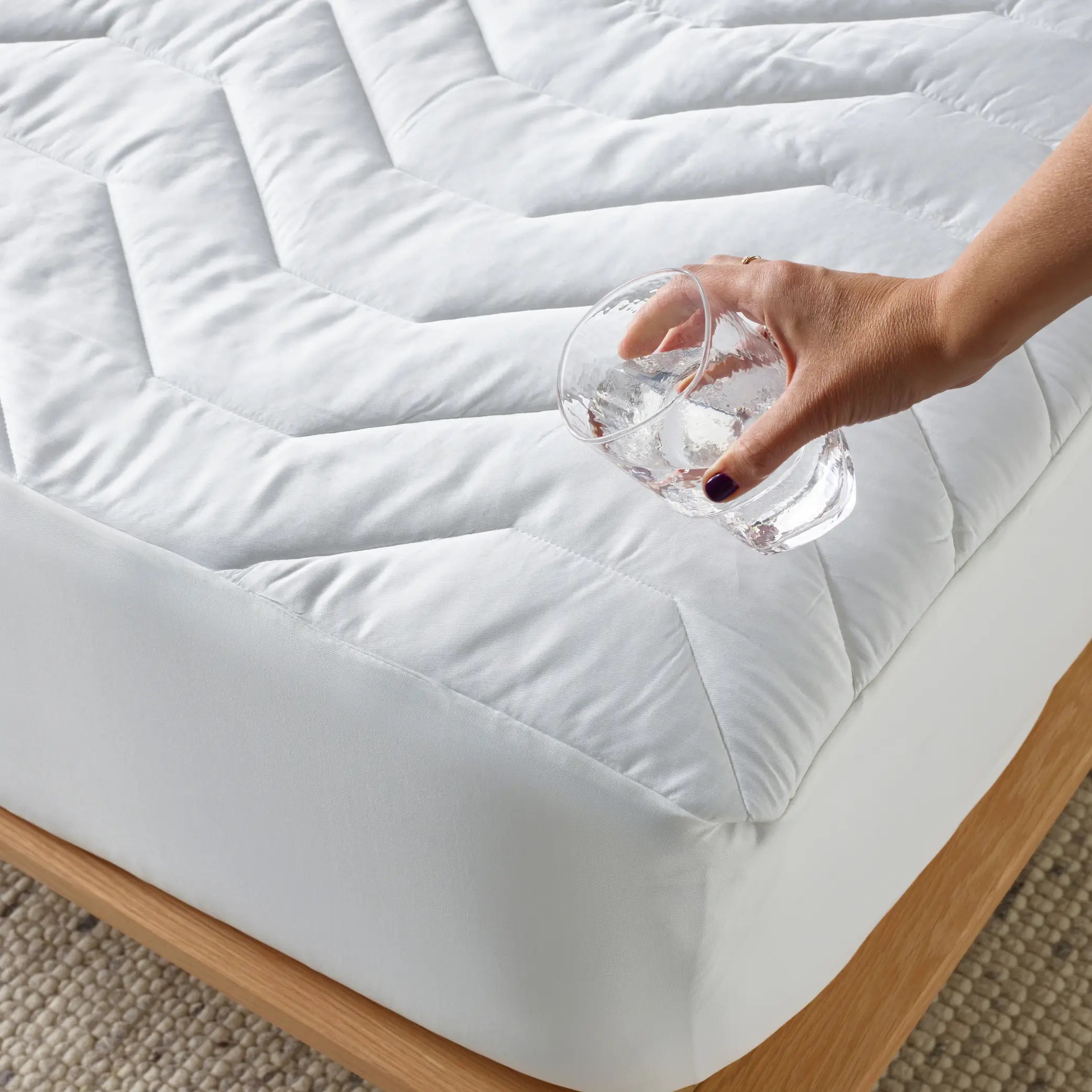
Generally, no. Most protectors are thin enough that they do not interfere with the pressure-relieving qualities of your mattress. However, "quilted" protectors or "mattress pads" that include a layer of fiberfill can slightly alter the feel by adding a touch of surface plushness.
Do I need a mattress protector if I have a waterproof mattress?
Yes. Even if a mattress claims to have a waterproof cover, these covers are often difficult to remove and expensive to replace if they become soiled or damaged. Using a separate, machine-washable protector is much more practical for long-term hygiene and maintenance.
Final Recommendation
For the vast majority of sleepers in 2026, the SafeRest Premium Mattress Protector provides the best balance of liquid protection, noise reduction, and affordability. It is an essential purchase for anyone looking to safeguard their mattress warranty and maintain a hygienic sleeping environment. If you are a particularly hot sleeper, investing the extra capital into the Slumber Cloud Core with Phase Change Material is a worthwhile upgrade to ensure your sleep remains uninterrupted by temperature fluctuations.
Image Gallery