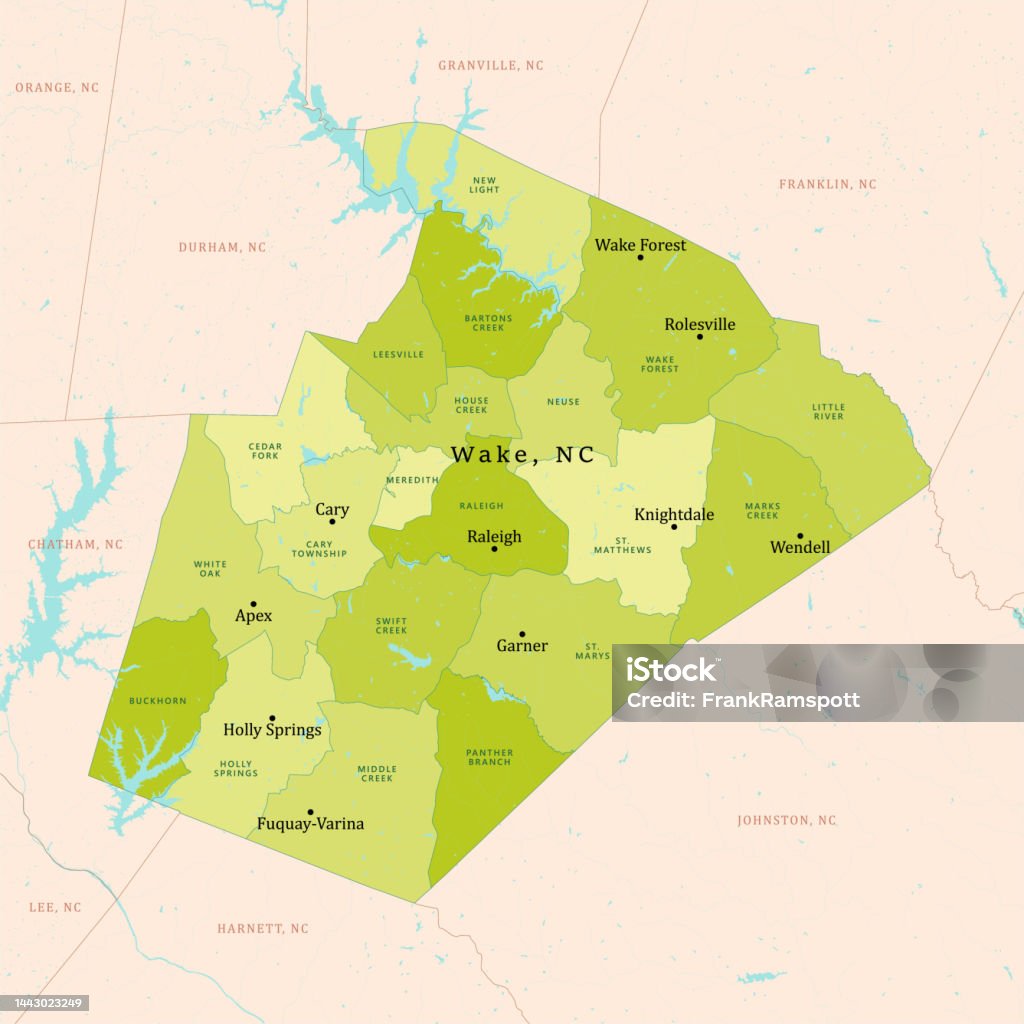
Wake County Register of Deeds Raleigh NC: Complete 2026 Official Guide and Property Records Access
Navigating the real estate, vital statistics, and legal documentation landscape in North Carolina's capital requires a precise understanding of the Wake County Register of Deeds office. Located in downtown Raleigh, NC, this municipal a...
Navigating the real estate, vital statistics, and legal documentation landscape in North Carolina's capital requires a precise understanding of the Wake County Register of Deeds office. Located in downtown Raleigh, NC, this municipal agency acts as the authoritative repository for all local property transactions, marriage licenses, assumed business names, and military discharge papers. For real estate professionals, title examiners, genealogists, and everyday citizens, mastering the operational workflows of this office is vital for executing legally sound transactions in 2026.
Contents
Understanding the Core Functions and Official Location in Raleigh
The Wake County Register of Deeds office manages and preserves the public record integrity of the county. Every deed, deed of trust, lien, satisfaction, subdivision plat, and vital record is indexed and securely archived here. Modernization efforts have streamlined access, blending historic in-person services with robust digital self-service portals.
- Physical Office Address: Wake County Justice and Administration Center, 301 S. McDowell Street, Raleigh, NC 27601.
- Mailing Address: PO Box 1897, Raleigh, NC 27602.
- Standard Operating Hours: Monday through Friday, 8:00 AM to 5:00 PM (excluding official Wake County holidays).
- Primary Contact: Main customer service telephone lines and digital help desks are managed directly through the Wake County government portal.
Visiting the downtown Raleigh location requires navigating security screening at the Justice and Administration Center. Public computer terminals are available on-site, allowing free access to recorded instruments, though official certified copies and record printouts incur statutory fees regulated by North Carolina General Statutes.
Accessing Real Estate Records and Property Deeds Online
The transition from physical paper ledgers to cloud-indexed databases has revolutionized property research in Wake County. The online public search tool allows users to review historical and contemporary land records from any remote terminal.
When conducting title searches or verifying property ownership, users encounter various document types. The following reference table outlines the primary real estate instruments processed by the Wake County Register of Deeds:
| Document Type | Primary Purpose | Legal Implications |
|---|---|---|
| Warranty Deed | Transfers real property ownership with full covenants of title from grantor to grantee. | Guarantees the grantor holds clear title and defends it against third-party claims. |
| Deed of Trust | Secures a real estate loan by pledging the property as collateral to a trustee. | Empowers the lender to initiate foreclosure if the borrower defaults on mortgage terms. |
| Subdivision Plat | Maps out surveyed land tracts, lots, easements, and public rights-of-way. | Establishes legal boundaries and lot configurations required for municipal development. |
| Notice of Lis Pendens | Alerts the public of pending litigation affecting the title of a specific property. | Acts as a cloud on the title, warning potential buyers of active legal disputes. |
| Mechanic's Lien | Files a financial claim against real property by contractors or material suppliers. | Secures unpaid labor or materials, potentially forcing property sale to satisfy debts. |
Step-by-Step Guide to Searching Real Estate Records
Executing a thorough property search via the Wake County online portal or in-person terminals minimizes legal and financial risks. Follow this operational workflow to locate recorded instruments accurately:
- Access the Official Portal: Navigate to the Wake County Register of Deeds official records search page via the county website.
- Select Search Criteria: Choose your search parameters based on known identifiers. You can filter by Grantor/Grantee names, recorded date ranges, book and page numbers, or specific Parcel Identification Numbers (PIN).
- Analyze Document Indexing: Review the search results list, paying close attention to the document type, execution date, recording date, and legal descriptions.
- Inspect Digital Images: Open the scanned PDF image of the instrument to verify signatures, notary acknowledgments, legal property descriptions, and recording stamps.
- Download or Print: Save the document for your files or order certified copies directly if required for legal or financial closing procedures.
Securing Vital Statistics: Birth, Death, and Marriage Records
Beyond real estate, the Register of Deeds office issues certified vital records for events occurring within Wake County. Access rules for these records adhere strictly to North Carolina General Statutes to prevent identity theft and protect personal privacy.
Marriage Licenses
Couples intending to marry in North Carolina must apply for a marriage license through the Register of Deeds office. In 2026, the application process involves completing an online kiosk form prior to arriving at the Raleigh office to expedite processing. Both applicants must present valid government-issued photo identification, social security cards or verified proof of numbers, and appropriate payment for the statutory license fee. Once issued, the license is valid statewide for 60 days.
Birth and Death Certificates
Certified copies of birth and death certificates are available to individuals who can demonstrate a direct legal interest or familial relationship.
- Eligible Requestors: The person named on the certificate, a spouse, sibling, parent, grandparent, child, or legal representative.
- Required Documentation: Valid photo identification and proof of relationship when required by statutory guidelines. Applications can be submitted in person for immediate turnaround or ordered online through authorized county processing vendors.
Modern Technological Advancements and Fraud Prevention Programs
Safeguarding property titles against fraudulent conveyances is a top priority for Wake County officials. The office utilizes advanced security measures and offers free preventative tools for property owners.
- Property Fraud Alert Subscription: Wake County provides a complimentary notification service. Property owners can register their names and parcel identifiers to receive immediate email or text alerts whenever a document is recorded matching their criteria.
- Redacted Personally Identifiable Information: In compliance with privacy laws and cybersecurity standards, online public access portals automatically mask sensitive data elements, such as full Social Security Numbers or banking account digits, on historical and modern instruments.
- E-Recording Integration: Title companies, law firms, and financial institutions leverage electronic recording systems to submit deeds, mortgages, and satisfactions directly into the county database within minutes, drastically reducing processing turnaround times.
Evaluating Pros and Cons of In-Person Versus Online Services
While digital accessibility has streamlined research, choosing between remote database searches and visiting the Raleigh office depends on your specific technical needs.
Online Portal Advantages and Limitations
- Pros: Available 24/7 from any location; instantaneous retrieval of digital document images; elimination of travel and parking expenses in downtown Raleigh.
- Cons: Requires stable internet connectivity; complex multi-party title chains can be difficult to untangle without professional abstractor training; online systems do not provide legal advice or interpretation.
In-Person Visit Advantages and Limitations
- Pros: Direct access to experienced county deputy registers of deeds for navigational assistance; ability to inspect physical vaults or older records not fully digitized; same-day certification of complex historical documents.
- Cons: Subject to standard operating hours, weekday traffic congestion, downtown parking constraints, and security screening wait times.
Frequently Asked Questions
How much does it cost to record a deed in Wake County?
Recording fees are strictly regulated by North Carolina statute, generally calculated based on a flat base fee for the first page plus additional charges for subsequent pages. Excise taxes (stamp taxes) are also assessed on property transfers at a rate of $1 per $500 of value, payable at the time of recording.
Can I perform a title search online for free in Wake County?
Yes, the basic index search and viewing of uncertified digital document images via the Wake County online public records portal are accessible at no charge. Fees apply only when printing official uncertified copies or purchasing certified copies bearing the Register of Deeds seal.
What identification is required to obtain a marriage license in Raleigh?
Both parties must present a valid, government-issued photo ID (such as a driver's license, state ID, or passport), proof of social security numbers (such as a physical card, W-2 form, or tax document), and payment for the fee. If either applicant was previously married, they must know the exact month, year, and county/state of the divorce finalization.
Are military discharge papers (DD-214) publicly accessible?
No. Recorded military discharge documents are strictly confidential under North Carolina law. Certified copies are restricted exclusively to the veteran, authorized family members, or legal representatives possessing notarized authorization.
How do I protect my Raleigh property from deed fraud?
You should enroll in the free Wake County Property Fraud Alert system available through the Register of Deeds website. This service notifies you instantly via email or text whenever any legal document is recorded against your registered name or parcel.
What should I do if I find an error on a recorded property deed?
You cannot simply edit or delete a recorded public record. Correcting an error typically requires drafting, executing, and recording a corrective instrument—such as a corrective deed or a scrivener's affidavit—usually prepared by a licensed North Carolina real estate attorney.
Conclusion and Next Steps
The Wake County Register of Deeds in Raleigh, NC, functions as an indispensable administrative cornerstone for legal, financial, and real estate transactions. Whether you are validating a property title, applying for a marriage license, or safeguarding your family home against fraud, utilizing the official resources provided by the downtown Raleigh office ensures absolute legal compliance. To begin your research, access the Wake County online records portal or schedule an in-person visit to the Justice and Administration Center on S. McDowell Street today.
Image Gallery