Exploring the White House Courtyards: History, Access, and Design
The White House does not feature a single central "courtyard" within the primary residence; instead, the 18-acre estate is defined by two world-renowned ceremonial gardens—the Rose Garden and the Jacqueline Kennedy Garden—and the massi...
The White House does not feature a single central "courtyard" within the primary residence; instead, the 18-acre estate is defined by two world-renowned ceremonial gardens—the Rose Garden and the Jacqueline Kennedy Garden—and the massive internal courtyards of the adjacent Eisenhower Executive Office Building. These spaces serve as the functional "outdoor rooms" of the Executive Mansion, hosting diplomatic arrivals, press conferences, and private presidential reflection.
Contents
The Evolution of the White House Grounds
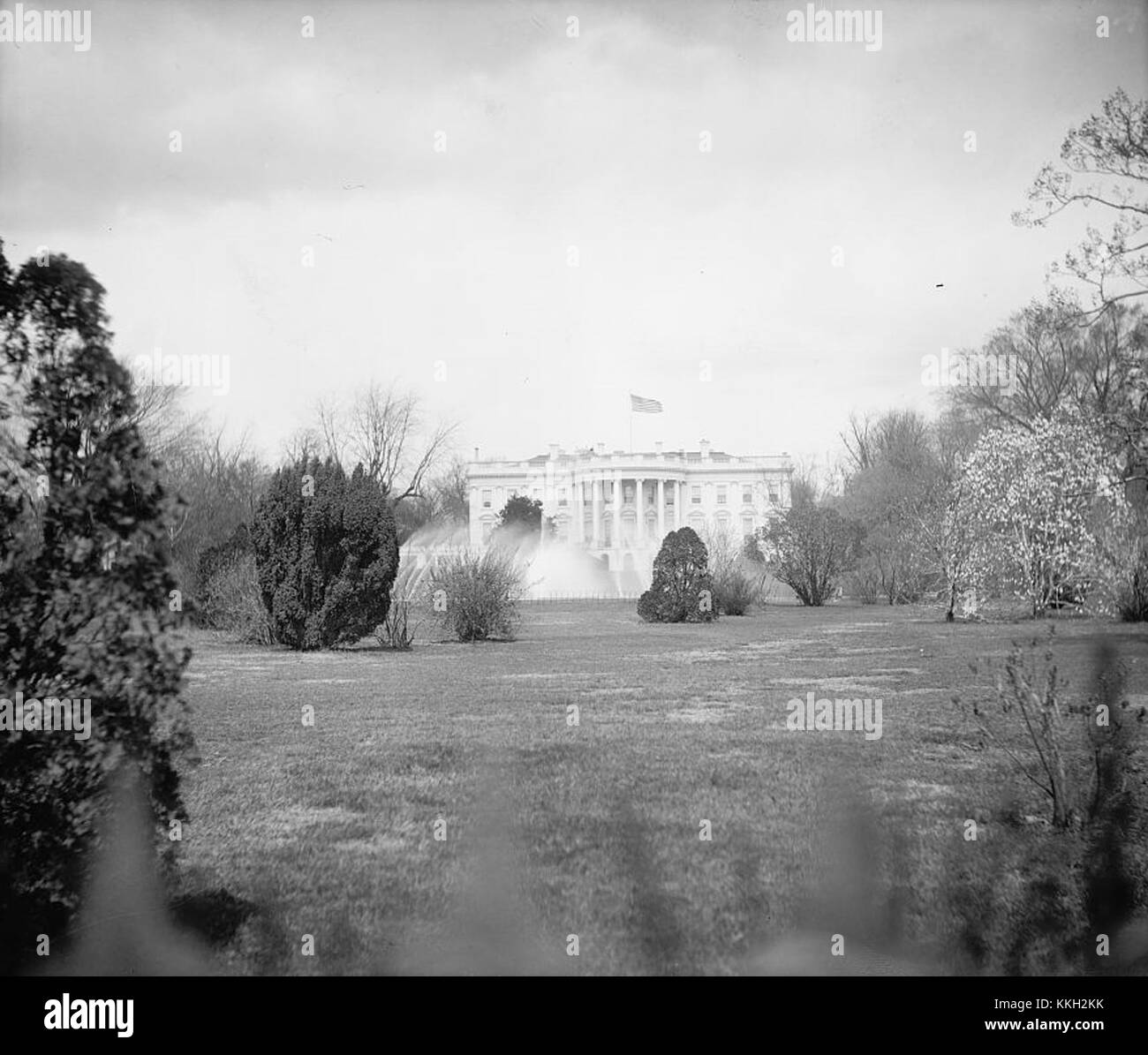
The concept of "courtyards" at the White House has evolved significantly since the cornerstone was laid in 1792. Originally, the landscape was rugged and unfinished. It wasn't until the mid-19th century that formal planning began to take shape, influenced by the neoclassical traditions of European estates. Because the Executive Mansion itself is designed as a standalone rectangular block, the "courtyard" experience is actually created by the relationship between the main building and its sprawling East and West Wings.
In 2026, as the United States celebrates its Semiquincentennial (250th anniversary), these outdoor spaces have never been more central to the national identity. The gardens are managed by the National Park Service (NPS) as part of President’s Park, a designation that ensures these historic landscapes are preserved with the same rigor as the building's interior. The layout we see today—specifically the tension between public visibility and the need for a private "courtyard" atmosphere—is the result of decades of architectural interventions by figures like Pierre L’Enfant, Andrew Jackson Downing, and later, Bunny Mellon.
The West Wing Rose Garden: The Nation's Outdoor Stage
The most famous "courtyard-like" space in the complex is the West Wing Rose Garden. Measuring approximately 125 feet by 60 feet, it functions as a highly controlled, open-air room directly outside the Oval Office. While it has existed in various forms since 1913, the modern iteration was largely defined by the 1962 redesign commissioned by President John F. Kennedy and executed by philanthropist and amateur horticulturist Rachel "Bunny" Mellon.
Mellon’s design transformed the space into a versatile stage for presidential announcements. The garden features a central lawn surrounded by boxwood-bordered beds. In 2020, a significant restoration was undertaken to return the garden to a layout more closely aligned with Mellon’s original vision while improving infrastructure, including drainage and ADA accessibility. By 2026, the plantings have matured significantly, offering a lush, structured backdrop that balances the weight of the West Wing’s limestone with soft, seasonal color.
The Rose Garden serves several primary functions:
- Diplomatic Ceremonies: Welcoming foreign heads of state with military honors.
- Policy Announcements: Providing a symbolic "outdoor office" for the signing of legislation or executive orders.
- Press Briefings: Serving as an alternative to the James S. Brady Press Briefing Room during pleasant weather.
The Jacqueline Kennedy Garden: The East Wing’s Elegant Retreat
Mirroring the Rose Garden on the opposite side of the residence is the Jacqueline Kennedy Garden, often referred to as the East Garden. While the Rose Garden is the site of public business, the East Garden has traditionally served as a more private space for the First Lady and her guests.
The garden was named in honor of Jacqueline Kennedy in 1965, recognizing her efforts to restore the White House interior and grounds. Architecturally, it serves as a "courtyard" for the East Wing, which houses the First Lady's offices and the social secretary’s staff. The design is less formal than the Rose Garden, featuring a variety of seasonal flowers, ornamental trees, and a more intimate seating arrangement.
Historically, this area was used by Lady Bird Johnson to showcase American sculpture and by subsequent administrations to host social events, teas, and garden parties. The East Garden provides a critical visual buffer between the high-traffic public tour entrance in the East Wing and the private residence, effectively acting as a sanctuary within the urban landscape of Washington, D.C.
The Eisenhower Executive Office Building (EEOB) Courtyards
When researchers or tourists search for a "White House courtyard," they are often actually looking for the massive courtyards of the Eisenhower Executive Office Building (EEOB). Located directly west of the White House and separated only by West Executive Avenue, the EEOB is an integral part of the White House complex.
Unlike the White House, which is a neoclassical mansion, the EEOB is a French Second Empire masterpiece featuring two massive internal courtyards. These courtyards—the North and South Courtyards—are architectural marvels of the 19th century. They were designed to provide light and ventilation to the hundreds of offices within what was then the world's largest office building.
Today, these courtyards are used for:
- Staff Events: Large-scale gatherings for the Executive Office of the President.
- Security Staging: Logistical support for the Secret Service and White House Military Office.
- Filming and Photography: The dramatic granite facades and cast-iron details provide a historic backdrop for official media.
The EEOB courtyards represent the "industrial" side of the White House operations, contrasting the ceremonial beauty of the Rose Garden with the functional, grand-scale architecture of the Victorian era.
Technical Specifications and Management
The maintenance of the White House gardens and courtyard areas is a complex technical operation. Because the grounds are technically a national park, the National Park Service (NPS) employs a dedicated team of horticulturalists and arborists who work in tandem with the White House Chief Usher.
Soil and Drainage Systems
One of the most significant challenges in maintaining a "courtyard" environment in the mid-Atlantic climate is drainage. The 2020 Rose Garden renovation addressed this by installing modern subterranean drainage systems to prevent the "pooling" that had plagued the site for decades. This ensures the turf remains resilient even after heavy Washington thunderstorms, allowing for events to proceed with minimal delay.
Botanical Selection
The selection of plants is both a matter of aesthetics and history. The gardens typically feature:
- Boxwoods: Providing the year-round structural "walls" of the garden.
- Katharine Merritt Roses: A staple of the Rose Garden.
- Saucer Magnolias: Famous for their early spring blooms, originally planted under the direction of the Kennedy administration.
- Seasonal Annuals: Tulips in the spring and chrysanthemums in the fall provide a rotating color palette.
Comparative Overview: White House Outdoor Spaces
The following table compares the primary "courtyard" and garden spaces within the White House complex as they stand in 2026.
| Feature | The Rose Garden | The Jacqueline Kennedy Garden | EEOB Courtyards |
|---|---|---|---|
| Location | West Wing (Adjacent to Oval Office) | East Wing (Adjacent to East Colonnade) | 17th St & Pennsylvania Ave |
| Primary Use | Ceremonial & Presidential Events | Social & First Lady Events | Staff Logistics & Ceremonies |
| Public Visibility | High (Television/Press) | Moderate (East Wing Tour Path) | Low (Interior of building) |
| Design Style | Formal Neoclassical | Transitional/Intimate | French Second Empire |
| Managed By | NPS / White House Grounds Crew | NPS / White House Grounds Crew | GSA / White House Military Office |
| Key Plantings | Roses, Boxwood, Crabapples | Seasonal Flora, Linden Trees | None (Stone Paving) |
Public Access and the 2026 Garden Tours
Direct public access to the White House gardens and courtyard areas is highly restricted for security reasons. However, there are specific windows where the public can experience these spaces firsthand.
The Spring and Fall Garden Tours
Twice a year—typically in April and October—the White House opens its grounds for "Garden Tours." These events allow visitors to walk through the Rose Garden, the Jacqueline Kennedy Garden, and the South Lawn. In 2026, due to the Semiquincentennial celebrations, these tours are expected to feature enhanced historical exhibits detailing the evolution of the landscape over 250 years.
Requirements for Attendance:
- Tickets: Distributed by the National Park Service on a first-come, first-served basis at the White House Visitor Center on the morning of the tours.
- Security: All guests must undergo a screening process similar to the standard White House tour.
- Timing: Tours are usually held on Saturday and Sunday, weather permitting.
Viewing from the Perimeter
For those unable to secure tour tickets, the North and South Lawns provide the best perspective of how the "courtyard" layout of the wings frames the Executive Residence. The North Fence along Pennsylvania Avenue offers a clear view of the North Portico, while the Ellipse provides the iconic view of the South Portico and the expansive lawn where the Marine One helicopter lands.
Common Misconceptions About White House Courtyards
1. Is there an "internal" courtyard inside the White House building? Architecturally, the White House does not have a central void or courtyard. It is a solid rectangular structure. However, there are small internal "lightwells" that were part of the original 1792 design to help light the center of the building before the advent of electricity. These are purely functional and not accessible for leisure.
2. Can you eat lunch in the Rose Garden? The Rose Garden is not a public park for casual use. It is a working office space for the President. While staffers may occasionally move through it, it is treated with the same decorum as a formal room inside the mansion.
3. Are the gardens original to 1800? No. While the land has always been part of the President's Park, the specific layouts of the Rose and East Gardens are 20th-century creations. The landscape is a "living museum" that has been redesigned by various administrations to suit the needs of the time.
FAQs
Can I visit the White House Rose Garden today?
Standard White House tours generally move through the East Wing, the Residence, and the State Floor, but they do not typically allow visitors to walk through the Rose Garden. To visit the garden specifically, you must attend the semi-annual Spring or Fall Garden Tours, which are announced by the White House and the National Park Service a few weeks in advance.
Who maintains the gardens in 2026?
The National Park Service (NPS) remains the primary agency responsible for the grounds. They employ professional horticulturalists who work closely with the First Family's staff to ensure the gardens reflect both the historical standards of the NPS and the personal preferences of the current administration.
Is the Rose Garden different now than it was in the 1960s?
Yes. While the "Mellon Layout" remains the foundation, the 2020 renovation replaced the aging crabapple trees with a more resilient variety (Juliette Roses and various boxwoods) and added limestone walkways to make the space more durable for heavy camera equipment and high-traffic events.
Are there any water features in the White House courtyards?
There is a notable fountain on the North Lawn and another on the South Lawn, but the Rose Garden and Jacqueline Kennedy Garden do not currently feature permanent fountains. Their design focuses on floral displays and turf rather than water features.
How do I get tickets for the 2026 Garden Tours?
Tickets are free and are typically distributed on the day of the event at the White House Visitor Center (1450 Pennsylvania Ave NW). It is recommended to arrive very early, as these tickets are limited and in high demand, especially during the 2026 anniversary year.
Practical Recommendation for Visitors
If you are planning to view the White House gardens or courtyards in 2026, your first step should be to monitor the official National Park Service "President’s Park" website for Garden Tour announcements. Because these dates are subject to the President's schedule and weather conditions, they are often announced with less than a month's lead time. If you cannot attend a formal tour, visiting the White House Visitor Center provides an excellent high-definition virtual tour of the gardens, including historical footage of their evolution and 3D models of the EEOB courtyards.
Image Gallery