Ken Block Net Worth vs. Travis Pastrana: A Comparative Analysis of Extreme Sports Legacies
As of 2026, the financial legacies of Ken Block and Travis Pastrana represent two of the most successful blueprints in the history of action sports. While Ken Block’s estate is valued at approximately $100 million to $200 million, Trav...
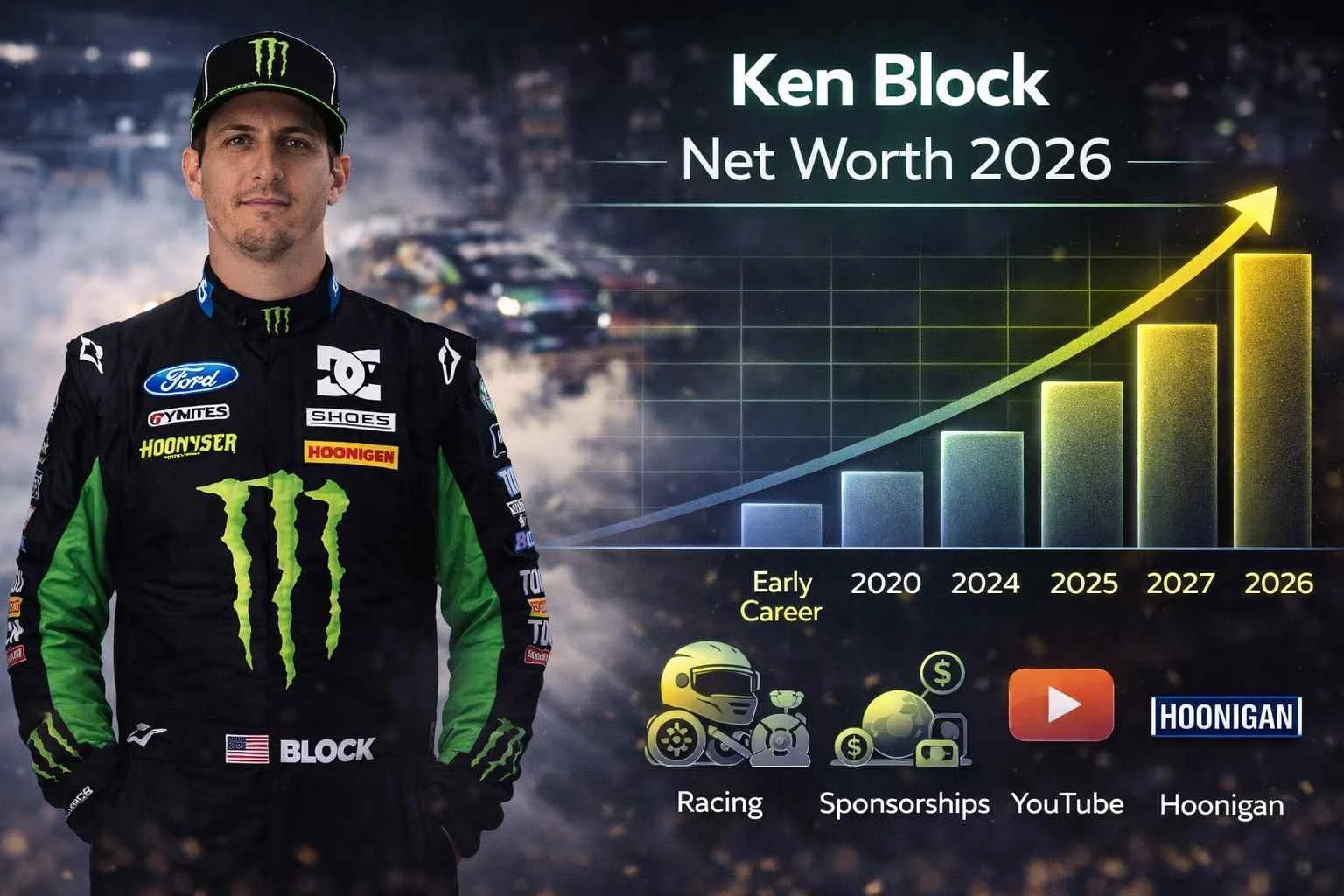
As of 2026, the financial legacies of Ken Block and Travis Pastrana represent two of the most successful blueprints in the history of action sports. While Ken Block’s estate is valued at approximately $100 million to $200 million, Travis Pastrana maintains a net worth estimated at $25 million to $30 million, reflecting their different approaches to brand ownership versus athletic performance and media production.
Contents
The intersection of extreme sports and massive commercial success finds its most prominent examples in Ken Block and Travis Pastrana. Both men transitioned from elite-level competition into global brand icons, but their paths to wealth followed distinct trajectories. Block was primarily an entrepreneur who used racing to market his businesses, whereas Pastrana is an athlete-performer who leveraged his versatility to build a media powerhouse.
The Entrepreneurial Powerhouse: Ken Block’s Financial Legacy
Ken Block’s net worth was built on a foundation of "brand first, racing second." Long before he became a household name in the World Rally Championship or the creator of the viral Gymkhana series, Block was a titan of the apparel industry. His ability to identify market gaps in youth culture allowed him to amass a fortune that far exceeded the typical earnings of a professional driver.
DC Shoes: The Foundation of a Fortune
In 1994, Ken Block co-founded DC Shoes alongside Damon Way. At the time, the skateboarding footwear market lacked technical performance shoes that also appealed to the aesthetic of the "street" subculture. By the early 2000s, DC Shoes had become a global phenomenon, expanding from skate shoes into snowboarding and general lifestyle apparel.
The pivotal moment for Block’s net worth occurred in 2004 when Quiksilver acquired DC Shoes for approximately $87 million in a combination of cash and stock. This exit provided Block with the liquid capital necessary to pursue rally racing and, more importantly, to fund the early stages of his next venture, which would eventually become Hoonigan.
Hoonigan Industries and the Brand Valuation Shift
Following the sale of DC Shoes, Block founded the Hoonigan Racing Division (originally Monster World Rally Team). Unlike traditional racing teams that rely solely on external sponsors, Hoonigan was built as a lifestyle brand. It sold apparel, automotive parts, and media content directly to a devoted fanbase.
By the early 2020s, Hoonigan had merged with Wheel Pros, backed by Clearlake Capital. However, from the perspective of 2026, it is important to note that the automotive aftermarket landscape shifted significantly after the 2024 bankruptcy filing and subsequent restructuring of the Hoonigan parent company. While this restructuring impacted the commercial valuation of the brand, the licensing and intellectual property associated with Block’s name remained high-value assets for his estate.
Gymkhana and Digital Revenue Streams
The Gymkhana video series was arguably Block’s most successful marketing tool. By treating automotive stunts as high-production cinema, Block bypassed traditional sports broadcasting.
- YouTube Revenue: With hundreds of millions of views, the ad-sense revenue alone was substantial.
- Sponsorship Integration: Partnerships with Ford, Audi, Monster Energy, and Toyo Tires were valued in the multi-million dollar range annually.
- Merchandise Tie-ins: Each video release was accompanied by a "drop" of limited-edition apparel, creating a high-margin revenue stream that traditional athletes rarely capture.
The Multi-Disciplinary Icon: Travis Pastrana’s Earnings and Ventures
Travis Pastrana’s wealth, while lower in total valuation than Block’s, is a testament to his longevity and his role as the face of action sports. Pastrana’s financial strategy has been built on being the world’s most versatile "stuntman-athlete," moving seamlessly between motocross, rally racing, NASCAR, and offshore powerboat racing.
Nitro Circus: From DVDs to a Global Media Empire
The primary driver of Pastrana’s net worth is Nitro Circus. What began as a series of backyard DVDs in the early 2000s evolved into a global touring act, a television series on MTV, and eventually a full-scale media production house.
Pastrana’s role in Nitro Circus was both as a creator and a lead performer. In 2020, Nitro Circus became part of Thrill One Sports & Entertainment, a conglomerate that was later acquired for an estimated $300 million by Fiume Capital and Juggernaut Capital Partners. While Pastrana was not the sole owner, his equity stake in the brand and his ongoing "talent" contracts for live tours represent a significant portion of his $30 million valuation.
Professional Racing Contracts and Sponsorships
Unlike Block, who often funded his own teams through his companies, Pastrana has frequently operated as a "hired gun" for major factory teams.
- Subaru Motorsports USA: Pastrana has had a long-standing, lucrative relationship with Subaru, serving as their premier driver in the American Rally Association (ARA).
- Red Bull Sponsorship: As one of the longest-tenured Red Bull athletes, Pastrana receives a high six-figure or low seven-figure annual retainer, plus performance bonuses.
- Endorsements: His portfolio includes brands like Alpinestars, Bell Helmets, and Yokohama, which provide steady income independent of competition results.
Comparative Financial Metrics: Block vs. Pastrana
To understand the disparity in their net worths, one must look at the nature of their assets. Block’s wealth was primarily "equity-based" (owning the companies), while Pastrana’s wealth is "income-based" (earning from performances and minority stakes).
| Feature | Ken Block (Estate 2026) | Travis Pastrana (2026) |
|---|---|---|
| Estimated Net Worth | $100M - $200M | $25M - $30M |
| Primary Wealth Driver | Sale of DC Shoes / Hoonigan Ownership | Nitro Circus Equity / Sponsorships |
| Business Model | Entrepreneurial (Owner-Operator) | Media/Athletic (Performer-Partner) |
| Racing Earnings | Largely self-funded/Sponsored | Factory Driver Contracts |
| Key Brand Association | Hoonigan, Ford, Audi, DC Shoes | Nitro Circus, Subaru, Red Bull |
| Media Strategy | High-production YouTube (Gymkhana) | Live Tours and Reality TV |
The Impact of Brand Ownership on Net Worth
The significant gap between Block and Pastrana’s net worth highlights a fundamental rule in the business of sports: ownership creates more wealth than performance.
Ken Block’s decision to co-found DC Shoes in the 1990s gave him an "exit event" (the sale to Quiksilver) that most athletes never experience. Even if Travis Pastrana won every race he entered, the salary of a rally driver or motocross rider has a ceiling. By owning the brand (Hoonigan) and the distribution channel (YouTube), Block captured the profit margins that usually go to agencies and networks.
Travis Pastrana, conversely, took the path of the "ultimate influencer." While he helped build Nitro Circus, his wealth was tied to the growth of a collective rather than a personal apparel empire. His value is tied to his physical ability to perform, which carries higher risk, whereas Block’s value was increasingly tied to his intellectual property.
Future Outlook and Estate Management in 2026
As of 2026, the management of Ken Block’s estate continues to focus on the preservation of his "Hoonigan" legacy and the professional development of his daughter, Lia Block, who has emerged as a formidable driver in her own right (competing in F1 Academy and rally). The estate continues to generate income through licensing deals and the sale of legacy merchandise.
Travis Pastrana remains active in 2026, though his focus has shifted more toward mentoring the next generation of Nitro Circus athletes and managing the "Pastranaland" training facility. His net worth is expected to remain stable or grow slowly as he moves into more executive and production roles within the Thrill One organization.
Frequently Asked Questions
Did Ken Block or Travis Pastrana make more money from rally racing?
Travis Pastrana likely earned more in direct "salary" or "contract fees" as a factory driver for Subaru. Ken Block’s rally career was often a marketing expense for his brands (DC Shoes and Hoonigan), though he secured massive sponsorships from Monster Energy and Ford to offset those costs.
How much did Ken Block make from the sale of DC Shoes?
The total acquisition price was approximately $87 million in 2004. As one of the primary co-founders, Block’s share was estimated to be in the tens of millions, which served as the seed money for his future automotive ventures.
Is Nitro Circus still a major source of income for Pastrana?
Yes. Despite the various acquisitions of its parent companies, Pastrana remains a central figure. His income from Nitro Circus comes from a combination of appearance fees, executive producer credits, and his remaining equity stake within the Thrill One Sports & Entertainment structure.
How did Ken Block’s death impact his net worth?
Upon his passing in January 2023, his assets moved into a family trust. In 2026, the valuation of his estate remains high due to the continued marketability of his name and the Gymkhana brand, though the specific valuation of Hoonigan Industries fluctuated following the 2024 restructuring.
Who has more followers, Ken Block or Travis Pastrana?
Historically, both maintained similar digital footprints, with each having over 7 million followers on Instagram. However, Ken Block’s YouTube presence was significantly larger in terms of total views, which translated into higher direct digital revenue.
Final Practical Takeaway
For those analyzing the business of extreme sports, the comparison between Ken Block and Travis Pastrana illustrates two different versions of the "American Dream." If your goal is maximum wealth accumulation, the Block Model—founding and selling scalable companies—is the most effective. If your goal is career longevity and becoming a cultural icon, the Pastrana Model—diversifying skills and building a media-touring empire—provides a sustainable and highly prestigious path. Both men, however, prove that in 2026, the most valuable asset in sports is not a trophy, but a recognizable and authentic brand.
Image Gallery