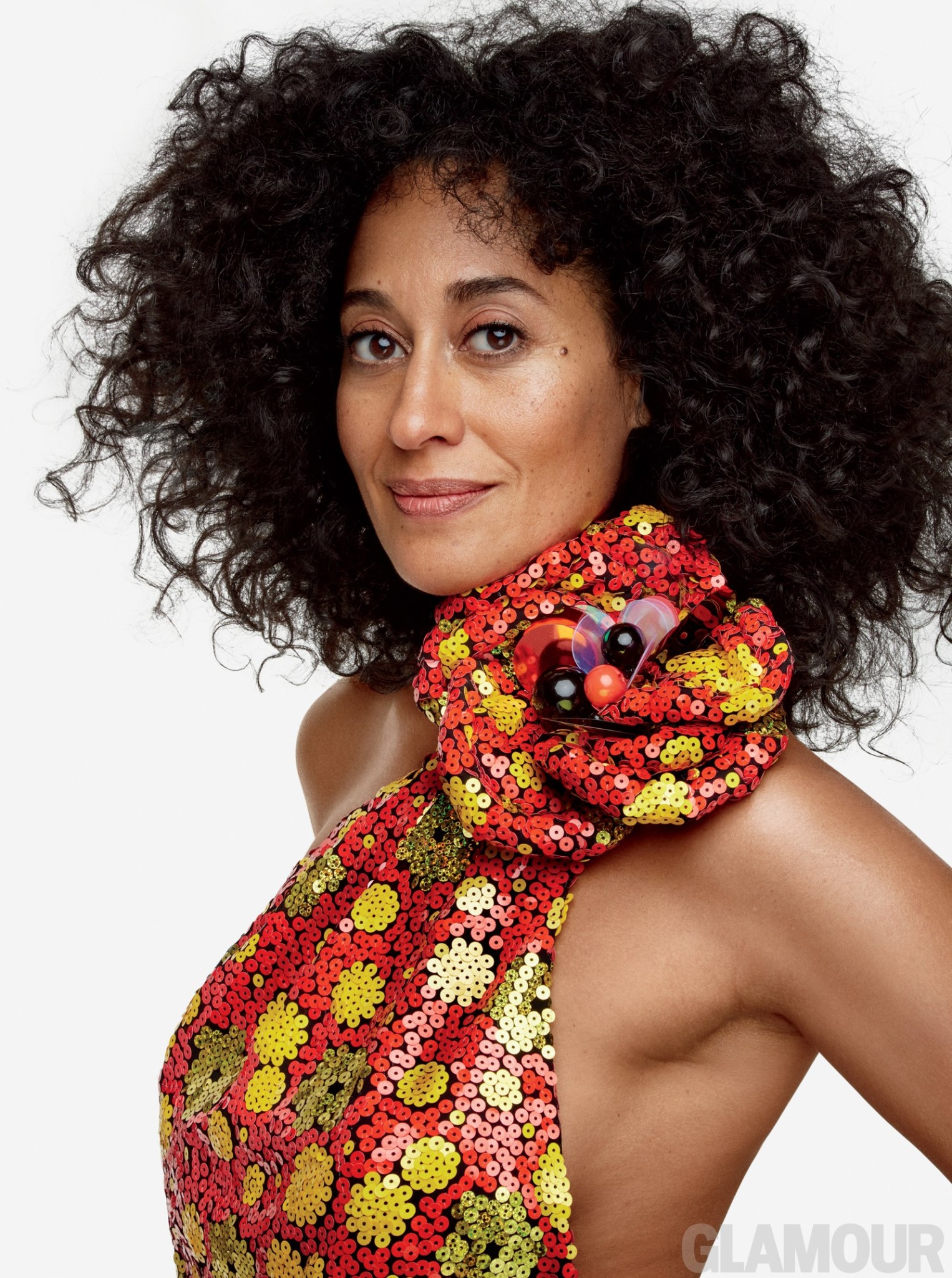
The Evolution of Tracee Ellis Ross: A Career in Modeling and Style Advocacy
Tracee Ellis Ross, while primarily recognized as an Emmy-nominated actress and television producer, has maintained a parallel and influential career in modeling that spans over three decades. Her work in the fashion industry is defined...
Tracee Ellis Ross, while primarily recognized as an Emmy-nominated actress and television producer, has maintained a parallel and influential career in modeling that spans over three decades. Her work in the fashion industry is defined by her distinct sartorial identity, collaborations with high-end luxury brands, and her role as an advocate for body positivity, aging with grace, and the professional evolution of Black women in the commercial and editorial space.
Contents
The Foundations of a Fashion Identity
Long before her breakout roles on Girlfriends or black-ish, Tracee Ellis Ross was already navigating the intersections of fashion and performance. Born to music icon Diana Ross, she was exposed to the high-stakes world of haute couture and stage presentation from an early age. However, her entry into the professional modeling landscape was not an overnight transition but rather a deliberate integration of her public persona and her personal taste.
In the 1990s and early 2000s, Ross began appearing in editorial layouts and commercial campaigns, utilizing her background in theater and performance to bring a unique, dynamic quality to still photography. Unlike traditional fashion models who were often instructed to adopt a stoic, detached expression, Ross brought an infectious, expressive energy to the lens. This approach allowed her to transition seamlessly between high-fashion editorial work and accessible commercial modeling, establishing her as a versatile face for major brands.
Milestones in Editorial and Commercial Modeling
Tracee Ellis Ross’s modeling trajectory is best understood through the lens of her long-term relationships with beauty and apparel brands. She has consistently challenged traditional industry standards that favor youth and conformity. By the mid-2010s, her influence in the fashion space had shifted from general appearances to high-profile partnerships.
Key Brand Partnerships and Impact
Ross has served as a global ambassador for major beauty entities, most notably L’Oréal Paris. Her role here was not merely that of a spokesperson but of an active participant in diversifying the brand’s image. She successfully communicated the necessity of diverse representation, particularly in skincare and hair care products, by centering her own experience with natural hair textures and skin health.
In the realm of apparel, her collaboration with JCPenney, which launched in 2017, represented a significant moment in accessible fashion. This collection allowed her to apply her personal aesthetic—bold, colorful, and structurally adventurous—to a mass-market audience. This was a form of modeling and design influence that empowered a broader demographic to engage with "high-style" silhouettes at an attainable price point.
Comparative Analysis of Ross’s Modeling Phases
| Phase | Focus Area | Industry Impact | Primary Goal |
|---|---|---|---|
| Early Career (1990s) | Editorial Photography | Established presence in fashion circles | Exposure and brand association |
| Growth Phase (2000s) | Brand Ambassadorship | Diversification of commercial standards | Increasing representation for women of color |
| Mature Phase (2015-Present) | Creative Direction/Design | Redefining aging and style identity | Democratizing high-fashion aesthetics |
The Mechanics of Style Advocacy
For Tracee Ellis Ross, modeling is an extension of advocacy. She has frequently spoken about the "right to be seen" in a way that respects one's own evolution. In the modern era, particularly leading into 2026, her modeling work is characterized by an refusal to conform to age-appropriate tropes.
She effectively uses her platform to address the technical aspects of styling, such as the importance of tailoring, the usage of structural silhouettes, and the inclusion of diverse body types in fashion media. Her work with designers like Pyer Moss and various luxury houses has demonstrated that mature women do not need to settle for muted palettes or "invisible" styles. Instead, she treats the act of modeling as a form of cultural labor, where the goal is to expand the boundaries of who is considered a "fashion icon."
Requirements and Standards in Modern Fashion Modeling
For those looking at Ross’s career as a benchmark for professional success, it is important to understand the technical requirements of the field. Modeling today is rarely about being a static canvas for clothes. It requires:
- Personal Branding: Developing a coherent visual language that resonates with both legacy luxury houses and modern, digitally native consumers.
- Multidisciplinary Skill Sets: Modern models must be able to curate, style, and market their image across multiple platforms, including high-budget ad campaigns and organic social media interaction.
- Creative Agency: Maintaining control over one's image. Ross’s success is largely attributed to her ability to decline projects that do not align with her personal ethics or aesthetic vision.
- Industry Networking: Sustaining long-term relationships with creative directors, photographers, and stylists who trust the model’s input.
Navigating Challenges in the Industry
Despite her success, the path of a multi-hyphenate model-actress is fraught with systemic hurdles. For much of her early career, Ross operated in an environment where Black women were often siloed into specific "categories" within fashion. She has navigated these limitations by leveraging her acting fame to gain leverage in the fashion industry, ultimately forcing doors open for others to follow.
One common misconception is that modeling for a celebrity is inherently "easier" than for a traditional model. In reality, the pressure to maintain a high-fashion relevance while juggling film and television production schedules is immense. Ross’s career proves that longevity in modeling requires a constant willingness to pivot—from the print campaigns of the 90s to the integrated social media-driven fashion marketing of 2026.
Frequently Asked Questions
How does Tracee Ellis Ross maintain her relevance in the fashion industry? She maintains relevance by staying authentic to her personal style—characterized by bold colors and architectural silhouettes—while collaborating with designers who value creative input. She does not chase trends but rather interprets them through her established aesthetic lens.
Did Tracee Ellis Ross start her career as a model? While her initial professional career was rooted in the performing arts and theater, she integrated modeling into her work early on. She utilized her background in performance to elevate her modeling, ensuring that her work in front of the camera was always expressive and intentional.
What is the significance of her work with accessible fashion brands? Her collaborations with mass-market retailers have been crucial in democratizing high fashion. By applying the same styling rigor to affordable pieces that she applies to couture, she empowers her audience to define their own style regardless of their budget.
How has she influenced diversity in the beauty industry? Through her long-standing partnership with L’Oréal Paris and other beauty brands, she has been a vocal proponent for diverse casting. She has consistently pushed for the inclusion of varied skin tones and hair textures, moving them from niche categories to the forefront of mainstream beauty campaigns.
What advice can be drawn from her career for aspiring models? The primary lesson from her career is the necessity of building a distinct personal brand that exists independently of a specific job or contract. Success in this field requires treating your personal style as a creative portfolio that you control and protect.
Conclusion and Future Actions
Tracee Ellis Ross’s modeling career serves as a masterclass in professional reinvention and consistency. For those seeking to replicate her path or simply understand the landscape of modern modeling, the key takeaway is that fashion is not merely about the clothes; it is about the story you tell through them.
If you are interested in the evolution of fashion and beauty standards, observe the current campaigns that center on individuality and age-inclusivity. Support designers and brands that actively prioritize the diverse representation that Ross has spent her career advocating for. Engaging with fashion as an intentional, personal expression—rather than a passive consumption of trends—remains the most effective way to emulate the impact of her professional journey.
Image Gallery