I've Never Been to Spain: Waylon Jennings and the Dawn of Outlaw Country
Waylon Jennings released his cover of "Never Been to Spain" on the 1972 album Ladies Love Outlaws. Written by Hoyt Axton, the song became a cornerstone of Jennings' transition from the Nashville Sound to the rebellious Outlaw Country m...
Waylon Jennings released his cover of "Never Been to Spain" on the 1972 album Ladies Love Outlaws. Written by Hoyt Axton, the song became a cornerstone of Jennings' transition from the Nashville Sound to the rebellious Outlaw Country movement. His version is celebrated for its gritty, blues-infused delivery and stripped-down production.
Contents
The Origins of "Never Been to Spain"
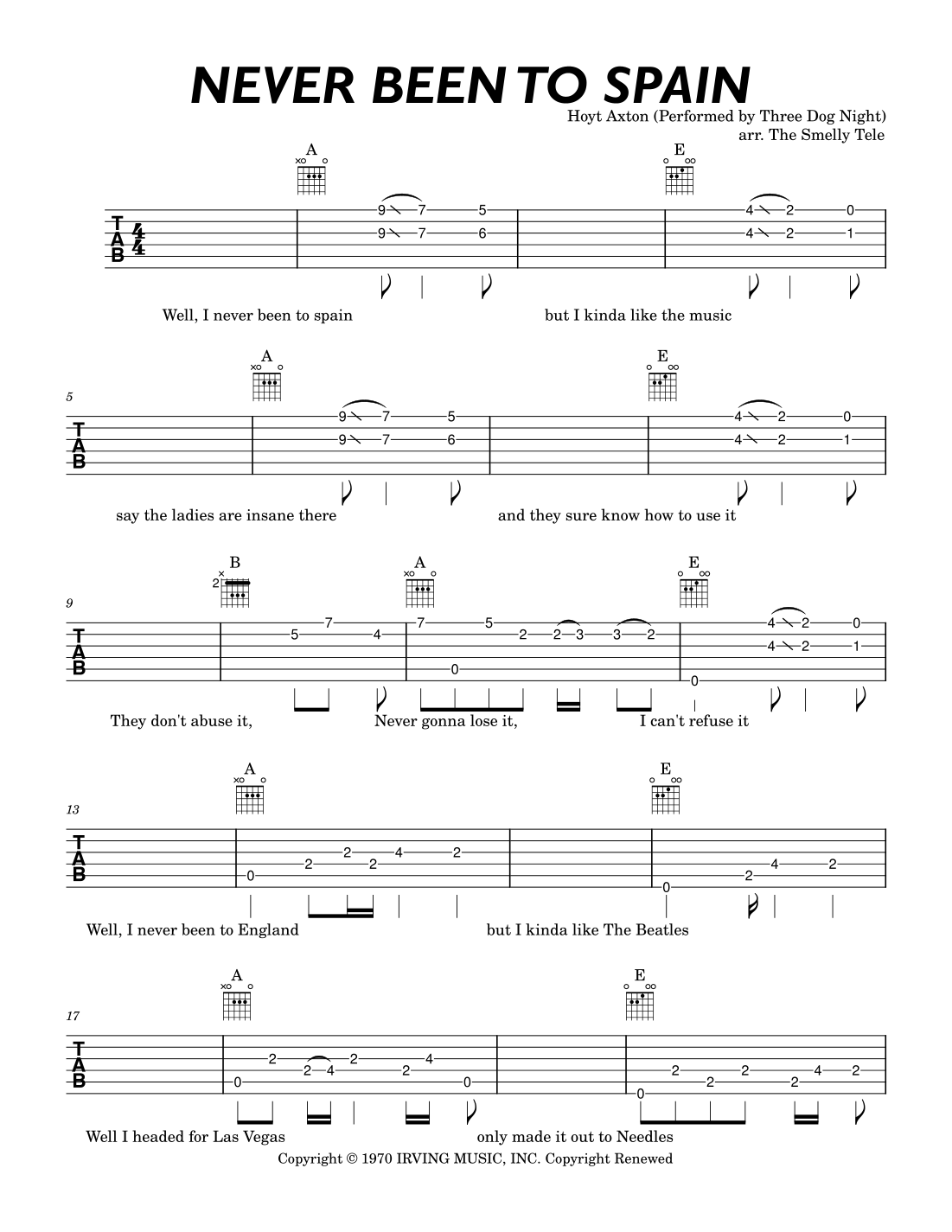
To understand the significance of Waylon Jennings' rendition of "Never Been to Spain," one must first look at the song's architect, Hoyt Axton. Axton was a prolific songwriter whose work bridged the gaps between folk, country, and rock. While many know him for "Joy to the World" (famously performed by Three Dog Night), "Never Been to Spain" is arguably his most atmospheric and evocative composition.
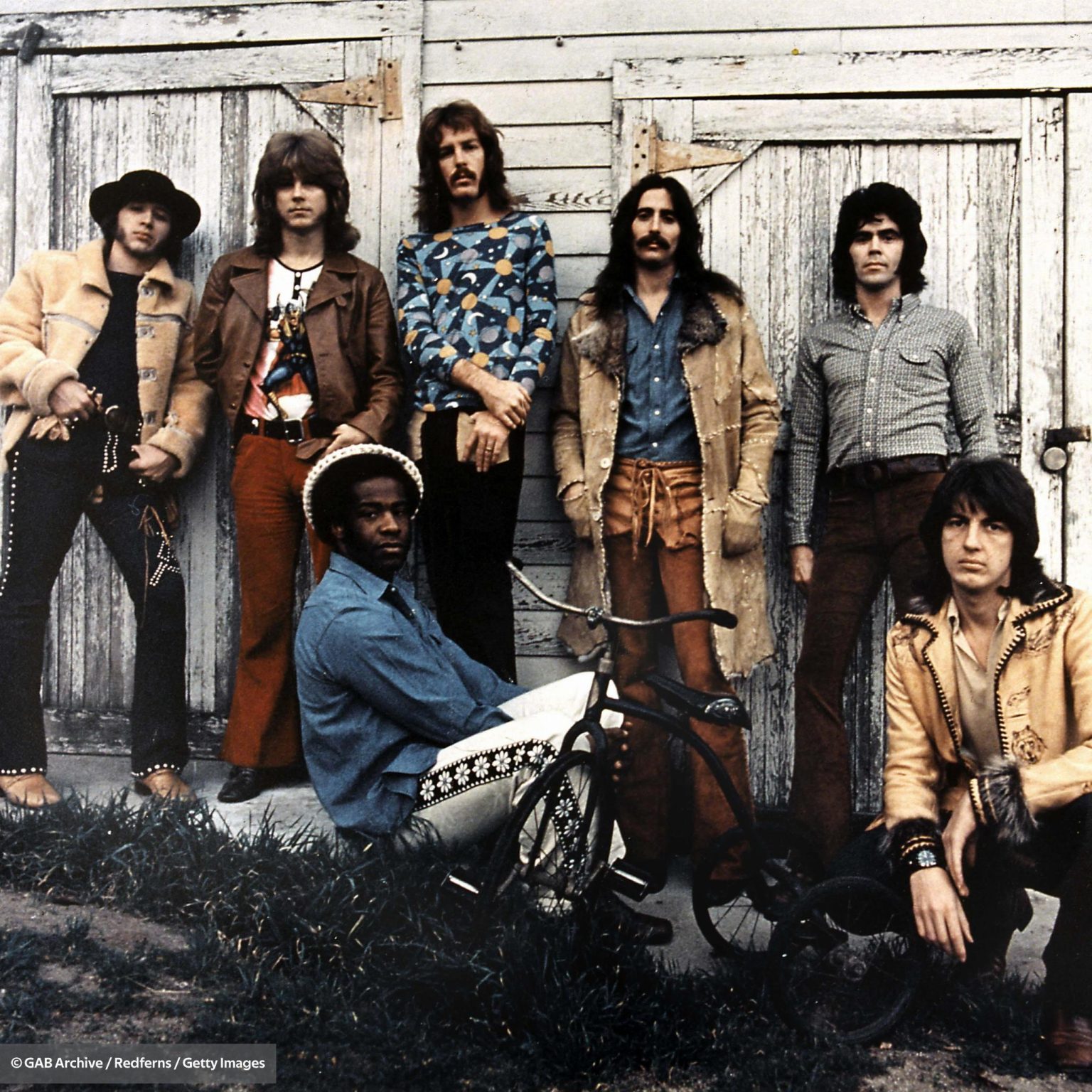
The song was first propelled into the international spotlight by Three Dog Night in 1971. Their version reached number five on the Billboard Hot 100, characterized by a soulful, high-energy rock arrangement. However, when Waylon Jennings tackled the track just a year later, he stripped away the pop-rock polish. He replaced the booming brass and frantic energy with a steady, rhythmic pulse and his signature baritone growl.
By 2026, music historians view this specific recording as a vital data point in the evolution of American music. It represents the moment when country music stopped trying to imitate the "Nashville Sound"—a production style defined by lush strings and background choirs—and started embracing the raw, unvarnished honesty of rock and roll.
The Ladies Love Outlaws Era (1972)
In 1972, Waylon Jennings was at a crossroads. He was frustrated by the restrictive recording contracts of the era, which gave producers almost total control over song selection and arrangements. The album Ladies Love Outlaws was recorded during this period of high tension.
A Departure from the Nashville Sound
Produced primarily by Danny Davis (with significant influence from Jennings himself), the album signaled a shift. While it wasn't yet the full-blown "Outlaw" rebellion that would define the mid-70s, "Never Been to Spain" served as a stylistic bridge. Jennings’ decision to record a contemporary rock hit was a statement of intent. He wasn't just a "country" singer; he was a stylist capable of interpreting any genre through his own rugged lens.
The Influence of Tompall Glaser
During this timeframe, Jennings began spending more time at "Hillbilly Central," the independent studio owned by Tompall Glaser. This environment encouraged experimentation. The version of "Never Been to Spain" found on the album reflects this burgeoning independence. It features a prominent bass line and a drum pocket that feels more aligned with the "swamp rock" of the era than the polite "boom-chicka-boom" rhythms of traditional country.
Lyrical Analysis and Waylon's Interpretation
The lyrics of "Never Been to Spain" are famously cryptic yet relatable. They describe a narrator who has traveled extensively—or at least claims to have opinions on places he has never visited.
- "I've never been to Spain, but I kind of like the music": This opening line sets a tone of detached appreciation.
- "Well, I've never been to heaven, but I've been to Oklahoma": This is the song's most iconic line. For a country audience, the comparison between the divine and the dusty plains of Oklahoma resonated deeply.
- "In Arizona, they tell me what I'm supposed to feel": This line speaks to the external pressures of identity, a theme that mirrored Jennings' own struggle with the Nashville establishment.
Jennings delivers these lines with a weary authority. Where Three Dog Night’s version sounded like a celebration, Waylon’s version sounds like a confession. His phrasing—pausing just a beat longer on the word "Oklahoma"—adds a layer of dry humor that became a hallmark of his persona.
Comparing the Major Versions of "Never Been to Spain"
While Hoyt Axton wrote the song, three distinct versions define its legacy. Each artist brought a different energy to the table, influencing how the song was perceived by different demographics.
| Artist | Year | Primary Genre | Key Characteristic |
|---|---|---|---|
| Three Dog Night | 1971 | Pop/Rock | High-energy, soulful, reached #5 on Billboard Hot 100. |
| Waylon Jennings | 1972 | Country/Outlaw | Gritty, rhythmic, emphasized the "Oklahoma" connection. |
| Elvis Presley | 1972 | Rock/Live | Grandiose, orchestral, a staple of his Las Vegas sets. |
| Hoyt Axton | 1971 | Folk/Country | The original songwriter's version; acoustic and humble. |
Waylon’s version stands out for its restraint. In 2026, digital streaming data continues to show that Jennings' version maintains a "high-retention" rate among listeners who prefer the "Outlaw" era of the 1970s. It lacks the dated production tropes of the early 70s, making it sound surprisingly modern even decades later.
Technical Aspects of the Recording
For those interested in the technical "why" behind the song's enduring sound, the 1972 recording session for Ladies Love Outlaws is a masterclass in minimalist country-rock production.
- The "Thumping" Bass: The bass guitar in Waylon’s version is mixed much more prominently than was standard for Nashville at the time. It provides a "driving" feel that forces the listener to nod along.
- The Phase Shifter Effect: Jennings was one of the first country artists to heavily use a "phase shifter" or "phaser" on his guitar. While more subtle in "Never Been to Spain" than in later hits like "Are You Sure Hank Done It This Way," the shimmering, swirling guitar tone is present.
- Vocal Placement: His voice is placed "dry" in the mix. There is very little reverb or echo, making it feel as if he is standing directly in front of the listener. This was a direct protest against the "Wall of Sound" techniques used by many mainstream producers.
The Legacy of the Song in Jennings' Catalog
"Never Been to Spain" is often overshadowed by Jennings' later massive hits like "Mammas Don't Let Your Babies Grow Up to Be Cowboys" or "Luckenbach, Texas." However, its importance to his career trajectory cannot be overstated.
By covering a song that was already a hit for a rock band, Jennings proved that country music didn't have to be a silo. He paved the way for future "crossover" artists, though his crossover was unique: he didn't change his sound to fit the pop charts; he changed the song to fit his country-rock hybrid.
In the decades since his passing, and looking at the musical landscape in 2026, this track remains a textbook example of "reinterpretation." It shows how an artist can take a widely known piece of intellectual property and completely redefine its emotional center.
Frequently Asked Questions
Who wrote "Never Been to Spain"?
The song was written by Hoyt Axton. He was a highly successful songwriter who also penned "Joy to the World" and "The Pusher." Axton’s ability to write "earworms" that appealed to both rock and country audiences made him a central figure in 1970s music.
Did Waylon Jennings ever actually go to Spain?
While Jennings traveled the world during his decades of touring, there is no major record of a significant Spanish tour during the era he recorded the song. The song's premise—forming opinions about places you've never been—was a tongue-in-cheek commentary on the human condition that Jennings appreciated.
What album features Waylon's version of "Never Been to Spain"?
The song appears on the 1972 RCA Victor album Ladies Love Outlaws. This album is frequently cited by critics as the unofficial start of the Outlaw Country movement, as it saw Waylon beginning to assert his own creative will over the recording process.
How does Waylon's version differ from Three Dog Night's?
The Three Dog Night version is a soul-rock anthem with a full horn section and high-pitched vocal harmonies. Waylon’s version is a mid-tempo country-rock track that focuses on his solo baritone vocal and a heavy, rhythmic bass line.
Is the song considered "Outlaw Country"?
Technically, it was released just before the "Outlaw" movement was officially branded in the mid-1970s. However, because it was on the Ladies Love Outlaws album and featured Jennings' rebellious production style, it is considered a foundational track of the genre.
Practical Recommendations for Listeners
To truly appreciate Waylon Jennings' "Never Been to Spain," it is best experienced within the context of his 1970s transition.
- Listen to the full album: Start with the Ladies Love Outlaws (1972) album to hear how "Never Been to Spain" fits alongside other covers like "Under Your Spell Again."
- A/B Comparison: Play the Three Dog Night version followed immediately by Waylon’s. Note the difference in the "groove." Waylon’s version is "behind the beat," creating a relaxed, cool feeling.
- Explore Hoyt Axton: To understand the songwriting, listen to Hoyt Axton's original demo or his live performances. It provides a perspective on how much Jennings added to the arrangement.
Whether you are a long-time fan of the "Hoss" or a newcomer exploring the roots of modern Americana, "Never Been to Spain" remains a vital piece of the Waylon Jennings puzzle. It captures a legend at the height of his discovery, finding the sound that would eventually change country music forever.
Image Gallery