Workers Compensation Hearing Loss Claims Explained
Navigating a workers compensation hearing loss claim requires proving that occupational exposure to loud noise or hazardous workplace conditions directly caused permanent auditory damage. Eligible employees typically secure medical cov...
Navigating a workers compensation hearing loss claim requires proving that occupational exposure to loud noise or hazardous workplace conditions directly caused permanent auditory damage. Eligible employees typically secure medical coverage, wage replacement, and compensation for permanent impairment by filing formal claims within state-specific legal deadlines.
Contents
Hearing loss is one of the most pervasive occupational injuries across manufacturing, construction, aviation, and military sectors. Unlike sudden traumatic injuries, occupational hearing loss develops incrementally over years or decades, making the legal and medical processes unique compared to standard workers compensation cases. Understanding how these claims function, what evidence is required, and how statutory limitations apply can help workers secure the benefits they are legally owed.
Understanding Occupational Hearing Loss
Occupational hearing loss refers to a decrease in hearing sensitivity caused by prolonged or acute exposure to hazardous noise levels or ototoxic chemicals in the workplace. The inner ear contains delicate hair cells that transmit sound signals to the brain. When subjected to excessive decibel levels over time, these sensory cells suffer permanent damage, leading to sensorineural hearing loss.
Unlike conductive hearing loss, which involves the outer or middle ear and is often treatable with medical or surgical interventions, sensorineural hearing loss is irreversible. This permanence forms the foundation of workers compensation claims, as affected workers require lifelong accommodations, hearing aids, and periodic audiological evaluations.
The Role of Noise-Induced Hearing Loss and Ototoxic Substances
Noise-induced hearing loss (NIHL) is the most frequent form of occupational auditory damage. Industrial machinery, heavy equipment, pneumatic tools, and firearms generate continuous or impulse noise that exceeds safe exposure thresholds.
However, physical sound waves are not the sole occupational hazard. Workers in chemical plants, painting operations, and printing facilities are often exposed to ototoxic substances—industrial chemicals such as solvents, heavy metals, and asphyxiants that damage the auditory system independently or synergistically with noise. Recognizing both physical and chemical exposure vectors is vital for establishing a comprehensive compensation claim.
Eligibility and Prerequisites for Filing a Claim
Not every instance of hearing degradation qualifies for workers compensation benefits. To establish a valid claim, an injured worker must satisfy specific legal and medical prerequisites defined by state or federal statutes, such as the Federal Employees' Compensation Act (FECA) or the Longshore and Harbor Workers' Compensation Act (LHWCA).
- Employment Relationship: Proven exposure at work.
- Medical Diagnosis: Audiogram confirming sensorineural loss
- Causation: Evidence linking decibel/chemical levels to job
- Timely Notice: Compliance with state reporting windows
Establishing Occupational Causation
The core challenge in a hearing loss claim is proving that the damage arose out of and in the course of employment, rather than from non-occupational factors such as aging (presbycusis), recreational firearms, loud music, or genetics. Claimants must provide a detailed work history outlining their job titles, specific tasks, proximity to noise sources, and the lack of adequate hearing protection during their tenure. Employers and insurance carriers frequently scrutinize these histories to shift blame to off-duty activities.
The Significance of Baseline and Diagnostic Audiograms
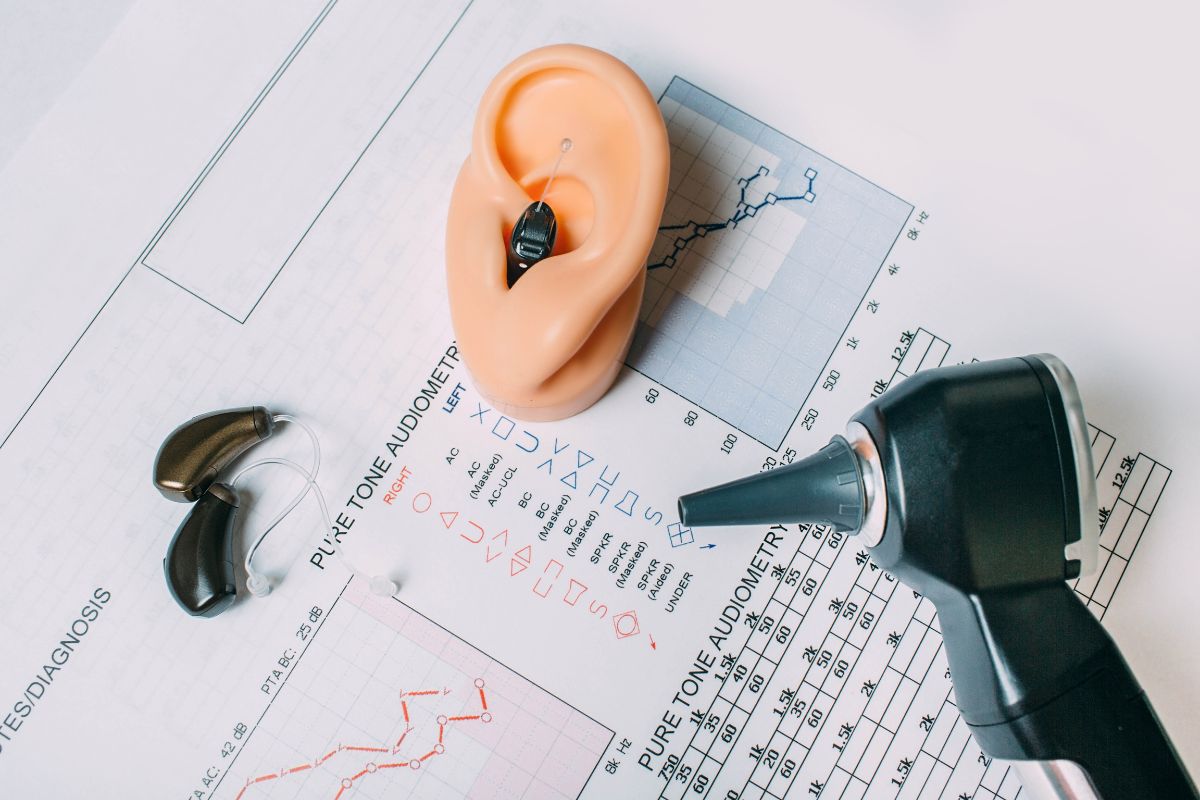
Objective medical testing is non-negotiable. State boards and insurance adjusters rely heavily on audiometric testing conducted by licensed audiologists or otolaryngologists.
- Baseline Audiograms: Initial hearing tests administered upon hiring establish a worker's hearing capacity before occupational exposure begins.
- Periodic Audiograms: Routine tests conducted during employment (often mandated by the Occupational Safety and Health Administration) track incremental shifts in hearing thresholds.
- Diagnostic Audiograms: Comprehensive evaluations performed after suspected hearing loss occurs, measuring thresholds across various frequencies (hertz) to determine the exact percentage of impairment.
The Claims Process Step-by-Step
Filing a hearing loss claim involves a structured sequence of administrative and medical actions. Missing a single deadline or failing to submit required documentation can result in claim denial.
Step 1: Formal Notification to the Employer
A worker must notify their employer of the suspected occupational hearing loss within the timeframe mandated by local law. This notification should ideally be submitted in writing, detailing the dates of employment and the nature of the noise exposure. While some workers notice hearing loss while still employed, others realize the extent of the damage only after retiring or changing jobs. Most jurisdictions accommodate delayed discovery, starting the notification clock from the date the worker was informed by a physician that the hearing loss was work-related.
Step 2: Medical Evaluation and Impairment Rating
Following notification, the worker must undergo an independent or authorized medical examination. The examining physician evaluates the audiogram results and applies standard formulas (often established by the American Medical Association or specific state guidelines) to calculate binaural hearing impairment. This rating quantifies the severity of the loss across both ears and translates it into a monetary value or percentage of disability.
Step 3: Filing the Formal Claim Form
The worker or their legal representative submits a formal claim application to the state workers compensation board or the relevant federal agency. This document includes medical reports, employer information, and historical wage records.
Step 4: Insurer Review and Dispute Resolution
Once filed, the workers compensation insurance carrier investigates the claim. The insurer may accept the claim, approve medical treatment, and issue compensation benefits. Alternatively, the insurer may contest the claim, citing pre-existing conditions, insufficient proof of workplace causation, or late filing. If a dispute arises, the case proceeds to a formal administrative hearing or mediation before a judge or commissioner.
Types of Benefits Available
Approved workers compensation hearing loss claims provide several forms of financial and medical relief. The scope of benefits depends on the jurisdiction and the severity of the impairment.
- Medical Treatment and Devices: Full coverage for diagnostic testing, physician consultations, hearing aids, assistive listening devices, and ongoing maintenance (such as batteries and repairs).
- Temporary Disability Benefits: Wage replacement if the worker requires time away from work for surgical interventions or medical evaluations related to the auditory injury.
- Permanent Partial Disability (PPD): Financial compensation awarded for permanent hearing impairment that does not completely prevent the worker from earning a living, calculated based on statutory schedules.
- Vocational Rehabilitation: Training or support services if severe hearing loss prevents the worker from returning to their previous noisy environment without risk of further injury.
Common Challenges and Obstacles
Securing compensation for hearing loss is rarely straightforward. Claimants frequently encounter specific legal, medical, and procedural hurdles.
The "Apportionment" Defense
Insurance carriers frequently argue for apportionment, attempting to reduce their financial liability by subtracting a percentage of the hearing loss attributed to aging, military service, or non-work-related noise exposure. Countering this defense requires robust medical testimony demonstrating that the workplace environment was the primary or substantial contributing factor to the overall degradation.
Statute of Limitations and the Date of Injury Rule
Because hearing loss accumulates gradually, determining when the statute of limitations begins can be legally complex. In many states, the limitation period starts on the "date of injury," which courts often define as the date the worker first received a medical diagnosis linking their hearing loss to their employment. Waiting too long after retirement or leaving a noisy job can permanently bar a worker from recovering benefits.
Comparative Overview of Hearing Loss Claim Components
| Claim Component | Standard Requirement | Potential Complications |
|---|---|---|
| Proof of Exposure | Documentation of decibel levels or ototoxic chemical contact. | Outdated company records; lack of historical noise surveys. |
| Medical Evidence | Audiogram conducted by a licensed audiologist or ENT specialist. | Variations in testing environments; calibration errors in equipment. |
| Statute of Limitations | Filing within state-mandated windows post-diagnosis. | Delayed discovery rule disputes; retirement elapsed time. |
| Apportionment | Proving the occupational share of hearing degradation. | Conflicting medical opinions regarding age-related hearing loss. |
Frequently Asked Questions
Can I file a workers compensation claim for hearing loss after I have retired?
Yes, many jurisdictions allow retirees to file claims for occupational hearing loss, provided the claim is submitted within the statutory time limit following a formal medical diagnosis. Because hearing loss develops slowly, it often surfaces years after a worker leaves a noisy industry. The key requirement is proving that the hazardous exposure occurred during active employment with the former employer.
Are hearing aids and batteries fully covered under approved claims?
In most jurisdictions with approved claims, the employer's workers compensation insurance is legally obligated to cover the full cost of medically necessary hearing aids, initial fittings, follow-up adjustments, and ongoing supplies such as batteries and maintenance. However, authorization must be secured through the approved claims process before purchasing equipment.
What noise level is legally considered hazardous in a workplace?
The Occupational Safety and Health Administration (OSHA) sets the permissible exposure limit (PEL) at 90 decibels (dBA) as an 8-hour time-weighted average. However, OSHA's action level—where employers must implement a hearing conservation program—begins at an 8-hour time-weighted average of 85 dBA. Sustained exposure above these thresholds without proper hearing protection significantly increases the risk of permanent auditory damage.
What should I do if my employer's insurance carrier denies my hearing loss claim?
If an insurance carrier denies a claim, the injured worker has the right to appeal the decision through the state's workers compensation board or industrial commission. This process typically involves requesting a formal hearing, presenting additional medical evidence, and testifying about work history and noise exposure. Consulting an experienced workers compensation attorney can significantly improve the likelihood of a successful appeal.
Does normal aging affect my ability to collect workers compensation for hearing loss?
Natural age-related hearing loss (presbycusis) can complicate a claim, as insurance carriers frequently use it to deny or reduce payouts. However, if workplace noise exposure significantly contributed to or accelerated the hearing loss, the worker is generally still entitled to benefits. Medical experts must differentiate between occupational damage and age-related decline through specialized audiometric analysis.
Image Gallery