Botanical Synergy: The 2026 Guide to Lemon Peel and Bay Leaf Applications
This article focuses on the culinary and aromatic applications of lemon peel and bay leaf, clarifying their role in modern gastronomy and home-based botanical preparations as of 2026. Culinary Chemistry and Flavor Profiles The combinat...
This article focuses on the culinary and aromatic applications of lemon peel and bay leaf, clarifying their role in modern gastronomy and home-based botanical preparations as of 2026.
Contents
Culinary Chemistry and Flavor Profiles
The combination of lemon peel (Citrus limon) and bay leaf (Laurus nobilis) serves as a foundational aromatic pairing in contemporary professional kitchens. This duo balances high-note acidity with earthy, resinous undertones, creating a complex flavor architecture that performs across various cooking mediums.
As of 2026, culinary professionals emphasize the extraction of essential oils—specifically limonene from the peel and eucalyptol from the bay leaf. When heated, these compounds undergo non-enzymatic browning and infusion processes that deepen the complexity of stocks, braises, and infusions.
Core Flavor Interactions
- Lemon Peel: Provides volatile citrus oils. The white pith contains pectin and bitter compounds that require precise removal to prevent unwanted astringency in delicate sauces.
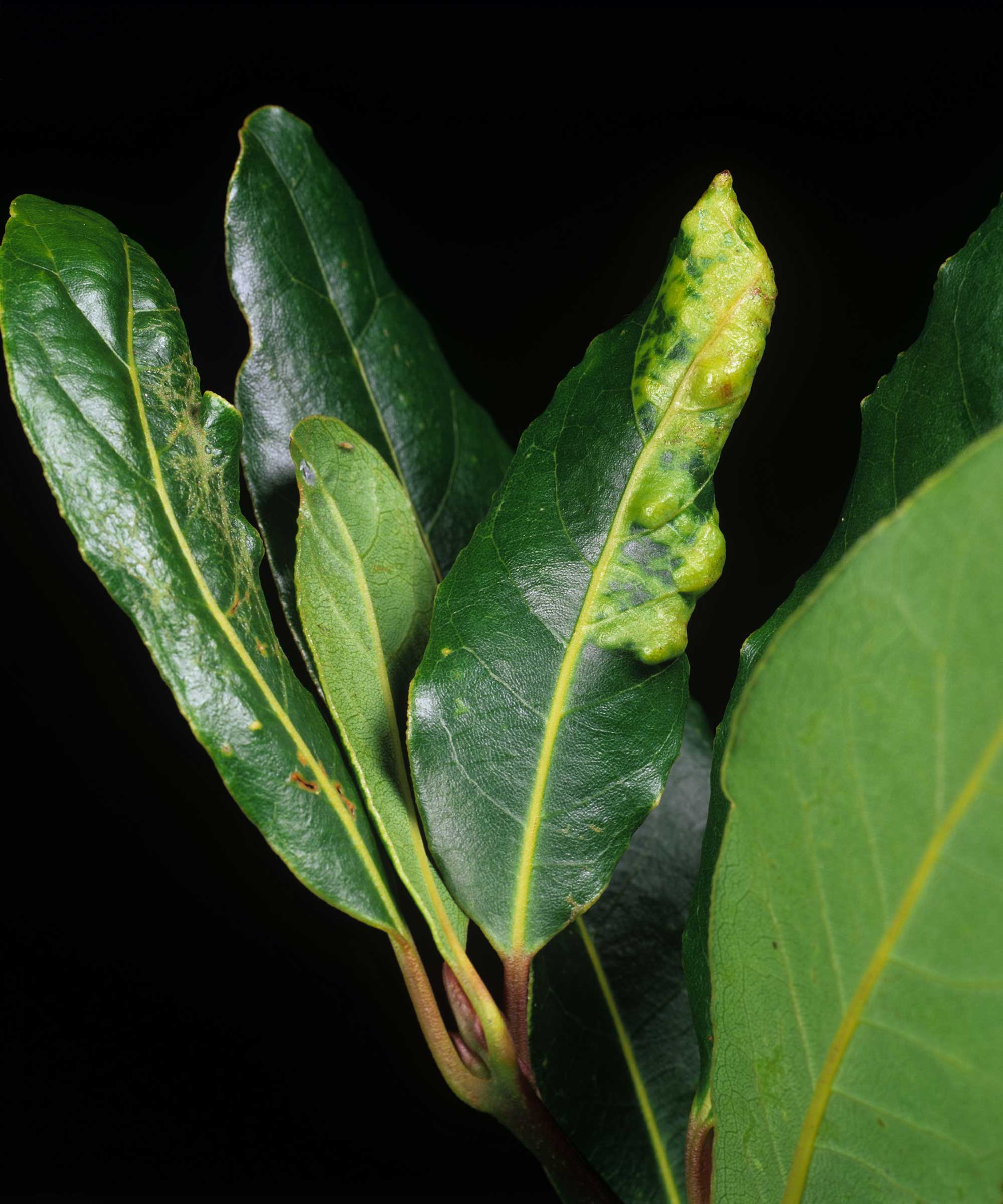
- Bay Leaf: Contributes deep, herbaceous notes. Its structural integrity allows it to withstand long-duration simmering, releasing its oils slowly without losing its foundational structure.
Technical Application and Infusion Methods
Achieving consistent results with these ingredients requires an understanding of thermal extraction. Because lemon peel contains volatile oils that dissipate rapidly under high, direct heat, its integration must be timed strategically relative to the more robust bay leaf.
Expert Infusion Protocol
Thermal Management Begin by introducing the dried bay leaf into your cold liquid base to allow for gradual hydration and flavor release. Add the fresh or dehydrated lemon peel only in the final twenty minutes of the simmering process to preserve the delicate citrus aromatics.
Surface Area Optimization When using lemon peel, ensure a wide, thin strip (zest only) is utilized. Avoid scraping the albedo (the white pith) as it contains glycosides that can alter the pH balance and bitterness profile of your dish.
Nutritional and Functional Comparison 2026
While both ingredients are primarily used for flavor enhancement, they contain distinct secondary metabolites that are frequently studied in the context of bio-functional gastronomy. The following table illustrates the standard utility and profile of these ingredients based on 2026 industry standards.
| Feature | Lemon Peel (Citrus limon) | Bay Leaf (Laurus nobilis) |
|---|---|---|
| Primary Compound | Limonene | Eucalyptol (Cineole) |
| Main Culinary Role | Acidic/Bright Top-note | Earthy/Resinous Base-note |
| Thermal Stability | Low (Degrades with high heat) | High (Increases with infusion time) |
| Preparation Style | Zest (Thin strips) | Whole Leaf (Dried or fresh) |
| Standard 2026 Usage | Infusions, Desserts, Marinades | Stocks, Stews, Slow-Braises |
Practical Troubleshooting for Home and Professional Use
Common challenges often arise from improper ingredient sourcing or failing to account for the specific shelf-life of these botanicals in a 2026 kitchen environment.
- Bitterness: If the final dish tastes overly bitter, the likely cause is the inclusion of the pith on the lemon peel or an excessive simmering duration for the bay leaf.
- Faded Aromatics: If the bay leaf lacks punch, check the drying date. Dried leaves should be stored in airtight, opaque glass containers away from direct sunlight; they generally lose peak potency after six months.
- pH Interference: When working with high-acidity lemon peel, ensure your cooking vessel is non-reactive (stainless steel or ceramic) to prevent metallic leaching, which is a common failure point in slow-cooked stocks.
Advanced Culinary Pairings and Seasonal Trends
In the 2026 dining landscape, the focus has shifted toward "botanical minimalism," where the interplay between lemon peel and bay leaf is used to elevate simpler, plant-forward dishes.
- Winter Braises: The resinous nature of the bay leaf provides a comforting anchor for root vegetables, while the lemon peel cuts through the heaviness of vegetable fats or olive oil.
- Cold Infusions: Beverage programs have adopted this pairing for non-alcoholic bitters. By steeping the ingredients in a 1:1 simple syrup for 48 hours at room temperature, one can achieve a balanced aromatic syrup that serves as a versatile mixer.
- Preservation: Dehydrating lemon peel at 105 degrees Fahrenheit creates a stable, long-term ingredient that preserves the volatile oils significantly better than refrigeration.
Frequently Asked Questions
Can I use dried lemon peel instead of fresh for stocks? Yes, dried lemon peel is highly effective for long-simmering applications because the lower water content prevents the introduction of unwanted moisture. Use approximately half the amount by volume compared to fresh zest, as the flavor density is concentrated.
Does bay leaf lose its flavor during long cooking? Unlike volatile citrus oils, the essential oils in bay leaves are lipophilic and heat-stable, meaning they actually become more integrated into the fat content of a dish over time. A two to four-hour simmer is the standard industry practice to reach maximum flavor saturation.
Is there a health risk associated with consuming bay leaves? Bay leaves are meant to be removed after cooking because they remain tough and fibrous, posing a potential choking hazard. However, they are not toxic, and their essential oils are widely recognized as safe for culinary ingestion when used in normal amounts.
What is the best way to store fresh bay leaves? The most effective method in 2026 is keeping fresh bay leaves in a sealed bag in the freezer. This preserves the essential oils and chlorophyll, ensuring the leaves maintain their bright color and aromatic intensity for up to a year.
How do I balance the sharpness of lemon peel in a sauce? The sharpness should be balanced by the fat content of your sauce, such as butter, cream, or high-quality olive oil. Incorporate the lemon peel late in the process and allow it to steep for a short duration to extract the oils without the acidity becoming overpowering.
Optimizing Your Botanical Kitchen
The strategic use of lemon peel and bay leaf is a hallmark of a refined palate. By adhering to the principles of heat management and proper botanical selection, you can transform standard pantry staples into professional-grade flavor foundations. For those looking to refine their technique, start by experimenting with cold-steeping in various oils to understand how fat carries the aromatic profile of these two ingredients uniquely. Consistent application and attention to ingredient quality remain the defining factors in successful 2026 culinary preparation.
Image Gallery