Comprehensive Guide to the Cost of COVID Tests at CVS in 2026
Navigating the financial landscape of testing for SARS-CoV-2 requires understanding current retail pricing, insurance rules, and public health access points. As testing protocols continue to evolve in 2026, CVS Pharmacy remains a prima...
Navigating the financial landscape of testing for SARS-CoV-2 requires understanding current retail pricing, insurance rules, and public health access points. As testing protocols continue to evolve in 2026, CVS Pharmacy remains a primary destination for both over-the-counter (OTC) self-tests and clinical diagnostic testing. Knowing what to expect regarding out-of-pocket expenses, insurance reimbursements, and available test variations ensures you make informed decisions for your health and budget.
Contents
Breakdown of Over-the-Counter Rapid Antigen Test Pricing at CVS
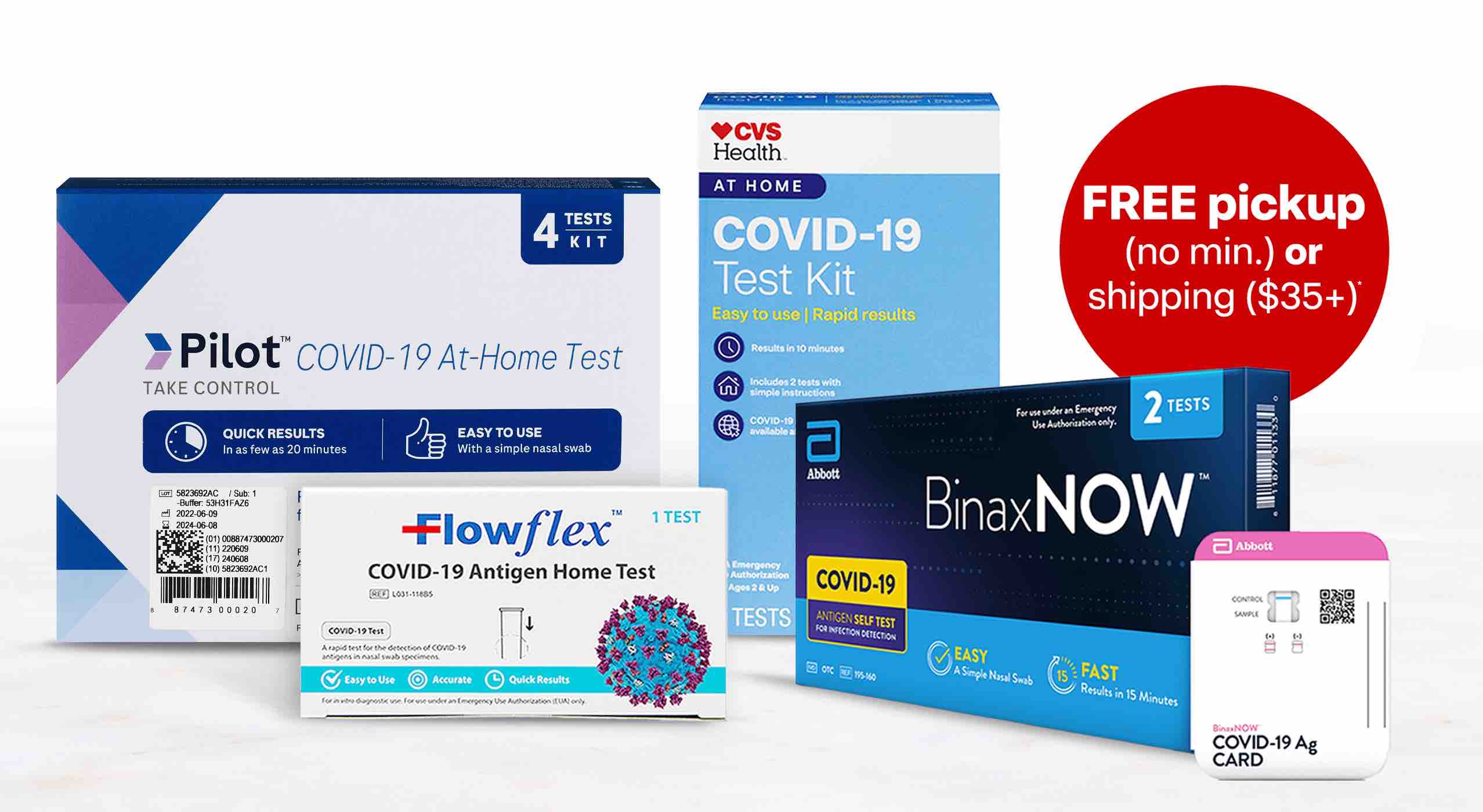
Purchasing rapid at-home antigen tests off the shelf is the most common method for quick results. CVS carries several FDA-authorized brands, including iHealth, Flowflex, BinaxNOW, and Quidel QuickVue.
- Single-Test Packs: Typically retail between $10.00 and $14.00, ideal for single-use checks before an event or after a minor exposure.
- Multi-Test Packs (2-Pack or More): Generally priced between $16.00 and $25.00, offering a lower per-test cost, which is standard for household stockpiling.
- Specialized Molecular At-Home Tests: Advanced non-antigen options, such as molecular or PCR-style home kits, command a significantly higher price point, often ranging from $50.00 to $90.00 per test due to their laboratory-comparable sensitivity.
Factors Influencing Retail Pricing
Retail pricing at CVS can fluctuate based on supply chain dynamics, regional distribution costs, and promotional sales. CVS frequently runs multi-pack discounts or store rewards programs (such as CVS ExtraCare) that can reduce the total cash outlay for self-tests. However, standard promotional pricing rarely applies to every brand simultaneously, meaning shoppers should check shelf tags or the CVS mobile app for real-time coupon availability.
Insurance Coverage and Reimbursement Realities in 2026
A common point of confusion for consumers is whether health insurance covers the cost of COVID-19 tests purchased at CVS. Understanding how commercial plans, Medicare, and Medicaid handle these expenses prevents unexpected out-of-pocket costs.
Insurance Policy Notice The federal public health emergency mandates requiring health plans to fully reimburse or cover OTC at-home COVID tests have expired. Today, in 2026, standard commercial health insurance plans, ACA Marketplace plans, and employer-sponsored insurance generally do not cover the upfront cost of over-the-counter tests purchased at a retail pharmacy counter unless specified under unique employer wellness stipends or specific state-mandated laws.
| Coverage Type | At-Home OTC Test Coverage | Clinical Pharmacy Testing Coverage |
|---|---|---|
| Commercial / Private Insurance | Generally NOT covered (out-of-pocket expense) | Subject to standard urgent care or diagnostic copays/deductibles |
| Medicare (Original / Part B) | NOT covered for routine or OTC screening | Covered with a physician order for clinical diagnostic testing |
| Medicare Advantage (Part C) | Varies by plan; check specific 2026 OTC allowances | Covered per plan diagnostic fee schedules |
| Medicaid / CHIP | Varies strictly by state regulations | Covered when ordered or performed in clinical settings |
Flex Spending Accounts (FSA) and Health Savings Accounts (HSA) remain reliable options for purchasing rapid tests. You can use pre-tax dollars via an FSA/HSA debit card or submit your CVS receipt for reimbursement to purchase authorized COVID-19 diagnostic kits.
Clinical Testing Options and Fees at CVS HealthHub and MinuteClinic
When symptoms require official documentation, a travel clearance, or a physician-directed diagnosis, individuals can utilize clinical testing pathways through CVS MinuteClinic or designated drive-thru testing sites.
Types of Clinical Tests Offered
- Rapid Antigen Diagnostic Test: Performed by a healthcare professional on-site, with results available typically within hours. Costs generally range from $65 to $100 if self-pay.
- Molecular PCR Test: The gold standard for accuracy, processed via an external laboratory. Results take 1 to 3 days, and self-pay fees typically range from $125 to $150.
If you are experiencing acute symptoms and have a medical evaluation during the MinuteClinic visit, insurance is far more likely to cover the professional evaluation component. However, the diagnostic test fee itself depends heavily on your specific network coverage and whether deductibles have been met for the year. Uninsured patients should verify current MinuteClinic cash-pay pricing schedules directly online before booking an appointment, as rates are subject to regional adjustments.
Comparing Testing Options at CVS: Cost vs. Convenience
Choosing between an at-home self-test and a clinical test at a CVS MinuteClinic involves balancing turnaround time, financial cost, and diagnostic accuracy.
- At-Home Rapid Antigen Tests
- Pros: Low cost ($10-$25), immediate results (15 minutes), high privacy, and maximum convenience.
- Cons: Lower sensitivity during early infection stages, requires out-of-pocket payment, and results are self-reported rather than officially certified.
- MinuteClinic PCR Tests
- Pros: High clinical accuracy, official medical documentation provided, and potential insurance coverage for the clinical visit.
- Cons: Higher cost if paying out-of-pocket ($125+), requires scheduling an appointment, and turnaround time takes days.
Step-by-Step Guide to Purchasing and Saving on COVID Tests at CVS
To minimize your expenses and secure the correct test for your situation, follow this streamlined approach when interacting with CVS services:
- Assess Your Need: Determine if you need an official, lab-verified PCR test for travel or employment, or if an over-the-counter antigen test is sufficient for personal monitoring.
- Check Digital Offers: Open the CVS mobile app or visit the website to clip any active ExtraCare deals, percentage-off coupons, or manufacturer rebates applicable to testing kits.
- Verify FSA/HSA Eligibility: Ensure your payment method utilizes pre-tax health funds if you prefer not to spend post-tax cash out-of-pocket.
- Confirm Stock via Inventory Tool: Use the CVS online store locator to check stock levels at your local branch before driving out, as popular test kits frequently experience localized supply fluctuations.
- Consult a Pharmacist: If you are unsure which kit meets your travel or medical requirements, ask the pharmacy staff for guidance on FDA-authorized options currently on the shelves.
Frequently Asked Questions About CVS COVID Tests
Are COVID-19 tests at CVS still free?
No, free government-distributed or insurance-reimbursed over-the-counter testing mandates have expired. Patients must pay out-of-pocket for retail self-tests or utilize FSA/HSA funds.
Can I use my FSA or HSA card to buy COVID tests at CVS?
Yes, over-the-counter COVID-19 test kits are fully eligible for purchase or reimbursement using flexible spending accounts and health savings accounts.
How much do rapid tests cost at the CVS checkout counter?
Standard rapid antigen tests generally cost between $10 and $14 for single packs and $16 to $25 for multi-packs containing two or more tests.
Does insurance cover PCR tests performed at a CVS MinuteClinic?
Commercial insurance and Medicare may cover clinical diagnostic tests if ordered or performed due to direct exposure or symptomatic evaluation by a healthcare provider, subject to your plan deductibles and copays.
How long do CVS at-home rapid tests take to show results?
Most standard at-home antigen tests sold at CVS deliver visible results on the test cassette within 15 minutes of sample application.
What should I do if a home test gives an invalid result?
An invalid result usually means the control line failed to appear, often caused by insufficient liquid sample extraction or procedural errors. You must repeat the test using a fresh testing device and a new swab.
Securing Reliable Diagnostic Solutions
Managing your health responsibly involves balancing accuracy, timing, and affordability. By understanding current retail pricing, leveraging FSA/HSA benefits, and selecting the appropriate testing format at CVS, you can manage diagnostic expenses effectively while protecting your community's health. For the most up-to-date pricing schedules or to schedule a clinical evaluation, check the official CVS Health website or consult your local pharmacist directly.
Image Gallery