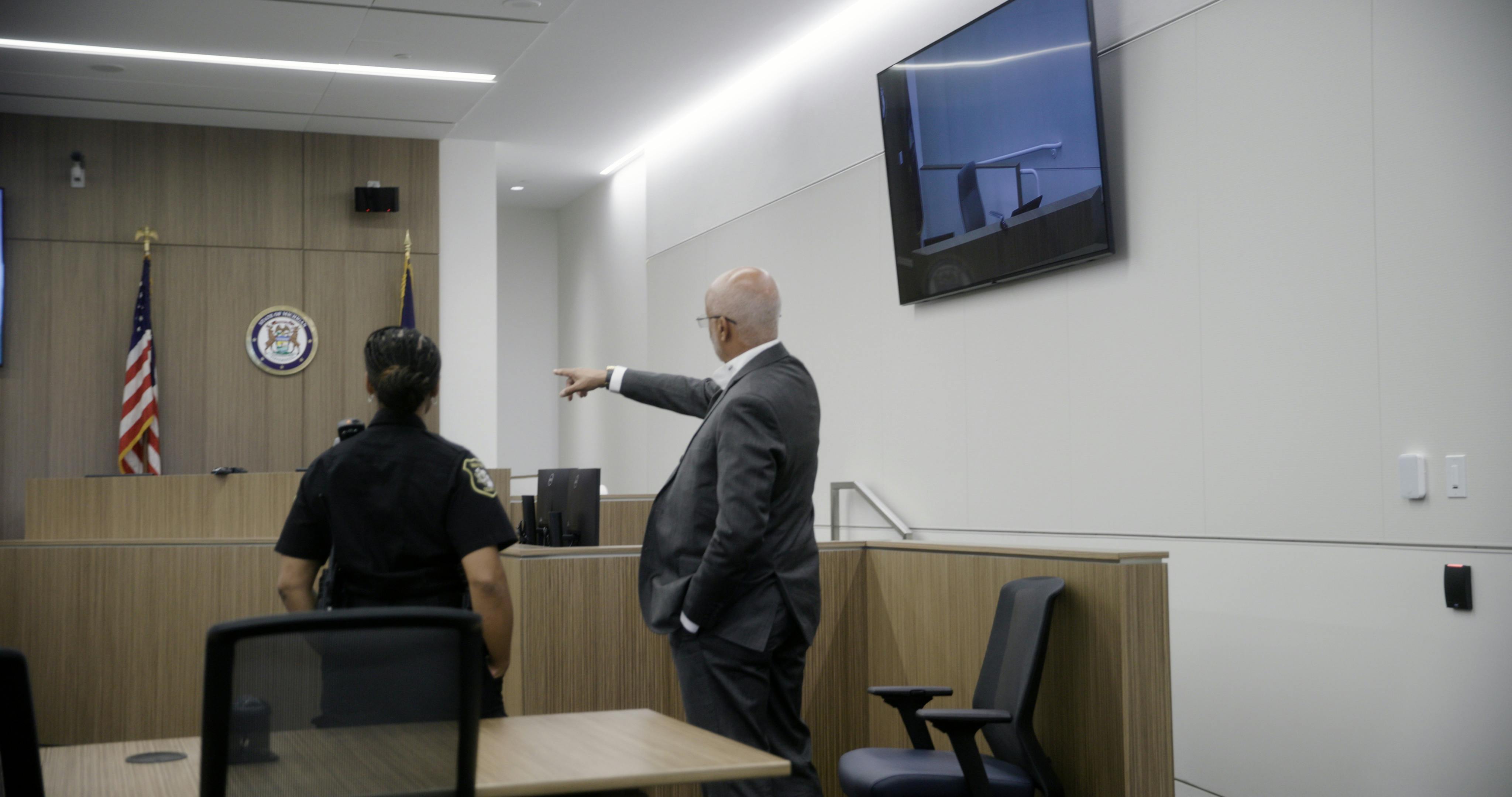
The Wayne County Criminal Justice Center Explained: Facilities and Operations
The Wayne County Criminal Justice Center (WCCJC) is a modern, integrated complex located in downtown Detroit, Michigan, designed to centralize the county’s judicial and detention operations. It serves as a primary hub for court proceed...
The Wayne County Criminal Justice Center (WCCJC) is a modern, integrated complex located in downtown Detroit, Michigan, designed to centralize the county’s judicial and detention operations. It serves as a primary hub for court proceedings, administrative legal functions, and secure incarceration, replacing antiquated facilities to provide a unified environment for judges, legal counsel, and the public within a high-security, technologically advanced infrastructure.
Contents
The Purpose and Scope of the Facility
The Wayne County Criminal Justice Center was developed to address the systemic challenges of an aging infrastructure. For decades, Wayne County relied on disparate facilities—most notably the Old Wayne County Jail and the Frank Murphy Hall of Justice—to manage its criminal docket. The integration of these functions into a singular campus was driven by the need to increase operational efficiency, enhance the security of prisoner transport, and provide a safer, more accessible environment for the judiciary and the community.
The complex functions as more than just a jail; it is a multi-purpose judicial ecosystem. By consolidating the criminal courts, the sheriff’s office, and the prosecutor’s office alongside the detention facility, the county has minimized the logistics of moving individuals in custody from holding cells to courtrooms. This transition significantly reduces the risks associated with public street transport and streamlines the scheduling of hearings and trials.
Core Components of the Complex
Understanding the WCCJC requires an analysis of its three primary architectural pillars: the Criminal Courthouse, the Sheriff’s and Prosecutor’s Office building, and the Jail Facility.
1. The Criminal Courthouse
This structure houses the circuit courtrooms where felony trials and other high-level criminal proceedings take place. It is equipped with modern acoustics, digital evidence presentation systems, and dedicated spaces for witnesses and victims. The courtrooms were designed with accessibility in mind, ensuring that the legal process remains transparent and open to the public while maintaining rigorous security standards.
2. The Sheriff and Prosecutor Administrative Wing
This wing serves as the operational headquarters for the Wayne County Sheriff’s Office and the Wayne County Prosecutor’s Office. By placing these entities in close proximity to the courts, the facility facilitates easier coordination between law enforcement officers and trial attorneys. This centralization is designed to accelerate case processing and improve inter-agency communication.
3. The Jail Facility
Replacing the previous, decentralized jail sites, this facility serves as the central point for individuals awaiting trial or serving shorter sentences. It features modern surveillance, climate control, and medical/mental health facilities. The design emphasizes modularity, allowing for better classification and housing of inmates according to security risk and health requirements.
Operational Logistics and Access
For visitors, legal professionals, and family members, navigating the WCCJC requires an understanding of its protocols. The facility is a secure environment, meaning all individuals entering the premises must undergo screening processes similar to those found in federal courthouses or airports.
- Public Access: Most courtrooms are open to the public. Visitors should check the daily docket before arriving to ensure they know the specific courtroom number for a case.
- Legal Counsel: Attorneys and their staff have designated entry points and secure access to specific areas that are not open to the general public, facilitating the confidential nature of client meetings.
- Security Screening: Expect to pass through metal detectors and have personal belongings X-rayed. Prohibited items—including weapons, recording devices (unless permitted by the court), and certain electronic hardware—are strictly regulated.
Comparison of Administrative and Judicial Services
| Service Type | Location Focus | Primary User |
|---|---|---|
| Criminal Trials | Courthouse | Judiciary, Defense, Prosecution |
| Inmate Processing | Jail Facility | Sheriff's Office, Arraignees |
| Case Filings | Clerk's Office | Public, Legal Professionals |
| Administrative Law | Office Wing | Prosecutors, Law Enforcement |
Navigating the Legal System within the Center
The transition to the WCCJC has standardized many procedures that were previously fragmented across the city. For those involved in the legal system, the following points of guidance are essential:
- Virtual Hearings: Since the implementation of the new facility, the integration of remote video conferencing has become a standard feature. Many pre-trial hearings and status conferences now utilize this technology to reduce the need for physical presence, though in-person attendance remains mandatory for specific trial phases.
- Clerk of Court Services: The facility provides a centralized location for filing motions, posting bonds, and requesting court records. Utilizing the online portal before visiting the physical office can save significant time.
- Bond and Surety: Posting bond for an individual in custody is managed through the jail’s administrative protocols. The facility provides clear instructions on accepted payment methods, which typically exclude personal checks.
Frequently Asked Questions
Can I visit an inmate held at the Wayne County Criminal Justice Center? Yes, but visits are strictly regulated. You must be on the approved visitor list and adhere to the facility’s current scheduling system, which often requires booking time slots in advance. Check the official Sheriff's Office website for the most recent 2026 visitation guidelines and identity verification requirements.
How do I locate a court date or an inmate’s status? The most efficient way to locate an inmate or check a docket is through the official Wayne County court portal. These databases are updated in real-time and provide the current status, judge, and courtroom location for active cases.
Are attorneys required to schedule visits in advance? Generally, attorneys have broader access privileges than the general public, but they must present valid bar identification and follow building security protocols. It is recommended to contact the specific courtroom clerk or the jail’s attorney liaison office if you have a specific, time-sensitive case requirement.
What items are prohibited inside the complex? The list of prohibited items includes all weapons, sharp objects, unauthorized recording equipment, and large bags. While lockers may be available at some security checkpoints, it is strongly advised to leave non-essential items in your vehicle to ensure a smooth transition through the security scan.
Is there public parking available at the center? The center is located in downtown Detroit, where parking is managed via city structures and private lots. Visitors should anticipate standard urban parking costs and allow extra time for transit from parking structures to the security entrance of the complex.
Expert Guidance for Stakeholders
If you are visiting the Wayne County Criminal Justice Center for legal proceedings, the most important step is preparation. For defendants or family members, confirm your appearance date and time with your legal counsel well in advance. For civil litigants or those attending court-related functions, utilize the online resources to verify the courtroom location, as court dockets can shift due to judge reassignments or administrative delays.
The facility represents a significant investment in the infrastructure of Wayne County. While the security measures can feel intensive, they are designed to maintain the integrity of the judicial process. Always verify your information through the official government portal before making arrangements, as local court rules and operational policies are subject to updates throughout the 2026 calendar year.
Image Gallery