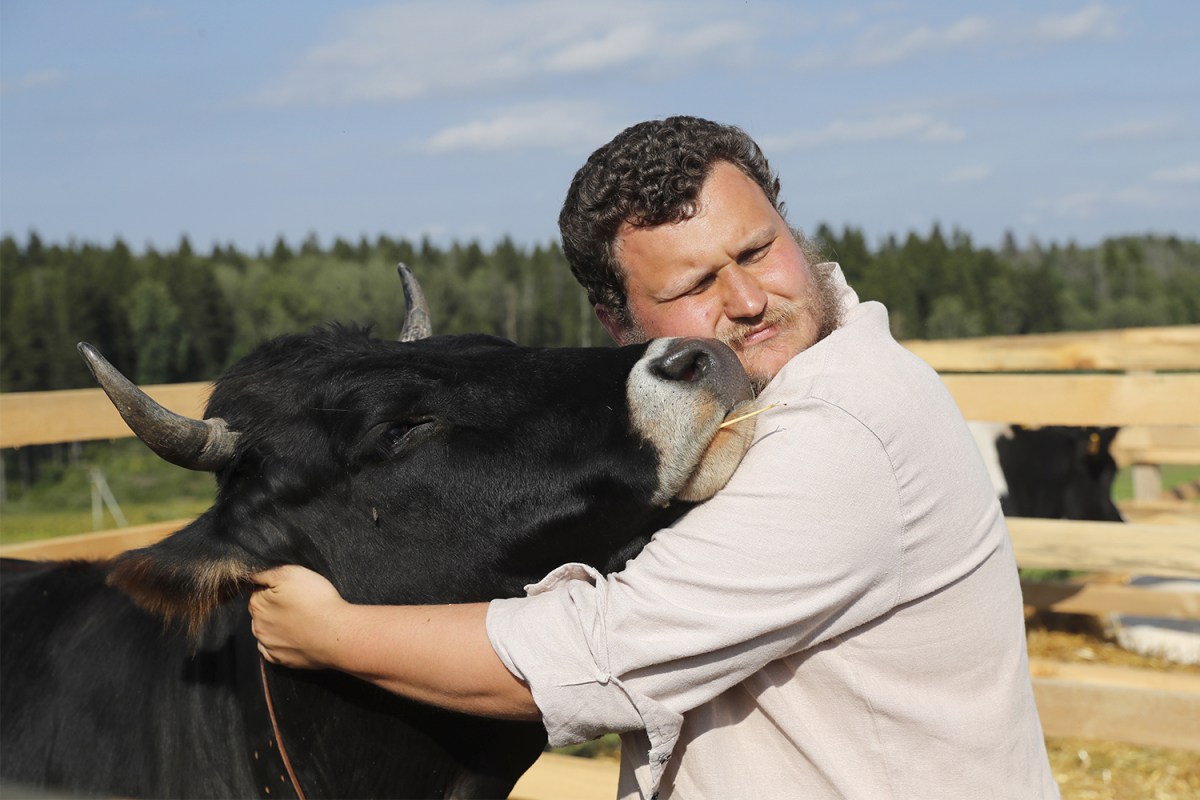
Cow Hugging as a Real Stress Relief Trend: Science, Benefits, Costs, and Welfare
Cow hugging, originally known in Dutch as koe knuffelen, is an established animal-assisted wellness trend where participants lie against, pet, and embrace calm cows to reduce stress. The practice relies on the animals' warm body temper...
Cow hugging, originally known in Dutch as koe knuffelen, is an established animal-assisted wellness trend where participants lie against, pet, and embrace calm cows to reduce stress. The practice relies on the animals' warm body temperatures, slow metabolic rhythms, and steady heart rates to promote relaxation, lower cortisol levels, and stimulate oxytocin production in humans.
Contents
The Origins and Evolution of Cow Cuddling
The practice of hugging cows began over two decades ago in rural regions of the Netherlands, particularly in agricultural communities seeking to connect urban visitors with farm life. Known natively as koe knuffelen, the activity quickly spread from small Dutch dairy farms to Switzerland, Germany, the United Kingdom, and North America. What started as an innovative form of agritourism has evolved into a recognized wellness practice within the broader category of animal-assisted therapy and green care.
In its early days, Dutch farmers noticed that visitors who spent quiet time in barns leaning against resting cattle frequently reported feeling significantly calmer and more grounded. As urban stress levels climbed globally over the past decade, agritourism operators began formalizing these interactions into structured sessions. Today, specialized farms and animal sanctuaries host visitors looking for alternative stress-relief techniques, pairing trained human facilitators with socialized bovines.
The global expansion of cow cuddling reflects a shift toward experiential and nature-based wellness practices. Rather than engaging in active recreation, participants seek sedentary co-presence with large animals. Modern providers range from working dairy farms offering seasonal visits to dedicated non-profit animal sanctuaries that use session fees to fund ongoing rescue and care operations.
The Science Behind Bovine-Assisted Stress Relief
The psychological and physiological benefits of cow hugging stem from core principles of mammalian biology and animal-assisted interventions (AAI). Humans co-regulate their nervous systems in response to their environment and the living beings around them. Spending quiet physical time with a large, calm animal triggers specific biological responses that directly counteract the human physiological stress response.
Physiological Response
- Physical Contact with Calf/Cow (Warmth: ~101.5°F | Slow Respiration | Steady Rhythm)
- Neurochemical Shift (Increases Oxytocin | Decreases Cortisol & Adrenaline)
- Autonomic Nervous System Shift (Activates Parasympathetic System -> Lowers Heart Rate & Blood Pressure)
Oxytocin Release and Cortisol Suppression
Physical contact with a peaceful animal stimulates the hypothalamus to release oxytocin, often referred to as the bonding hormone. Oxytocin increases feelings of trust, emotional warmth, and social connection while simultaneously dampening the activity of the amygdala—the brain's fear center. At the same time, direct tactile interaction decreases circulating levels of cortisol and adrenaline, the primary hormones responsible for the body’s fight-or-flight mechanism.
Heart Rate Co-Regulation and Body Temperature
Cows possess a average resting body temperature of approximately 101.5°F (38.6°C), which is warmer than the human average of 98.6°F (37°C). Leaning against a cow transfers gentle thermal energy to the human body, inducing muscular relaxation similar to a warm bath or heating pad.
Additionally, a calm cow’s respiratory rate (typically 10 to 30 breaths per minute) and lower resting heart rate create a rhythmic biological anchor. Humans sitting against a breathing cow often naturally sync their breathing pattern with the animal's slow, rhythmic movement, activating the human parasympathetic nervous system.
What Happens During a Cow Hugging Session?
A standard cow cuddling session lasts between 60 and 90 minutes and follows a structured protocol designed to maintain safety for both humans and animals. Facilitators guide participants through introductory orientation before any physical contact occurs.
Step 1: Orientation and Farm Rules
Upon arrival, participants receive a mandatory safety briefing. Facilitators explain bovine behavior, including how cows perceive their surroundings through peripheral vision and auditory cues. Guests learn basic herd etiquette, such as approaching animals from the side, avoiding sudden movements, and speaking in calm tones.
Step 2: Introduction and Herd Observation
Before touching the cows, visitors spend 10 to 15 minutes sitting or standing near the herd in an open pasture or clean barn stall. This phase allows the cows to acclimate to the presence, scent, and voices of the visitors. The interaction only proceeds if the animals demonstrate calm, relaxed body language, such as chewing cud or resting comfortably on the ground.
Step 3: Tactile Interaction and Resting
Once an animal is comfortable, participants are invited to sit or lie alongside it. Guests can place their head on the cow's torso, rest an arm across its back, or stroke its neck. Sessions often involve sustained silence or low-volume conversation. Facilitators monitor the session continuously to ensure neither the guest nor the animal shows signs of distress or fatigue.
Typical Session Progression (60–90 Mins)
- Arrival & Safety (15 Minutes)
- Herd Introduction (15 Minutes)
- Guided Contact (45 Minutes)
Animal Welfare and Ethical Standards
The ethical validity of cow hugging depends entirely on the voluntary participation and welfare of the cattle. Unlike working service animals, cows participating in cuddling programs must not be subjected to forced restraint, confined tethering, or prolonged shift work.
Assessing Bovine Consent
Reputable facilities operate under strict animal-consent guidelines. Signs that a cow is willingly participating include:
- Regular cud chewing (ruminating while relaxed)
- Slow, steady breathing and soft eye posture
- Lowered head position without tension
- Initiating physical contact or leaning into the human
Conversely, facilities must immediately pause or end a session if an animal displays stress behaviors, such as pinned ears, frequent head tossing, vocalization, tail swishing, or attempts to move away.
Sanctuary vs. Commercial Farm Standards
Ethical standards vary depending on whether the operation is a sanctuary or a commercial farm. Non-profit sanctuaries generally enforce strict limits on guest numbers (often fewer than 10 visitors per day) to prevent overstimulation. Commercial agritourism farms should maintain designated rest pastures where animals can choose to step away from human interaction entirely.
Facilities following established animal welfare frameworks ensure that cattle have continuous access to fresh water, clean resting bedding, adequate shade, and social interaction with their own species outside of guest hours.
Comparing Cow Hugging to Other Animal-Assisted Activities
Animal-assisted interactions range from informal companion animal visits to clinical equine-assisted psychotherapy. Understanding how cow hugging compares to other modalities helps individuals select the right wellness option for their needs.
| Feature / Modality | Cow Hugging (Koe Knuffelen) | Equine-Assisted Therapy | Therapy Dog Visits | Small Animal Interaction (e.g., Goats) |
|---|---|---|---|---|
| Primary Interaction Type | Passive, sedentary cuddling & leaning | Active groundwork or guided riding | Active petting, playing, & vocal command | Playful, active physical interaction |
| Primary Physical Sensory Trigger | Elevated body heat & slow breathing | Movement synchronization & posture | Tactile fur contact & play engagement | High energy, playful jumping & climbing |
| Setting | Open pastures, large barns | Arenas, stables, round pens | Hospitals, offices, community centers | Small farm enclosures, yoga studios |
| Target Emotional State | Deep relaxation, grounding, stillness | Self-awareness, confidence, leadership | Joy, companionship, acute anxiety relief | Lightheartedness, humor, social engagement |
| Average Session Cost | $50 – $150 per hour | $100 – $250 per hour | Free to minimal (volunteer-based) | $30 – $60 per session |
| Clinical Supervision Required? | No (facilitated by trained farm staff) | Often yes (licensed therapist required) | Often no (certified handler required) | No (farm staff facilitated) |
Preparing for a Session: Logistics, Safety, and Costs
Booking a cow hugging session requires basic preparation regarding apparel, safety expectations, and budgeting.
Participant Preparation Checklist
- Feet: Closed-toe, waterproof work boots
- Clothes: Layered, washable outdoor clothing (no loose scarves)
- Scent: No strong perfumes or heavy chemical lotions
- Mindset: Calm, patient, low-energy approach
Costs and Booking Considerations
Prices for cow cuddling sessions vary based on location, group size, and whether the provider is a private farm or a non-profit sanctuary.
- Private Group Sessions: $50 to $90 per person for a shared group experience (typically 4–8 people).
- Private One-on-One Sessions: $100 to $175 per hour for exclusive access to an instructor and cow.
- Sanctuary Donations: Many non-profit sanctuaries offer sessions in exchange for a set tax-deductible donation tier (e.g., $120+ per couple).
What to Wear and Bring
- Footwear: Sturdy, closed-toe boots (preferably rubber or leather work boots) are mandatory. Running shoes or open-toed footwear are unsafe on uneven terrain and around heavy hooves.
- Clothing: Wear durable, washable layers that you do not mind getting dirty. Avoid hanging jewelry, loose scarves, or strong synthetic odors, which can agitate or over-stimulate cattle.
- Weather Gear: Most authentic sessions occur outdoors or in unheated barns. Pack appropriate rain gear or cold-weather layers depending on the season.
Physical Safety and Risk Management
Cows are large livestock, typically weighing between 1,000 and 1,500 pounds (450 to 680 kg). While participating animals are selected for their docile temperaments, their size creates inherent physical risks.
- Never stand directly behind a cow (in its visual blind spot).
- Avoid stepping between a mother cow and her calf unless explicitly directed by a trained handler.
- Keep your feet clear of the animal's hooves when sitting or standing close.
- Follow all facilitator instructions immediately if an animal shifts position or becomes startled.
Frequently Asked Questions
Is cow hugging officially classified as medical therapy?
No. Cow hugging is primarily classified as an animal-assisted activity or wellness experience rather than formal clinical therapy. While it provides documented stress-relief benefits, it does not replace medical treatment or licensed mental health counseling.
Can any cow be used for cuddling sessions?
No. Participating cattle undergo extensive socialization from a young age to ensure they enjoy human proximity and remain calm around strangers. Bulls, un-socialized herd cows, and protective mothers are not suitable for public cuddling sessions.
What happens if a cow does not want to cuddle during a booked session?
Ethical facilities never force an animal to interact. If a cow chooses to stand up, walk away, or rest elsewhere, handlers will shift the session to another willing animal or pivot to an educational walk through the pasture.
Are cow hugging facilities accessible to individuals with mobility limitations?
Accessibility varies significantly by facility. Some farms feature paved barn aisles and ramp-accessible stalls designed for individuals using wheelchairs or mobility devices, while others operate exclusively in rough pasture terrain. Prospective visitors should contact the venue directly to confirm specific accommodations.
Is cow cuddling safe for young children?
Most operations enforce age minimums, typically requiring participants to be at least 8 to 12 years old. Because young children may make sudden movements or high-pitched noises that startle large livestock, facilities often restrict small children to designated calf-petting areas with heightened supervision.
Recommended Next Steps
If you are interested in trying cow hugging as a stress-relief activity, take the following steps to ensure a safe, ethical experience:
- Research Local Facilities: Search for accredited animal sanctuaries or established agritourism farms that offer structured bovine-assisted interactions. Check for clear policies on animal welfare and maximum visitor caps.
- Verify Ethics and Reviews: Ensure the venue allows cattle to roam freely and opt out of sessions at will. Read independent visitor reviews to confirm that handlers prioritize animal safety over commercial turnover.
- Book in Advance: Most ethical farms restrict session sizes to protect their herds, meaning bookings often fill up weeks or months ahead of time.
- Prepare Appropriate Attire: Wear sturdy work boots and washable, outdoor-ready layers to ensure a safe and comfortable experience.
Image Gallery