Understanding and Collecting the Best Sport Pictures for Enthusiasts
The best sport pictures for enthusiasts are those that capture the intersection of peak athletic performance, raw human emotion, and the decisive mechanical moment of a competition. Whether you are an aspiring collector or a fan lookin...
The best sport pictures for enthusiasts are those that capture the intersection of peak athletic performance, raw human emotion, and the decisive mechanical moment of a competition. Whether you are an aspiring collector or a fan looking to decorate a personal space, the highest quality imagery relies on professional-grade composition, historical significance, and the technical ability of the photographer to freeze high-speed action with clarity and purpose.
Contents
Defining Quality in Sports Photography
Sports photography is a specialized field that demands more than just a fast camera; it requires anticipation. When evaluating the best pictures, enthusiasts look for three core pillars: action, context, and composition.
Action represents the "peak" of a movement. In tennis, this is the millisecond the racket strings deform upon impact with the ball. In basketball, it is the extension of the athlete at the apex of a jump. If the image is blurred in a way that obscures the athlete’s intent or the game's stakes, it generally fails the threshold for a "best" quality image.
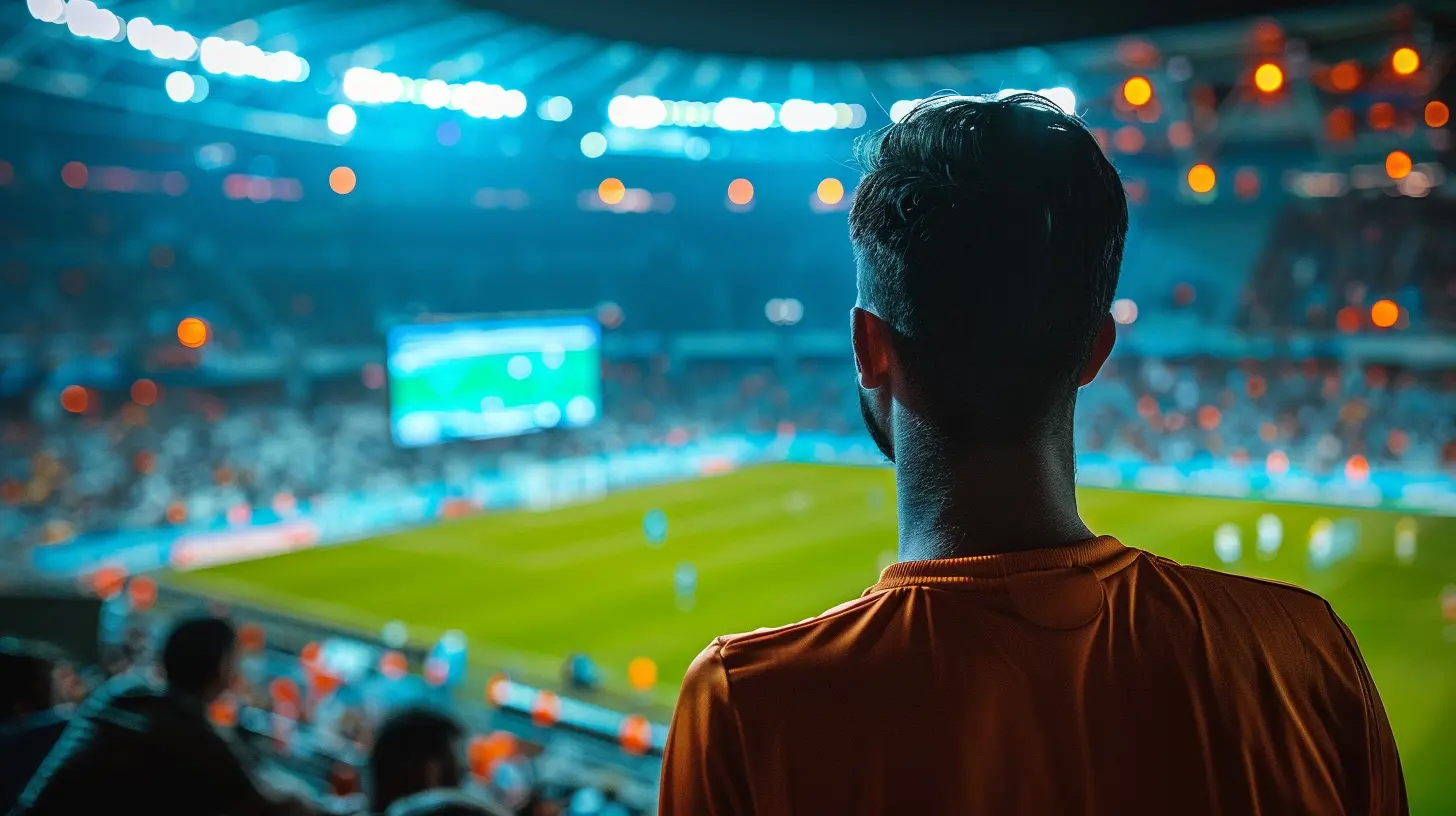
Context involves the environment—the roar of the crowd, the lighting of the arena, or the intensity of a rivalry. A perfectly composed shot of a golfer hitting a ball is technically proficient, but a shot that captures the tension of the final hole at a major tournament provides the historical narrative that enthusiasts value. Composition, meanwhile, refers to the rule of thirds, the use of negative space to emphasize the athlete, and the effective management of backgrounds to ensure the subject is not "lost" in a chaotic visual field.
Historical Significance and Iconic Imagery
For many enthusiasts, the "best" pictures are those that document history. Iconic sports photography often transcends the game itself, becoming symbols of culture. Think of images capturing the "Miracle on Ice" in 1980, or the late-career intensity of legends like Michael Jordan or Serena Williams.
When searching for these images, collectors distinguish between journalistic documentation and artistic interpretation. Journalistic photos prioritize the facts of the event—who won, how they won, and the score. Artistic sports photography may use motion blur, silhouettes, or unconventional angles to evoke the feeling of the sport rather than just the mechanics. For the enthusiast, the "best" image depends on whether they are building a historical archive or seeking visual inspiration for their home or office.
Technical Specifications and Print Standards
If you are purchasing or framing sports photography, understanding the technical standards of professional print media is essential. High-quality prints for enthusiasts should be sourced from professional labs using pigment-based inks, which offer superior longevity and color accuracy compared to standard dye-based inkjet prints.
Key technical factors to check before acquisition include:
- Resolution (DPI): For a standard 16x20 inch print, an image should ideally be at least 300 Dots Per Inch (DPI) to avoid pixelation.
- Paper Type: Baryta or fiber-based papers are industry standards for fine art photography, providing deep blacks and high contrast that are crucial for athletic imagery.
- Authenticity: If the image is a limited edition or a signed print, ensure it comes with a Certificate of Authenticity (COA) that verifies the source and the copyright holder.
Comparative Guide to Sports Photography Formats
| Format | Best Use Case | Primary Advantage | Limitation |
|---|---|---|---|
| Action Freeze | Dynamic sports (Soccer, F1) | Captures precise technical form | Can look sterile/staged |
| Environmental | Stadium/Arena wide shots | Shows the scale and atmosphere | Subject focus can be small |
| Portrait/Candid | Post-game locker room/quiet moments | Captures human emotion | Lacks the adrenaline of play |
| Abstract/Artistic | Creative home decor | Evokes movement and mood | Less recognizable as specific events |
The Role of Lighting and Equipment
The "best" pictures are rarely taken by luck; they are the result of sophisticated equipment. Most top-tier sports photographers utilize cameras with high frame rates—capable of shooting 20 to 30 frames per second—to ensure that even the smallest twitch or movement is captured.
Lighting is the primary constraint in sports photography. While outdoor day games provide natural, consistent light, indoor arenas present significant challenges. Photographers must contend with flickering artificial lights that can cause banding across the image. The best pictures taken indoors often feature clean, balanced skin tones and high shutter speeds that eliminate ghosting. When choosing a picture to display, look for images where the photographer has successfully separated the athlete from the background through a shallow depth of field (typically achieved with lenses at f/2.8 or wider).
Avoiding Common Pitfalls for Collectors
Collectors often make the mistake of prioritizing the celebrity status of the athlete over the quality of the photograph itself. A blurry or poorly lit photo of a famous athlete is not a superior collectible compared to a masterfully composed shot of a lesser-known player. Always prioritize the photographic merit.
Another common issue is the misuse of digital image files. Enthusiasts who download low-resolution images from social media and attempt to print them at large sizes will encounter "artifacting," where the image appears jagged or blocks of color become visible. Always source high-resolution files directly from the photographer's portfolio, an official gallery, or a licensed archive.
Frequently Asked Questions
What defines a "professional" sports photo? A professional photo is defined by technical precision—proper focus on the eyes or the point of impact—and adherence to copyright standards. It reflects the photographer’s access, skill in handling difficult lighting, and ability to frame the action within a split second.
How can I verify the quality of a sports print? Check for the absence of banding or pixelation. A high-quality print should have a dynamic range that preserves detail in both the brightest highlights (like a white jersey under stadium lights) and the deepest shadows.
Is color or black-and-white better for sports pictures? Color is essential for identifying team uniforms and branding, making it the industry standard for journalism. Black-and-white is often reserved for artistic, emotive, or historical portraiture, as it focuses the viewer on composition and human expression rather than team colors.
Where can I find the best sports photography for home display? Look for the portfolios of award-winning photographers on platforms like Getty Images or direct artist websites. Many photographers offer "fine art" prints that are curated for aesthetic value rather than just news-reporting purposes.
Should I collect digital files or physical prints? If the goal is enjoyment and display, physical prints are superior as they are curated objects designed for specific lighting conditions. If you are a digital enthusiast, digital licenses allow for high-quality display on digital frames or monitors, though they lack the tactile value of a fine art print.
Next Steps for the Enthusiast
If you are looking to acquire or curate a collection, start by identifying the "style" of sports photography that resonates with you. Are you drawn to the high-intensity, fast-paced action of motorsports, or the intimate, psychological drama of individual sports like boxing or tennis?
Begin by exploring the archives of major sports photography agencies and independent photographers. Once you have identified a few photographers whose work you admire, look for their "fine art" sections. Unlike their press-release photos, these collections are usually edited specifically for wall display, ensuring higher resolution and more compelling artistic compositions. Always purchase from reputable sources to support the photographers who capture these fleeting moments of human achievement.
Image Gallery