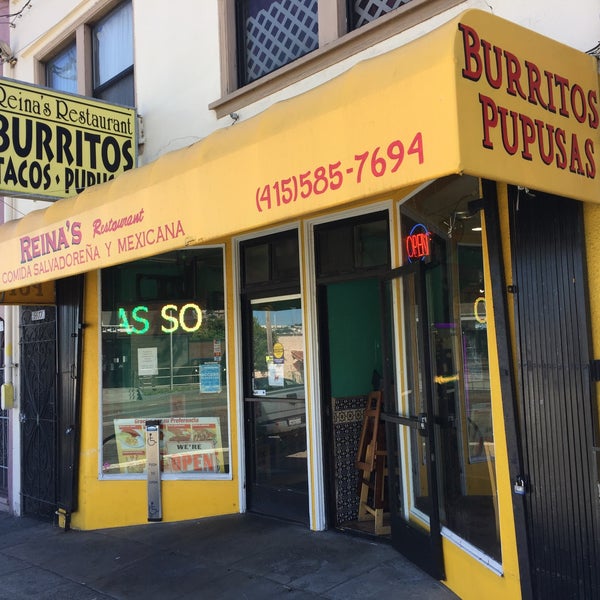
Reina’s Restaurant: A Salvadoran Staple in San Francisco
Reina’s Restaurant stands as a cherished cornerstone of San Francisco’s Salvadoran culinary landscape, situated along the bustling Mission Street corridor in the Excelsior District. Renowned for its handcrafted pupusas, rich traditiona...
Reina’s Restaurant stands as a cherished cornerstone of San Francisco’s Salvadoran culinary landscape, situated along the bustling Mission Street corridor in the Excelsior District. Renowned for its handcrafted pupusas, rich traditional soups, and authentic Central American comfort dishes, the neighborhood eatery offers a welcoming, affordable taste of El Salvador that has sustained local families and food enthusiasts for decades.
Contents
The Cultural and Culinary Footprint of El Salvador in San Francisco
San Francisco has long served as a vital port of entry and vibrant home for Central American immigrant communities. Beginning in the mid-20th century and accelerating through the 1980s, thousands of Salvadorans settled across the city’s southern neighborhoods. While the historic Mission District served as the primary cultural anchor, the culinary footfall naturally extended southward into outer Mission Street neighborhoods, including the Excelsior, Outer Mission, and Ingleside districts.
Within this neighborhood tapestry, family-run restaurants function as far more than places to purchase a meal; they operate as community anchors, cultural touchstones, and preservers of culinary heritage. Reina’s Restaurant exemplifies this essential role. By adhering strictly to traditional recipes, heirloom preparation techniques, and authentic imported ingredients, the establishment preserves a direct connection to the home cooking of El Salvador.
Salvadoran food culture emphasizes communal dining, generous portion sizes, and deep, comforting flavor profiles built around corn, beans, dairy, pork, and local Central American flora. The longevity of establishments like Reina’s highlights the enduring demand for authentic regional cooking within San Francisco’s diverse food ecosystem. For residents of the Excelsior and visitors exploring the city's neighborhood food spots, the restaurant offers an unpretentious, deeply satisfying dining experience grounded in Central American hospitality (calidez).
Signature Culinary Offerings: Traditional Salvadoran Flavors
The menu at Reina’s Restaurant reflects the core staples of Salvadoran home cooking. Every dish relies on balanced, foundational ingredients prepared daily, with an emphasis on texture, warmth, and fresh accompaniment.
The Art of the Handcrafted Salvadoran Pupusa
The national dish of El Salvador—the pupusa—is the indisputable centerpiece of the menu. A pupusa is a thick, handmade disk of corn masa (or rice flour dough) stuffed with savory fillings, sealed by hand, and griddled on a hot flat-top surface (comal) until the exterior achieves a light golden crispness while remaining soft and moist within.
At Reina’s, pupusas are prepared to order, ensuring the cheese melts thoroughly and the exterior maintains its ideal texture. Popular fillings include:
- Pupusa Revueltas: The classic combination filling featuring seasoned ground pork (chicharrón), smooth refried red beans (frijoles refritos), and melted Salvadoran cheese (quesillo).
- Queso con Loroco: A quintessential Salvadoran pairing combining rich, melting cheese with chopped loroco—the edible green flower buds of a vine native to Central America, imparting a unique botanical, slightly nutty, and earthy flavor.
- Frijoles y Queso: A vegetarian favorite featuring savory refried red kidney beans blended with smooth melted cheese.
- Chicharrón y Queso: A rich combination of slow-cooked, finely minced pork seasoned with herbs and mixed with melted cheese.
- Ayote o Espinaca: Modern vegetarian options featuring grated squash (ayote) or spinach mixed with cheese.
Essential Accompaniments: Curtido and Salsa
No pupusa experience is complete without its traditional side dishes, which serve to balance the rich, savory nature of the griddled masa:
- Curtido: A lightly fermented cabbage slaw shredded thin and tossed with grated carrots, sliced onions, Mexican oregano, and a mild vinegar brine. Unlike mayonnaise-heavy slaws, curtido provides a crisp, tangy, and refreshing acidity that cuts through the fat of the melted cheese and pork.
- Salsa de Tomate: A mild, warm sauce made from boiled tomatoes, garlic, onion, and subtle seasonings. Unlike fiery Mexican salsas, traditional Salvadoran tomato salsa is smooth, non-spicy, and intended to moisten the masa and enhance the savory flavors of the pupusa.
Hearty Stews and Soups (Sopas Tradicionales)
Salvadoran culinary traditions place high value on long-simmered, nutritious soups, which are traditionally enjoyed as main courses during family weekend meals.
- Sopa de Res (Beef Soup): A clear, deeply aromatic beef bone broth laden with large cuts of tender beef shank, yuca (cassava root), sweet corn on the cob (elote), plantains, cabbage wedges, and chayote squash. It is typically served with fresh warm tortillas and rice.
- Sopa de Pata: A traditional, velvety soup made from cow foot, beef tripe, yuca, sweet plantain, and green cabbage, seasoned with achiote, garlic, and fresh herbs. The collagen from the slow-simmered hoof gives the broth a distinctively rich body.
Traditional Entrees and Antojitos
Beyond pupusas and soups, the kitchen prepares a broad spectrum of traditional Salvadoran plates:
- Yuca con Chicharrón: Boiled or golden-fried cassava root (yuca) served topped with crispy fried pork chunks, a generous mound of curtido, and fresh tomato salsa. Yuca offers a dense, starchy texture that pairs perfectly with the crunchy pork and tangy cabbage.
- Plátanos Fritos con Crema y Frijoles: A classic dish suitable for breakfast or dessert, featuring sweet, ripe yellow plantains pan-fried until caramelized, served alongside rich, cultured Salvadoran sour cream (crema salvadoreña) and silky refried Salvadoran red silk beans (frijoles seda).
- Plato Típico: A comprehensive combination plate incorporating a pupusa, fried plantains, refried beans, Salvadoran crema, eggs cooked to order, and fried yuca—offering diners a full survey of traditional flavors.
Authentic Salvadoran Beverages
To complement the food, traditional beverages prepared in-house offer distinct flavor profiles unique to Central America:
- Horchata Salvadoreña: Significantly different from Mexican rice-and-cinnamon horchata, Salvadoran horchata is made from ground toasted morro seeds (from the calabash tree), blended with spices like nutmeg, coriander seed, allspice, and cocoa. The result is a dark, nutty, deeply aromatic drink served cold over ice.
- Ensalada de Frutas: A light, highly refreshing fruit drink made from a base of cashew apple fruit juice (marañón) mixed with finely diced fresh fruit such as pineapple, apples, and mango.
- Kolashampan: El Salvador’s popular orange-hued carbonated soda, known for its sweet, cream-soda-like taste profile.
Culinary Profile and Menu Breakdown
To help diners navigate the distinct flavor combinations of Salvadoran cuisine, the table below outlines core dishes, primary ingredients, preparation methods, and traditional flavor profiles found at Reina's Restaurant.
| Dish Name | Primary Ingredients | Preparation Method | Flavor Profile & Texture |
|---|---|---|---|
| Pupusa Revueltas | Masa (corn dough), minced pork chicharrón, refried beans, quesillo cheese | Stuffed by hand, griddled flat on a hot comal | Savory, smoky pork, gooey cheese, crisp-edged corn exterior |
| Pupusa de Loroco | Masa, chopped loroco flower buds, quesillo cheese | Hand-stuffed disk griddled until cheese melts | Earthy, botanical, herbal, creamy and rich |
| Yuca con Chicharrón | Cassava root (yuca), pork shoulder/belly, cabbage curtido | Cassava boiled or deep-fried; pork fried crisp | Starchy, dense yuca paired with crunchy pork and sour cabbage |
| Plátanos con Crema | Ripe plantains, cultured Salvadoran crema, refried red silk beans | Caramelized in pan; served with cream and beans | Sweet, buttery plantains balanced by tangy cream and savory beans |
| Sopa de Res | Beef bone marrow, beef shank, yuca, corn, plantain, cabbage | Slow-simmered simmered broth with large vegetable chunks | Deeply savory, clean beef flavor with natural vegetable sweetness |
| Horchata Salvadoreña | Toasted morro seeds, ground spices, rice flour, water/milk | Ground into fine paste, mixed with water/milk and sugar | Nutty, spiced, cocoa-like, sweet and aromatic |
Key Differences: Salvadoran vs. Mexican Cuisine
Diners unfamiliar with Central American food frequently confuse Salvadoran dishes with Mexican cuisine due to shared foundational elements like corn, beans, and rice. However, several distinct characteristics set Salvadoran cooking apart:
- Spice and Heat Levels: Traditional Salvadoran cooking rarely uses hot chili peppers in cooking sauces or marinades. Flavor is derived from fresh herbs (cilantro, oregano, culantro), garlic, onions, tomatoes, achiote, and sweet peppers. Fiery salsas are generally replaced by mild cooked tomato sauce and tangy fermented cabbage (curtido).
- The Nature of the Pupusa vs. Taco/Gordita: While a Mexican gordita is typically cooked, split open, and then stuffed, a Salvadoran pupusa is stuffed as a ball of raw masa, sealed seamlessly, and griddled as a single cohesive unit, allowing the internal ingredients to steam and meld directly with the corn dough.
- Beans: Salvadoran cooking heavily features small, silky red kidney beans (frijoles seda or frijoles salvadoreños), which are cooked, blended, and refried into a smooth paste. Mexican cooking more frequently utilizes pinto beans or black beans.
- Horchata Preparation: Mexican horchata relies primarily on soaked white rice, cinnamon, and condensed milk. Salvadoran horchata utilizes toasted morro seeds, giving the beverage a tan color, heavier texture, and complex spiced flavor reminiscent of chocolate and nutmeg.
Visitor Guide: Access, Ordering, and Dining Etiquette
For diners planning a visit to Reina’s Restaurant in San Francisco, understanding practical logistics ensures an optimal experience.
| Visitor Quick Guide | Details |
|---|---|
| Location | Mission Street Corridor, Excelsior District, San Francisco |
| Transit | SF MUNI Route 14 / 14R (Mission); Balboa Park BART Station |
| Peak Hours | Saturday & Sunday Lunch (11:30 AM - 2:30 PM) |
| Dining Style | Casual counter or table service; family-friendly |
| Takeout | Available; pupusas travel best wrapped tightly in foil |
Location and Neighborhood Context
Reina’s Restaurant is located along the commercial spine of Mission Street in San Francisco's southern Excelsior neighborhood. The district is renowned for its unpretentious, diverse, local family-owned retail stores, bakeries, and international eateries.
Transit and Parking
- Public Transit: The area is directly accessible via the SF MUNI 14 Mission and 14R Mission Rapid bus lines, which run directly down Mission Street from Downtown San Francisco and the Mission District. The nearest regional rail connection is the Balboa Park BART Station, located approximately a short walk or quick bus transfer away.
- Parking: Street parking along Mission Street and adjoining residential side streets (such as Ocean Avenue or Russia Avenue) is meter- and permit-regulated. Visitors arriving during peak lunch or dinner hours should allow extra time to locate street parking.
Ordering Tips and Etiquette
- Pupusa Volume: Pupusas are cooked fresh to order, which takes roughly 10 to 15 minutes depending on flat-top volume. For an average adult appetite, two to three pupusas constitute a full meal.
- Eating Pupusas: While forks and knives are provided, traditional Salvadoran etiquette encourages eating pupusas with your hands. Diners tear off a piece of warm pupusa, add a pinch of curtido and a spoonful of tomato salsa on top, and eat it in single bites.
- Takeout Advice: While pupusas are best consumed fresh off the griddle, takeout orders remain popular. To prevent the masa from growing soggy due to trapped steam, open the paper container slightly or unwrap foil promptly upon arrival at your destination. Reheat pupusas on a dry skillet or cast-iron pan over medium heat for 2–3 minutes per side to restore exterior crispness; avoid microwave reheating, which softens the masa excessively.
Frequently Asked Questions
What makes Reina’s Restaurant a staple in San Francisco?
Reina’s Restaurant earned its reputation through decades of consistent, authentic Salvadoran cooking, serving generations of local residents in San Francisco's Excelsior District. By preparing pupusas by hand to order and maintaining traditional family recipes for soups, stews, and side dishes, it provides an authentic taste of Central American food culture in a welcoming neighborhood environment.
What are the most popular pupusa varieties to order?
The most widely ordered pupusa is the Pupusa Revuelta, stuffed with seasoned minced pork, refried red beans, and melted cheese. For diners seeking vegetable or botanical flavors, the Pupusa de Queso con Loroco (cheese with native Central American flower buds) and Pupusa de Frijol y Queso (bean and cheese) are top recommendations.
Is Reina’s Restaurant suitable for vegetarian or gluten-free diets?
Yes. Pupusas made with traditional corn masa (masa de maíz) are naturally gluten-free, though diners with severe celiac sensitivity should inform staff regarding shared griddle surfaces. Vegetarian diners can select from cheese, bean and cheese, loroco and cheese, or squash (ayote) pupusas, as well as fried plantains and yuca dishes.
How is Salvadoran horchata different from Mexican horchata?
Salvadoran horchata uses toasted morro seeds ground with cinnamon, nutmeg, allspice, and rice as its base, resulting in an earthy, tan, nutty, and spiced beverage. Mexican horchata relies primarily on steeped white rice, cinnamon, milk, and sugar, resulting in a lighter, white, cinnamon-forward drink.
How do you properly serve curtido with pupusas?
Curtido—a tangy, lightly fermented cabbage and carrot slaw—is served alongside warm tomato sauce. Diners place a generous spoonful of curtido directly on top of each piece of pupusa, followed by a drizzle of tomato salsa, delivering a contrast of hot, savory masa with cold, crunchy, acidic slaw.
Practical Recommendations for Visitors
To fully appreciate the culinary offerings at Reina’s Restaurant, consider the following recommendations:
- First-Time Order Strategy: Start with two pupusas—one classic Revuelta and one Queso con Loroco—paired with a side of Plátanos Fritos con Crema y Frijoles and an ice-cold glass of Horchata Salvadoreña.
- Weekend Dining: Weekend afternoon hours are traditionally busy with local families enjoying large pots of Sopa de Res or Sopa de Pata. Arrive before 12:00 PM or after 2:30 PM to secure seating easily.
- Community Exploration: Pair a meal at Reina’s with a walk along the southern Mission Street corridor, exploring local Central American bakeries (panaderías) offering sweet breads like marquesote and quesadilla salvadoreña.
Image Gallery