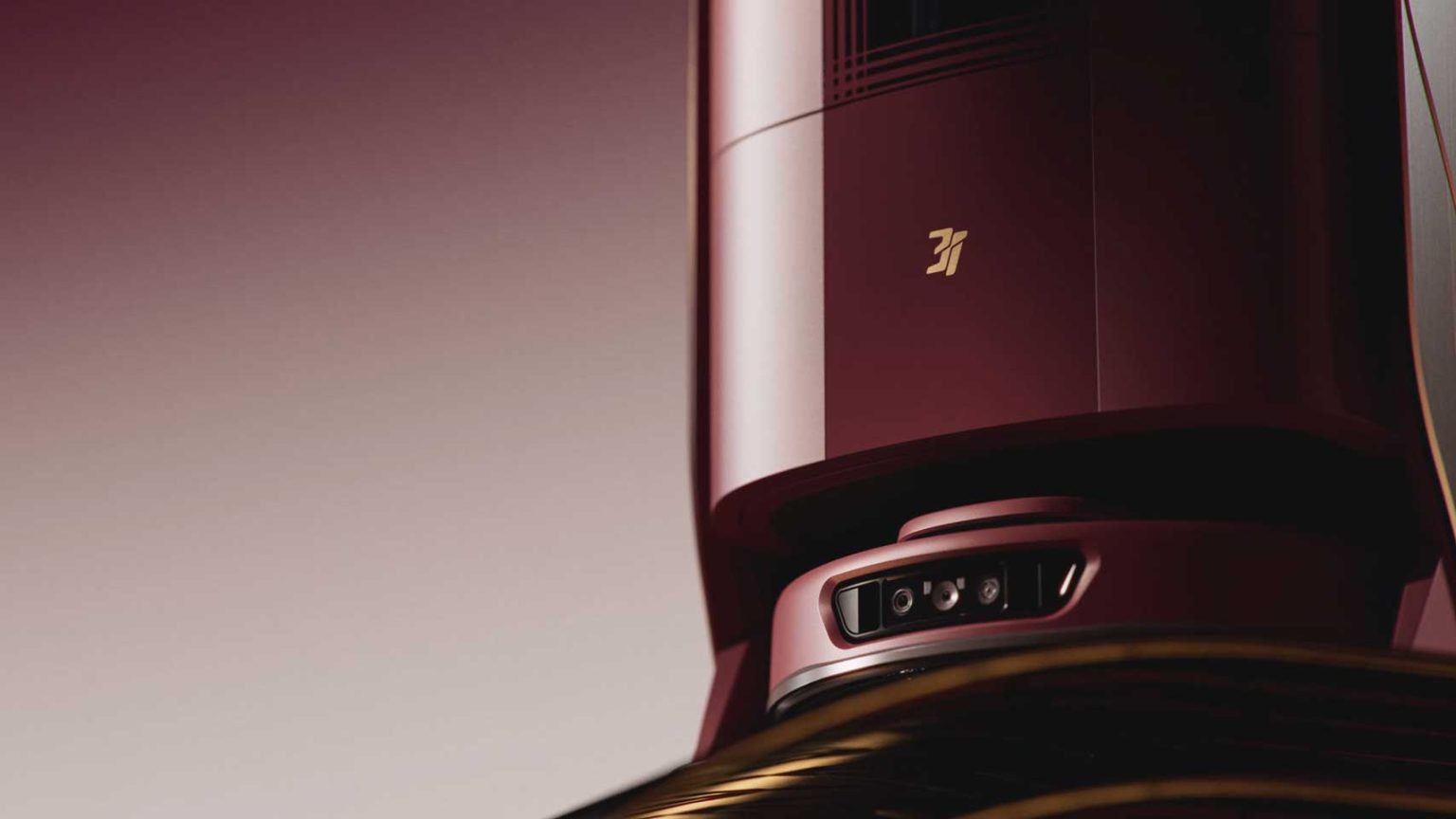
The Architecture of Excellence: Defining the Luxury Vacuum Market in 2026
The luxury vacuum market is defined by a convergence of professional-grade suction power, hospital-level filtration, and extreme durability. Unlike mass-market appliances designed for short lifecycles, luxury vacuums prioritize "sealed...
The luxury vacuum market is defined by a convergence of professional-grade suction power, hospital-level filtration, and extreme durability. Unlike mass-market appliances designed for short lifecycles, luxury vacuums prioritize "sealed system" engineering, modular repairability, and specialized performance that maintains indoor air quality while extending the lifespan of high-end flooring and upholstery.
Contents
Engineering Beyond Suction: The Core Technical Standards
To understand the luxury vacuum market, one must look beyond the generic "watts" or "amps" advertised on big-box store shelves. In the premium segment, performance is measured by Cubic Feet per Minute (CFM) and Water Lift. CFM measures the volume of air moving through the system, which determines how much debris is pulled into the machine, while Water Lift measures the motor's ability to overcome resistance (suction power).
As of 2026, luxury manufacturers like Miele, Sebo, and Lindhaus have moved toward high-efficiency brushless motors. These motors are not only quieter—often operating below 65 decibels—but are also rated for 1,000 to 1,500 hours of use. For the average household, this translates to a 20-year operational lifespan. In contrast, entry-level vacuum motors are frequently designed for a 50-to-100-hour lifecycle before carbon brush failure or thermal degradation occurs.
Furthermore, the "Sealed System" is a non-negotiable hallmark of a luxury vacuum. In a standard vacuum, air often escapes through cracks in the housing or around the motor before it reaches the filter. A luxury machine uses rubber gaskets and high-tolerance seals to ensure that 100% of the air intake passes through the filtration media. This prevents the "vacuum smell"—which is actually fine dust and bacteria being exhausted back into the room.
The Filtration Benchmark: HEPA and S-Class Standards
For many consumers entering the luxury market, the primary driver is health and indoor air quality (IAQ). The market is defined by its adherence to strict international filtration standards, specifically HEPA (High-Efficiency Particulate Air) and the European S-Class standards.
- HEPA H13/H14: Luxury vacuums typically utilize H13 or H14 medical-grade filters, which capture 99.97% to 99.995% of particles as small as 0.3 microns. This includes pollen, mold spores, and even certain viruses.
- S-Class Filtration: Primarily associated with brands like Sebo, this standard requires a similar 99.9% effectiveness at 0.3 microns but emphasizes the filtration of the entire machine, not just the filter element itself.
- Active Cooling Filtration: In the 2026 market, premium models now include secondary filters for the motor's cooling air, ensuring that the carbon dust generated by the motor (if not brushless) does not enter the living environment.
The shift toward bagged systems remains a defining characteristic of the high-end market. While bagless technology has improved, the most elite systems—such as the Miele C3 series or the Sebo Felix—use multi-layered, self-sealing bags. These bags act as the first three to nine layers of filtration, ensuring that when the user changes the bag, they are never exposed to a "dust cloud," a common failure point in even the most expensive bagless alternatives.
Materiality and the "Buy It For Life" Philosophy
The luxury vacuum market rejects the "disposable appliance" trend. The materials used in construction are selected for impact resistance and chemical stability. Most premium canisters and uprights utilize ABS plastic, the same material used in professional protective headgear.
Modular Repairability
A critical differentiator in this market is the availability of parts. Leading brands maintain inventory for components—down to individual screws and gaskets—for decades. In 2026, the "Right to Repair" movement has found its strongest ally in the luxury vacuum sector. These machines are designed with modularity in mind; a consumer or a local vacuum shop can replace a single motor bearing or a power cord without needing to replace the entire chassis.
Specialized Floor Tools
Luxury vacuums are rarely "one size fits all." The market is defined by specialized attachments designed for specific surfaces:
- Parquet Twister Heads: Using natural boar’s hair bristles to prevent scratching on delicate wax-finished hardwoods.
- Tandem Air Technology: Found in high-end American brands like Riccar, this uses two motors—one to pull air and one to spin the brush roll—to provide deep agitation for high-pile luxury carpets.
- Electronic Brush Roll Controls: Allow the user to adjust the height and speed of the brush to the millimeter, preventing the "fuzzing" of wool rugs.
Defining the 2026 Luxury Vacuum Landscape
The market is currently bifurcated into traditional German/American engineering and the high-tech AI-driven autonomous sector. The following table compares the primary attributes of the leading segments in the luxury market.
| Feature | Premium Corded (e.g., Miele/Sebo) | High-End Robotic (e.g., Roborock/Dyson) | Specialized Industrial-Home (e.g., Lindhaus) |
|---|---|---|---|
| Expected Lifespan | 15–25 Years | 3–6 Years | 20+ Years |
| Filtration Level | HEPA H13/H14 (Sealed) | HEPA H12/H13 (Variable) | S-Class / Hospital Grade |
| Primary Power Source | A/C Cord (Constant Suction) | Lithium-Ion Battery | A/C Cord (High Amperage) |
| Repairability Index | High (User/Shop Serviceable) | Moderate (Proprietary Modules) | Exceptional (Commercial Build) |
| Surface Excellence | All Floors / High-Pile Carpet | Hard Floors / Low-Pile Carpet | Specialized Stone/Hardwood |
| Price Range (2026) | $800 – $1,800 | $1,200 – $2,500 | $1,000 – $2,200 |
The Role of Smart Technology and AI in 2026
While heritage brands emphasize mechanical longevity, a newer segment of the luxury market defines itself through computational cleaning. As of 2026, the high-end robotic vacuum market has matured beyond simple navigation.
Luxury robots now feature multi-spectral sensors that can distinguish between a spill (requiring a mop) and solid debris. They utilize AI to map homes with centimeter-level precision, adjusting suction power based on the specific fiber density of the rug it detects. For the luxury consumer, the value proposition here is "time reclamation." However, even in this high-tech segment, the "luxury" label is only applied to units that include self-emptying docks with HEPA filtration and plumbed-in water lines for automated maintenance.
Total Cost of Ownership: The Value Proposition
The most misunderstood aspect of the luxury vacuum market is the price point. While the initial investment is significantly higher than a standard retail unit, the Total Cost of Ownership (TCO) is often lower over a ten-year period.
Consider a standard $200 vacuum with a three-year lifespan. Over 15 years, a consumer will spend $1,000 on five separate machines, plus the cost of filters and the hidden cost of potential carpet damage due to poor agitation. Conversely, a $1,200 Sebo or Miele purchased in 2026 is likely to still be in service in 2041. When factored against the superior preservation of expensive home finishes—such as hand-knotted Silk or Persian rugs which can be ruined by aggressive, non-adjustable brush rolls—the luxury vacuum acts as a form of "home insurance."
Environmental Impact and Sustainability
In 2026, the luxury market is increasingly defined by its environmental footprint. High-end manufacturers have moved toward circular economy models. Because these machines are repairable, they stay out of landfills. Brands like Vorwerk and Miele have introduced recycled plastic components that do not sacrifice the structural integrity of the ABS housing. Furthermore, the efficiency of premium motors means they consume less electricity to achieve higher CFM ratings than their budget counterparts.
Identifying the Target Audience: Who is it for?
The luxury vacuum market serves three distinct profiles:
- The Allergy and Asthma Sufferer: Individuals who require a medically verified sealed system to maintain a safe living environment.
- The High-End Homeowner: Those with significant investments in natural stone, delicate hardwoods, or custom carpeting that require specialized care.
- The Sustainability Advocate: Consumers who prefer to "buy once, cry once," investing in a legacy appliance rather than contributing to electronic waste.
Frequently Asked Questions
Is a bagged vacuum better than a bagless vacuum in the luxury market?
In the context of luxury appliances, bagged systems are generally considered superior for two reasons: hygiene and motor protection. The bag acts as a high-efficiency pre-filter, preventing fine dust from reaching the motor and ensuring that the user never encounters the captured allergens during disposal. While high-end bagless models exist (notably from Dyson), they require more frequent filter maintenance to match the sustained suction of a bagged system.
What is a "Sealed System" and why does it cost more?
A sealed system ensures that all air entering the vacuum is forced through the filtration media without any bypass. This requires precision manufacturing, specialized rubber gaskets, and high-quality housing materials that won't warp over time. This engineering prevents microscopic dust from leaking out of the machine's body, which is a common issue in cheaper vacuums that may have a HEPA filter but an unsealed chassis.
How long should a luxury vacuum motor last?
A true luxury vacuum motor is typically rated for 1,000 to 1,500 hours of run time. In a standard household where vacuuming occurs for one hour per week, this equates to 20 to 30 years of service. Most premium brands offer warranties ranging from 5 to 10 years on the motor, reflecting this confidence in longevity.
Can luxury vacuums handle pet hair better than standard models?
Yes, but the advantage lies in the brush roll design and suction consistency. Luxury models often feature "active" floor heads with independent motors and "tangle-free" geometries that can pull hair from deep within carpet fibers without melting the hair onto the roller, a common failure in lower-end high-friction models.
Final Recommendation for 2026 Buyers
When entering the luxury vacuum market, prioritize mechanical integrity over digital gimmicks. While AI mapping and app connectivity are convenient, the core value of a luxury machine lies in its ability to move air efficiently and filter it perfectly. For most homeowners, a corded canister vacuum from a heritage German or American brand remains the gold standard for longevity and air quality. If autonomy is a priority, ensure the robotic unit features a HEPA-sealed base station to maintain the health benefits that define the premium category.
Image Gallery