Comprehensive Guide to Paying Visa Fees: Understanding Costs and Process in 2026
To pay a visa fee, you must first identify your specific visa category and the destination country’s official payment portal. In 2026, most jurisdictions require electronic payment via credit card, debit card, or authorized digital wal...
To pay a visa fee, you must first identify your specific visa category and the destination country’s official payment portal. In 2026, most jurisdictions require electronic payment via credit card, debit card, or authorized digital wallets prior to scheduling an interview. These fees are generally non-refundable and cover the administrative costs of processing your application.
Contents
Navigating the financial requirements of international travel has become increasingly complex. As of 2026, the transition to fully digital immigration systems has streamlined the payment process but has also introduced tiered fee structures and mandatory surcharges that travelers must account for. Understanding the distinction between application fees, reciprocity fees, and third-party service charges is essential to avoid delays or application rejections. This guide provides a deep dive into the current costs, payment methodologies, and procedural requirements for securing a visa in a global context.
The Architecture of Visa Costs
Visa fees are rarely a single, flat rate. Instead, they are composed of several layers of costs that vary based on your nationality, the purpose of your visit, and the urgency of your application. To plan your budget effectively, you must understand the four primary components of visa-related expenses.
1. The Basic Application (MRV) Fee
The most common cost is the Machine Readable Visa (MRV) fee. This is the baseline charge for processing your data and conducting background checks. Whether your visa is granted or denied, this fee is consumed by the administrative process. In 2026, most non-immigrant visas (such as tourism or business) follow a standardized pricing tier based on the complexity of the adjudication required.
2. Reciprocity and Issuance Fees
Some countries charge an additional "issuance fee" based on the principle of reciprocity. This means if your home country charges a citizen of the destination country a certain amount for a visa, they will charge you a matching amount. Unlike the application fee, the reciprocity fee is often paid only after the visa is approved, though some digital systems now bundle this into the initial payment with a refund provision if the visa is denied.
3. Surcharges and Mandatory Supplements
In 2026, many nations have integrated specific surcharges into the visa process to fund infrastructure or public services:
- Biometric Fees: Charges for the collection of fingerprints and digital photographs.
- Health Surcharges: Most notably the UK’s Immigration Health Surcharge (IHS), which provides access to the National Health Service. These can often exceed the cost of the visa itself.
- SEVIS Fees: For students traveling to the United States, the I-901 SEVIS fee is a mandatory payment to support the Student and Exchange Visitor Program.
4. Third-Party Service Fees
Most governments now outsource the document collection and biometric enrollment to private entities such as VFS Global, TLScontact, or BLS International. These providers charge a separate service fee for handling your passport and facilitating the appointment. This fee is paid in addition to the official government visa fee.
Step-by-Step Process for Paying Visa Fees
While every country has a unique portal, the logical flow of payment has become largely standardized across international systems like the U.S. Consular Electronic Application Center or the UK’s Gov.uk visa portal.
Step 1: Profile Creation and Visa Selection
The process begins with creating a secure account on the official immigration or consulate website. You must select the exact visa subclass (e.g., B1/B2 for US tourism, Subclass 600 for Australia). Selecting the wrong category can lead to paying the incorrect amount, which usually results in an invalidated application and a lost fee.
Step 2: Generating the Payment Instruction
Once the application form (like the DS-160 for the US) is completed, the system will generate a unique Payment Reference Number or CGI Reference. This number links your payment to your specific application. In 2026, it is critical to save a digital copy of this instruction before proceeding to the payment gateway.
Step 3: Selecting a Payment Method
Modern systems offer several channels, but availability varies by the applicant's location:
- Debit/Credit Cards: The fastest method, usually resulting in immediate receipt activation.
- Digital Wallets: Systems like AliPay, WeChat Pay, or UPI (India) are now widely accepted in their respective regions.
- Electronic Fund Transfer (EFT): A bank-to-bank transfer. This method often requires 24 to 48 hours to "settle" before you can book an appointment.
- Cash at Authorized Banks: Some regions still allow cash payments at specific bank branches (e.g., DRB-HICOM in Malaysia or various banks in India). You must bring the printed payment slip to the teller.
Step 4: Receipt Verification and Appointment Booking
After payment, you will receive a receipt number. Do not lose this. Many systems require you to enter this receipt number manually to unlock the appointment calendar. If the system does not recognize the payment immediately, wait the required processing time (usually 24 hours for cards, longer for transfers) before contacting technical support.
Comparative Visa Fees by Major Jurisdiction (2026 Estimates)
The following table outlines the approximate baseline fees for standard visitor visas across major travel hubs. These figures represent the government application fee and exclude third-party service charges or health surcharges.
| Jurisdiction | Visa Type | Estimated Fee (USD Equivalent) | Payment Timing |
|---|---|---|---|
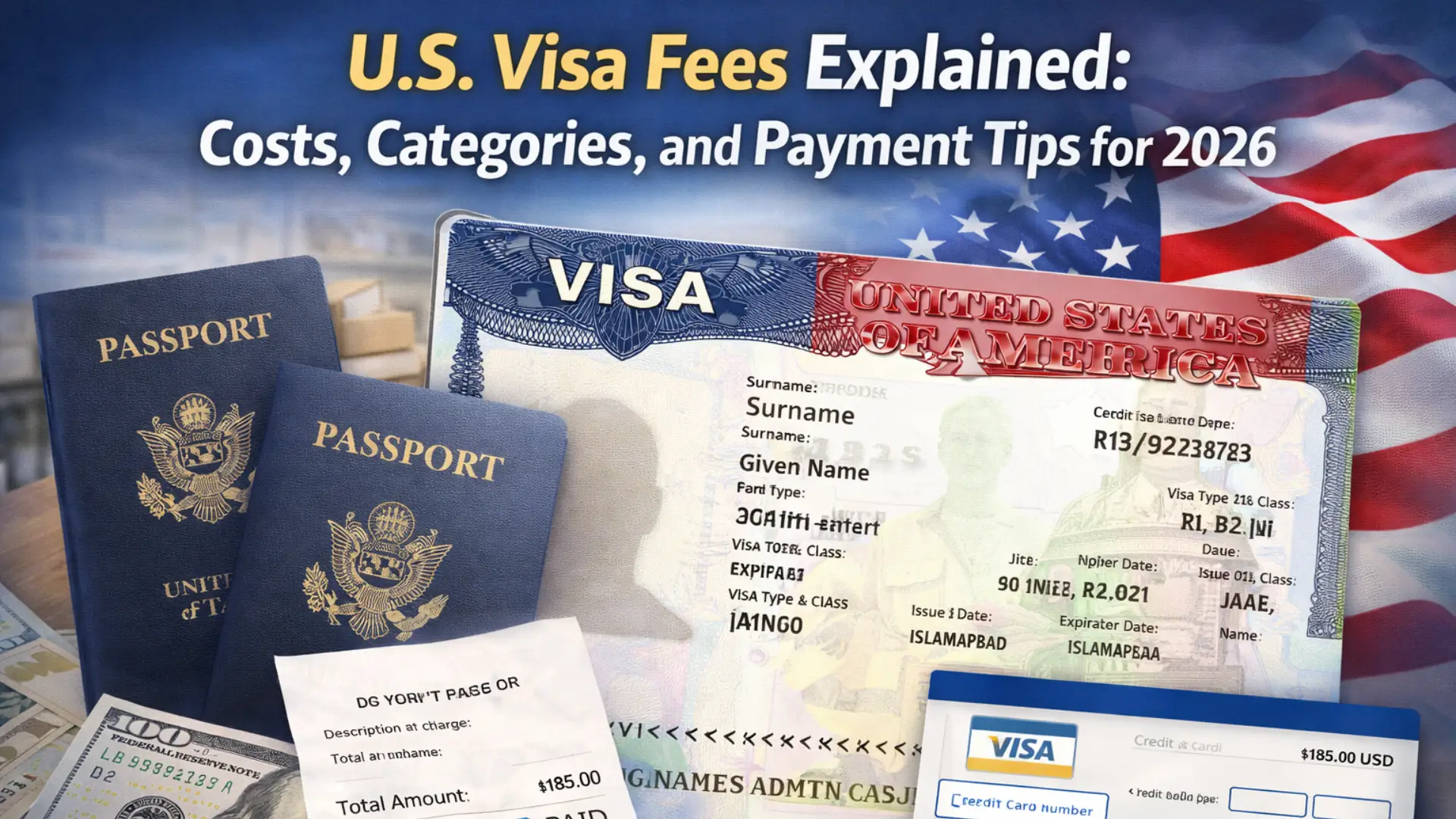
| United States | B1/B2 Visitor | $185 - $205 | Pre-appointment |
| Schengen Area | Short-stay (Type C) | €90 - €100 | At document submission |
| United Kingdom | Standard Visitor (6 mo) | £115 - £125 | At online application |
| Australia | Visitor (Subclass 600) | AUD 190 - 210 | At online application |
| Canada | Visitor Visa (TRV) | CAD 100 | At online application |
| China | L Visa (Tourism) | $140 - $160 (varies by nationality) | At document submission |
Note: Fees are subject to change based on exchange rate fluctuations and updated legislative mandates.
Technical Considerations and Currency Conversion
One of the most common pitfalls in paying visa fees is the currency mismatch. Most visa fees are denominated in the host country's currency (e.g., USD, GBP, or EUR) but must be paid in the local currency of the applicant.
Consulates use a "Consular Exchange Rate" which is updated periodically. This rate is often slightly higher than the mid-market rate found on Google or XE.com. When paying via credit card, your bank may also charge a Foreign Transaction Fee (usually 1% to 3%). If you are paying via bank transfer, ensure you select "OUR" in the SWIFT instructions so that you, the sender, cover all intermediary bank fees. If the consulate receives even one cent less than the required amount, the payment will be marked as "Short-paid" and the application will remain blocked.
Common Mistakes and Troubleshooting
Incorrect Fee Tier
Choosing a "Business" visa when you only need a "Tourist" visa might result in a higher fee. Conversely, paying for a Tourist visa when your activities require a Work visa will lead to an immediate rejection. Most systems do not allow you to "top up" a payment; you must pay the entire correct amount again and request a refund for the first, which is rarely granted.
Payment Timeouts
During peak application seasons, government servers can experience high latency. If a payment screen freezes, do not refresh the page. Check your email for a confirmation and check your bank statement. If a charge has been made but no receipt is generated, wait 2 hours. Duplicate payments are notoriously difficult to recover from government treasuries.
Non-Refundability Clauses
It is a nearly universal rule in immigration law that visa fees are for processing services, not for the issuance of the visa. If your visa is denied, or if you change your mind and withdraw the application, the fee is forfeited. The only exceptions typically involve technical system errors where a user was charged multiple times for a single application.
Expert Recommendations for 2026 Applicants
To ensure a smooth financial transaction for your visa, follow these strategic steps:
- Use a Credit Card with High Limits: Visa fees for families can run into thousands of dollars. Ensure your card has the limit and is cleared for international transactions.
- Screenshot Every Confirmation: Digital receipts can occasionally fail to arrive via email. A screenshot of the "Payment Successful" screen with the reference number is your only leverage in a dispute.
- Check for "Bundled" Fees: In 2026, look out for premium service options (like courier return or SMS alerts) that may be pre-selected on third-party sites. De-select them if you are on a budget.
- Validate the URL: Only pay through links found on official
.gov,.nic, or.intwebsites. Phishing sites mimicking visa portals are a significant threat in 2026.
Frequently Asked Questions
Can I pay the visa fee for someone else? Yes, most systems allow a third party to pay the fee as long as they have the applicant's unique Payment Reference Number or CGI code. However, the receipt is legally tied to the applicant's passport number and cannot be transferred to another person once used.
How long is a visa fee receipt valid? Generally, a visa fee receipt is valid for 365 days from the date of payment. You must schedule your interview or submit your application within this timeframe. If you wait longer than a year, the receipt expires, and you must pay the fee again.
What should I do if my payment was successful but I didn't get a receipt? First, check your "Junk" or "Spam" email folders. If nothing is there, wait 24 hours for the banking systems to synchronize. If the status remains "Unpaid" on the portal, contact the specific consulate’s support desk with your bank statement showing the transaction ID and the date.
Are there any exemptions for visa fees? Exemptions are rare but usually apply to holders of diplomatic passports, applicants for certain government-sponsored exchange programs, or in cases of extreme humanitarian crisis. These exemptions must be verified and "claimed" during the application process before reaching the payment screen.
Why is there a separate fee for biometrics? Biometric fees cover the cost of specialized equipment and secure data transmission to law enforcement databases. Many countries, including Canada and members of the Schengen Area, separate this from the processing fee because the biometric data is often valid for a longer period (e.g., 10 years) than a single visa.
Practical Next Action
Before initiating any payment, visit the official website of the embassy or consulate where you will be applying. Download their latest "Fee Schedule" to confirm the exact amount in your local currency. Ensure your browser is updated to the latest version to prevent security handshake failures during the encrypted payment process.
Image Gallery