Why Warren Buffett Giving Away His Fortune Matters for Global Philanthropy
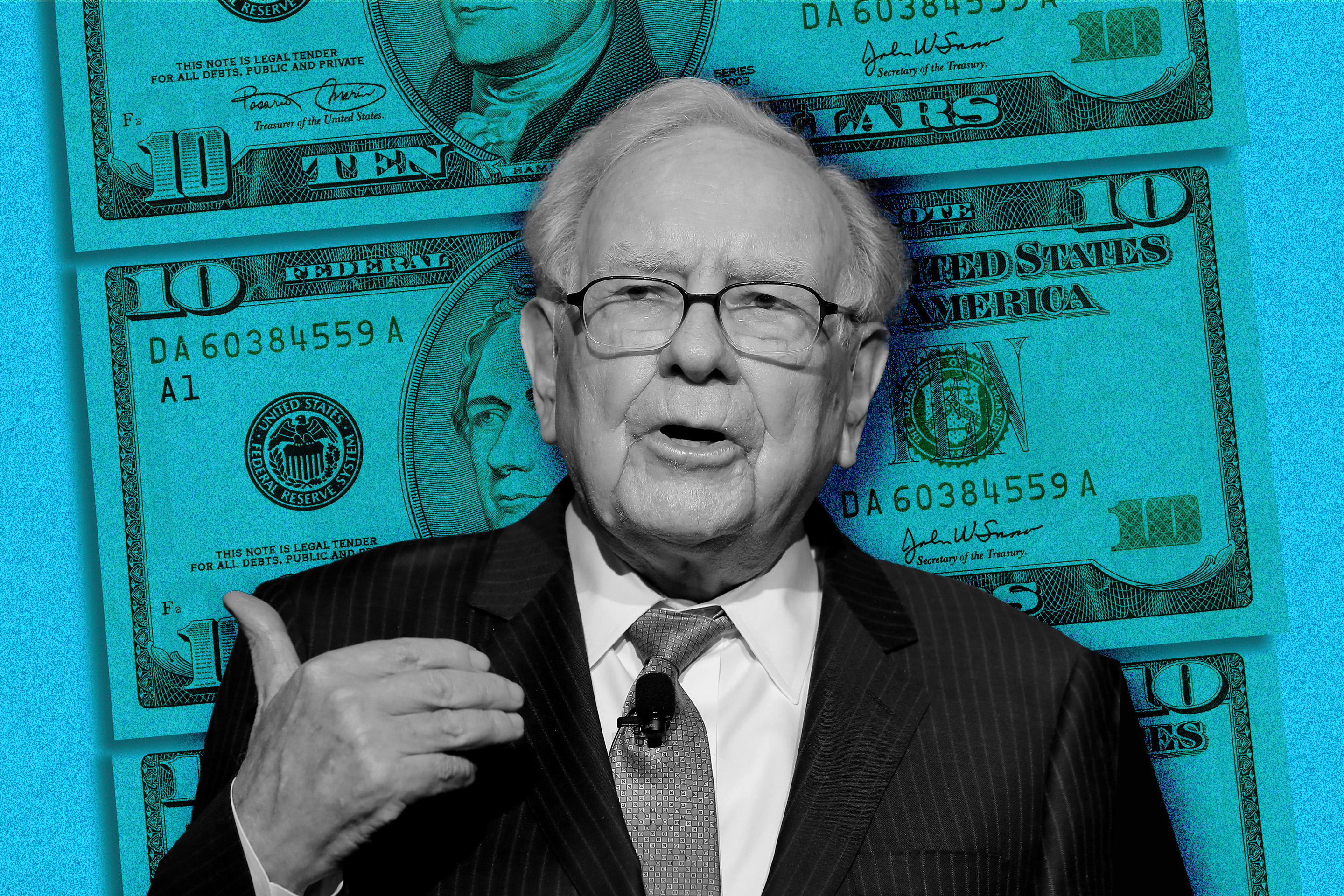
Warren Buffett’s commitment to distribute more than 99% of his multi-billion-dollar fortune to philanthropic causes is a landmark event in economic history. It matters because it challenges the concept of dynastic wealth, reshapes how...
Warren Buffett’s commitment to distribute more than 99% of his multi-billion-dollar fortune to philanthropic causes is a landmark event in economic history. It matters because it challenges the concept of dynastic wealth, reshapes how the ultra-wealthy approach social responsibility, and provides a massive, ongoing capital infusion into global health and education systems.
Contents
For decades, the "Oracle of Omaha" has been as famous for his frugality and investment acumen as he has for his eventual departure from the Forbes list of the world's richest people. As we stand in 2026, the implications of his 2006 pledge—and the subsequent updates to his estate planning—continue to ripple through the financial and non-profit sectors. His approach serves as a blueprint for "giving while living" and has sparked a global conversation about the role of private capital in solving public problems.
The Philosophy of the Giving Pledge and Wealth Velocity
In 2010, Warren Buffett, alongside Bill and Melinda Gates, founded the Giving Pledge. This was not a legal contract but a moral commitment by the world's wealthiest individuals to give away the majority of their wealth. The significance of this initiative cannot be overstated; it fundamentally changed the social contract for billionaires.
Before the Giving Pledge, the standard practice for the ultra-wealthy was to establish a namesake foundation that would exist in perpetuity, often spending only the minimum required by law (usually 5% of assets annually). Buffett’s philosophy differs by emphasizing wealth velocity—the idea that capital should be deployed aggressively to solve urgent problems now, rather than sitting in an endowment for centuries.
By pledging his Berkshire Hathaway shares, Buffett signaled that the "utility" of money diminishes after a certain point of personal wealth, but its "social utility" remains high. This shift matters because it encourages other high-net-worth individuals to view their wealth as a tool for immediate global intervention rather than a static monument to their own success.
The 2006 Turning Point: Outsourcing Philanthropy
One of the most radical aspects of Buffett’s giving, which remains a primary case study in 2026, was his 2006 decision to give the bulk of his wealth to the Bill & Melinda Gates Foundation rather than starting his own massive operation. At the time, this was unheard of. Most billionaires want their name on the building; Buffett wanted efficiency.
Efficiency Over Ego
Buffett recognized that the Gates Foundation already had the infrastructure, expertise, and "alpha" in the world of global health. By "outsourcing" his philanthropy, he applied the same logic he used at Berkshire Hathaway: allocate capital to the most competent managers and let them run with it. This move matters because it set a precedent for collaborative philanthropy. It suggested that donors should prioritize results over personal branding, leading to more streamlined and less fragmented non-profit efforts globally.
The Impact on Global Health
The influx of Buffett’s Class B Berkshire shares has directly funded the eradication of polio, the reduction of malaria deaths, and the development of agricultural technologies in sub-Saharan Africa. Because the Gates Foundation was required to spend the value of his annual gifts, it forced a massive, sustained surge in spending that a standard endowment could not have matched.
The Rejection of Dynastic Wealth
Warren Buffett has famously stated that he wants to give his children "enough money so that they would feel they could do anything, but not so much that they could do nothing." This stance against dynastic wealth is a core reason why his giving matters.
In an era of rising wealth inequality, Buffett’s decision to limit his children's inheritance to a relatively small fraction of his net worth (though still significant by average standards) serves as a potent critique of "aristocratic" capital. By directing his fortune to the public good, he advocates for a meritocratic society where economic power is earned rather than inherited.
This philosophy has influenced tax policy discussions, including the "Buffett Rule," which suggests that no millionaire should pay a lower effective tax rate than their secretary. While the rule specifically targets income tax, the underlying spirit is the same: the wealthy have a moral and social obligation to return their surplus to the society that made their success possible.
The 2024-2026 Evolution: The New Charitable Trust
As of mid-2024 and continuing into our current 2026 context, Buffett has clarified the final stages of his estate plan. In a significant shift from his 2006 pledge, he announced that upon his death, his remaining Berkshire Hathaway shares will be placed into a new charitable trust overseen by his three children: Susie, Howard, and Peter Buffett.
Transitioning from the Gates Foundation
This move is critical because it marks the eventual conclusion of his massive annual gifts to the Gates Foundation. Buffett’s children, who already run their own successful foundations (the Sherwood Foundation, the Howard G. Buffett Foundation, and the NoVo Foundation), will have the unanimous responsibility of deciding how to deploy the remaining tens of billions of dollars.
| Entity | Primary Focus | Relationship to Buffett |
|---|---|---|
| Sherwood Foundation | Social justice and early childhood education in Nebraska | Chaired by Susie Buffett |
| Howard G. Buffett Foundation | Global food security and conflict mitigation | Chaired by Howard G. Buffett |
| NoVo Foundation | Empowerment of girls and women | Chaired by Peter and Jennifer Buffett |
| The New 2026 Trust | Future distribution of the bulk of the estate | Managed by all three children |
This transition matters because it tests whether the second generation can manage a scale of capital that is almost unprecedented in private hands. It also ensures that the giving remains flexible to the changing needs of the world in the late 2020s and beyond, rather than being locked into the specific mandates of the early 2000s.
Economic and Market Implications
Buffett’s method of giving also has technical implications for the stock market. Because his wealth is tied almost entirely to Berkshire Hathaway stock, the steady conversion and distribution of these shares could, in theory, create downward pressure on the stock price.
However, Buffett designed his giving to be orderly and predictable. By converting Class A shares (high voting power) into Class B shares (lower price and voting power) before donating them, he has allowed the market to absorb the liquidity without causing volatility. This matters to investors because it proves that a massive wealth transfer can occur without destabilizing one of the world's largest publicly traded companies.
Criticisms and the "Power" of Private Philanthropy
It is important to acknowledge why some critics argue that Buffett’s giving—and that of his peers—is a complex issue. The primary critique is the concentration of power. When a single individual (or a small group of their heirs) controls tens of billions of dollars, they gain the ability to set public agendas without being elected.
Critics also point out the tax benefits of these donations. While Buffett is giving the money away, the charitable deductions significantly reduce his tax liability, leading some to argue that the money should instead go to the government as tax revenue to be distributed via democratic processes. Buffett’s counter-argument has always been that private philanthropy can be more nimble, take bigger risks, and achieve higher "returns" on human life than government bureaucracies.
Why it Matters for the "Average" Investor and Citizen
You might wonder why the charitable choices of a billionaire in Omaha matter to you. The reasons are both practical and aspirational:
- Philanthropic Innovation: Buffett’s "spend-down" model (requiring money to be used quickly) is being adopted by smaller foundations and individual donors, making local charities more effective.
- Corporate Culture: His actions have pressured other CEOs to consider their "Legacy of Impact," leading to more robust Corporate Social Responsibility (CSR) programs.
- Investment Stability: Understanding how he handles his shares provides peace of mind to the millions of people whose retirement accounts hold Berkshire Hathaway stock.
- Moral Example: It provides a framework for how to handle success—viewing wealth as a stewardship rather than a possession.
Frequently Asked Questions
Why did Warren Buffett change his will in 2024?
Buffett decided that his three children should have the final say on the distribution of his remaining wealth after his death. He cited his complete trust in their values and their experience in running their own foundations as the primary reason for this change, ensuring the money is spent according to the world's needs at that time.
Will the Gates Foundation lose all its funding when Buffett passes?
No. While the massive annual gifts from Buffett will eventually cease, the Gates Foundation remains one of the largest and best-funded endowments in the world. Furthermore, the transition is expected to be gradual, allowing the foundation to adjust its long-term financial planning.
Does giving away money provide Buffett a tax loophole?
While charitable donations provide significant tax deductions, they do not result in a net financial gain for the donor. Buffett is giving away more than 99% of his net worth; even with the tax breaks, his personal wealth is drastically reduced compared to if he had kept the shares and paid the standard capital gains or estate taxes.
How does his giving affect Berkshire Hathaway's stock price?
Buffett’s donations are executed through a pre-planned, transparent process involving the conversion of Class A shares to Class B shares. Because the market anticipates these moves and they are spread out over many years, they have historically had a negligible impact on the day-to-day stock price.
What is the "Buffett Rule"?
The Buffett Rule is a proposed tax policy stating that individuals earning over $1 million a year should pay a minimum effective tax rate of 30%. It was inspired by Buffett’s observation that he paid a lower effective tax rate than his office staff due to the way investment income is taxed compared to wage income.
Practical Recommendation for 2026
For those looking to apply the lessons of Warren Buffett’s philanthropy to their own lives or businesses, the most important takeaway is intentionality. You do not need billions to adopt a "Buffett-style" approach to giving.
Consider a "spend-down" approach for your own charitable contributions—focusing on organizations that can use the funds effectively today rather than building up an endowment for tomorrow. Furthermore, if you are an investor, use the transparency and long-term planning shown in Buffett’s estate strategy as a benchmark for evaluating the stability and leadership of other major corporations in your portfolio. As we move further into 2026, the shift from individual-led to family-legacy philanthropy will likely become the new standard for the world's wealthiest, making the actions of the Buffett children a key area to monitor.
Image Gallery